Places and Trails across Hong Kong
Utilise urban parks equitably, mitigate Hong Kong’s climate hazards now
Hong Kong will face more intense heat, flood, storm surges and biodiversity depletion under climate change. Healing Parks, an advocacy group, says that urban parks can help to mitigate these hazards – but current park design guidelines fail to consider climate resilience. If the government remains inactive, it would harm…
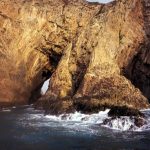
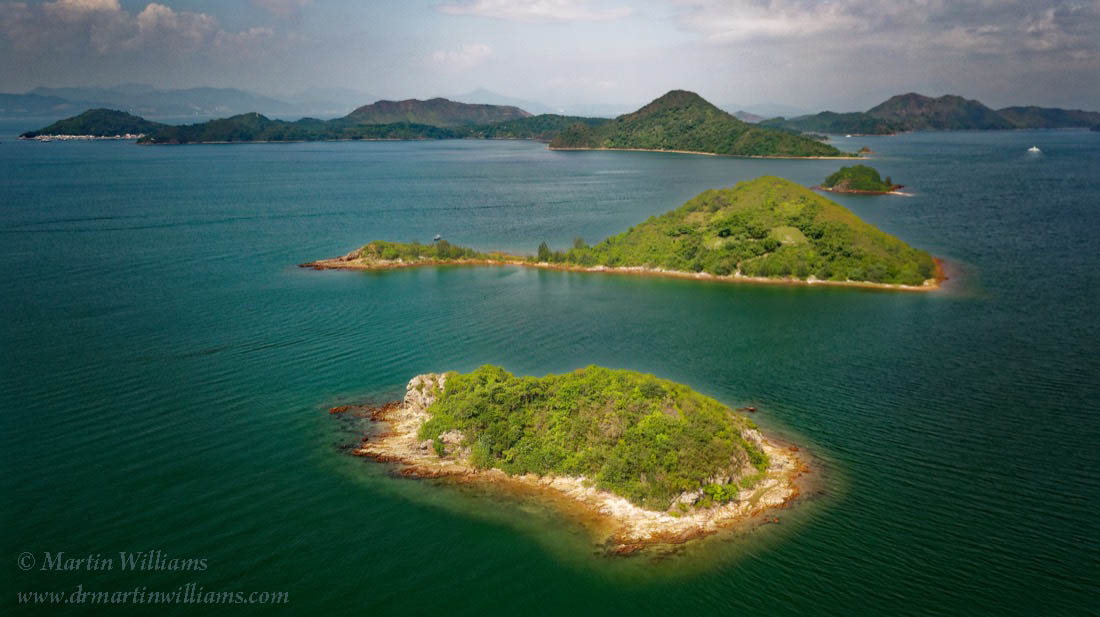
Wang Chau, Basalt Island and Bluff Island
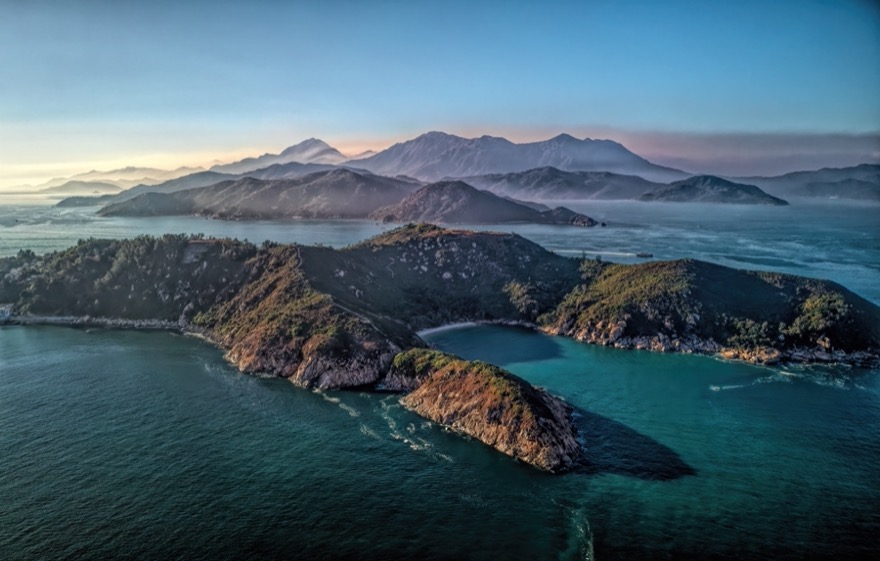
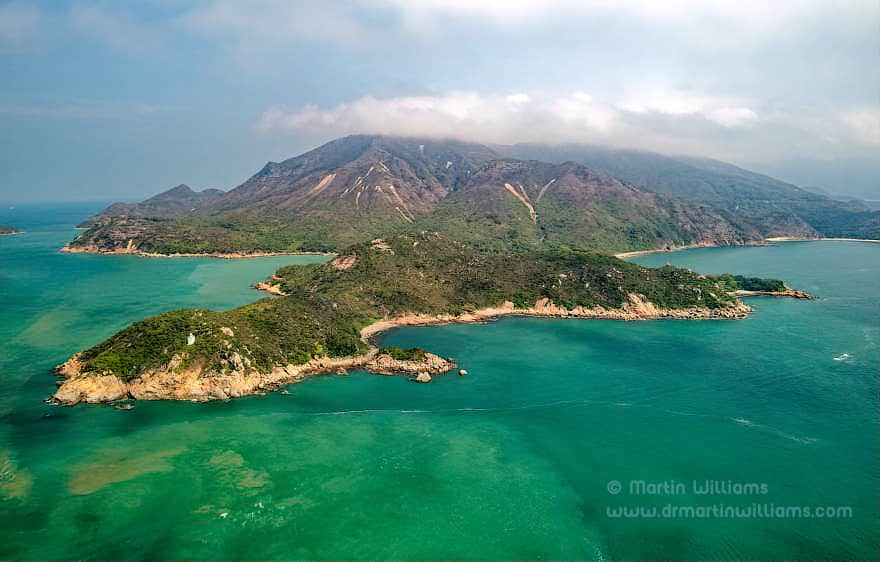
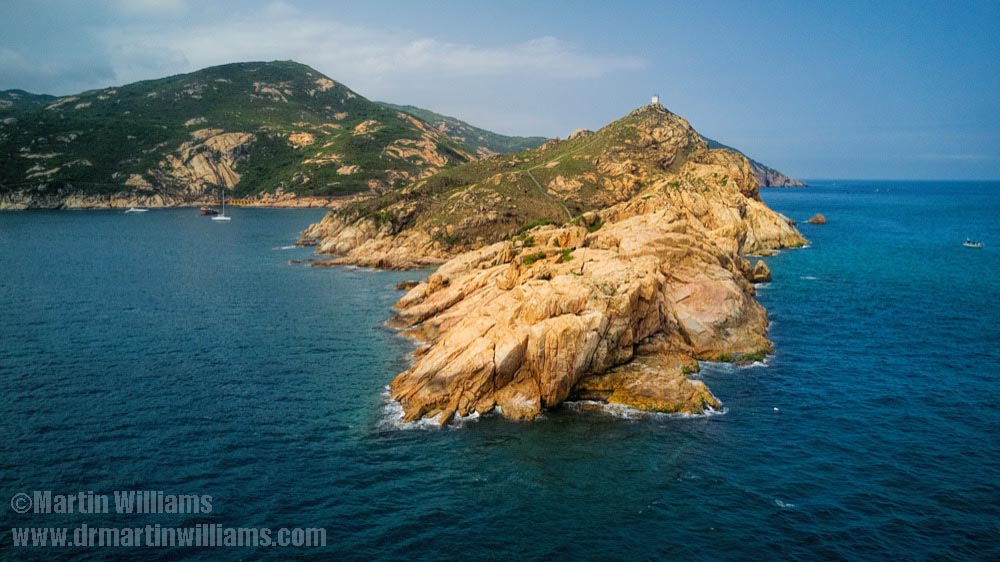
The Ung Kong group of islands is a cluster of three islands – Wang Chau, Basalt Island and Bluff Island, lying off the southeast tip of the Sai Kung Peninsula. They’re made of the same tuff that occurs from the southeastern peninsula to the Ninepin Group, and developed in the…
Activities in Hong Kong outdoors
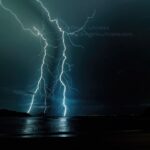
Taking Hong Kong landscape photos come rain or shine
Even if you don’t travel outside Hong Kong, your photos have to be much the same, week after week, day after day after day. Shooting from the same spot, it’s possible to take highly contrasting photos, such as by heading out at different times of day, and making…

Cycling From Tai Po Market to Tai Mei Tuk on Rented Bikes
One of the best ways of getting some outdoor exercise is to get on a bicycle, and ride away some of those coronavirus claustrophobia blues. Hong Kong hardly abounds with good routes for relaxing cycling, but there is an especially fine one in the northeast New Territories, from…
Hong Kong’s Wonderful Wildlife
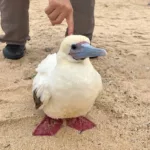
I had a whatsapp message from Nick Florent this afternoon, a bird on the beach, on Cheung Chau; there was a photo too – a red-footed booby! This seabird is rare in Hong Kong, and even then seen pretty much only over waters well south of Hong Kong…
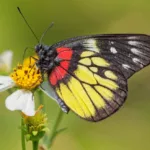
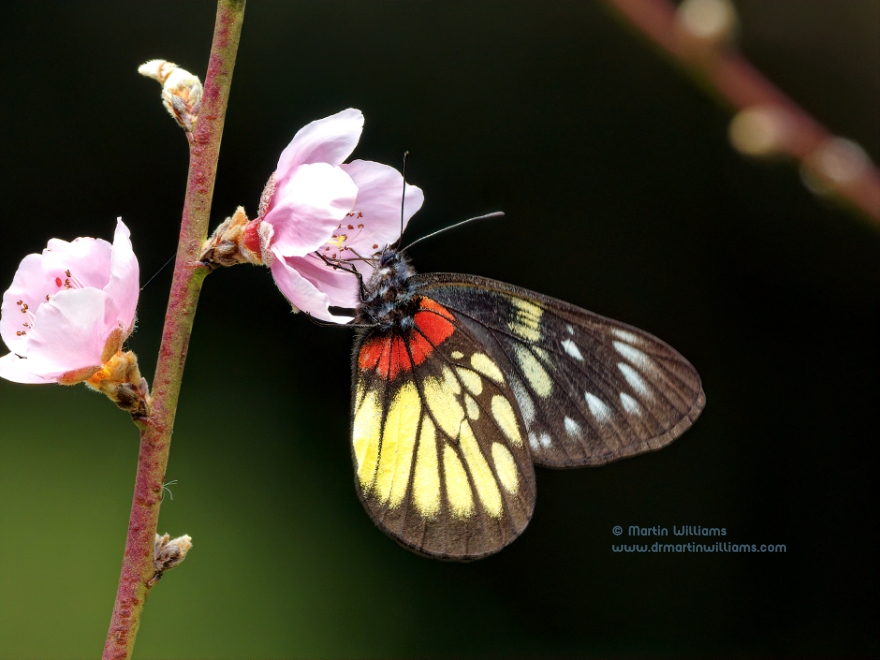
I’ve seen various social media posts and even a couple of media articles about large numbers of Red-base Jezebels Delias pasithoe in Hong Kong recently. It seems people especially notice them during cold spells, when many of these butterflies are grounded by the chill, maybe dying – though…
Weather including tropical cyclones
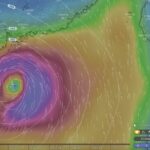
Tropical Cyclone Ma-on Headed for Hong Kong
25 August 2022 (evening) update: Ma-on took a track somewhat south and west of earlier forecasts; passed within 200km of Hong as a severe tropical storm early this morning. So, “no biggie”. Quite dry while it passed Hong Kong too, with intermittent showers; though still some heavy rain…

Severe Typhoon Mangkhut highlights perils of massive reclamation by Lantau
Typhoon Mangkhut helped show “storm surge” is a threat to modern cities, not just something for the history books. On 7 September, the Post published an opinion piece by me (“What Kansai airport flooding can teach Hong Kong about the perils of reclamation amid climate change”), saying the disaster…
Hong Kong conservation
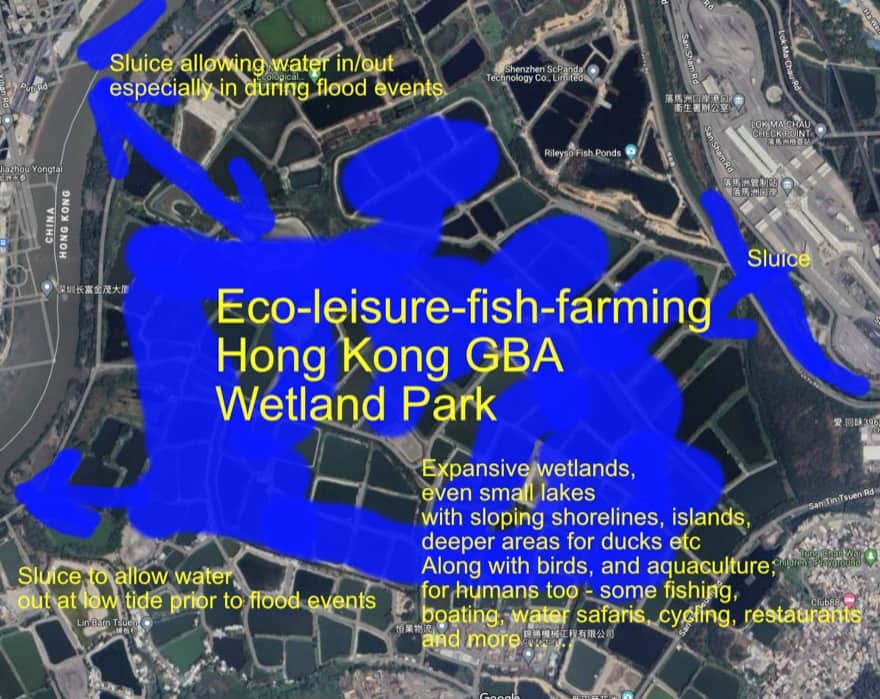
One of the best arguments for protecting the San Tin fish ponds area – rather than destroying a large area to build the San Tin Technopole – should be mitigating flooding risk, including in downtown Shenzhen, which is also on the Shenzhen River floodplain. Yes, the Shenzhen River…
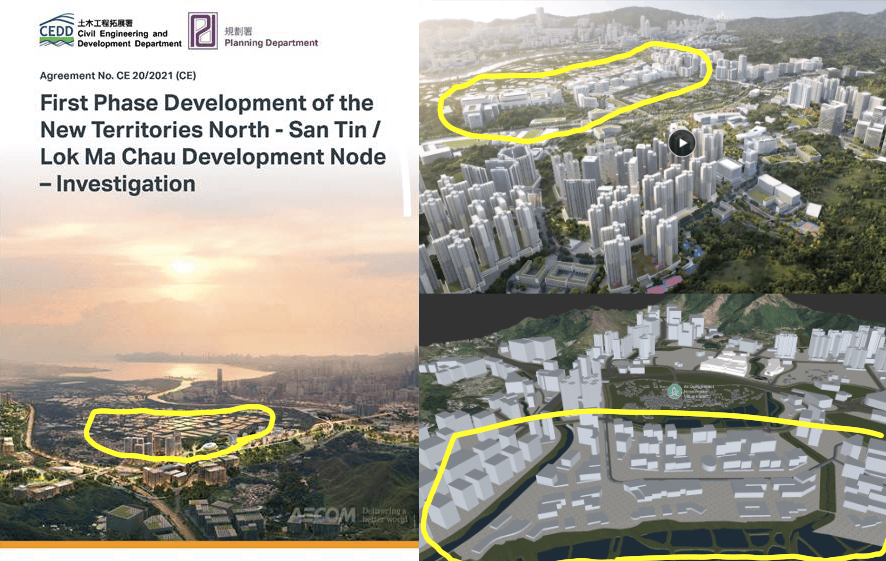
The period for commenting on the EIA for Agreement No. CE 20/2021 (CE) First Phase Development of the New Territories North – San Tin / Lok Ma Chau Development Node – Investigation – to give it the official name – ends tomorrow, 2 March 2024 as I post. I’ve commented:…

Though Shalotung is less than 4km from the hustle and bustle of Tai Po Market – around the same distance as Central to Causeway, should a kite care to fly direct – it seems a remote place, hidden away in the hills. The only road to it is…
HK Outdoors photo galleries
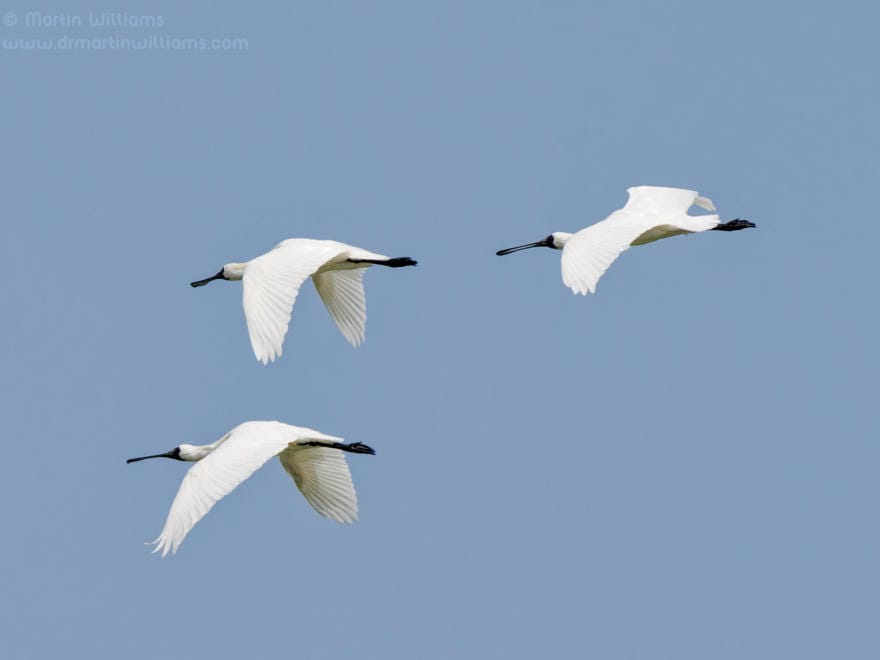
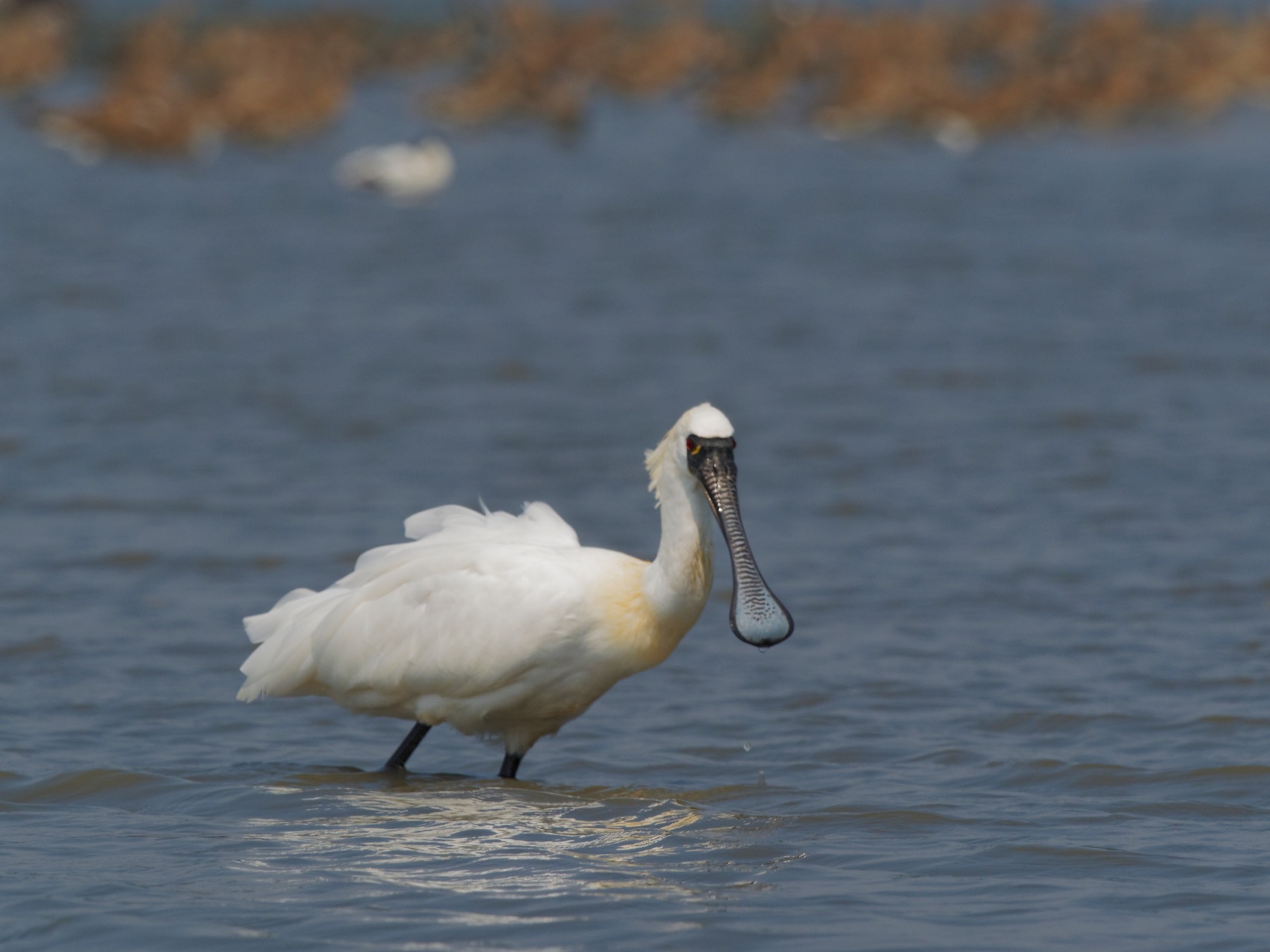
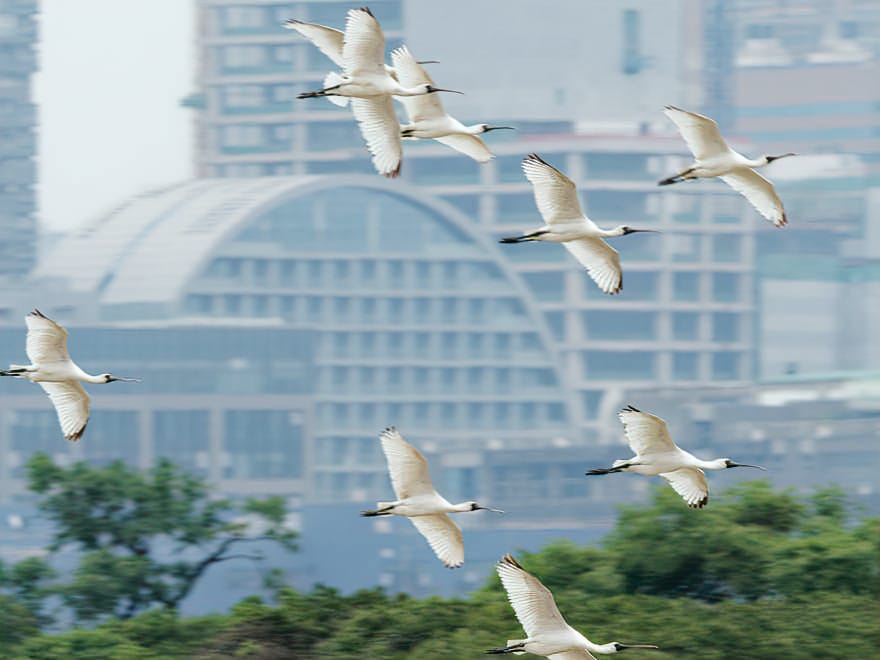
← Black-faced Spoonbills
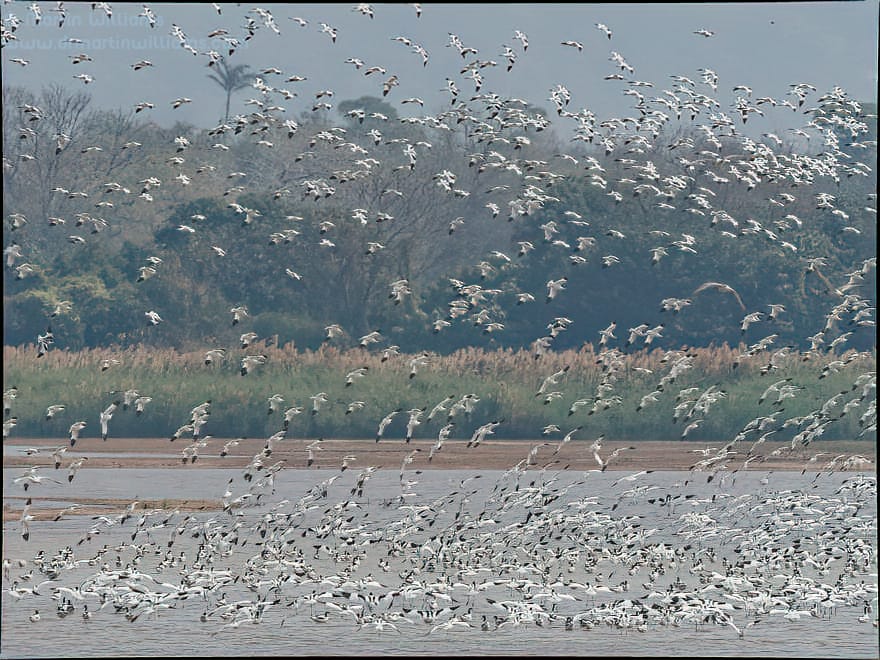
- Pied Avocets, at Mai Po scrape during high tide in winter
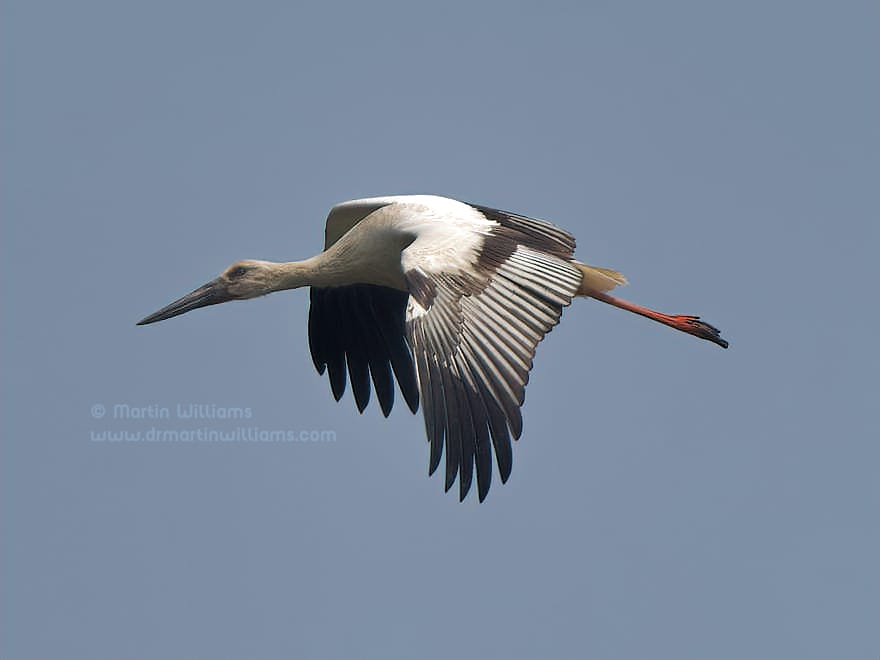
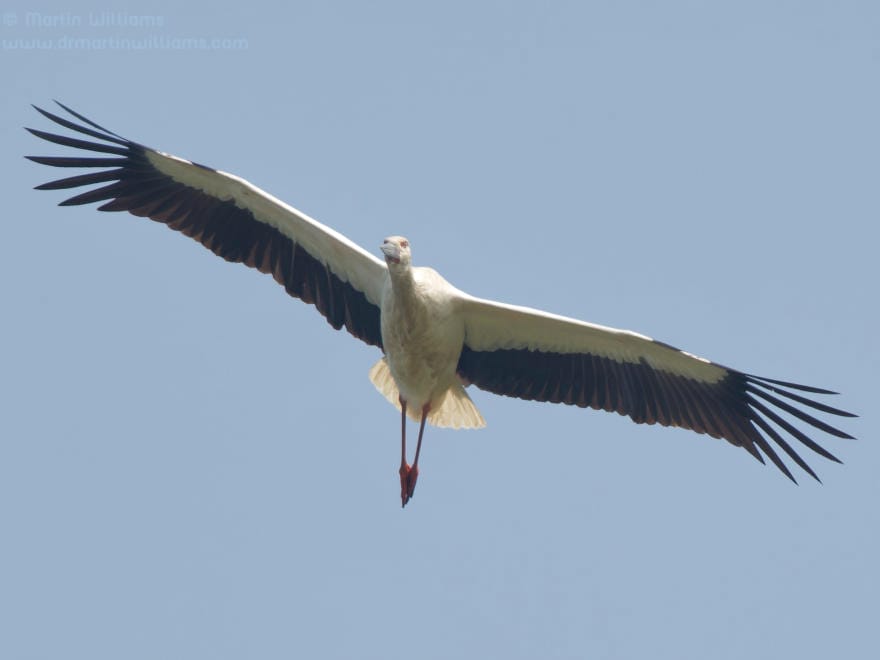
- Oriental Stork
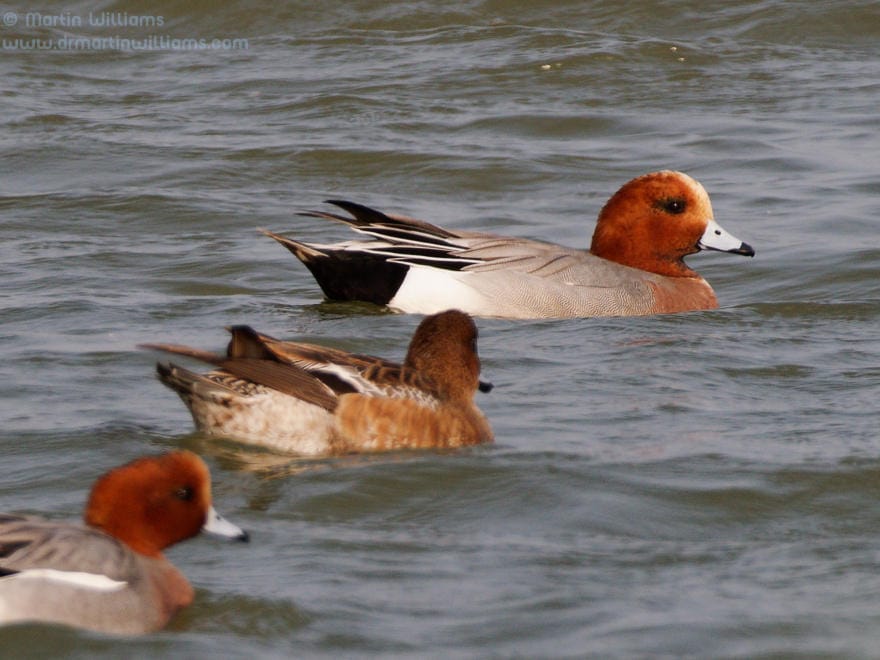
- Eurasian Wigeon
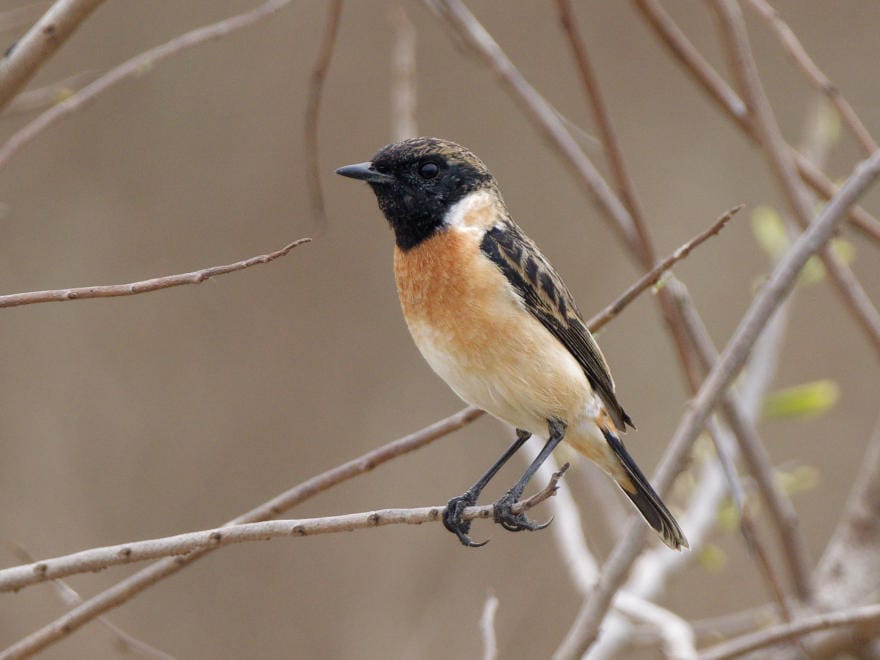
- Amur Stonechat
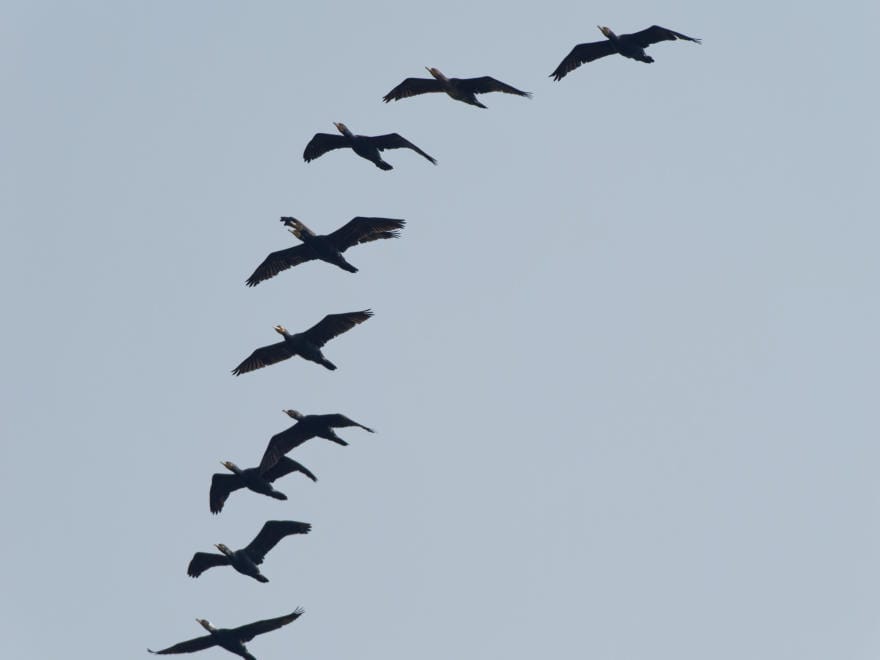
- Great Cormorants
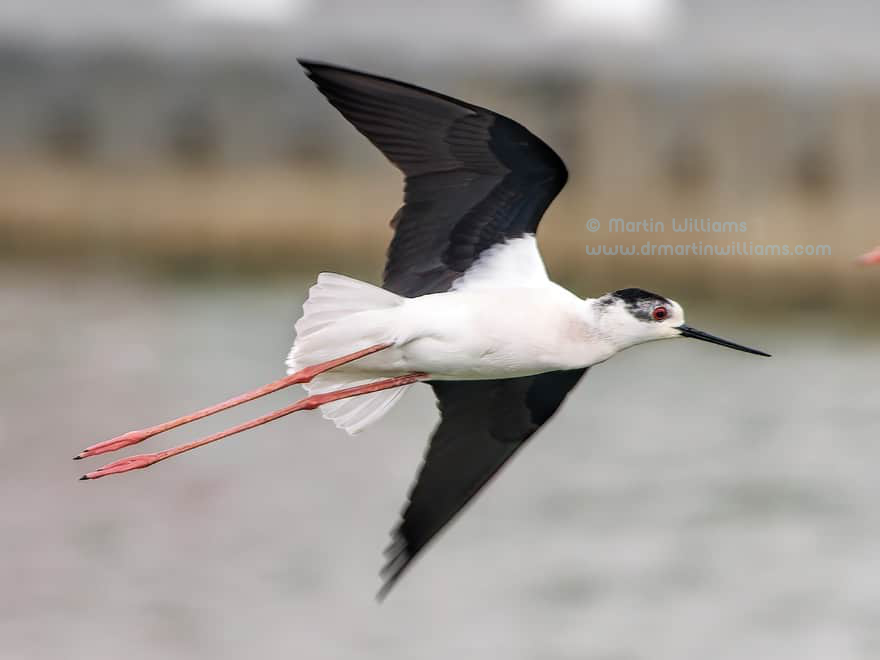
- Black-winged Stilt flight
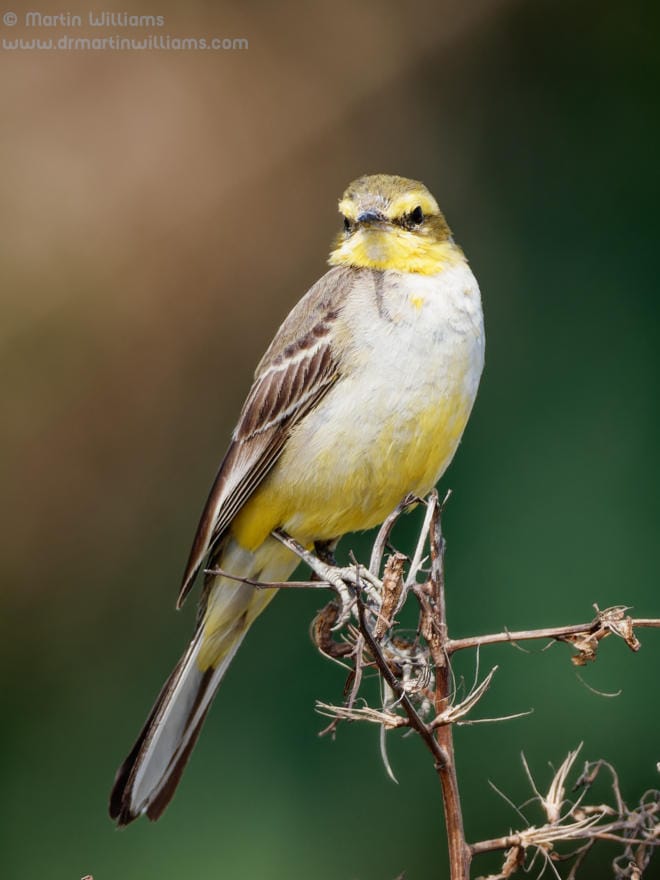
- Eastern Yellow Wagtail
- Relict Gull, Mai Po
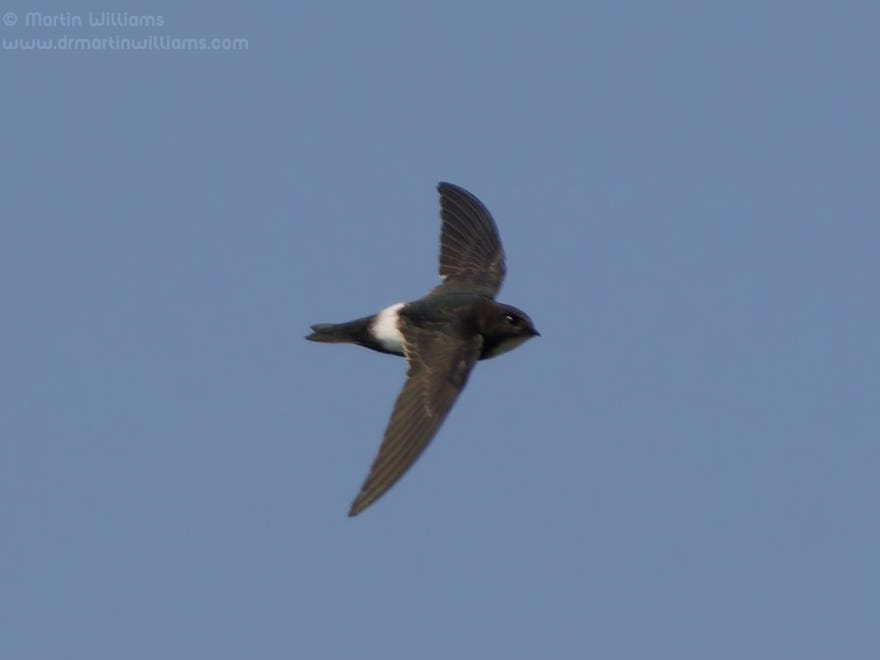
- House Swift
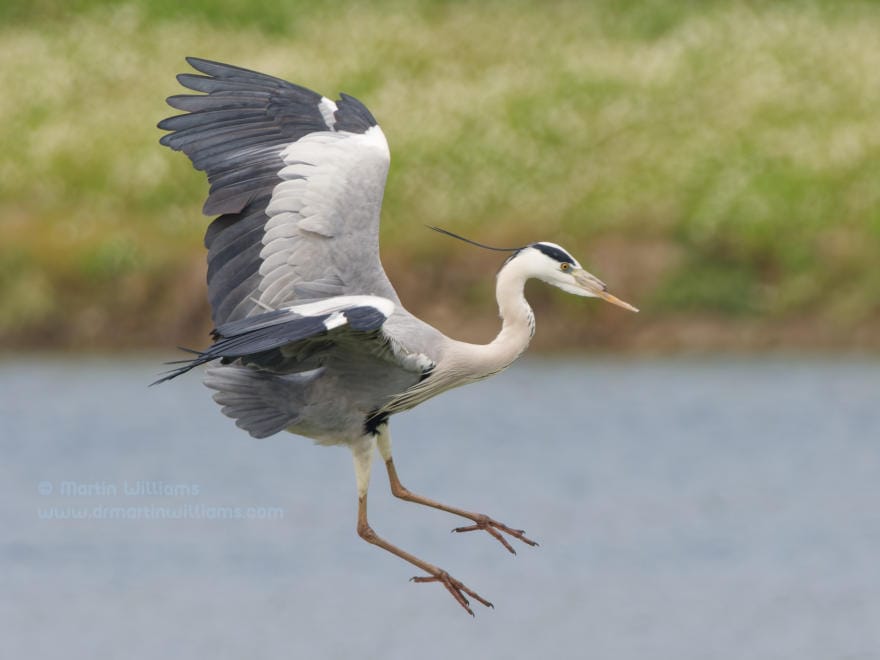
- Grey Heron
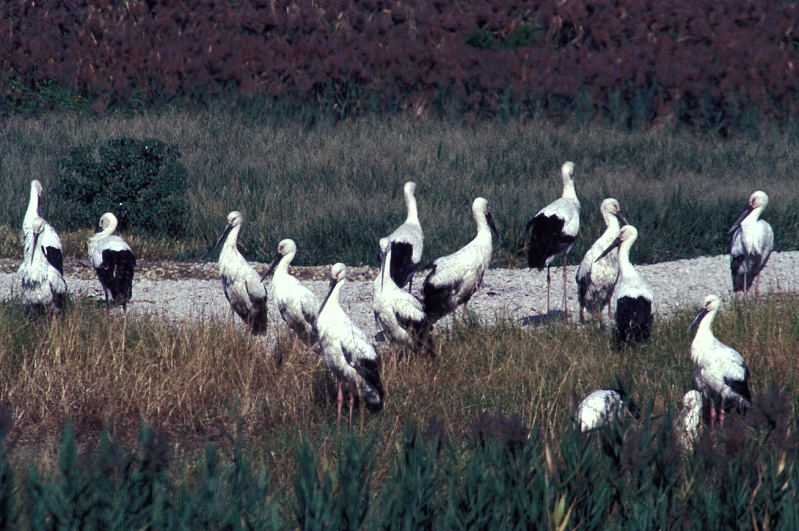
- Oriental Storks at Mai Po, Dec 1990
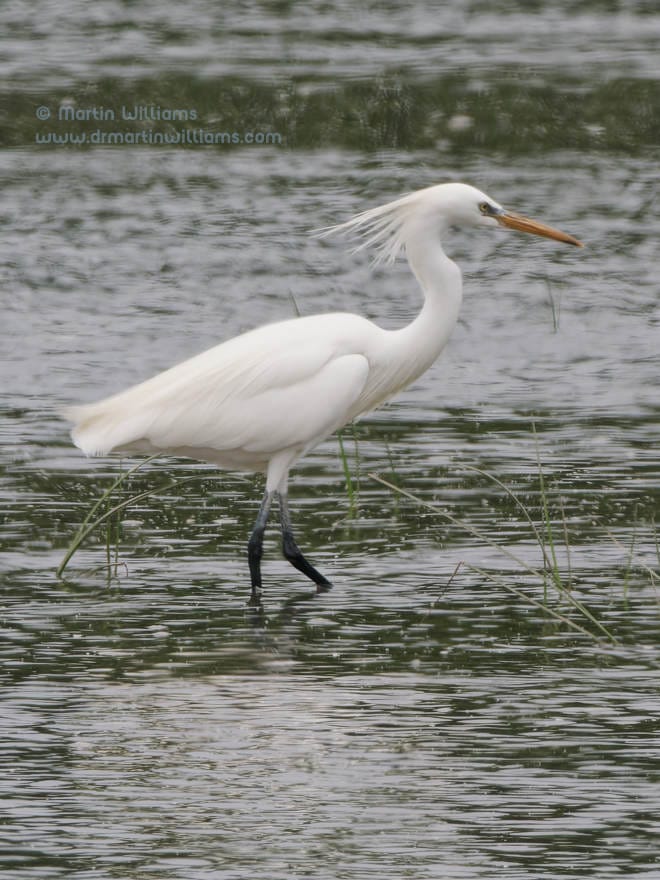
- Chinese Egret, Mai Po
- Oriental Pratincole
- Collared Dove
- Great Cormorant
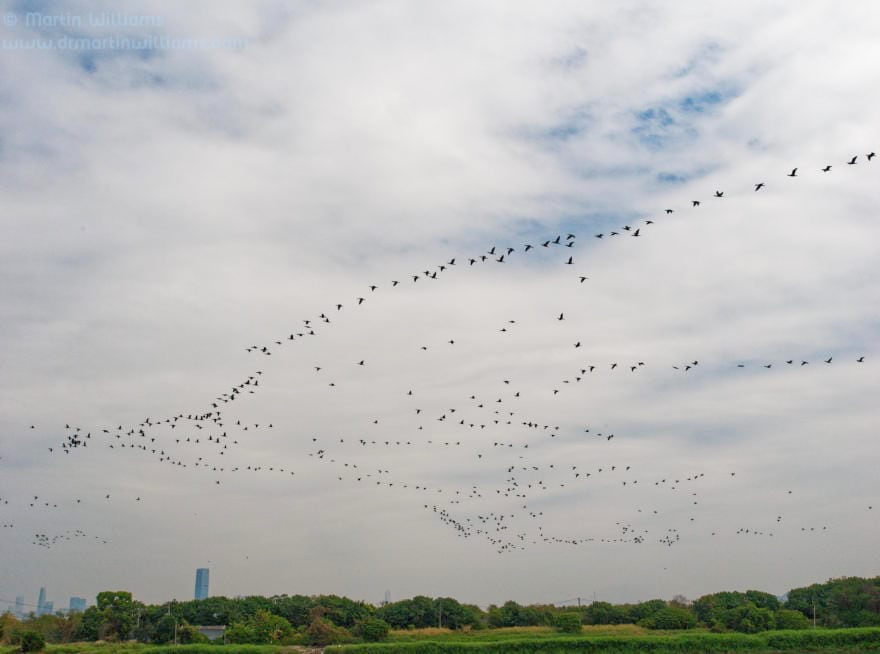
- Great Cormorants heading to mouth of Deep Bay; Shenzhen beyond
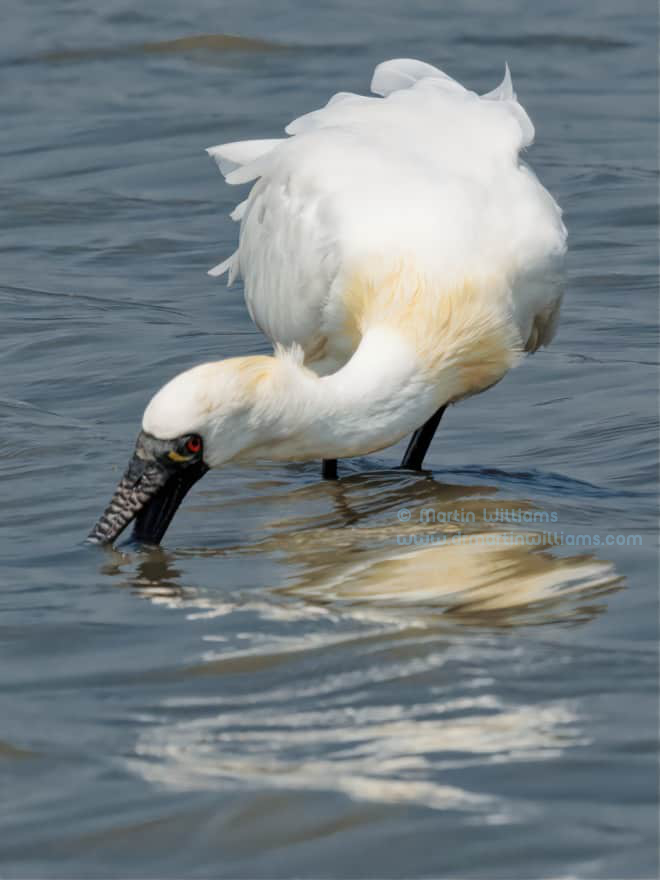
- Black-faced Spoonbill and reflection
- Great Cormorants
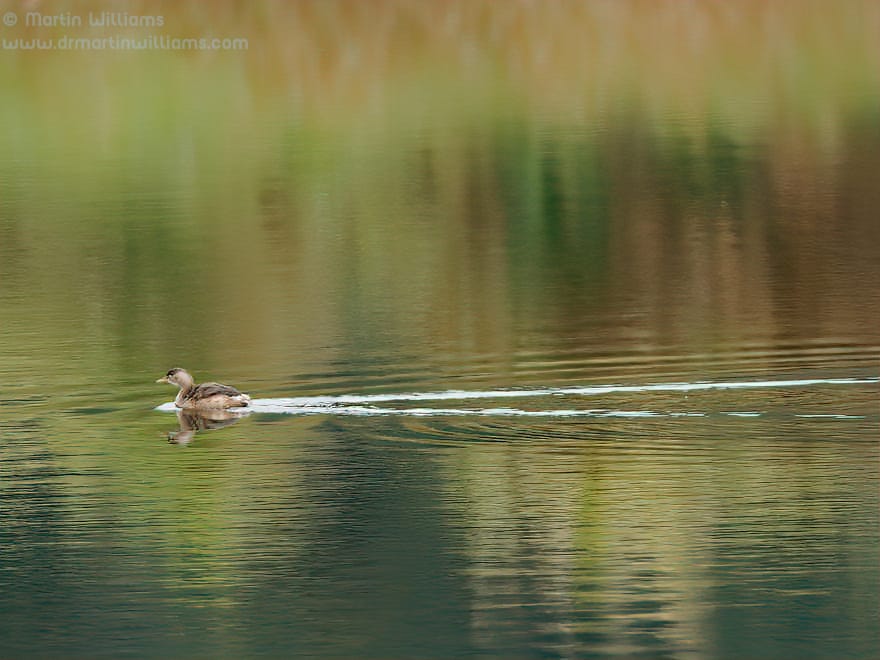
- Little Grebe
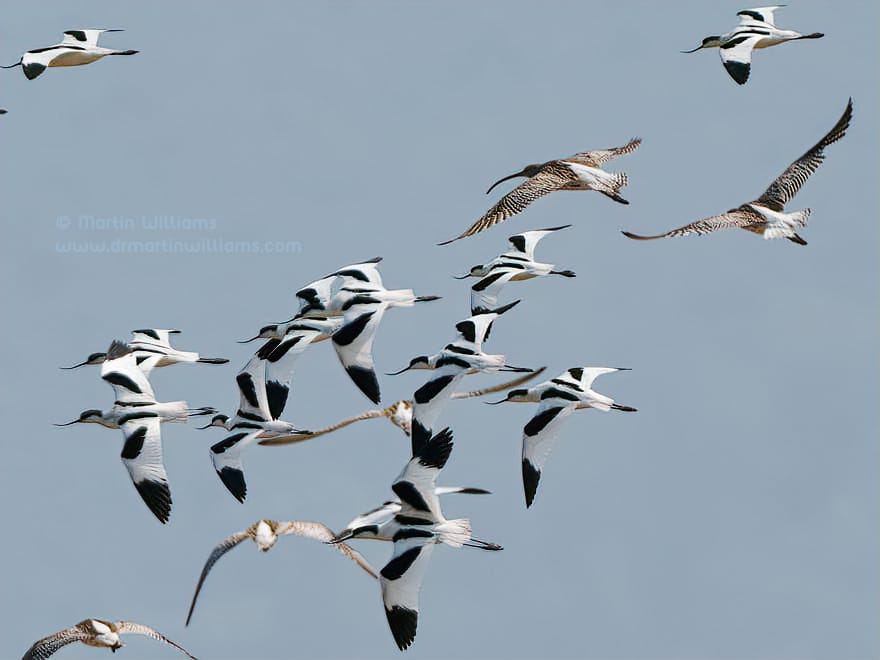
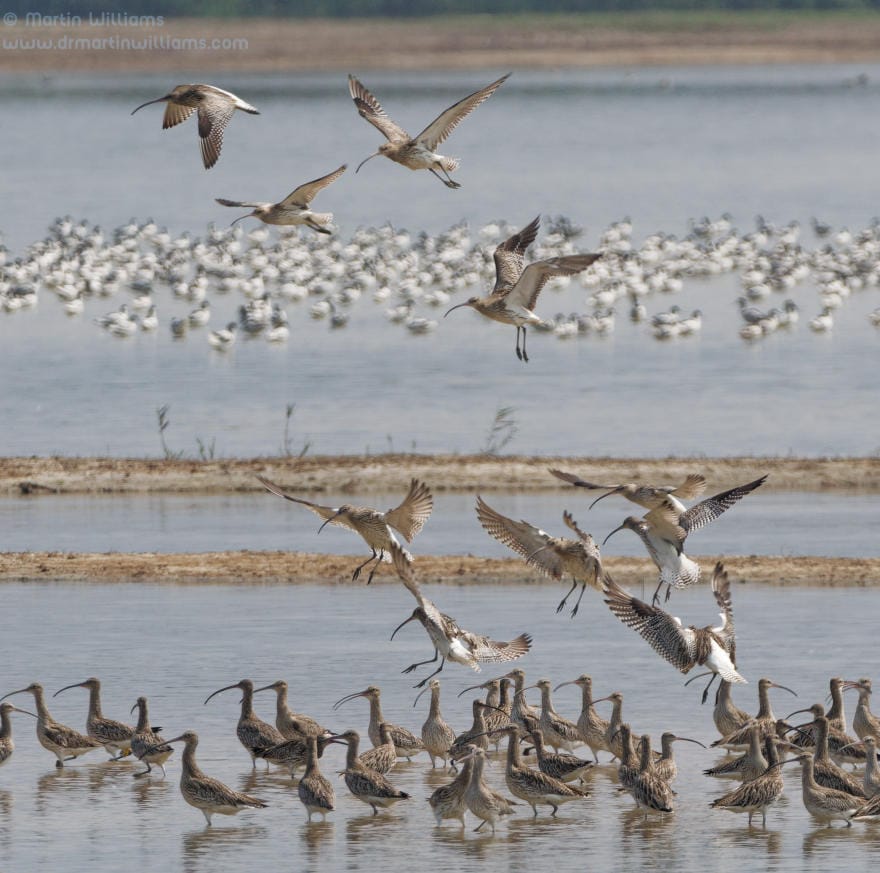
- Pied Avocets and Eurasian Curlew
- Great Cormorants
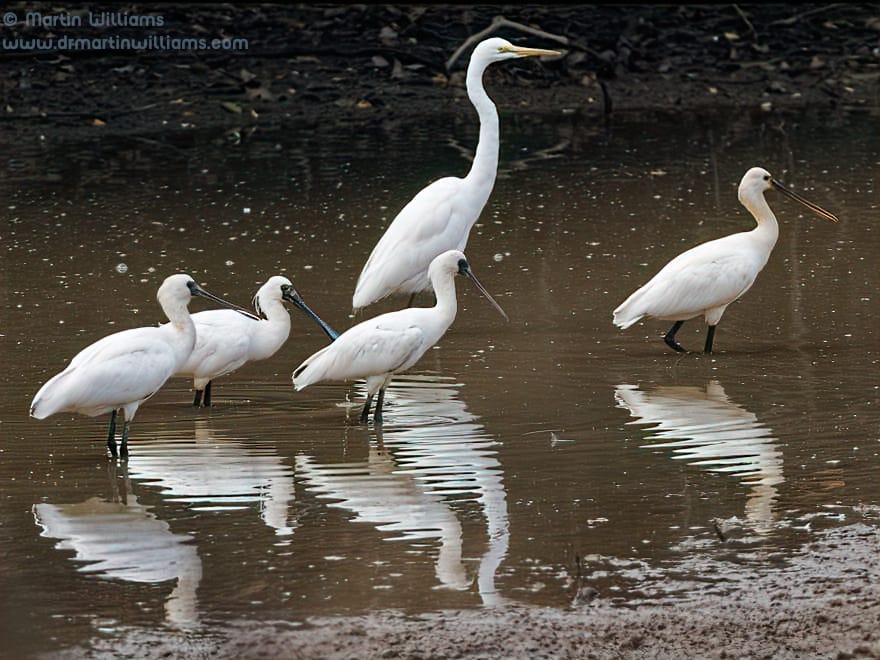
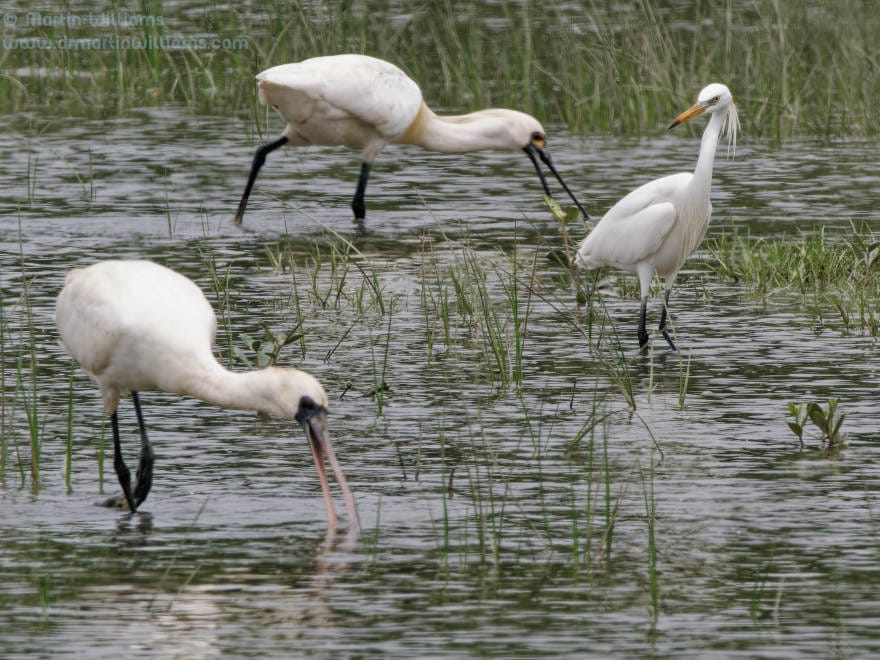
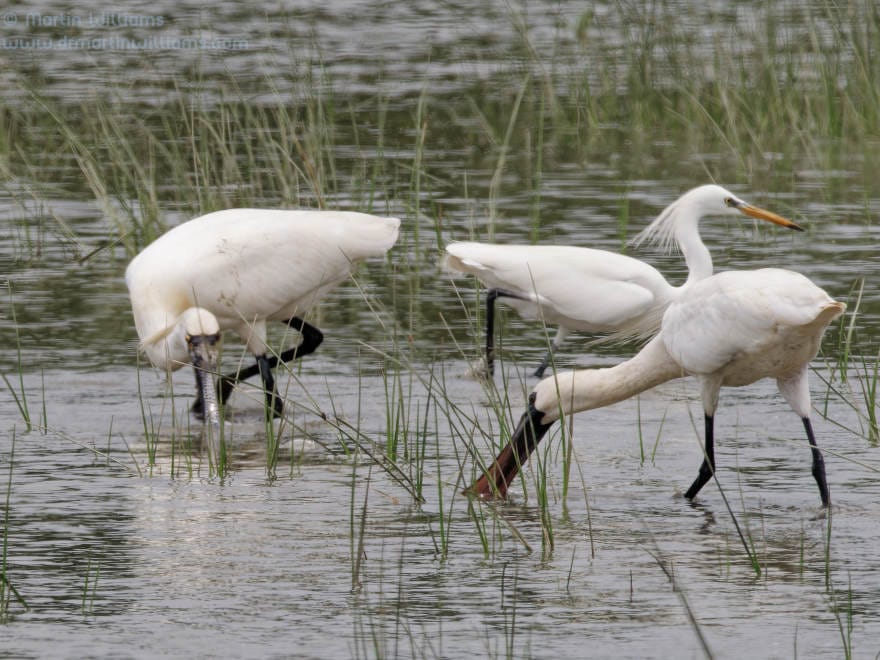
- Black-faced and European Spoonbills w Great Egret
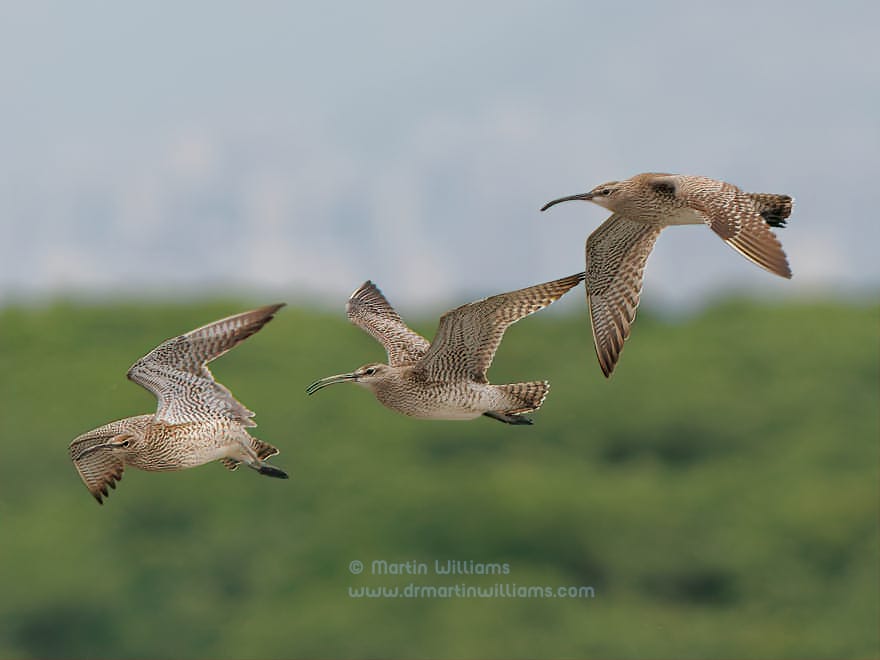
- Three Whimbrel, Mai Po
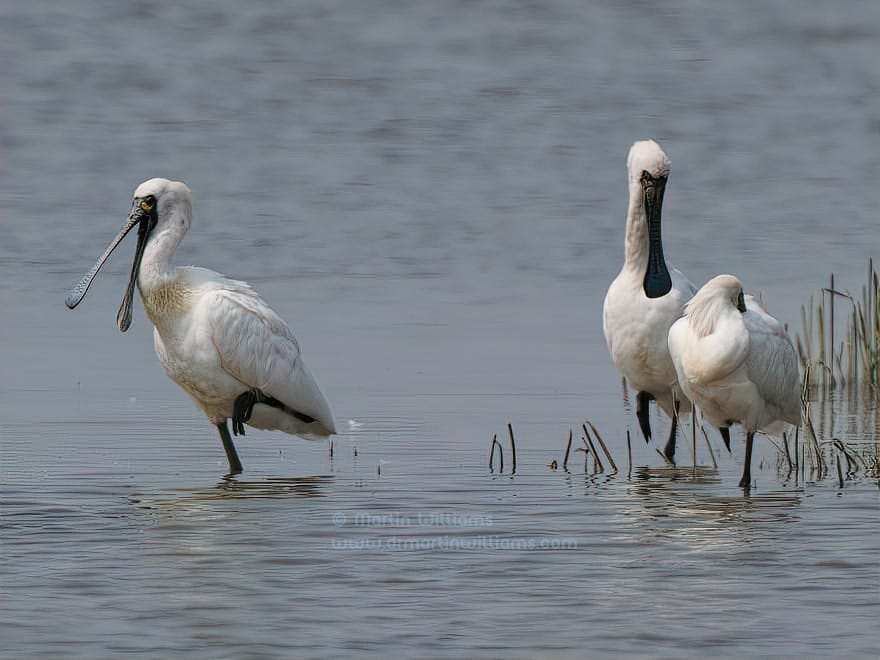
- Black-faced Spoonbills
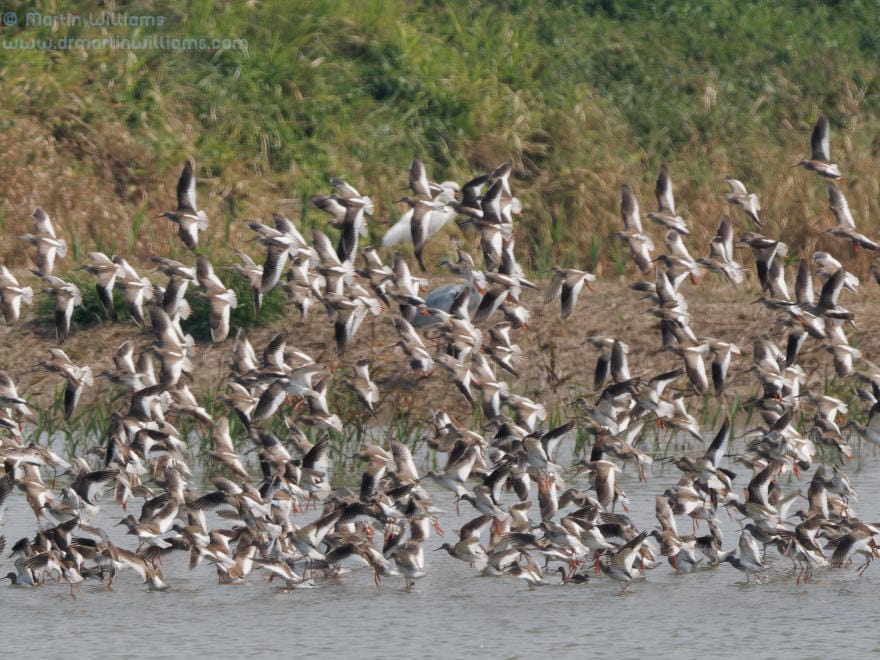
- Common Redshank
- Oriental Stork
- Eurasian Curlew
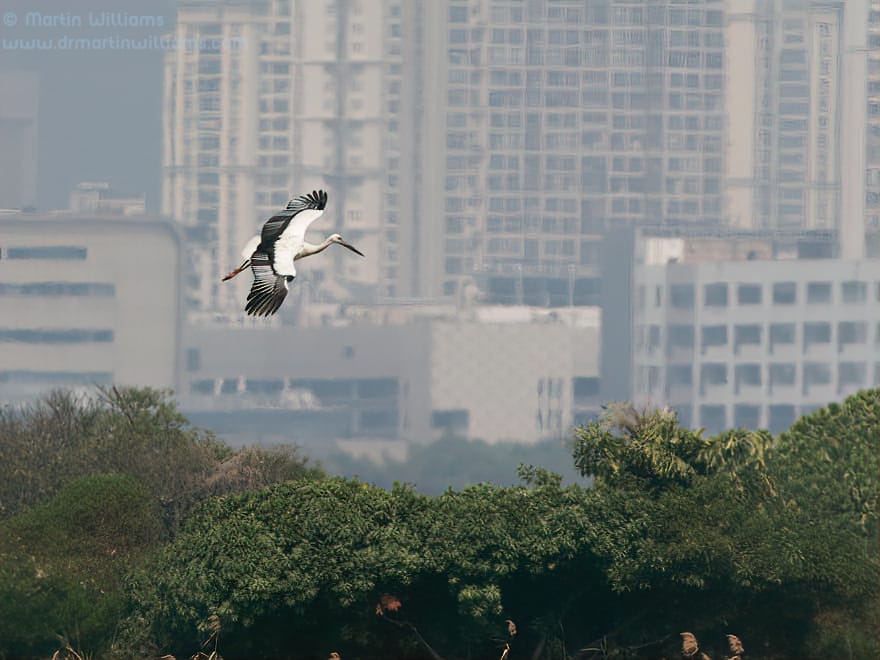
- Oriental Stork, w Shenzhen beyond
- Osprey
- Pied Avocets
- Pied Kingfisher
- Greater Spotted Eagle
- Chinese Egret and Black-faced Spoonbill, Mai Po
- Olive-backed Pipit
- Great Cormorant at San Tin, Shenzhen building beyond
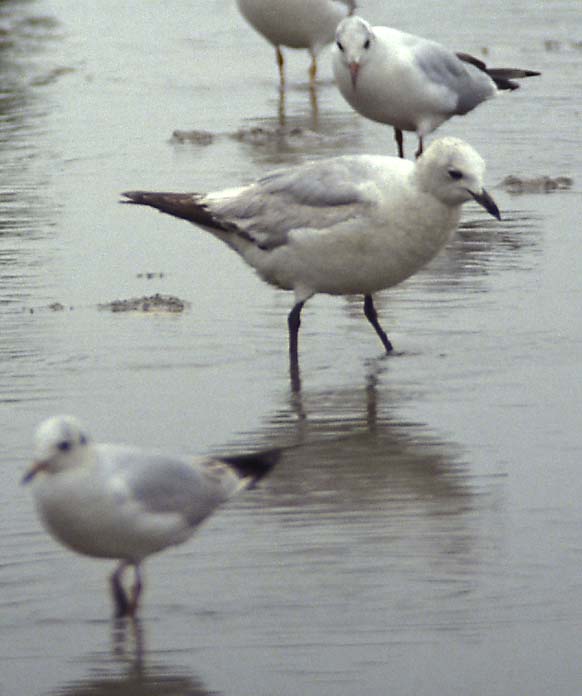
- Great Black-headed and Common Black-headed Gulls
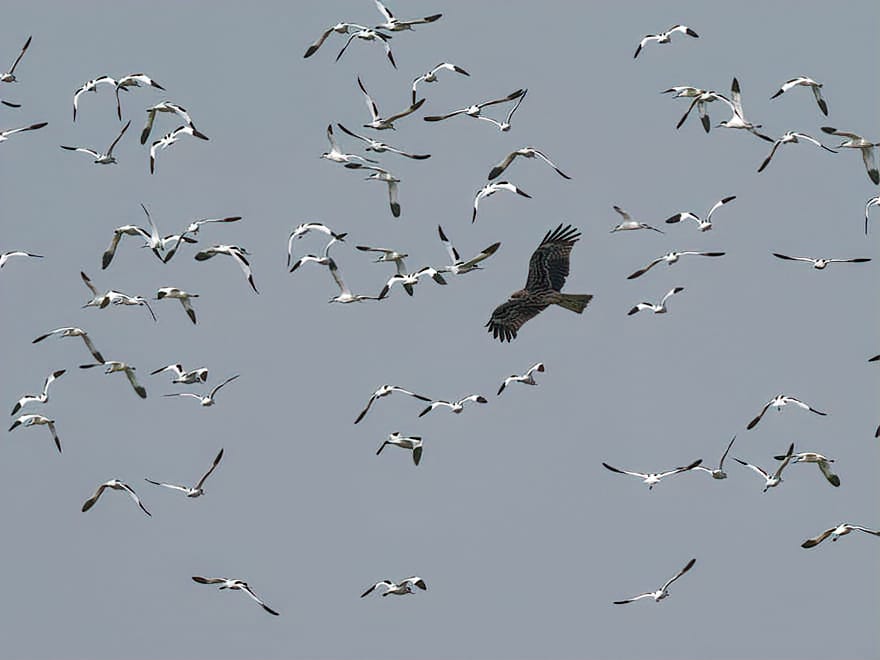
- Black Kite and Pied Avocets
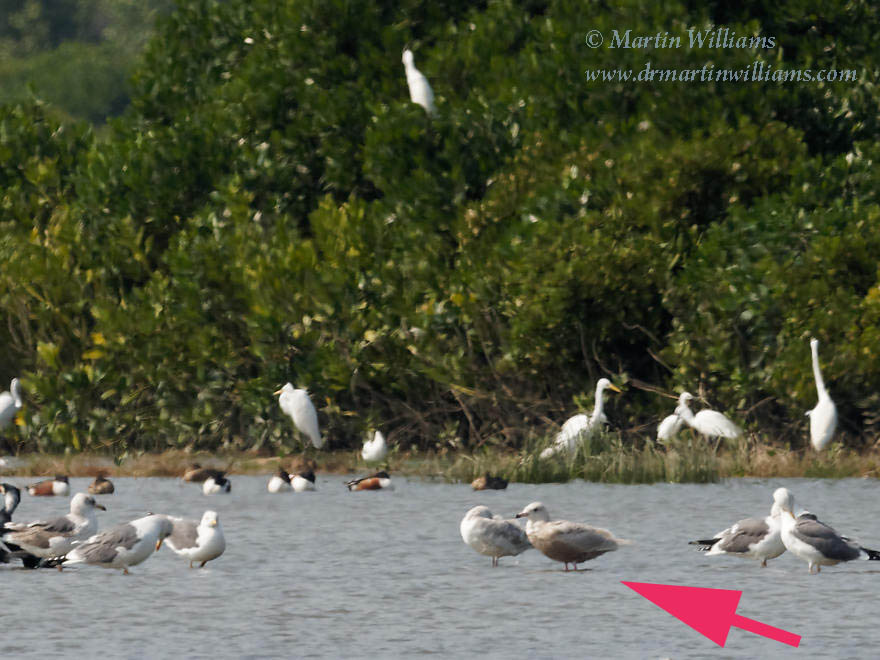
- Glaucous Gull, Deep Bay
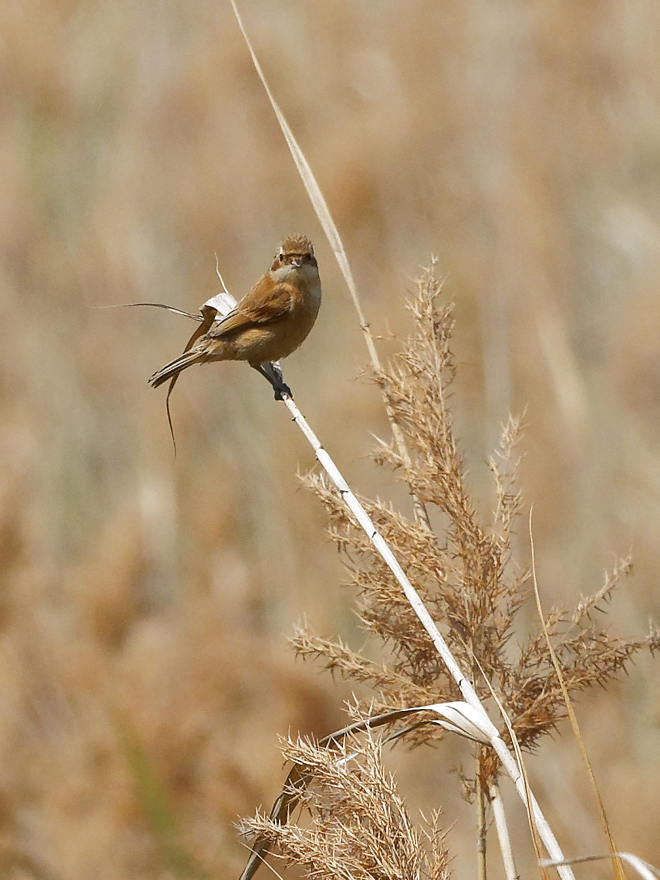
- Chinese Penduline Tit
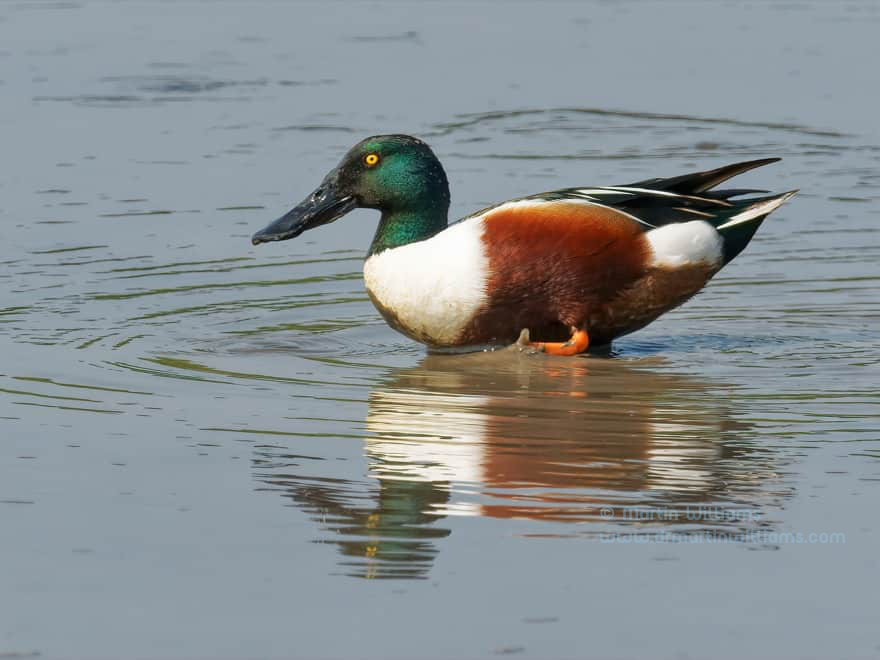
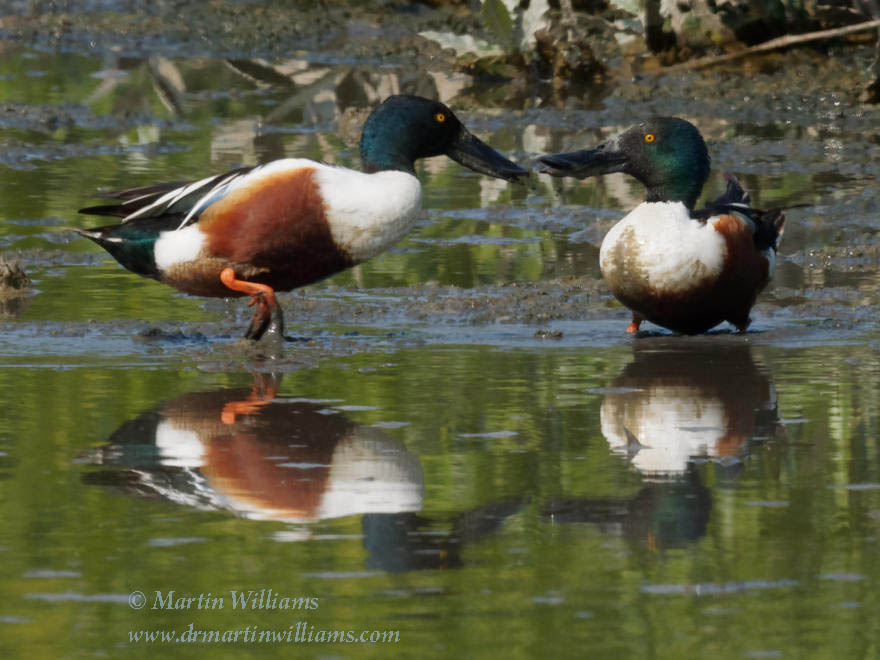
- Drake Northern Shoveler and reflection
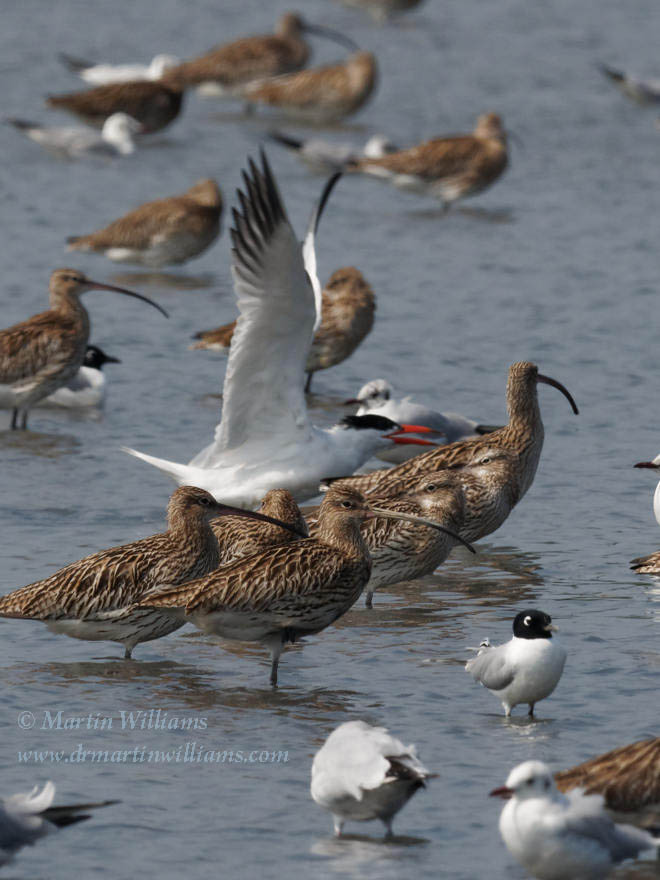
- Caspian Tern and Eurasian Curlew
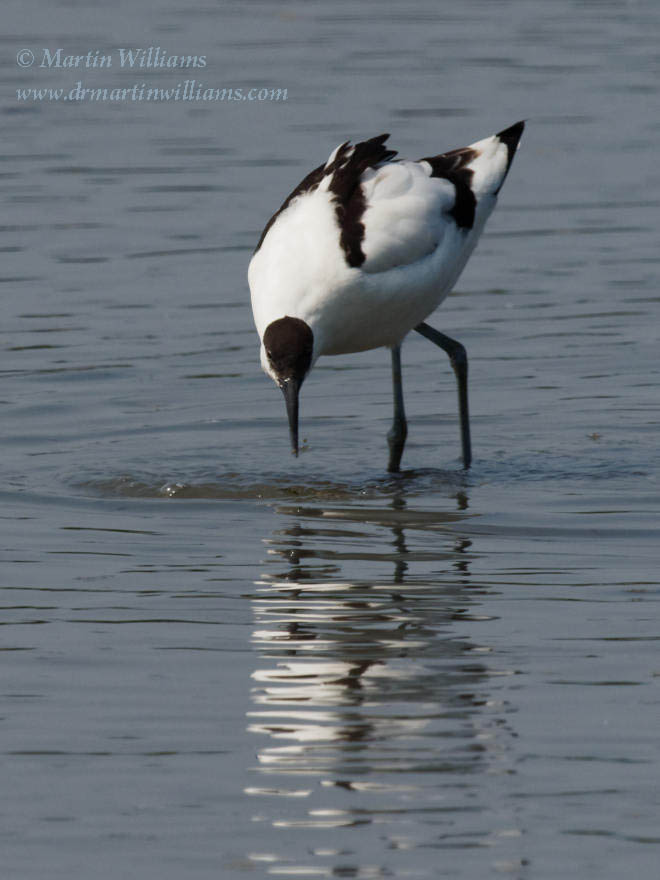
- Pied Avocet
- Northern Shoveler
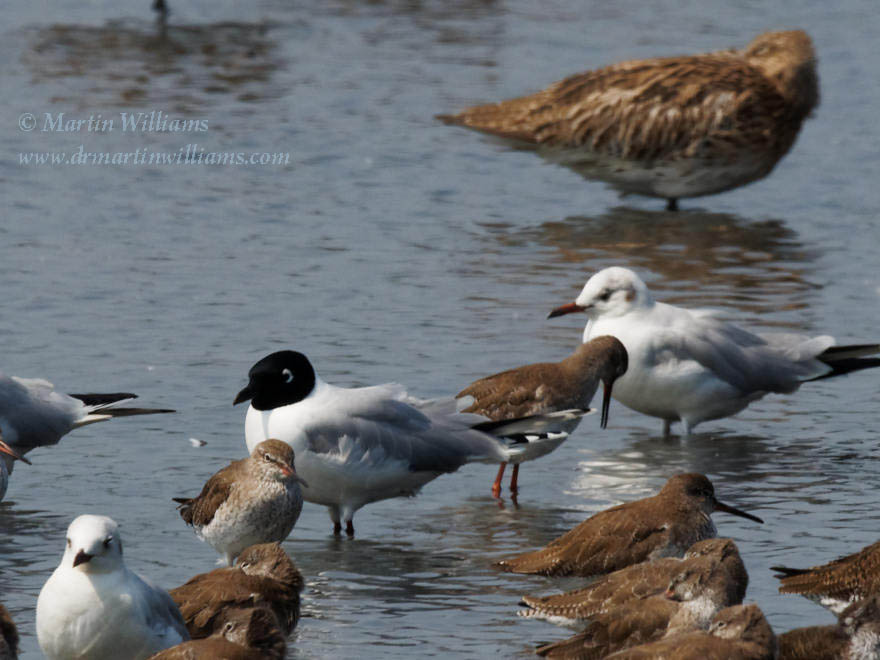
- Saunders' Gull and friends
- Black-faced Spoonbill in Deep Bay
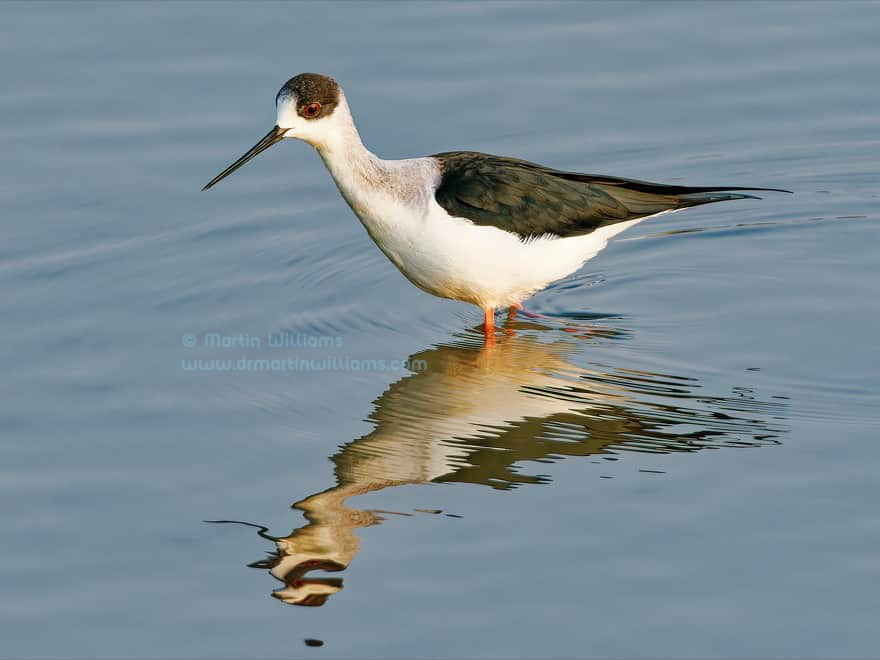
- Black-winged Stilt and reflection
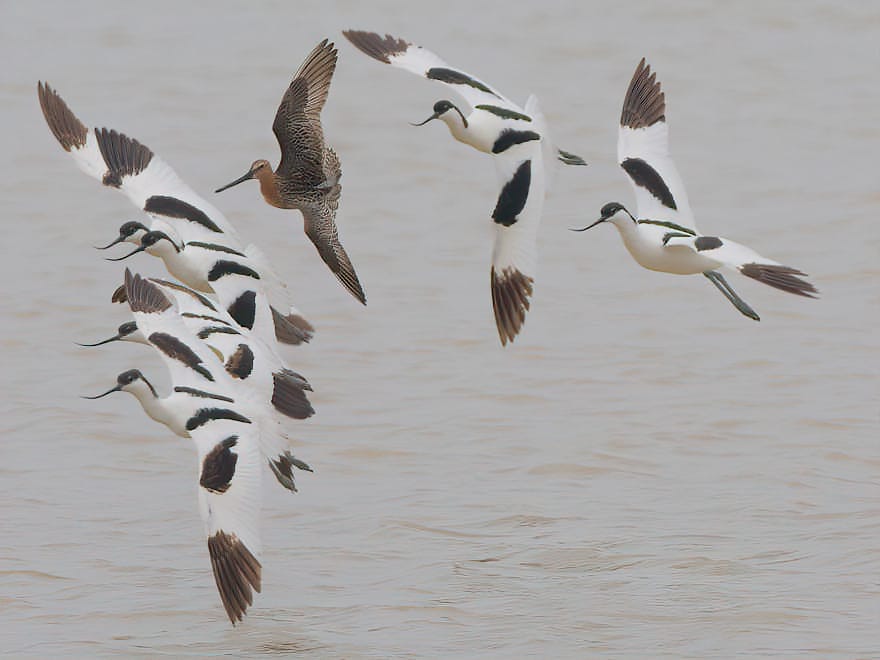
- Pied Avocets and Asian Dowitcher, Mai Po
- Chinese Egret and Black-faced Spoonbills, Deep Bay, Mai Po
- Black-faced Spoonbills with Shenzhen beyond
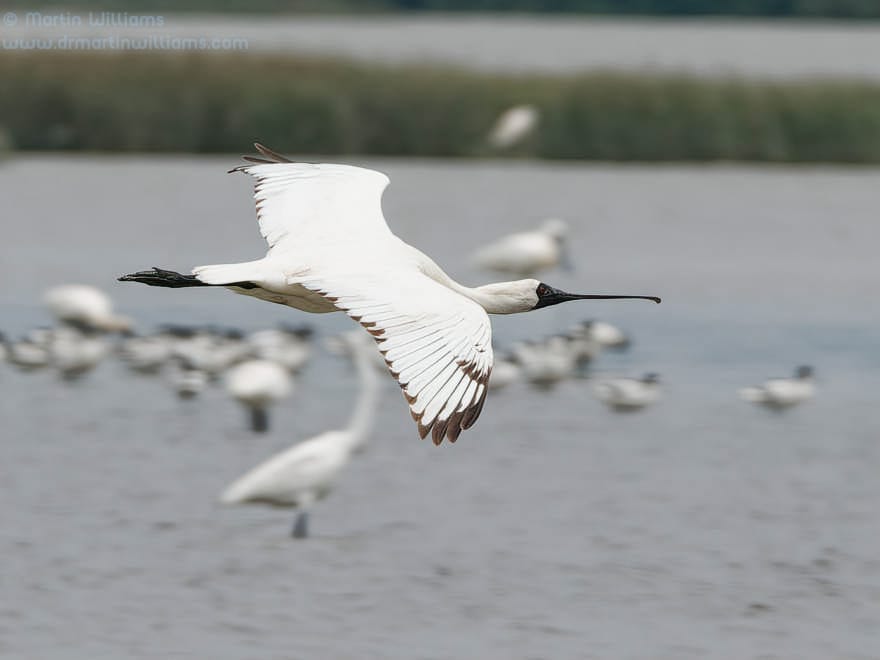
- Immature Black-faced Spoonbill, flight, Mai Po
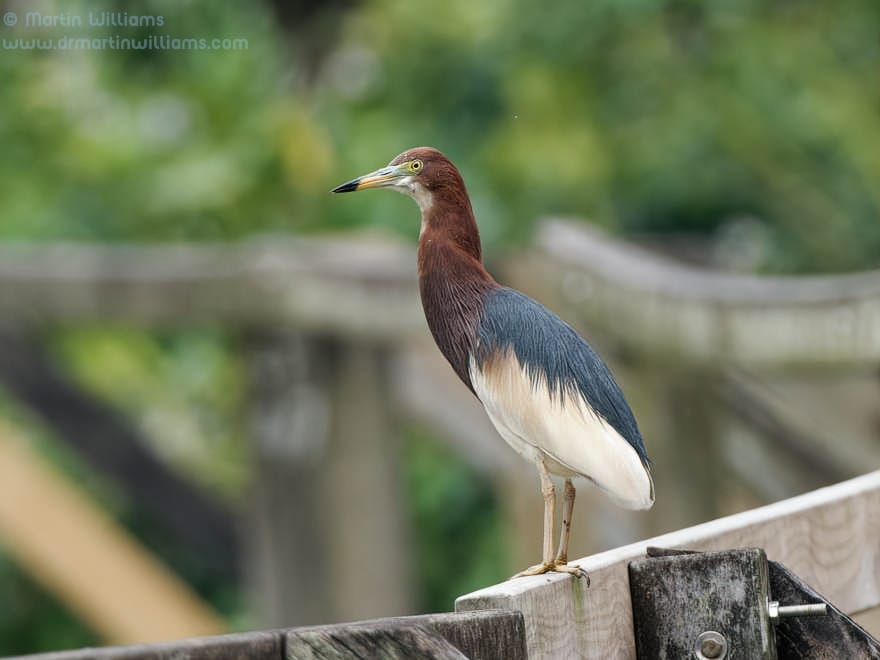
- Chinese Pond Heron
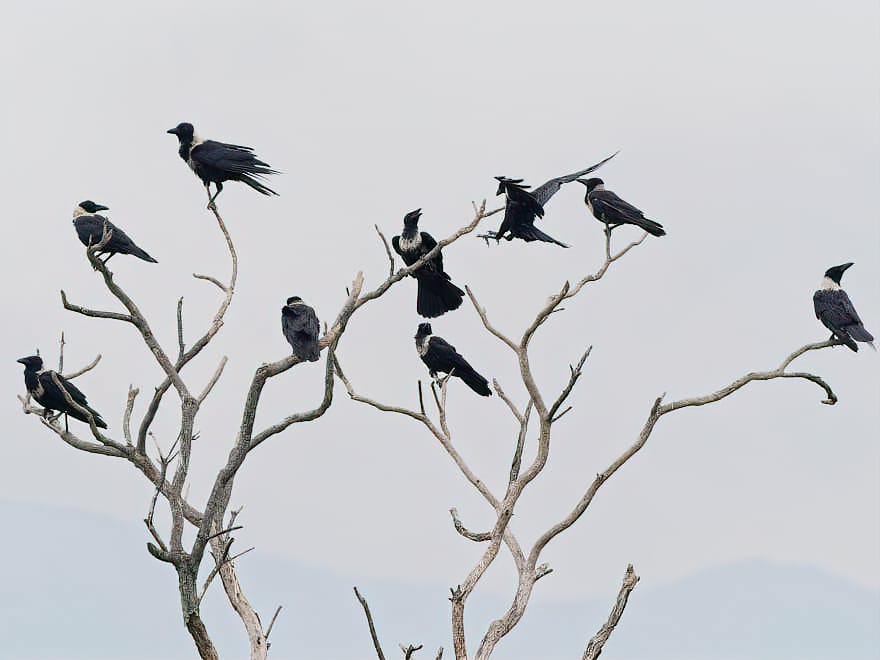
- Collared Crows, Mai Po
- Common Greenshank approaching, Mai Po
- Two Common Redshank landing
- Whimbrel, Mai P
- Pied Kingfisher
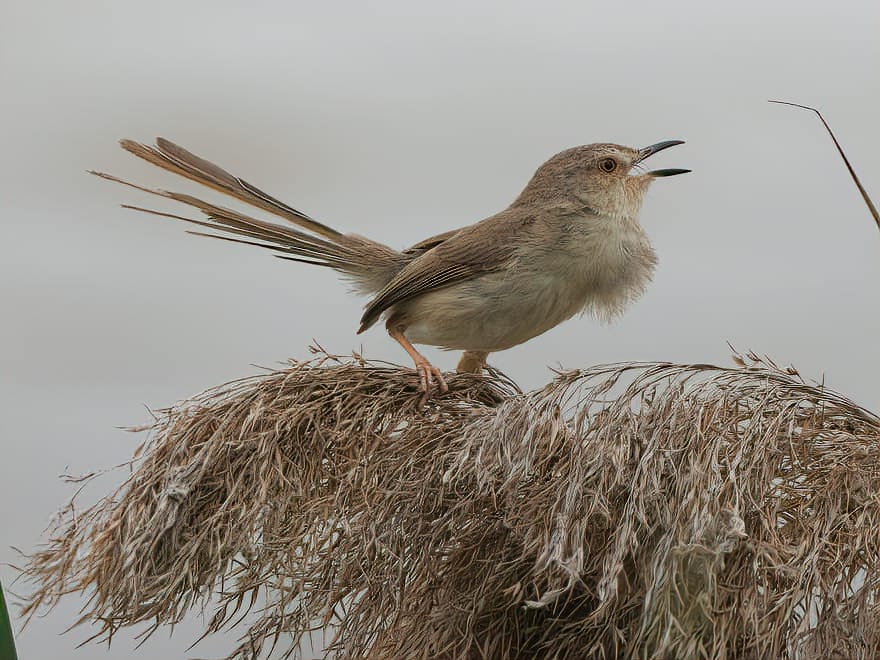
- Plain Prinia, Mai Po
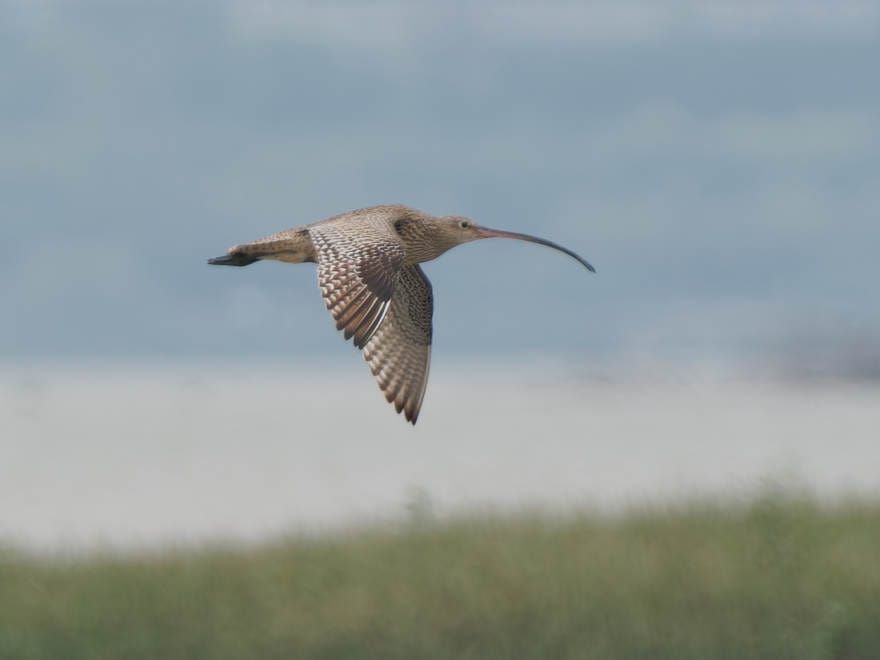
- Eastern Curlew, Mai Po
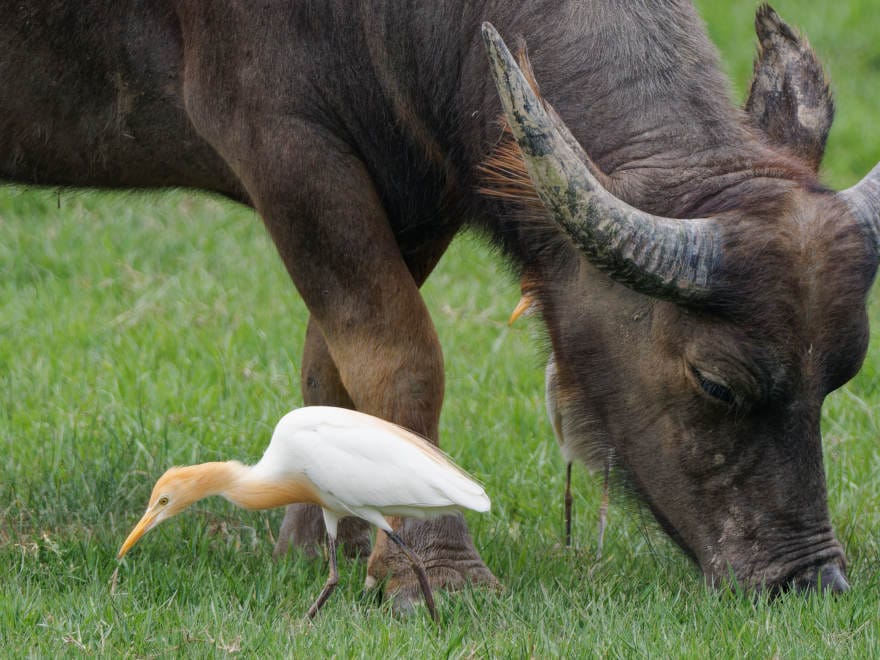
- Cattle Egret and water buffalo, Mai Po
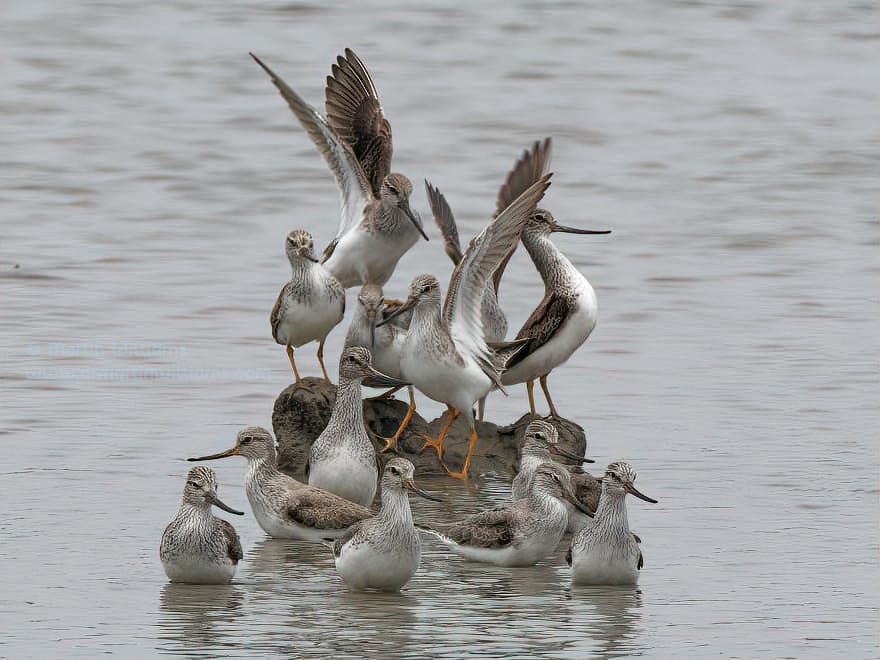
- Terek Sandpipers clustered at high tide, Mai Po
- Black-faced Spoonbills and Chinese Egret
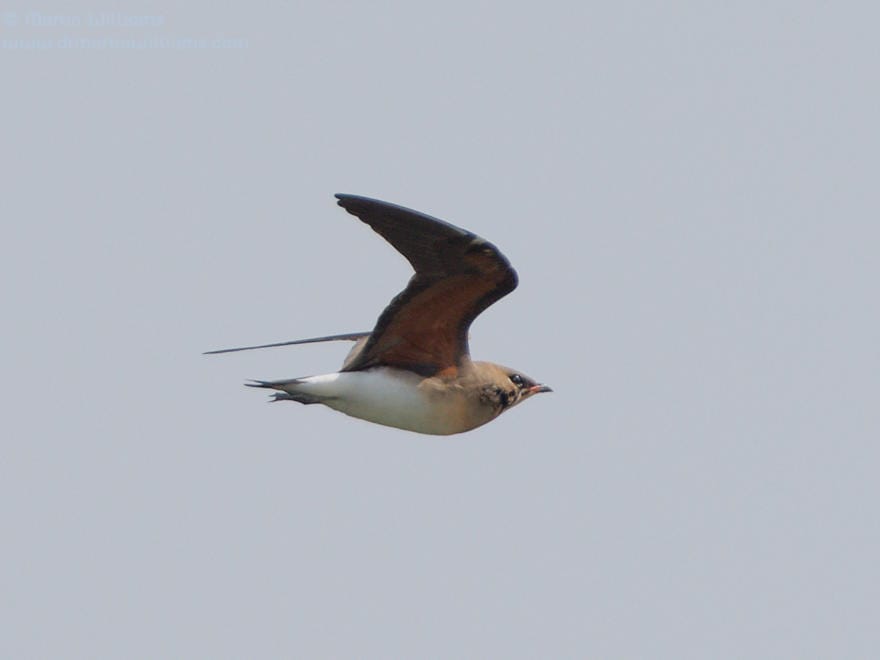
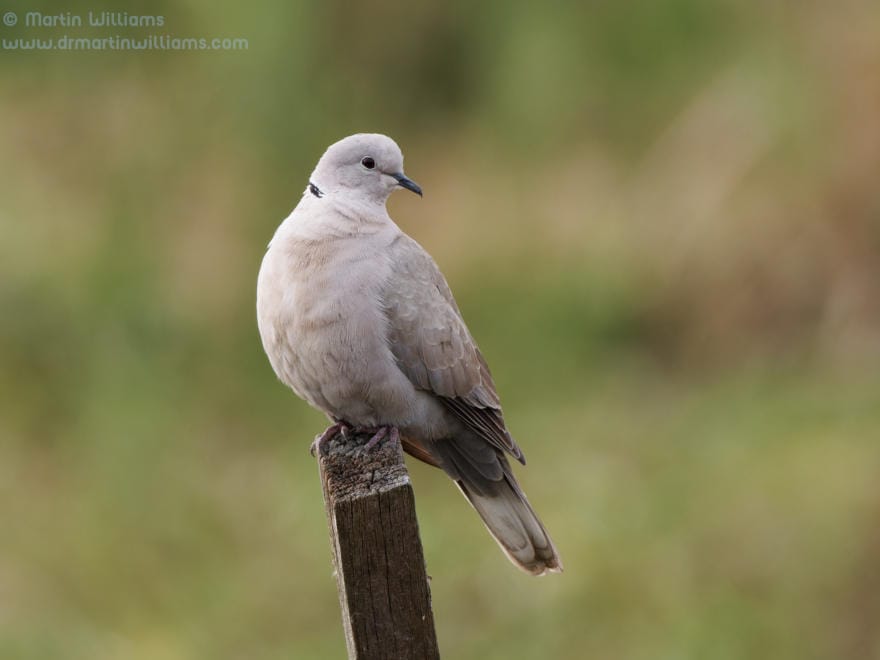
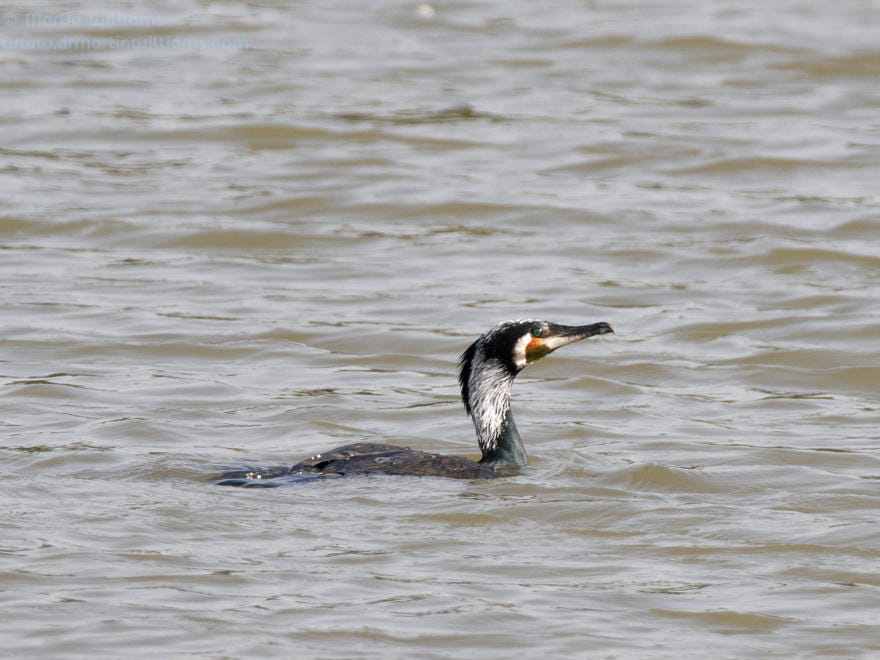
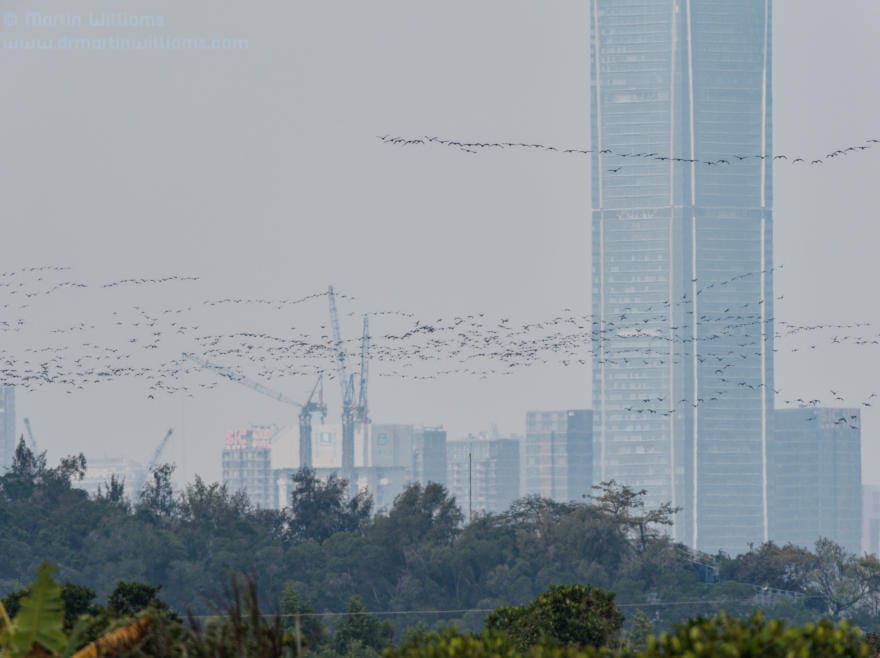
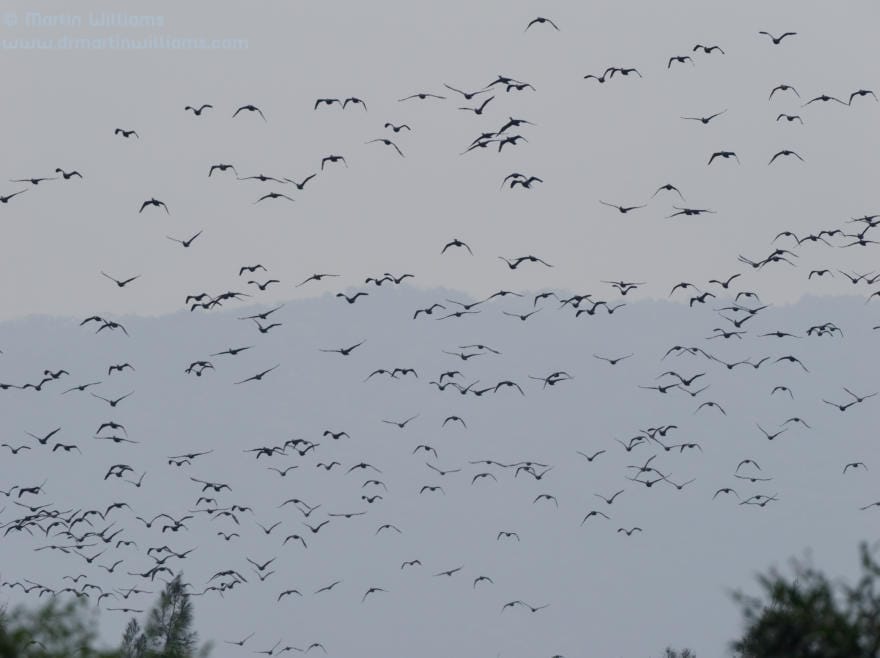
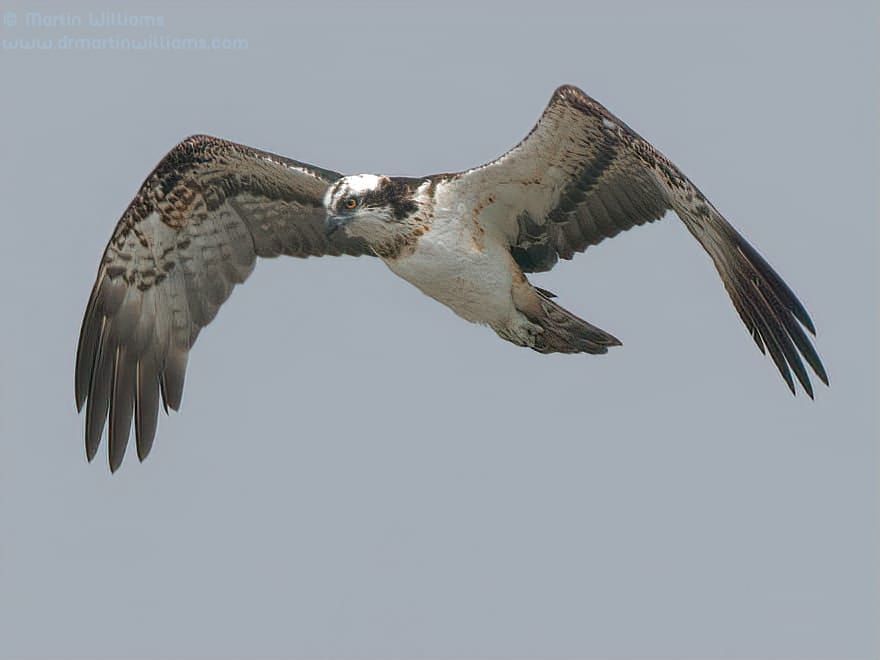
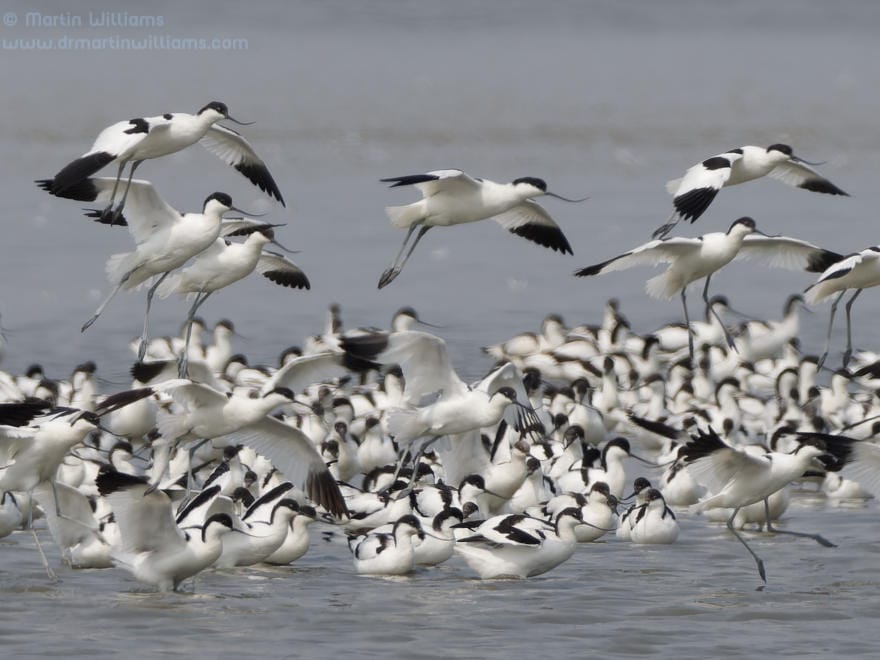
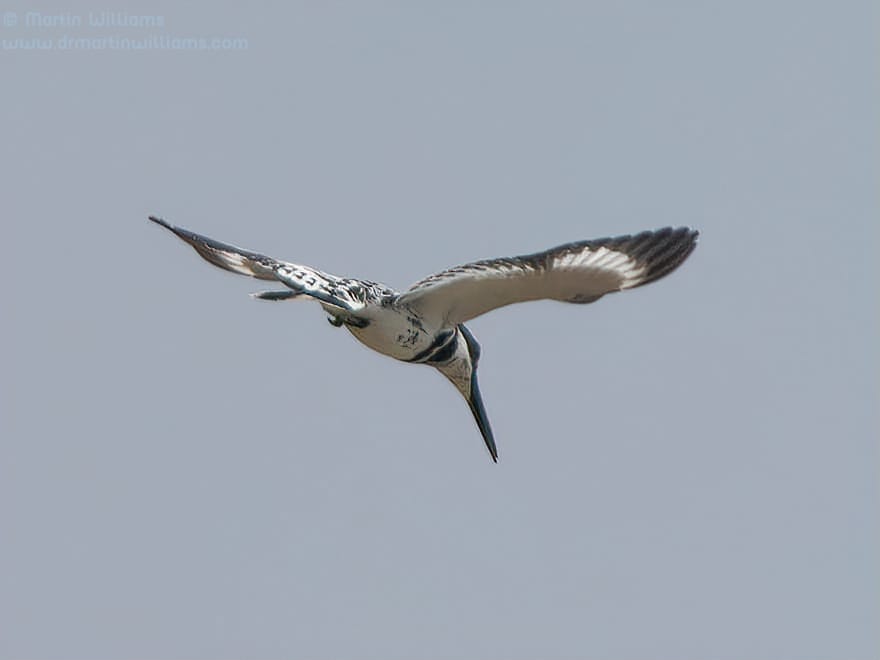
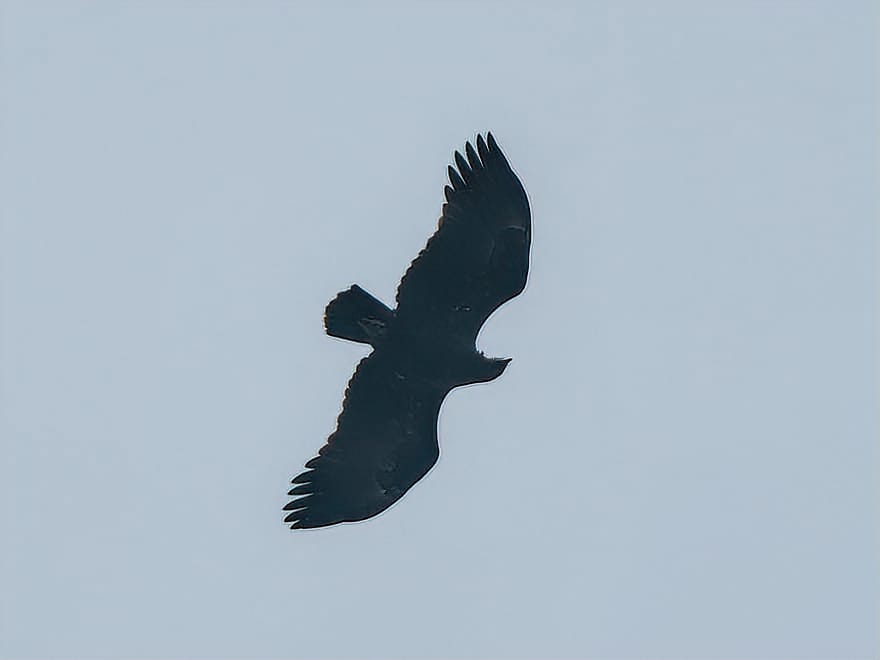
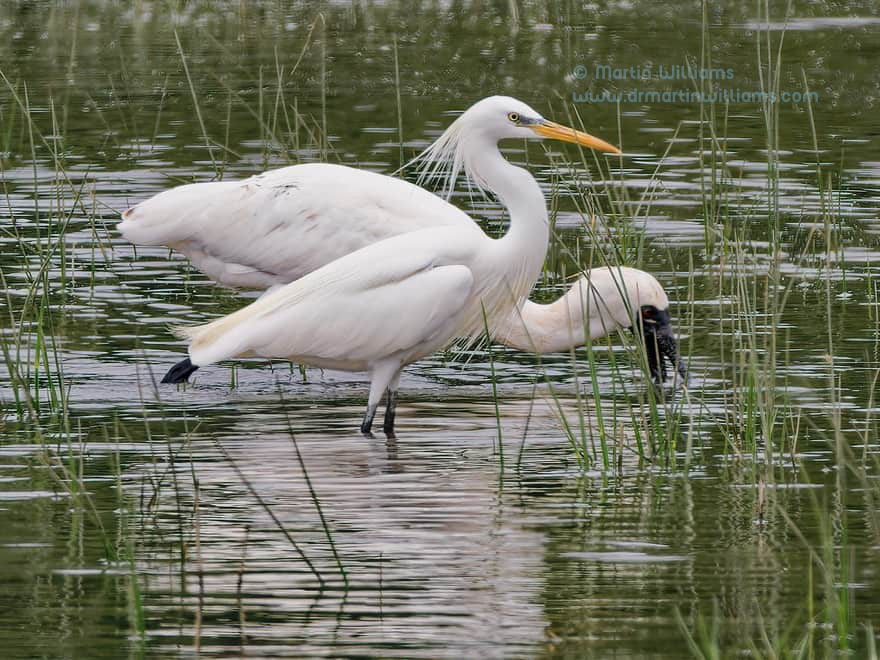
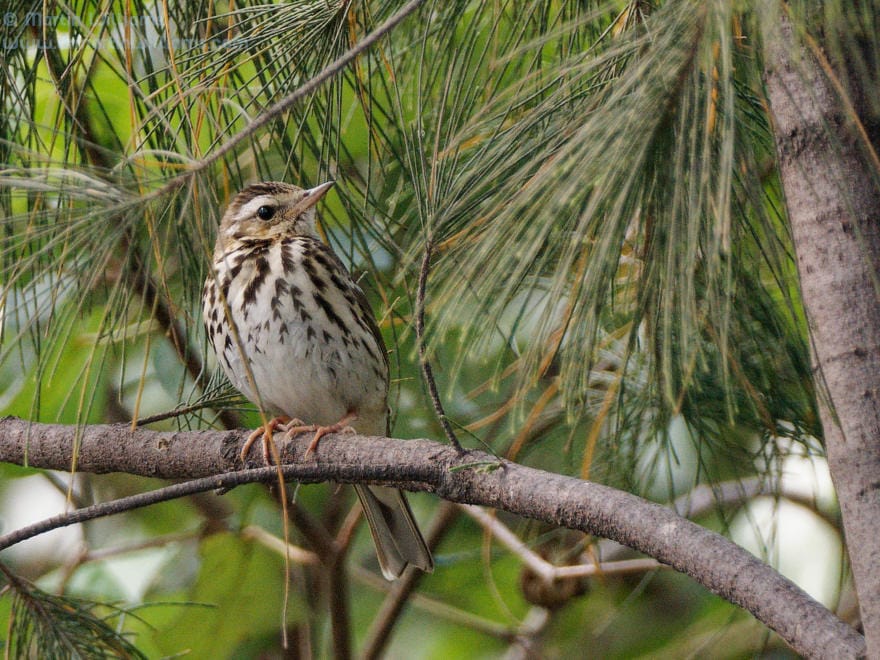
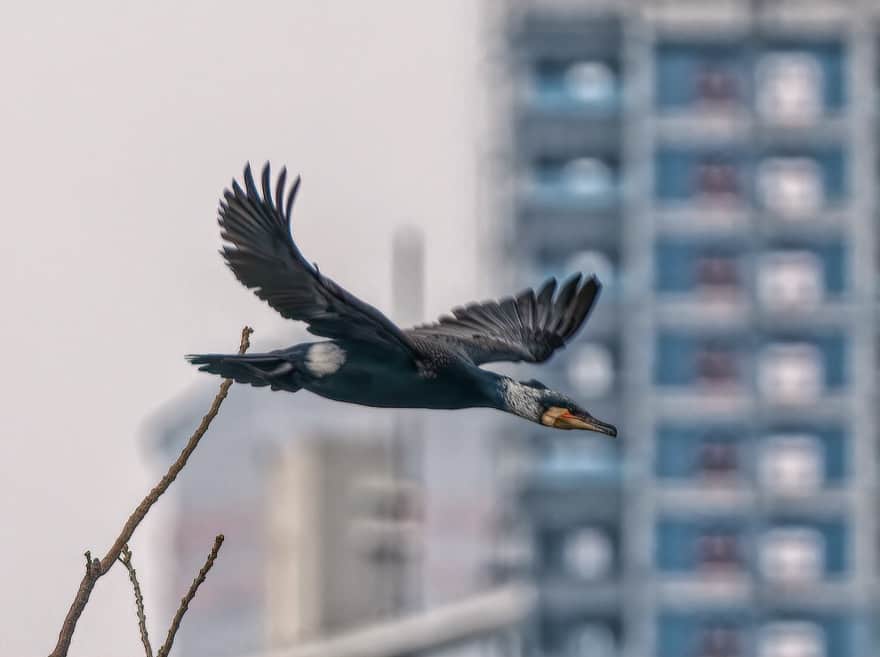
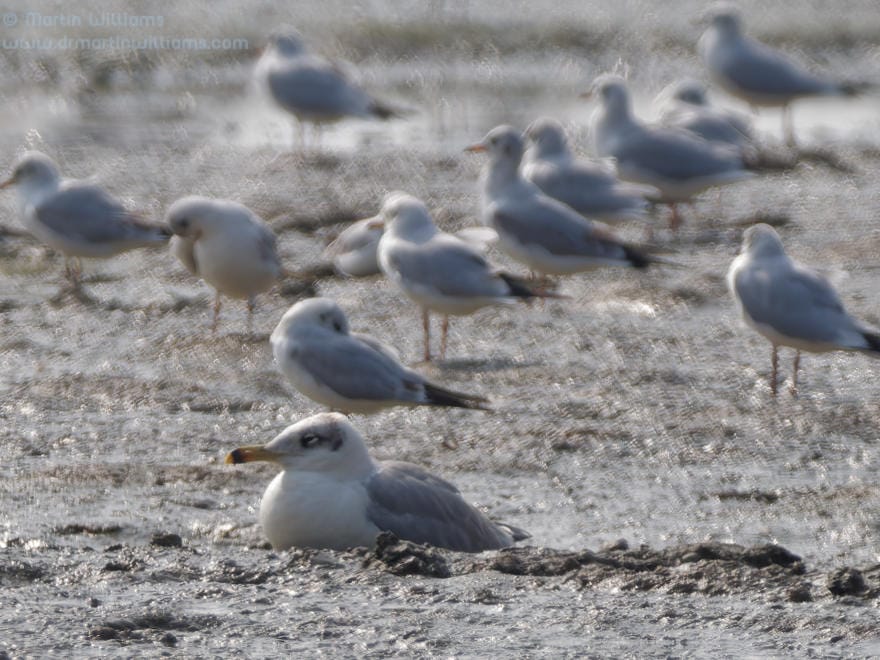
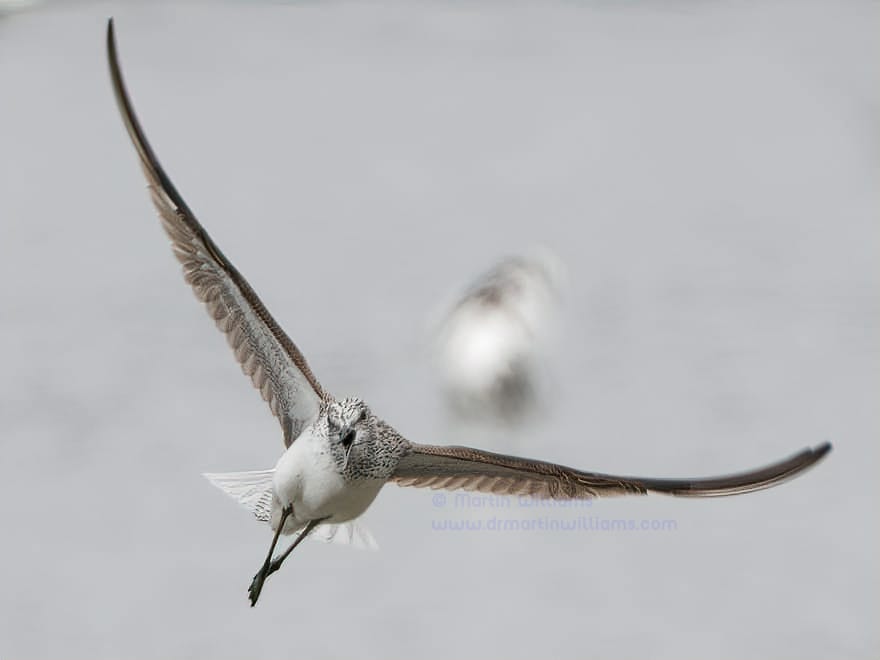
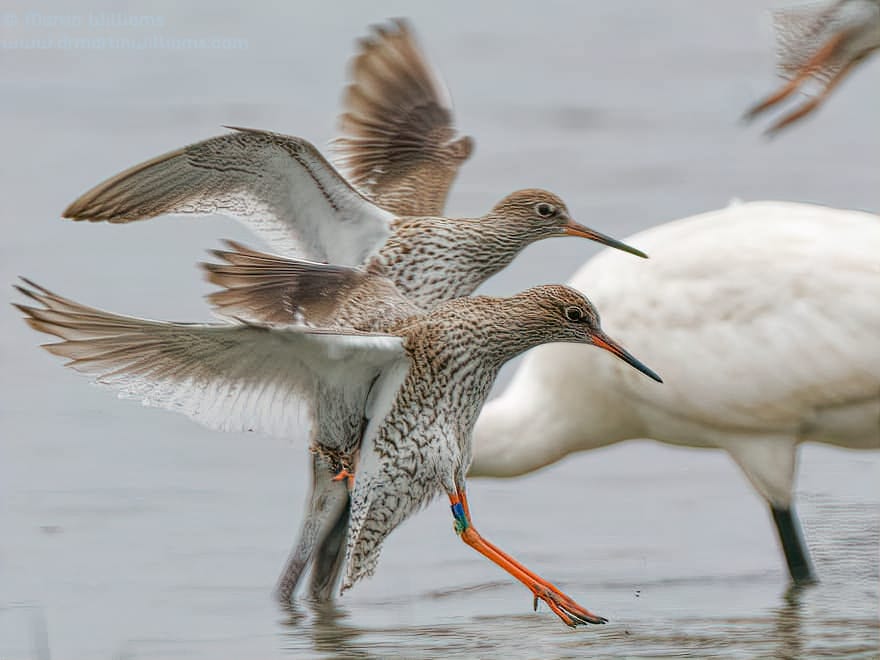
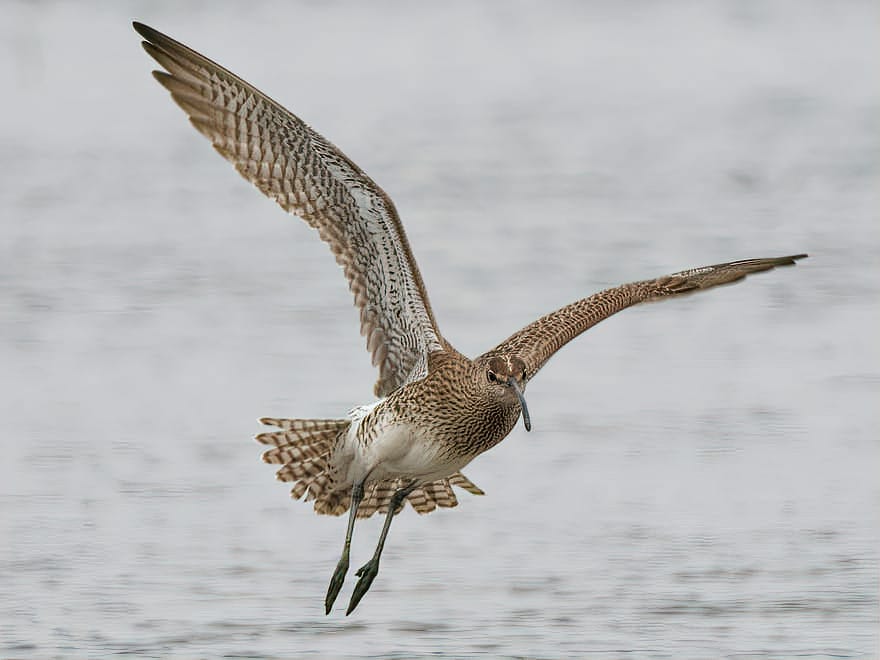
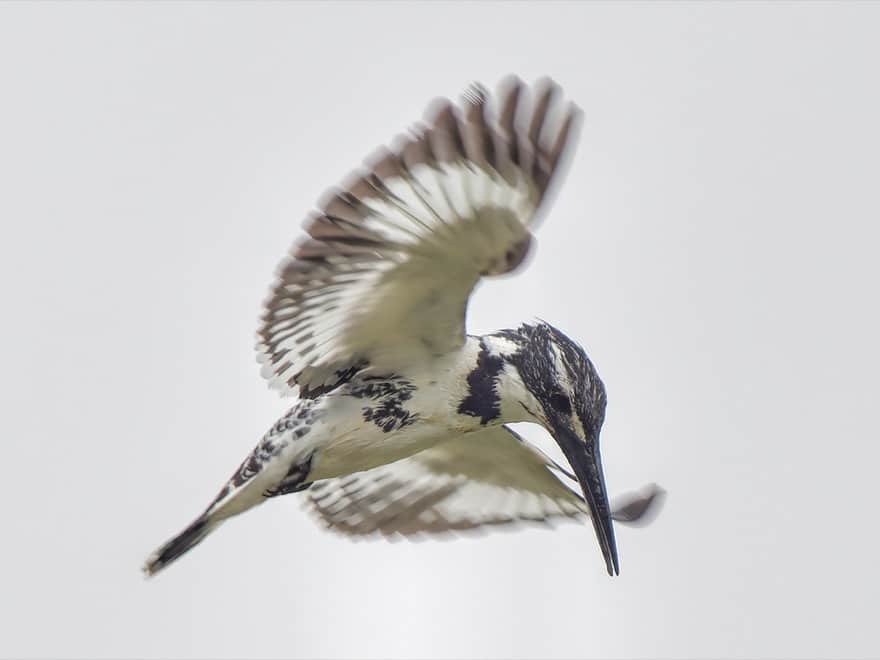
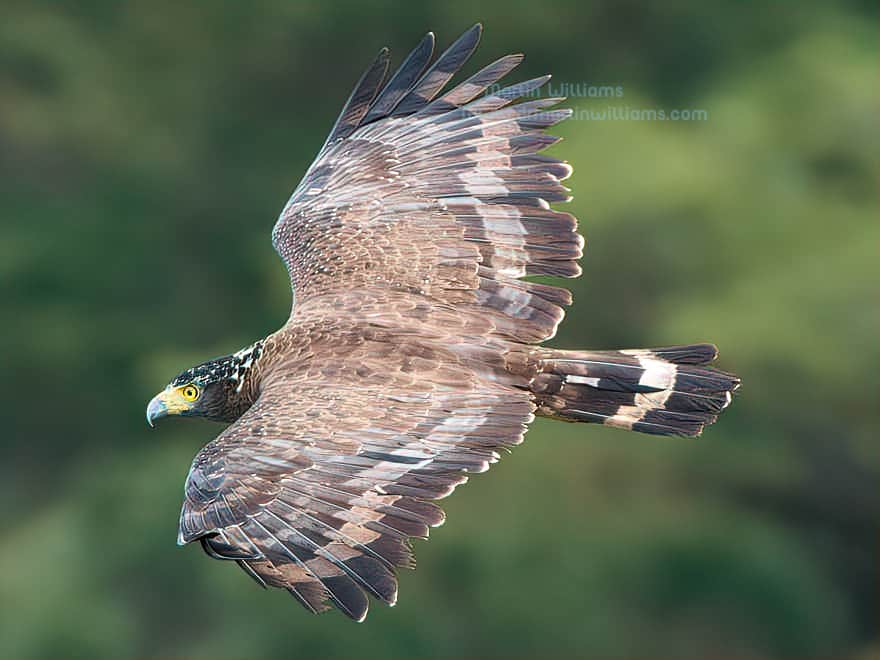
- Crested Serpent-Eagle by Lion Head Mountain, Lantau
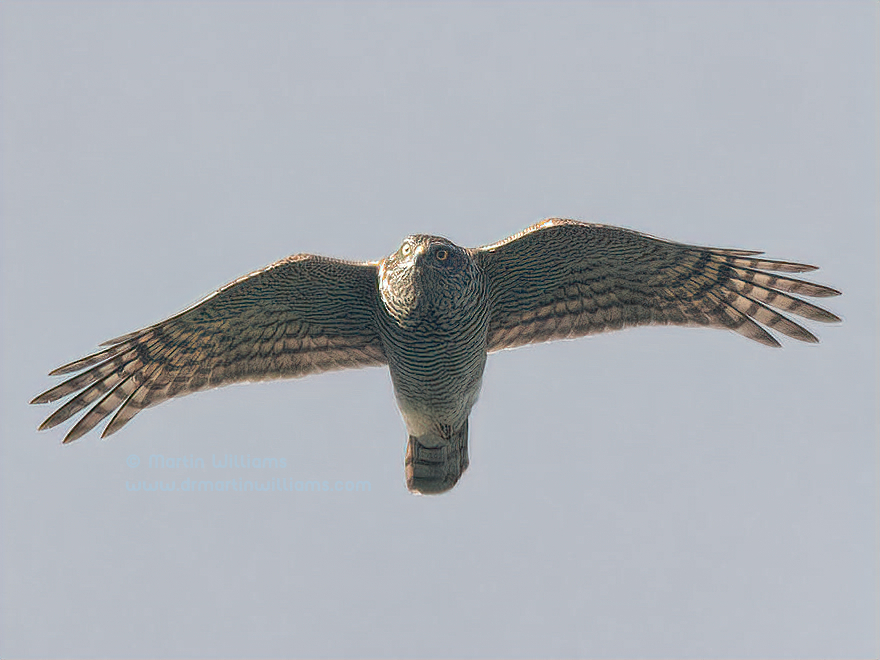
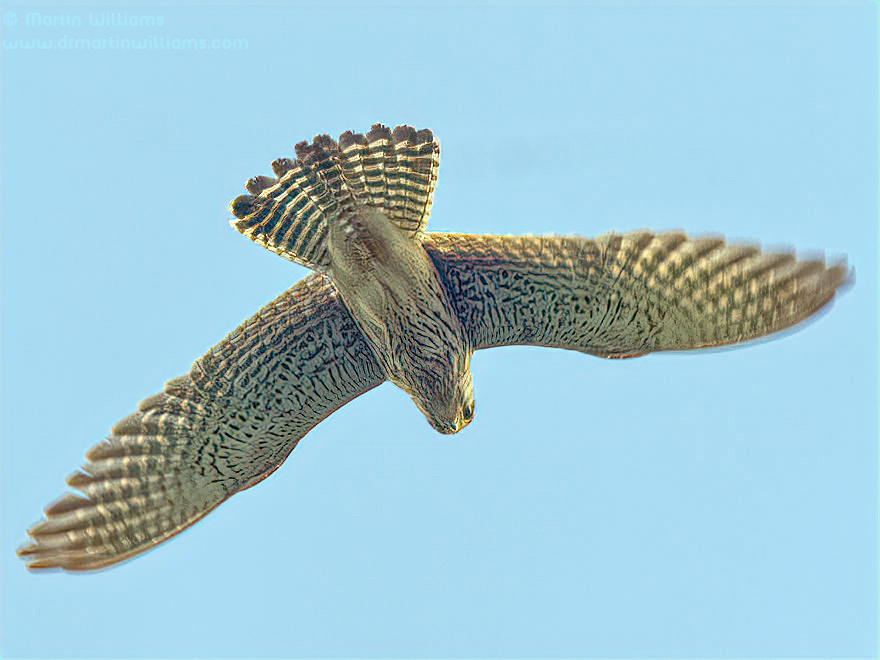
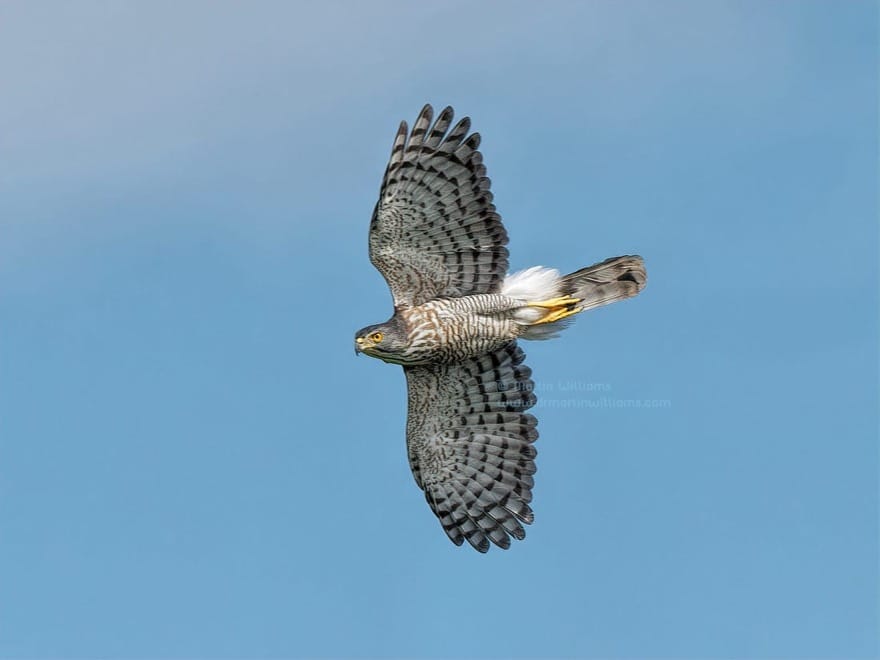
- Eurasian Sparrowhawk
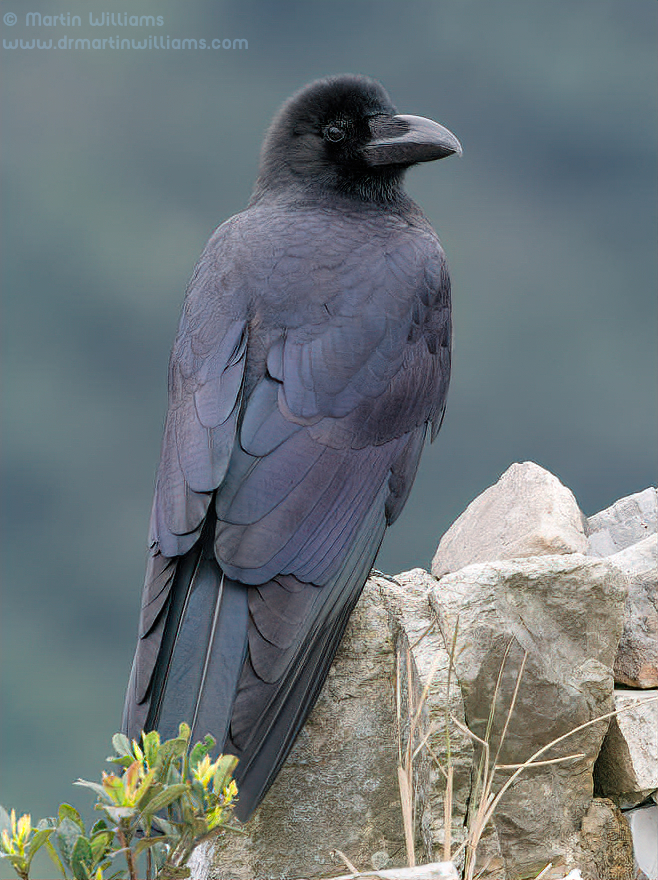
- Large-billed Crow
- Common Kestrel
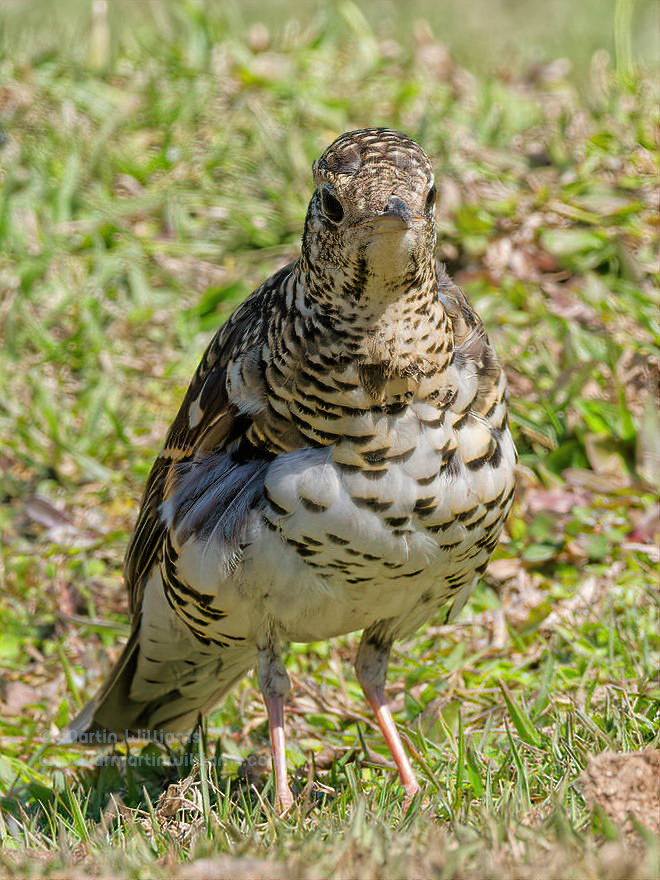
- White's Thrush
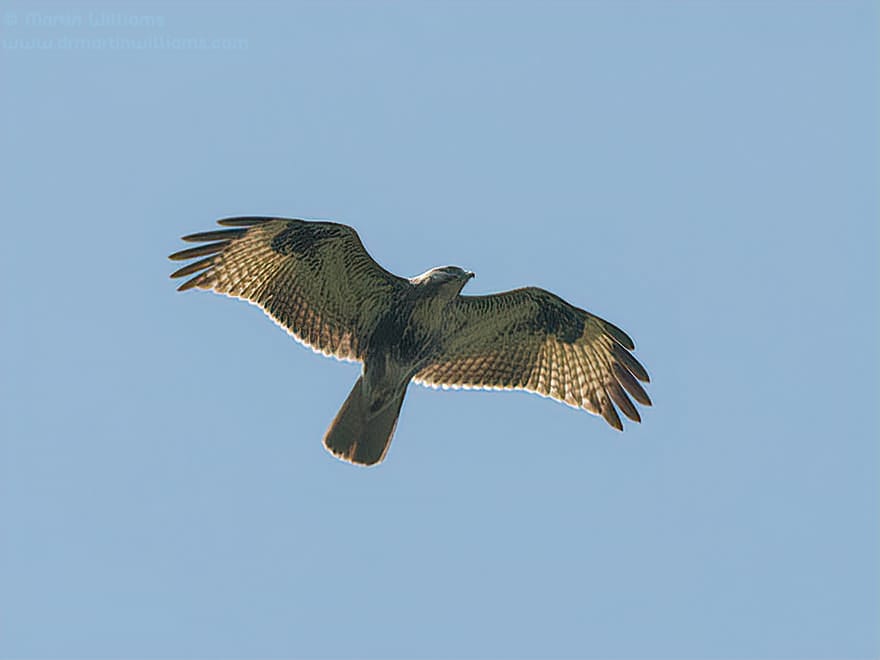
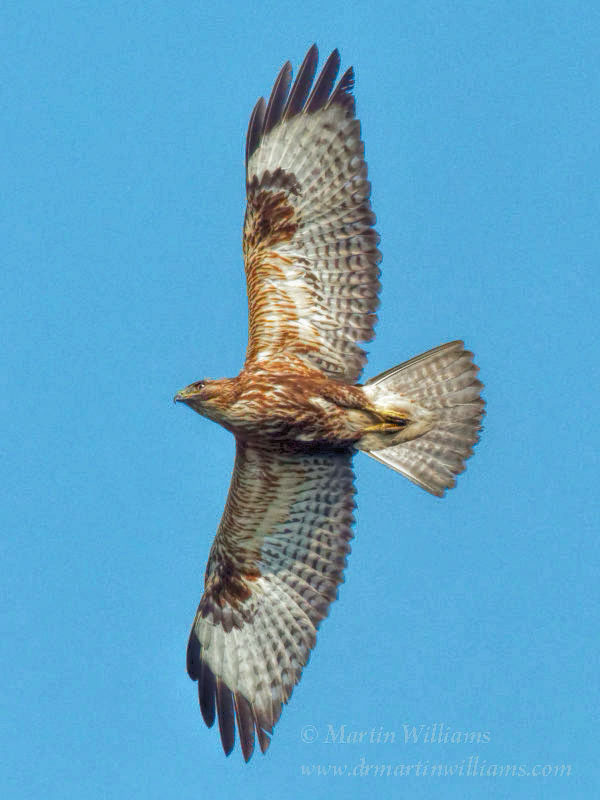
- Eastern Buzzard
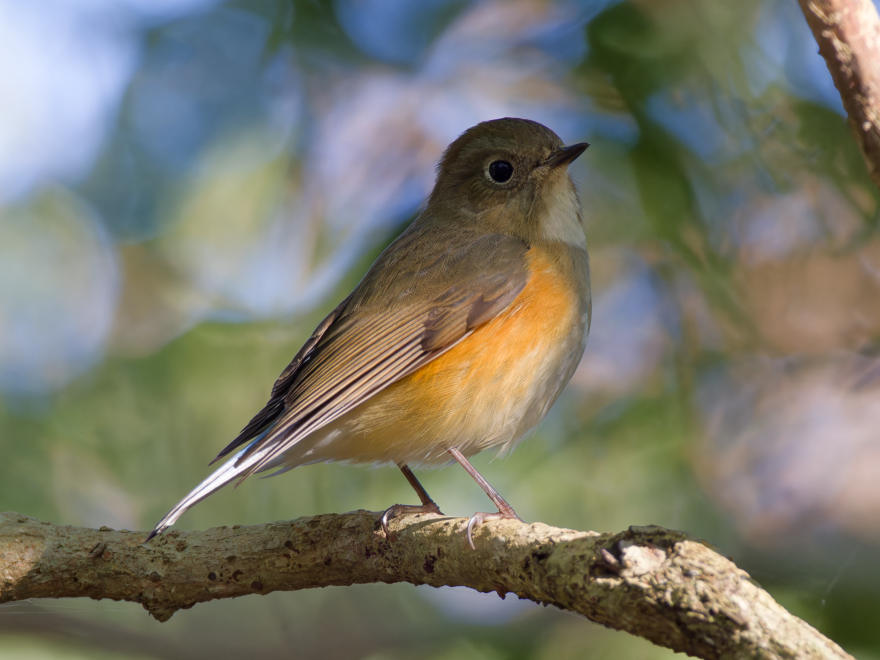
- Red-flanked Bluetail
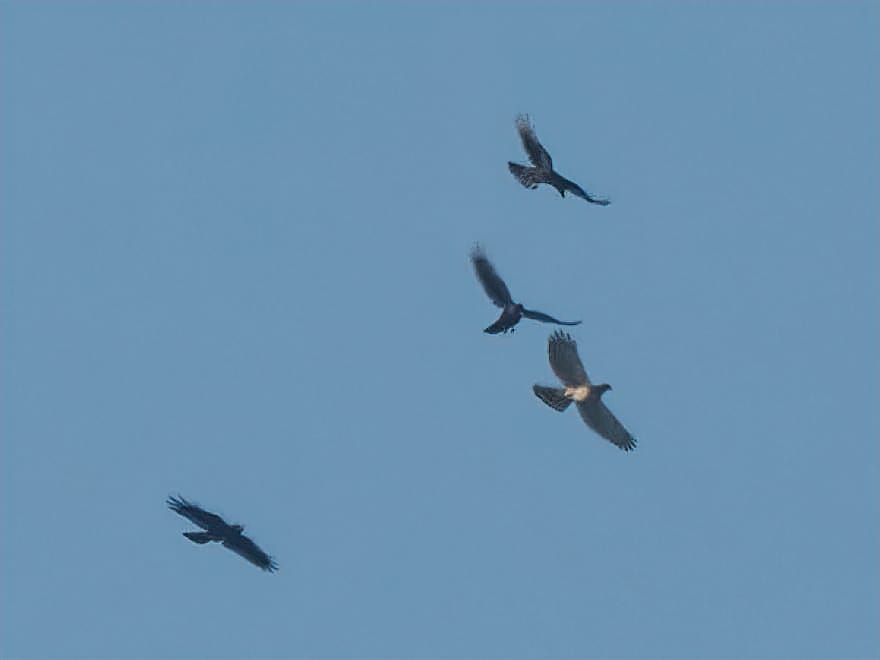
- Large-billed Crows mobbing Crested Goshawk
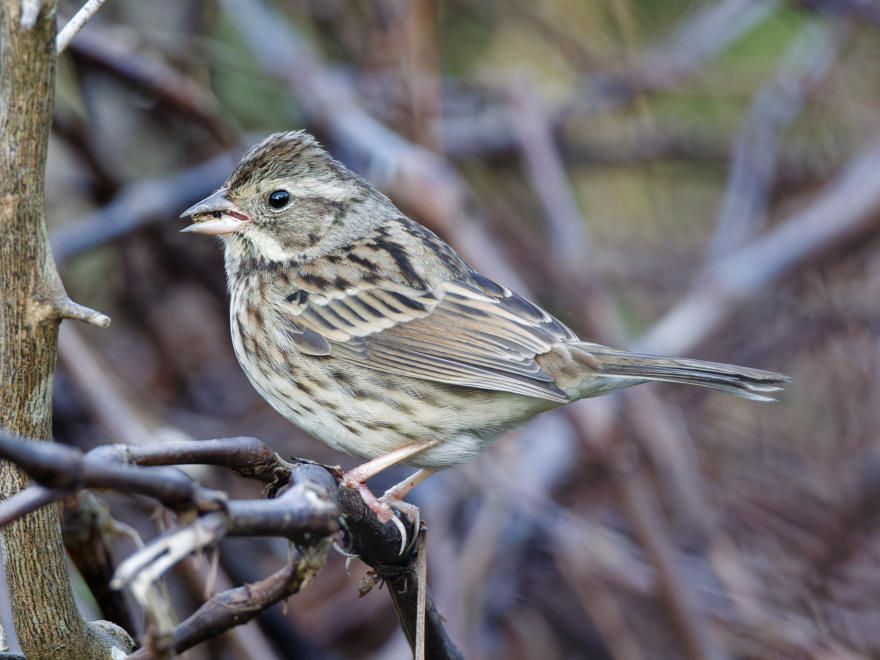
- Black-faced Bunting
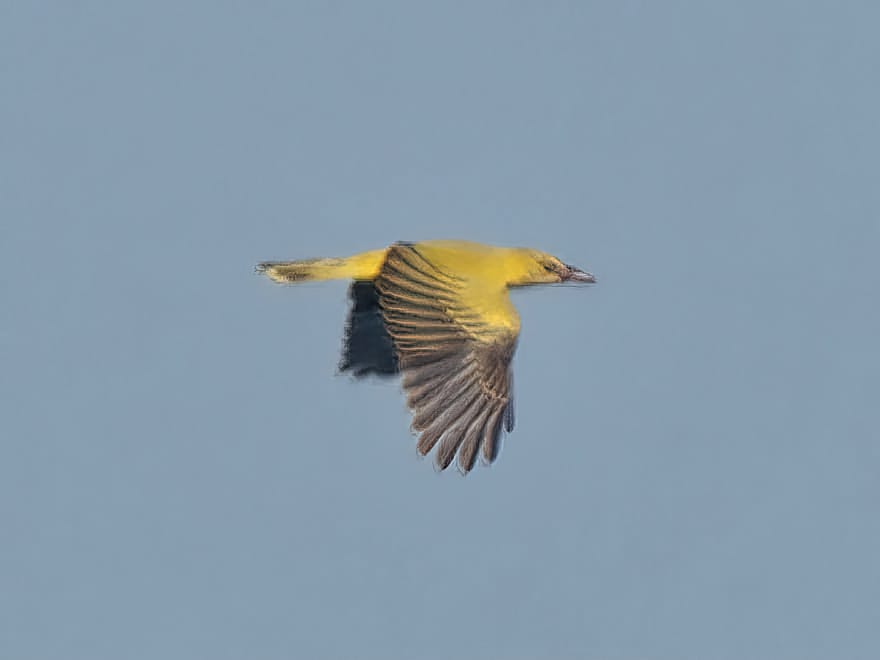
- Black-naped Oriole
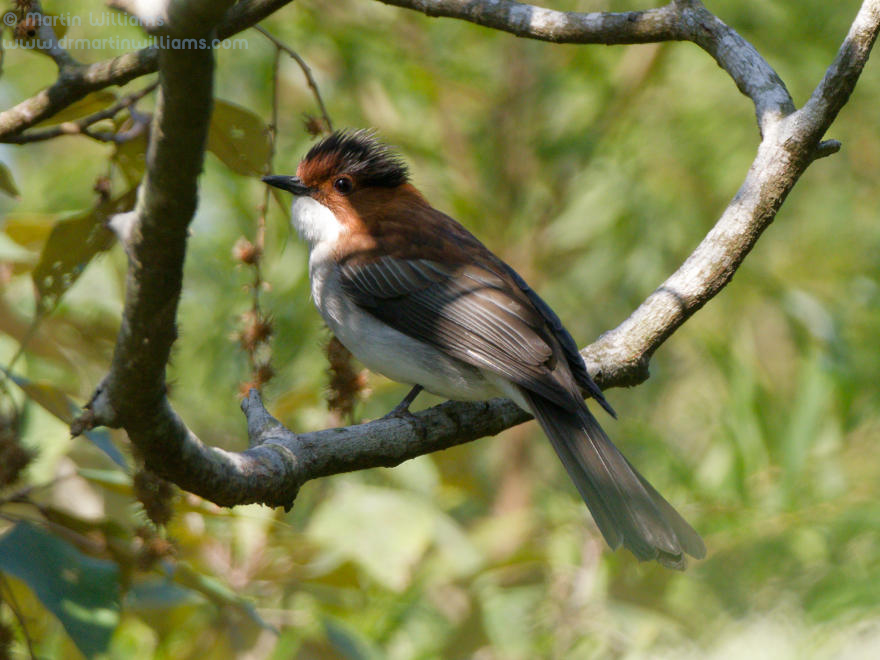
- Chestnut Bulbul
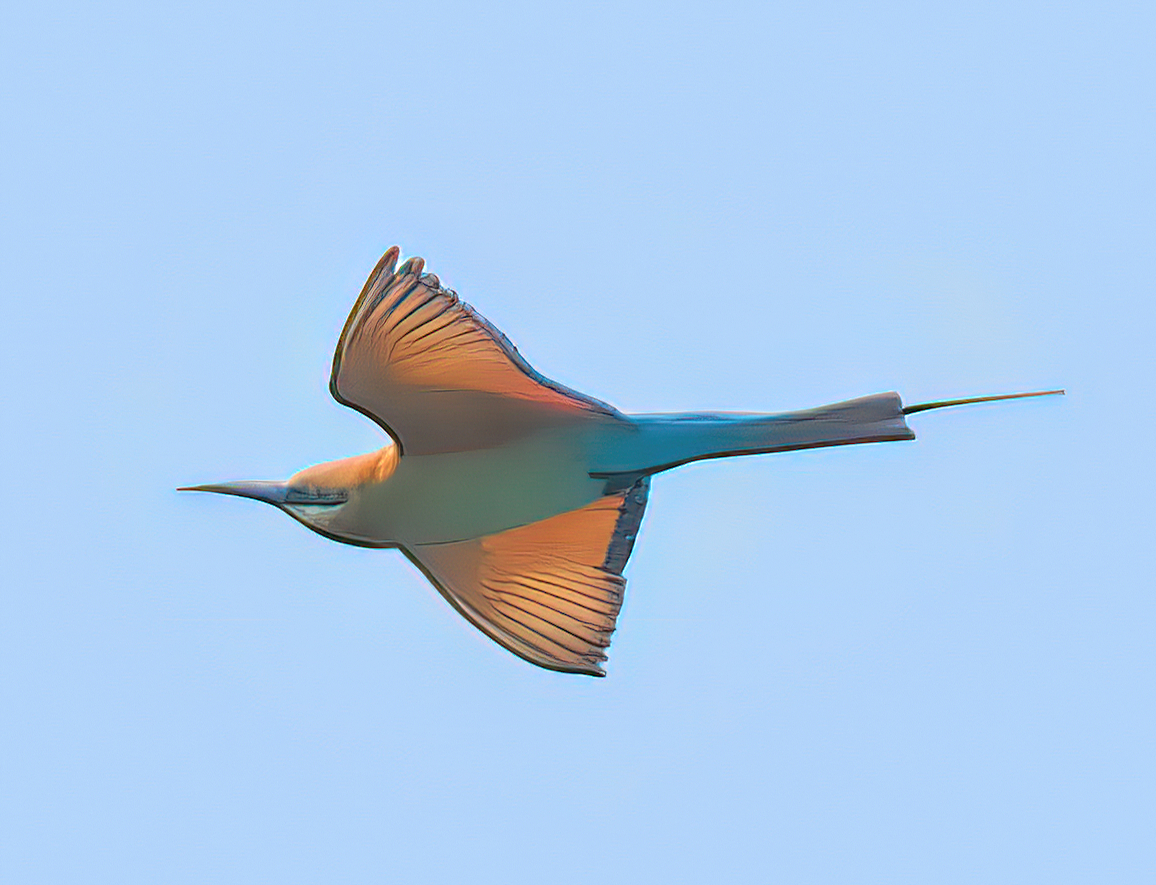
- Blue-tailed Bee-eater, migrating over Lion Head Mountain
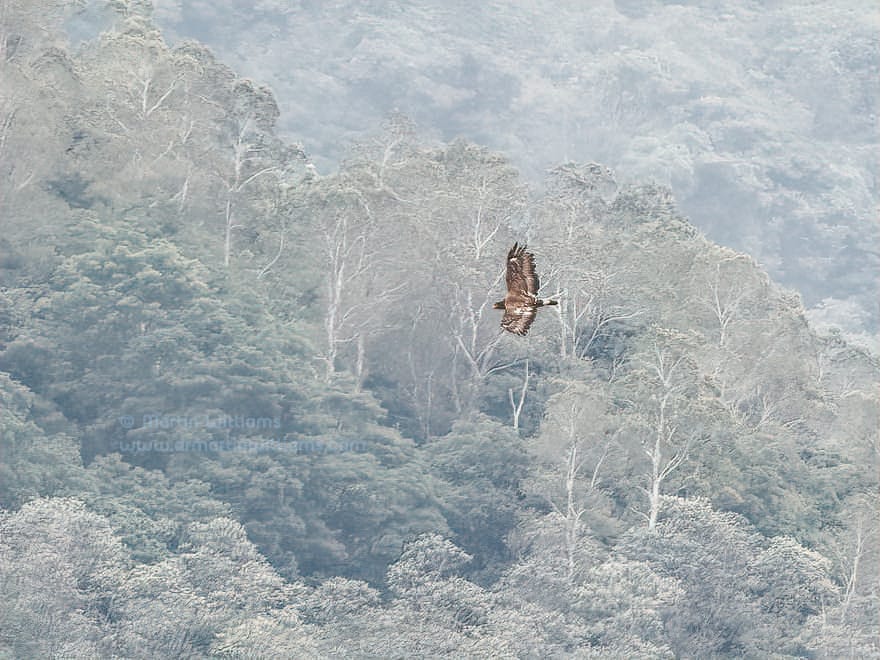
- Crested Serpent-Eagle over wooded slopes of Lantau Peak
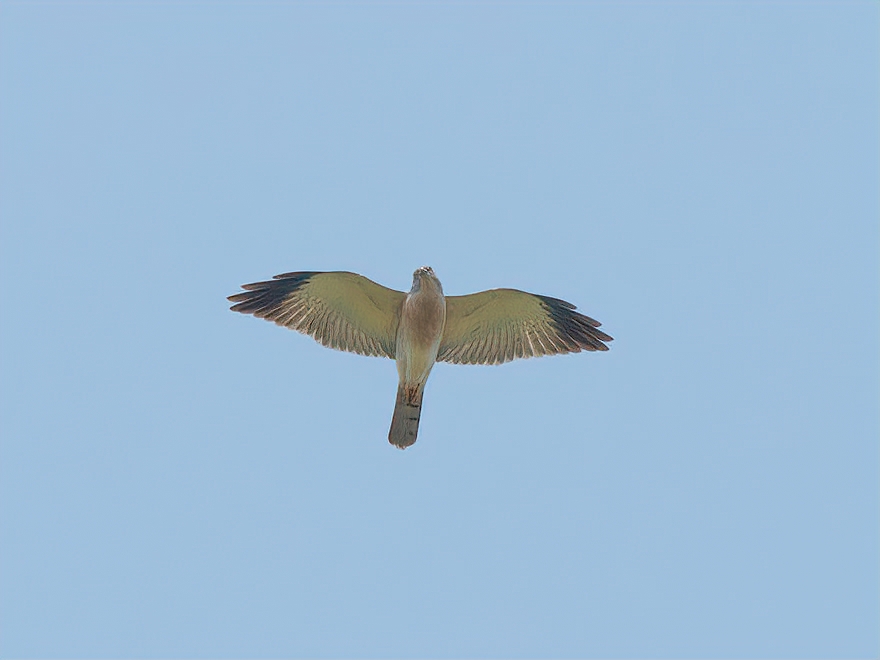
- Chinese Sparrowhawk
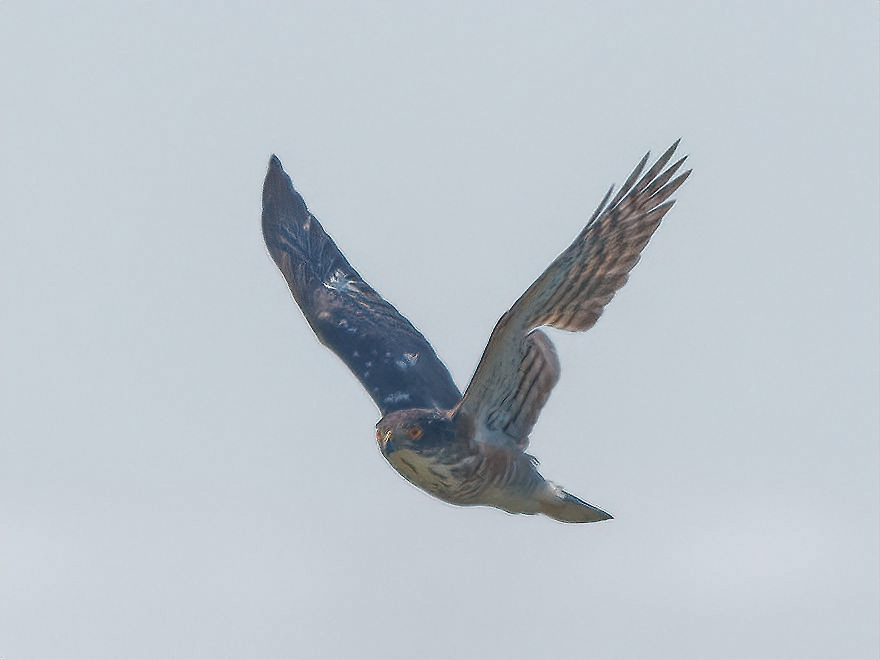
- Besra
- Common Kestrel
- Grey-faced Buzzards over Lion Head Mountain, Lantau
- Booted Eagle - 2nd for Hong Kong, 2 October 2022
- White-bellied Sea-Eagle
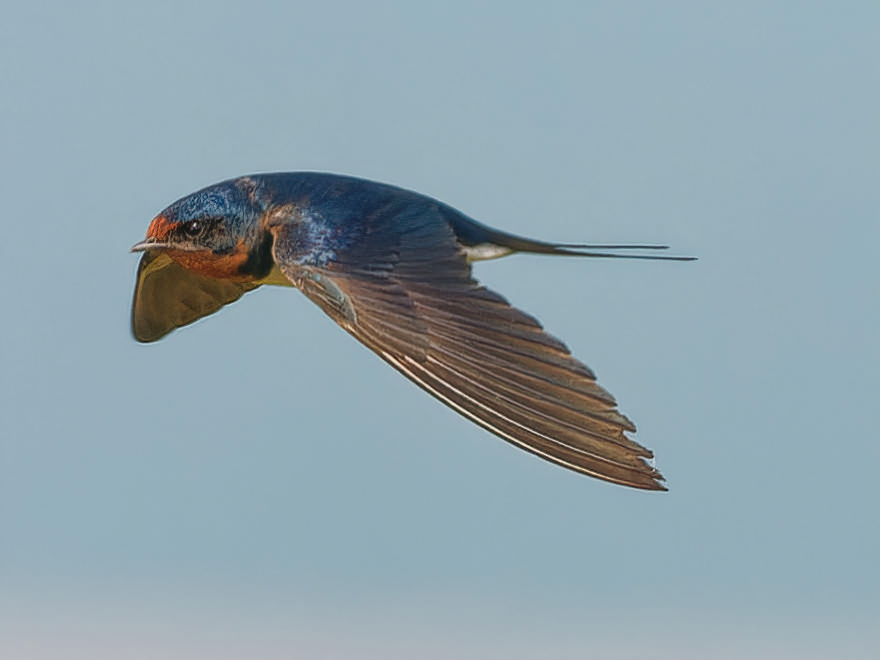
- Barn Swallow
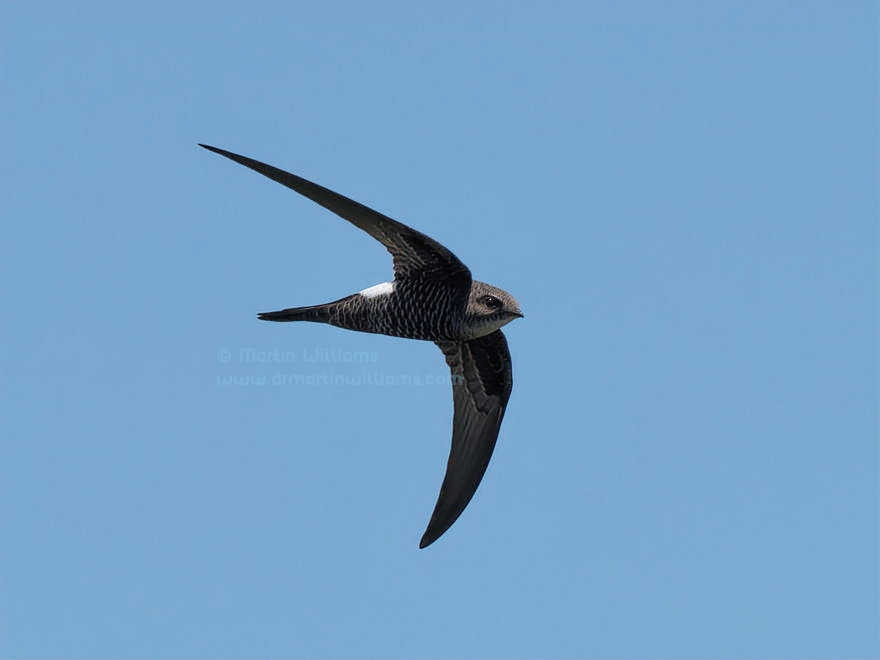
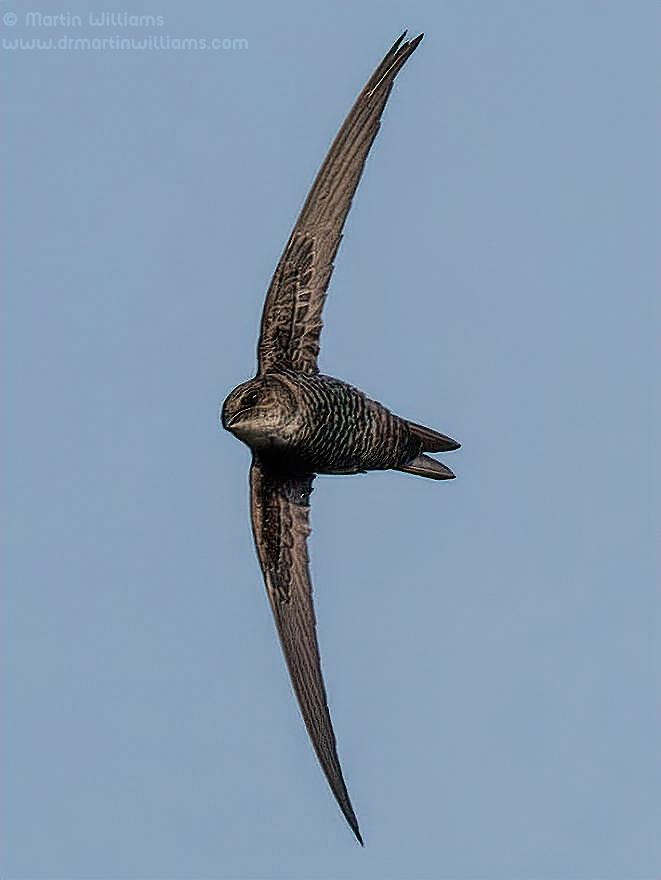
- Pacific Swift
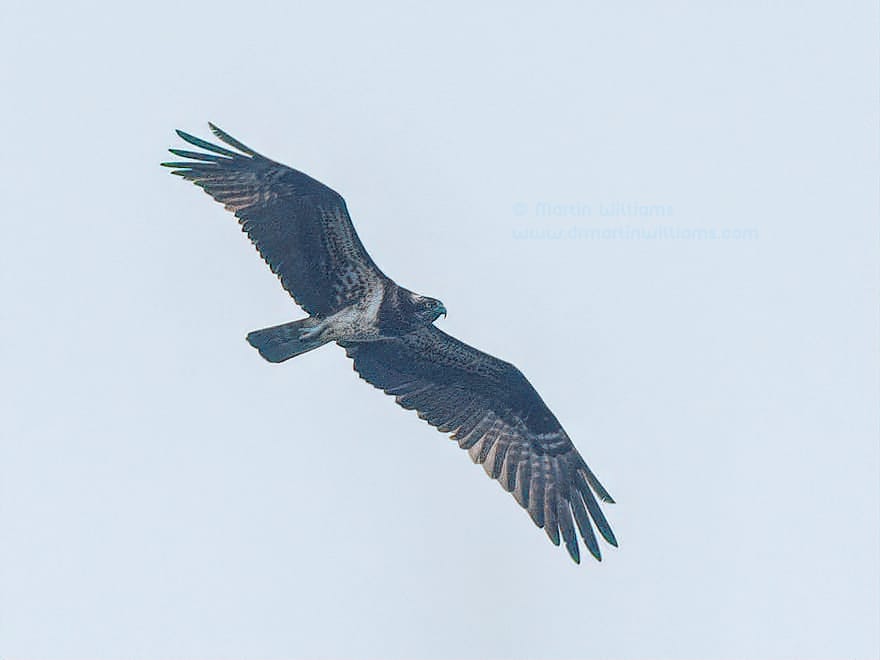
- Osprey
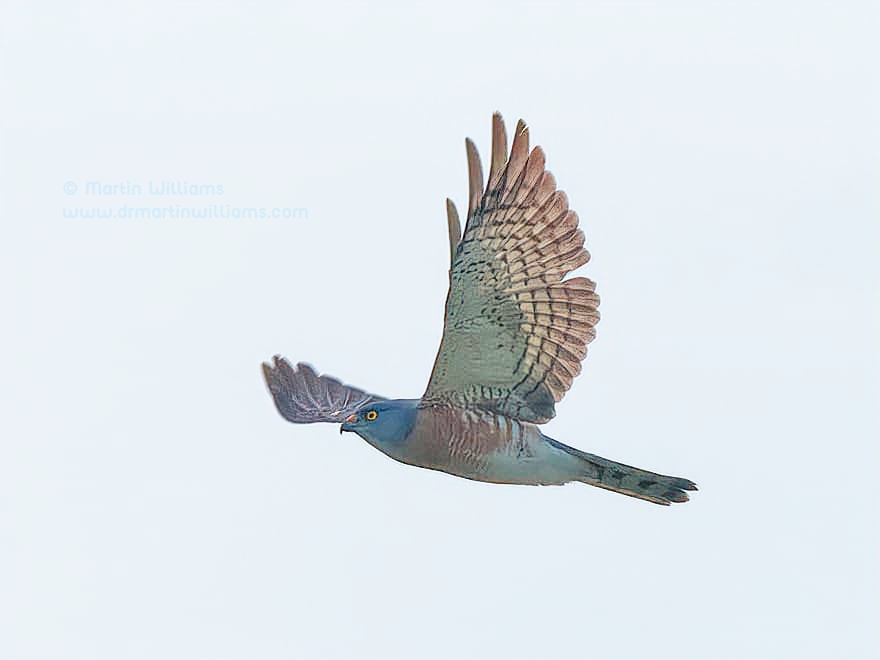
- Chinese Sparrowhawk
- Crested Serpent-Eagles
- Crested Serpent-Eagle
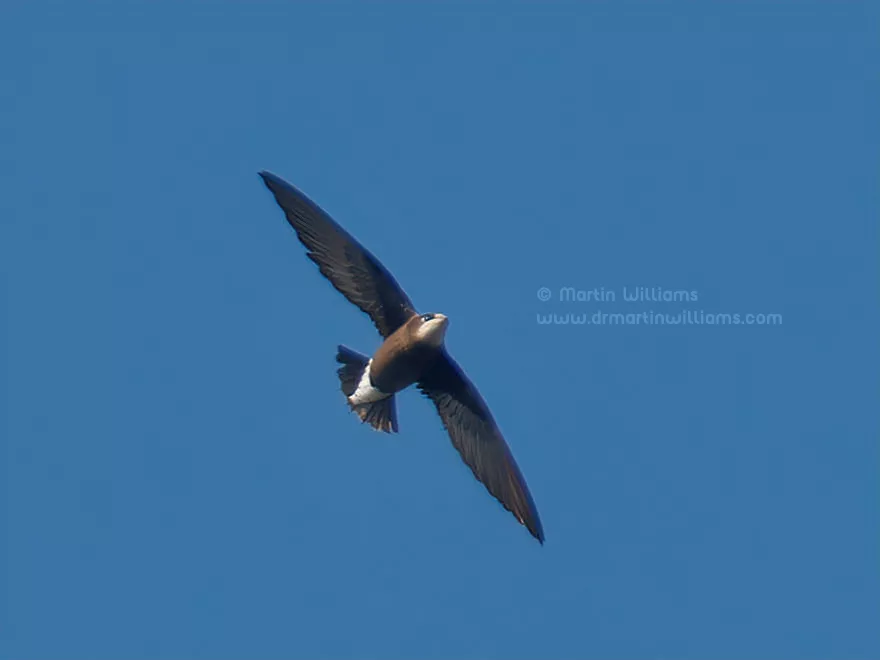
- White-throated Needletail
- juvenile Crested Goshawk
- Chinese Sparrowhawk over Lion Head Mountain, Lantau, Hong Kong
- Yellow-rumped Flycatcher
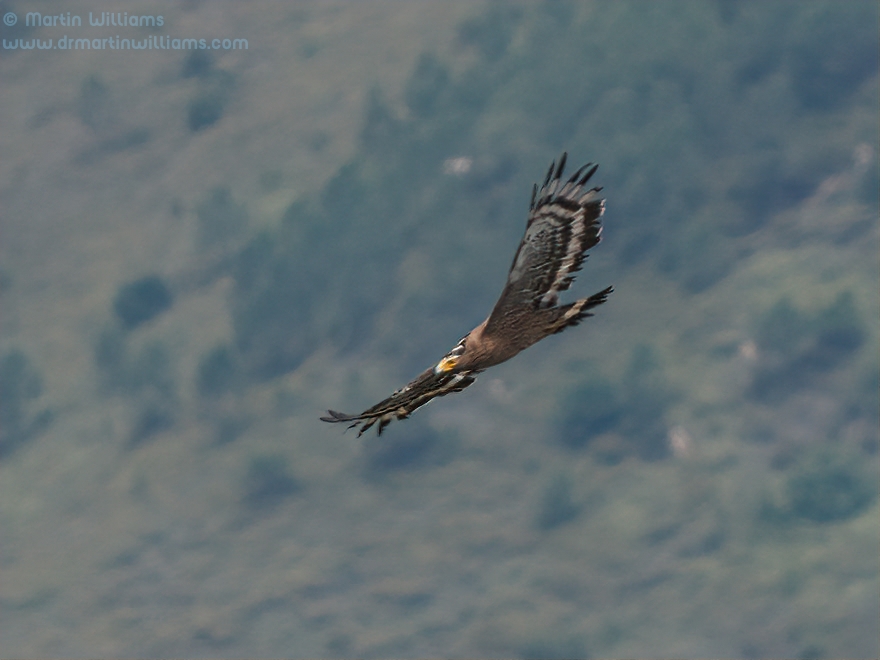
- Crested Serpent-Eagle on Lion Head Mountain, Lantau
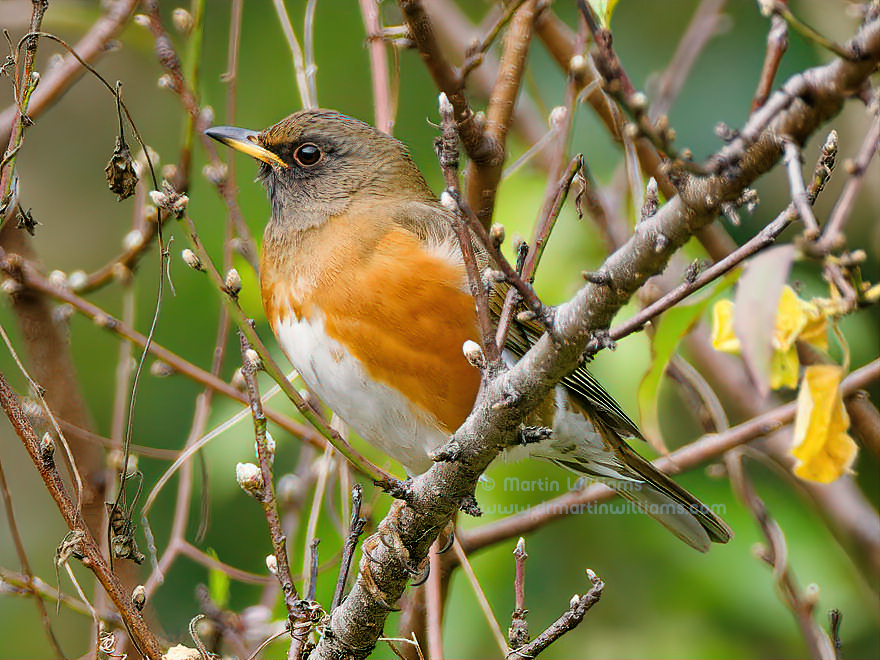
- Eye-browed Thrushes
- Common Kestrel
- House Swift
- White-bellied Sea-Eagle
- Yellow-browed Bunting
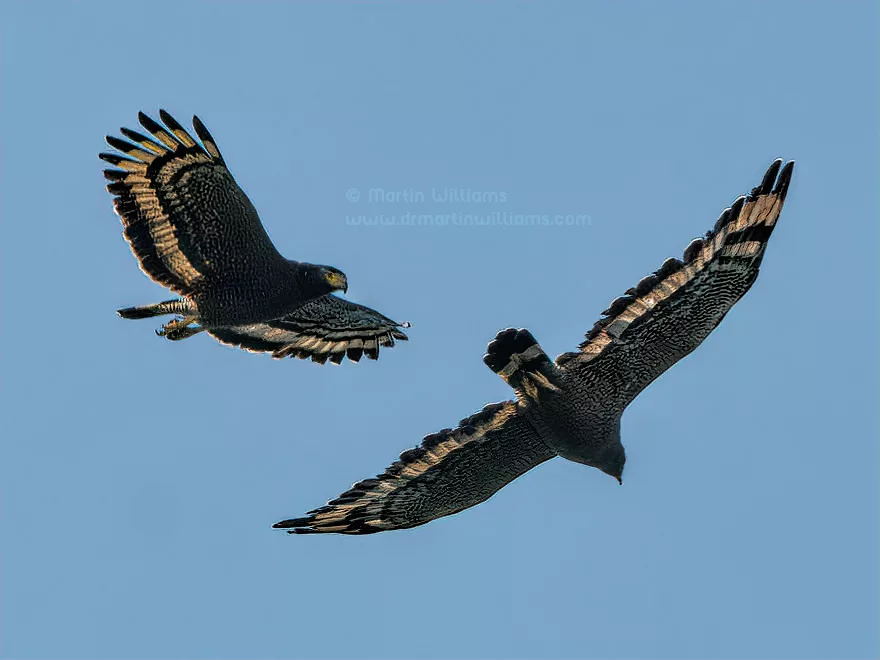
- Crested Serpent-Eagles battling over Lantau
- Grey-faced Buzzard
- Grey-faced Buzzards
- Pacific Swift
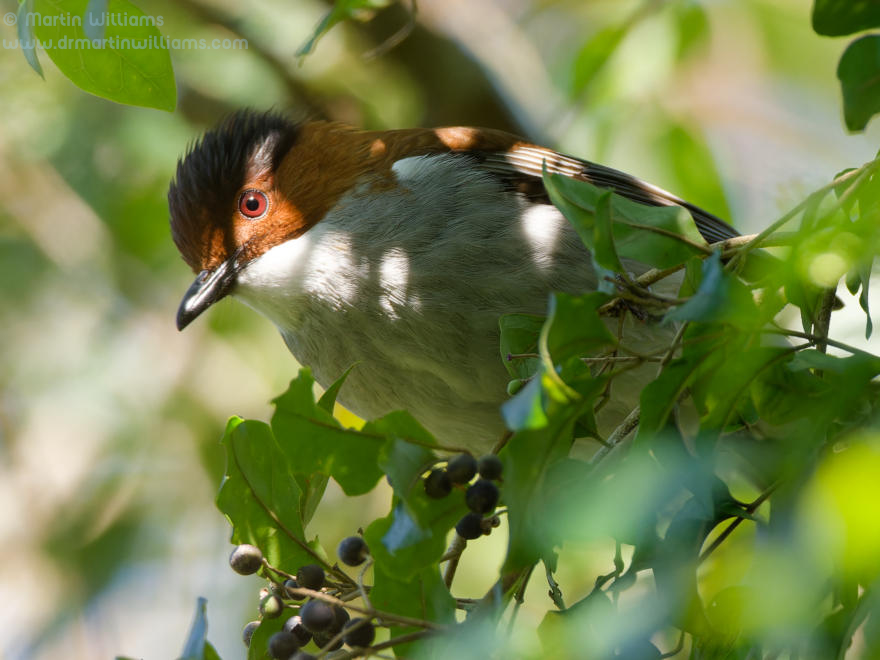
- Chestnut Bulbul
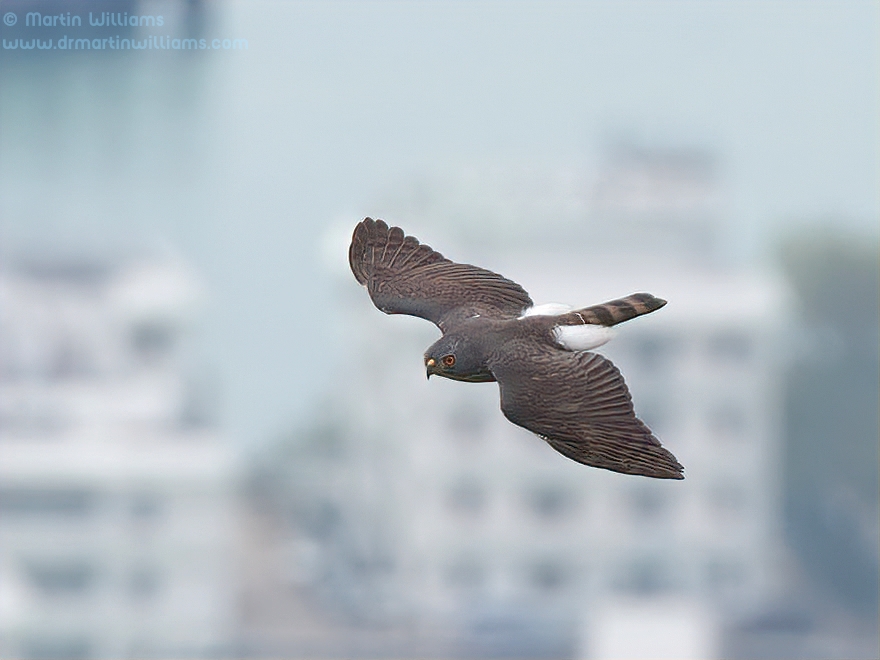
- Crested Goshawk displaying
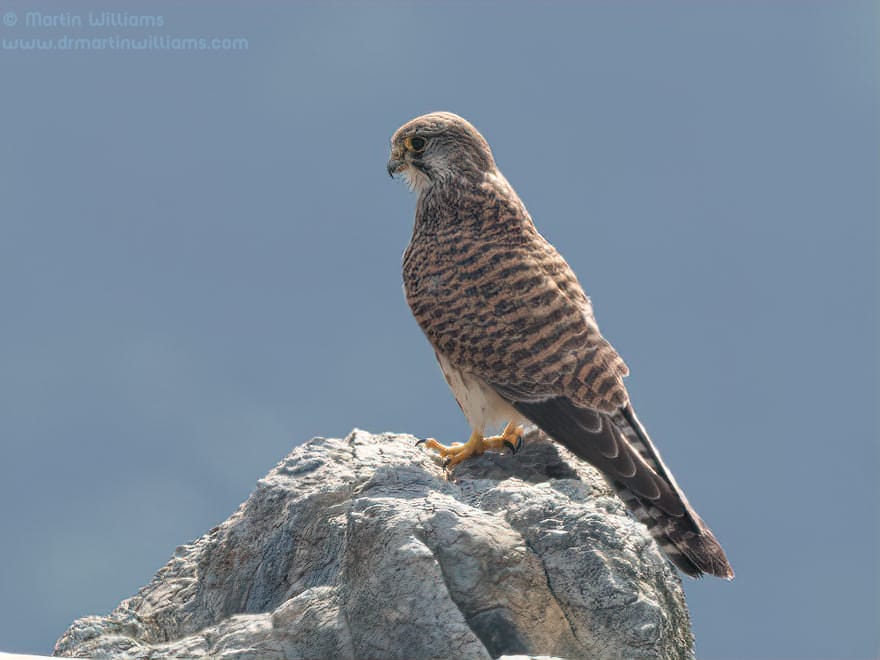
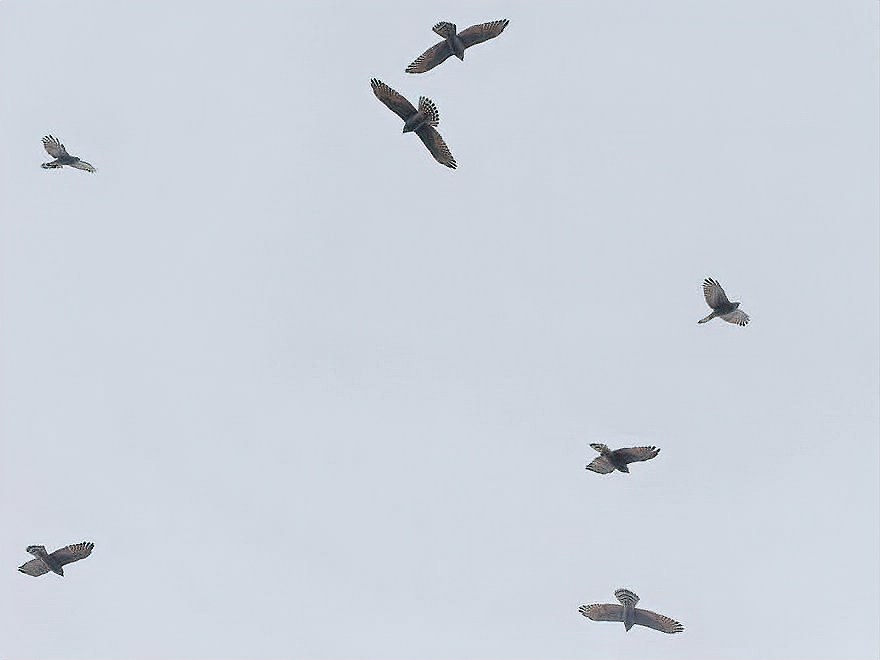
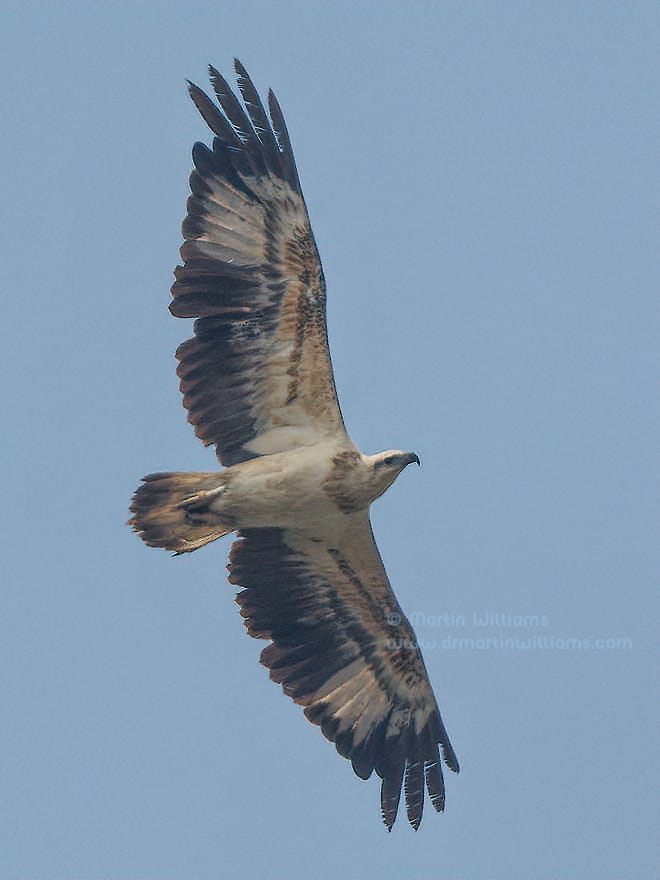
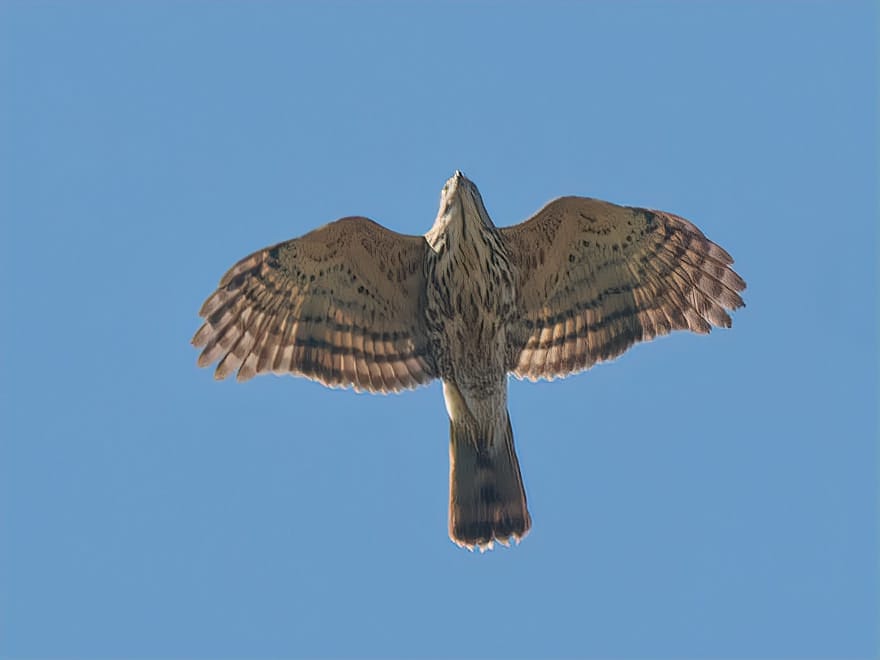
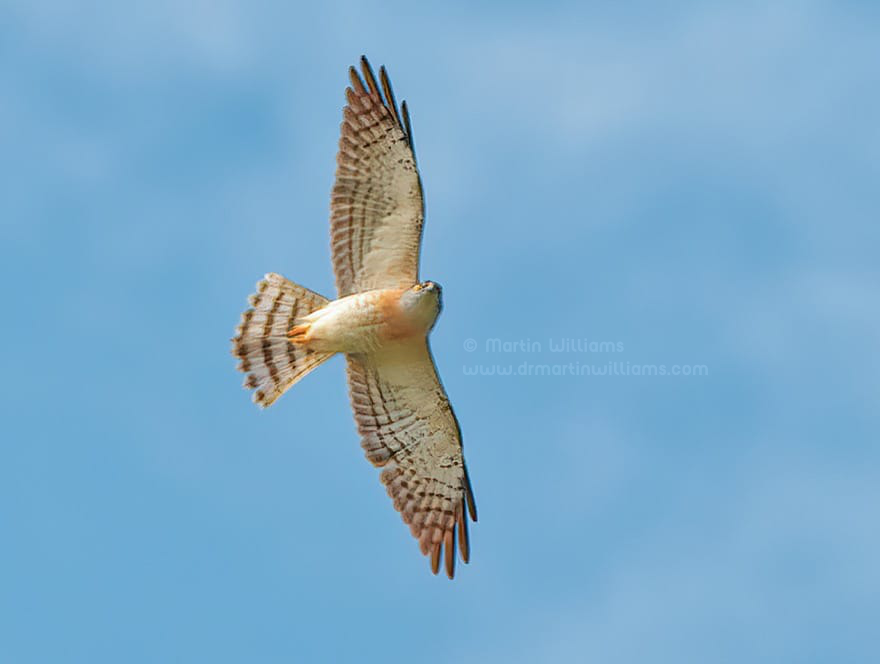
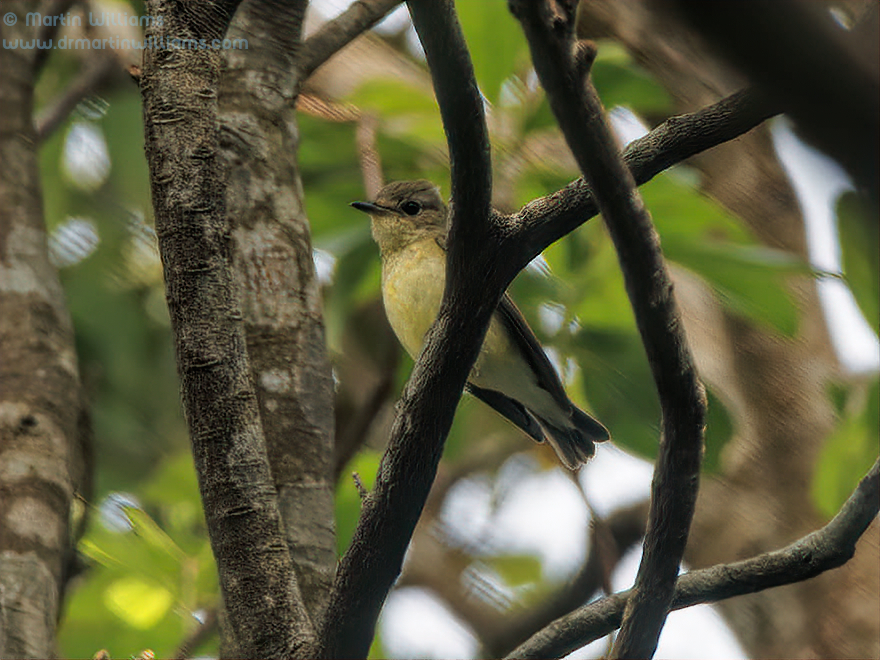
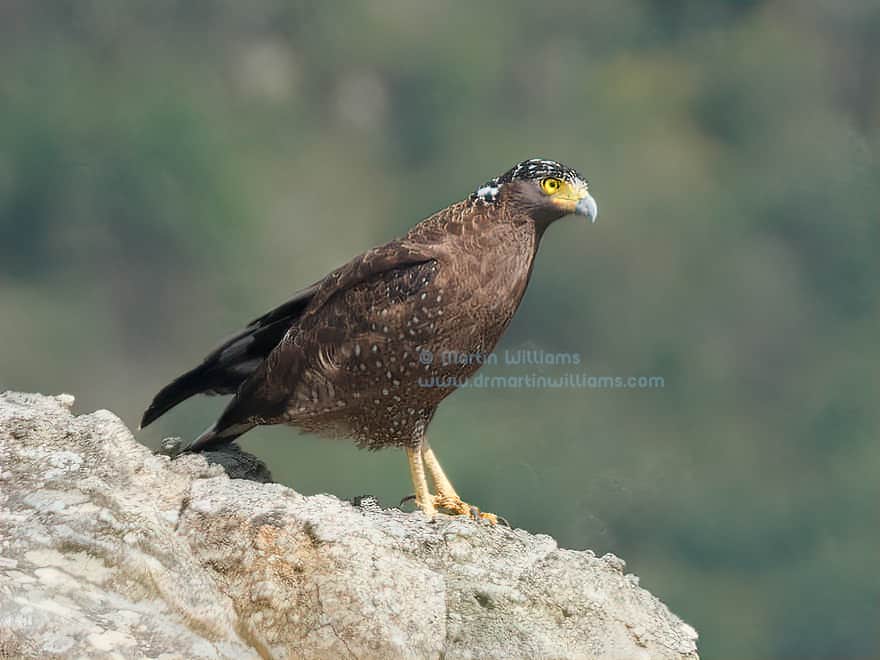
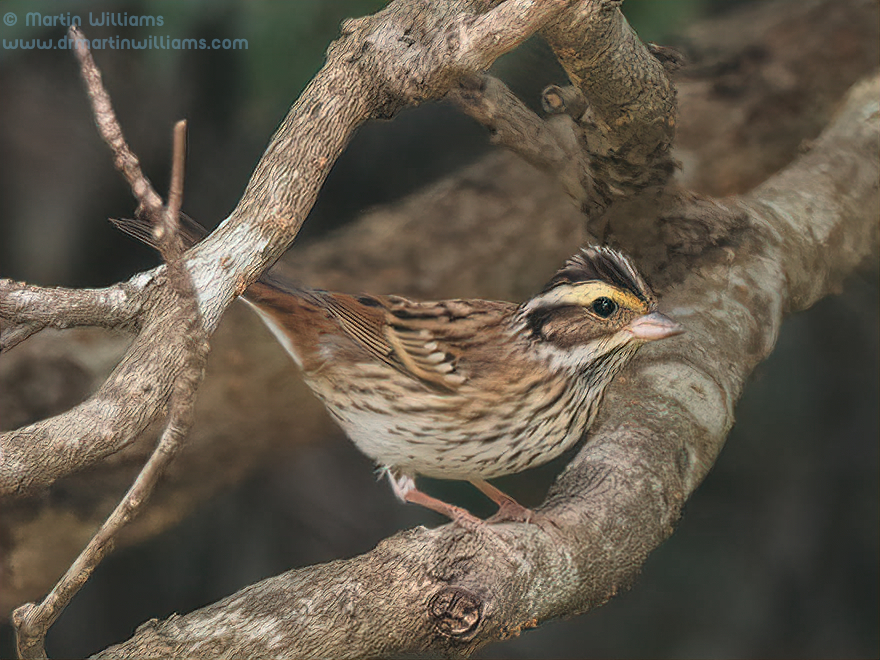
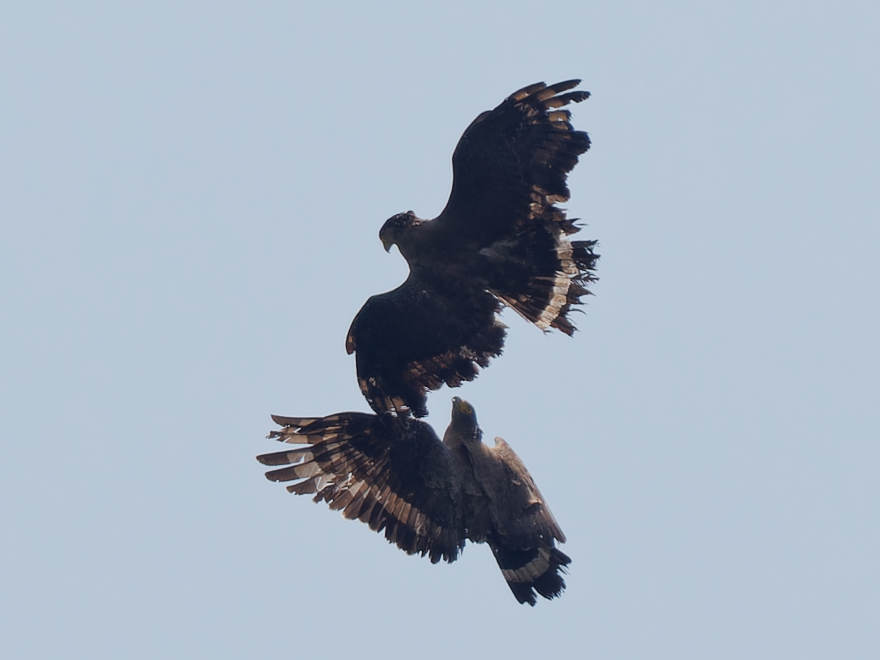
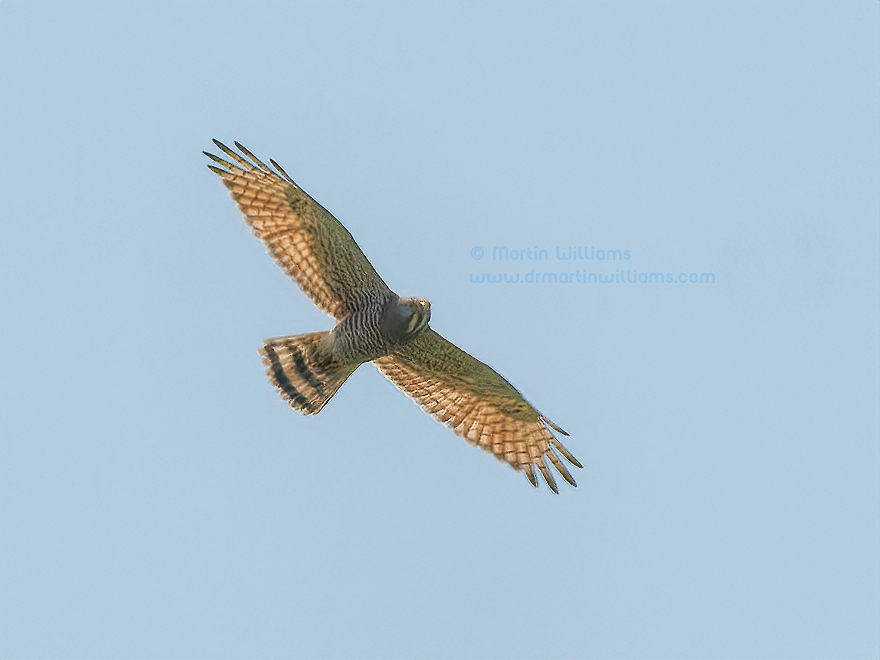
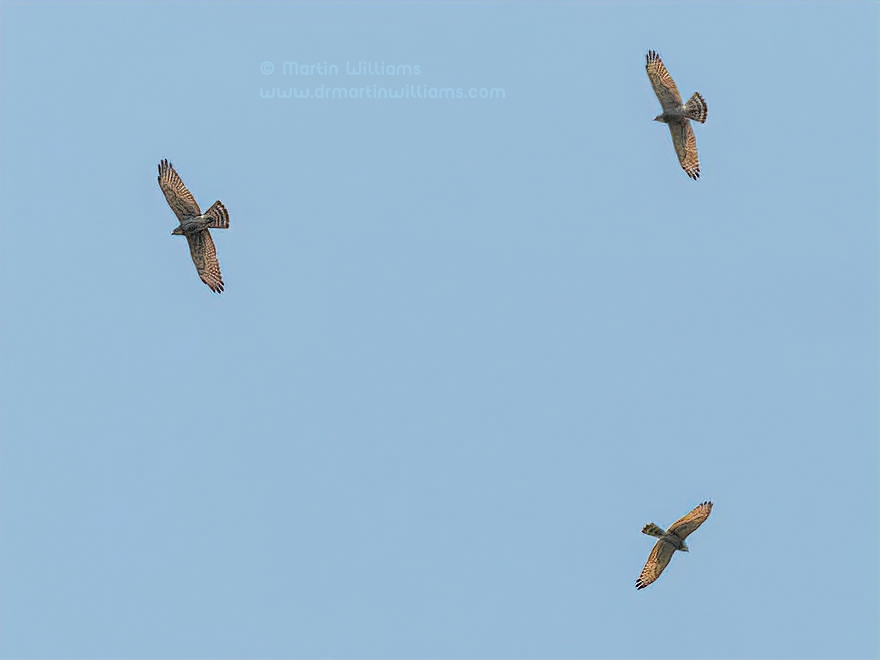
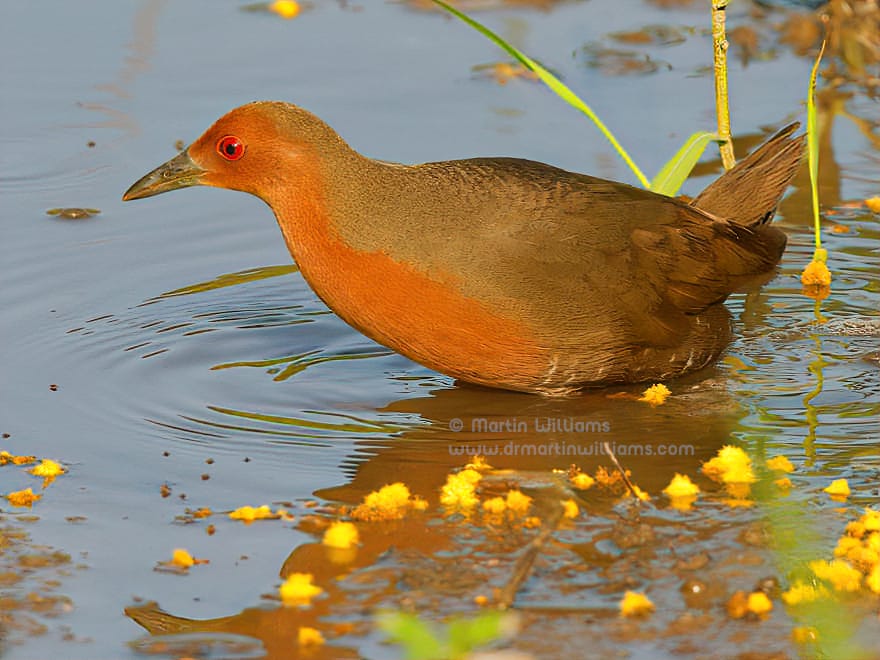
- Ruddy-breasted Crake, Pui O
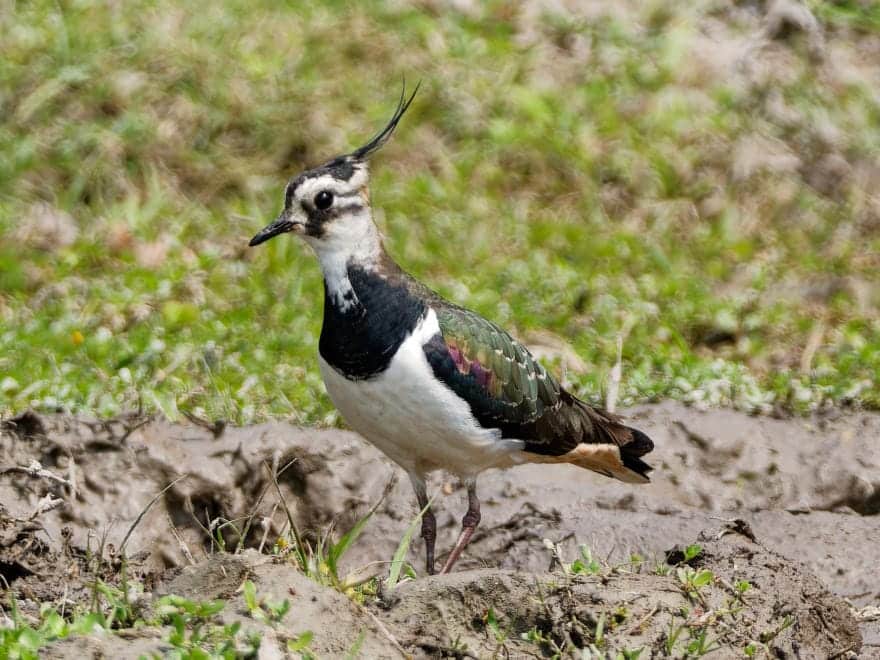
- Northern Lapwing
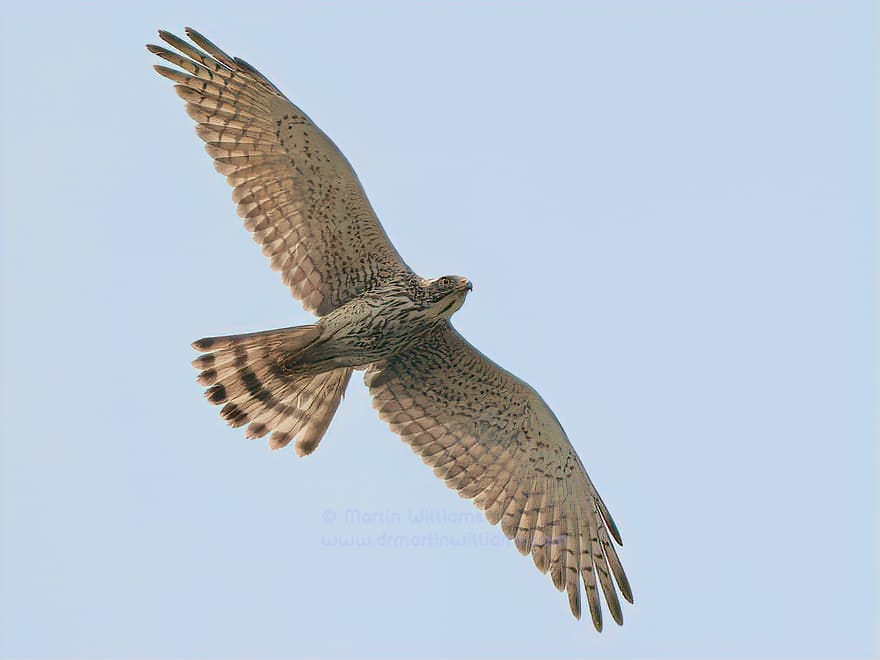
- Grey-faced Buzzard
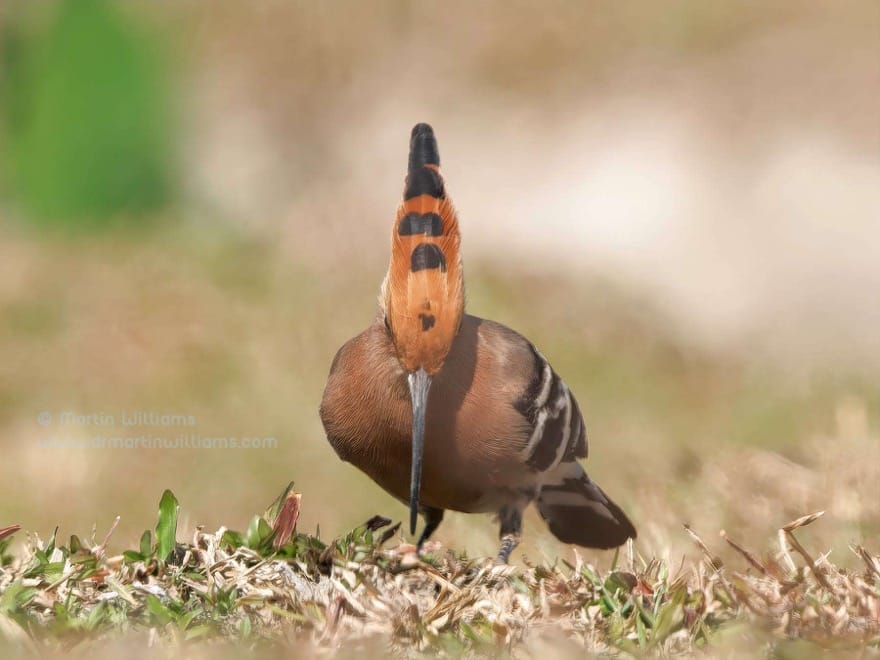
- Hoopoe
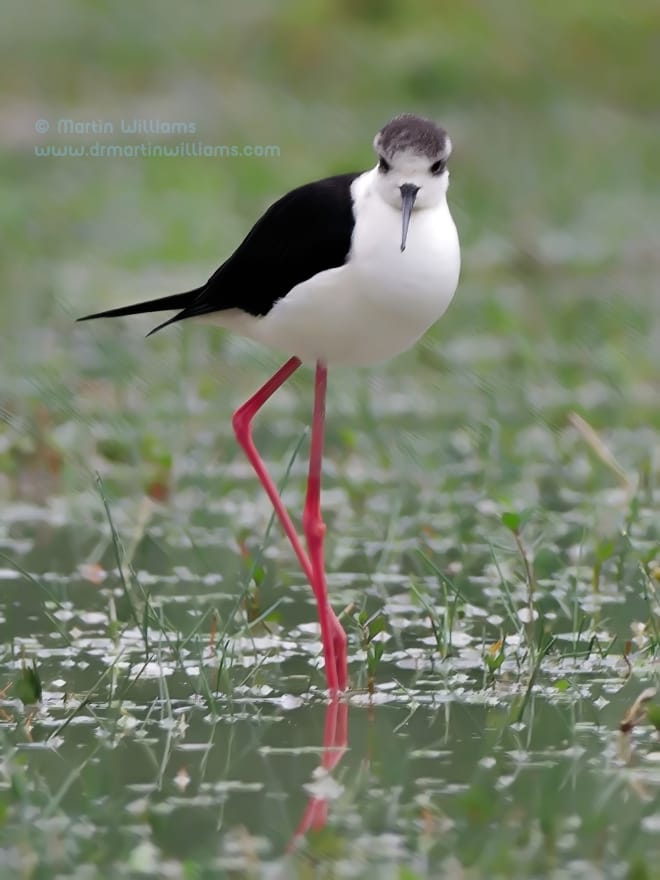
- Black-winged Stilt
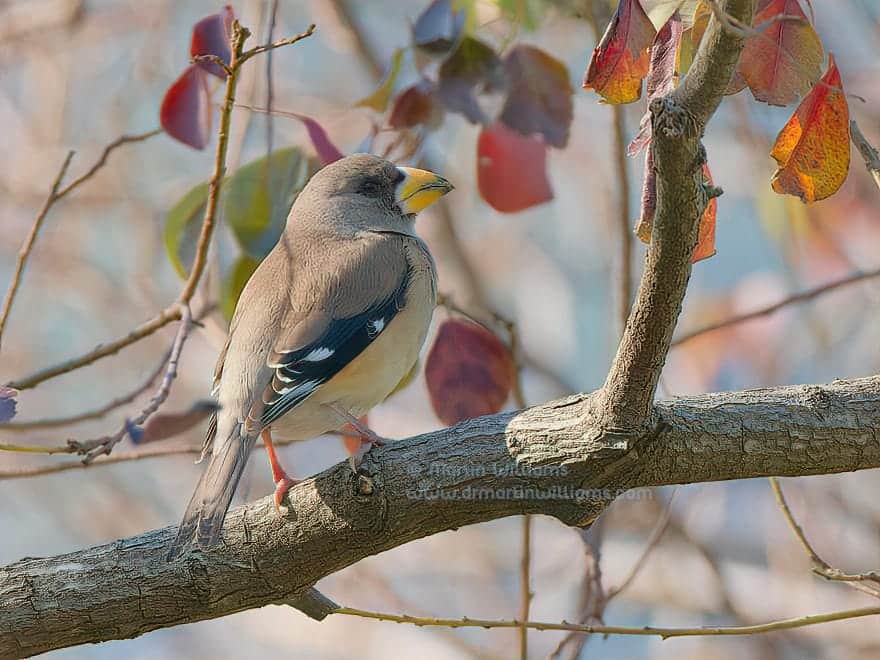
- Chinese Grosbeak
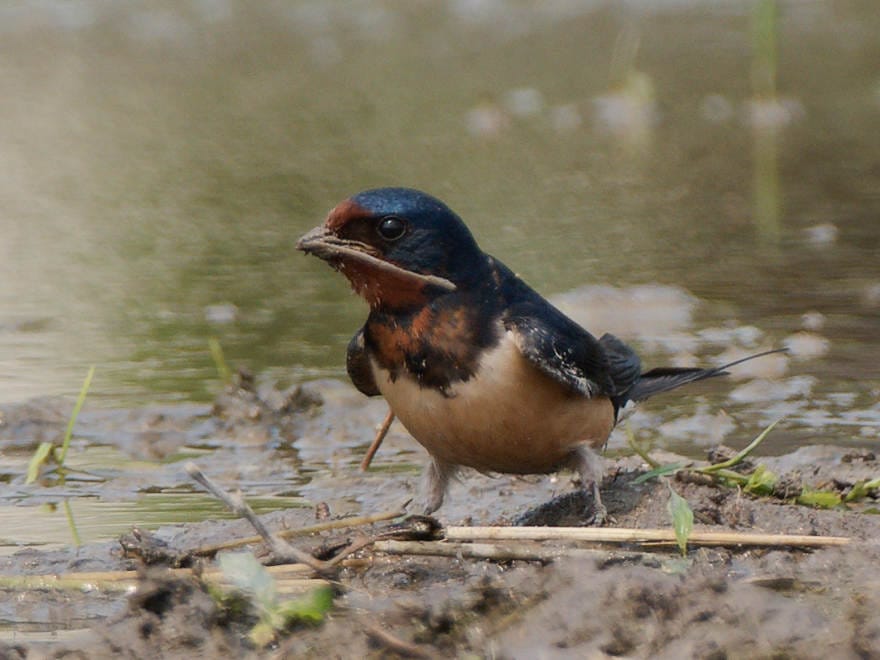
- Barn Swallow with rusty underparts like tytleri
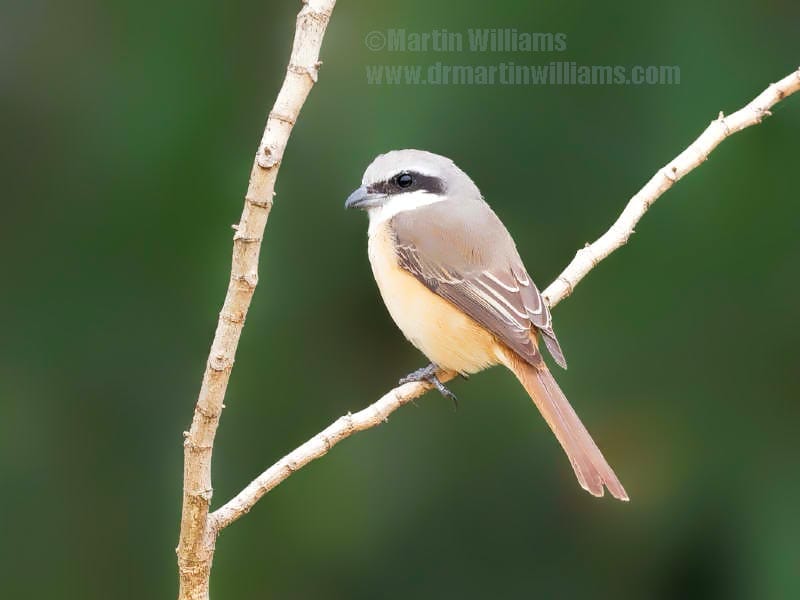
- Brown Shrike
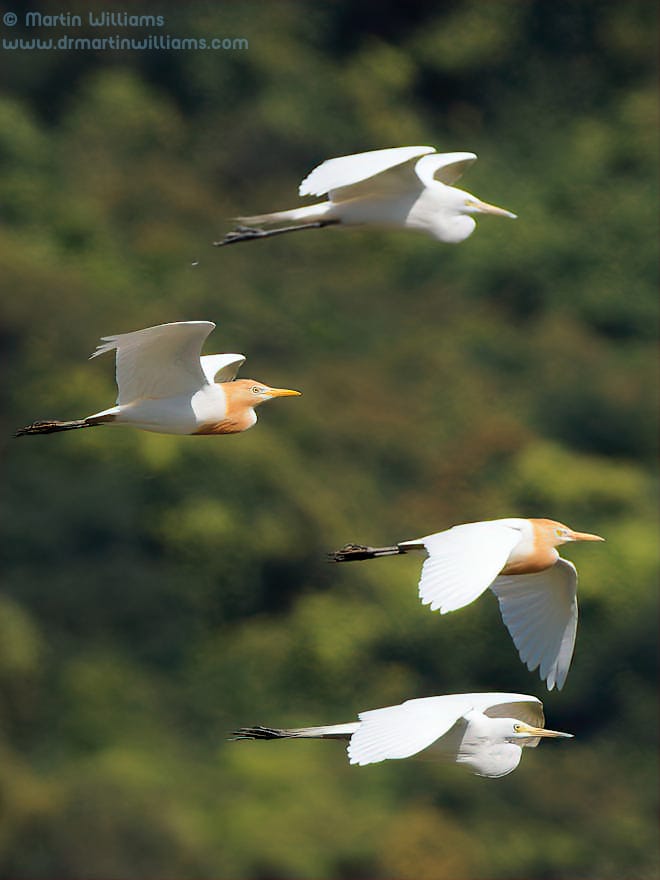
- Cattle Egrets with Intermediate Egret
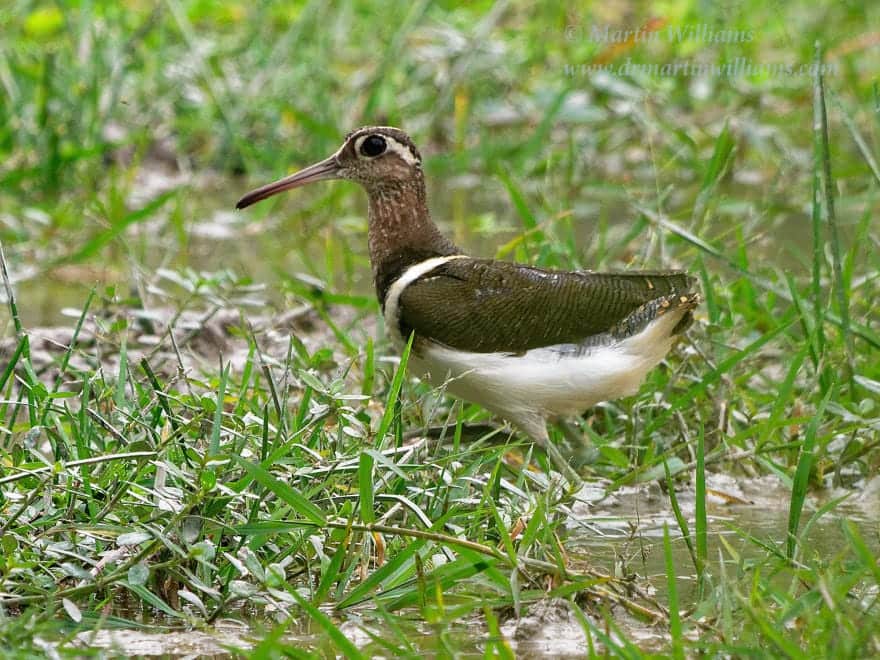
- Greater Paintedsnipe
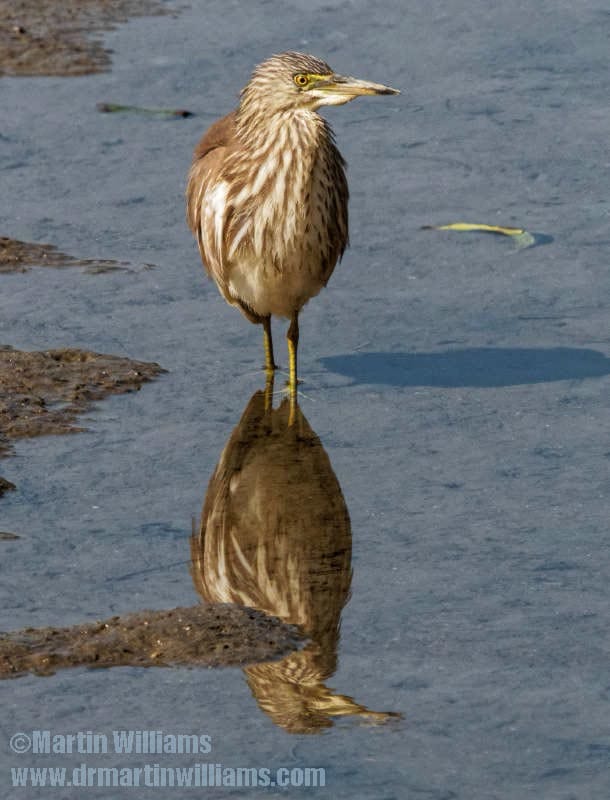
- Chinese Pond Heron
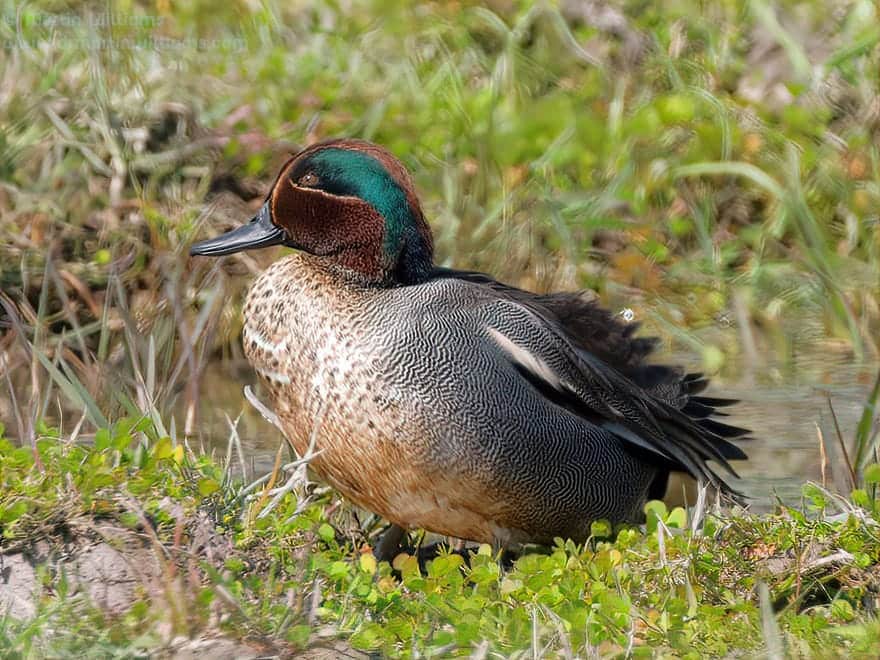
- Drake Common Teal
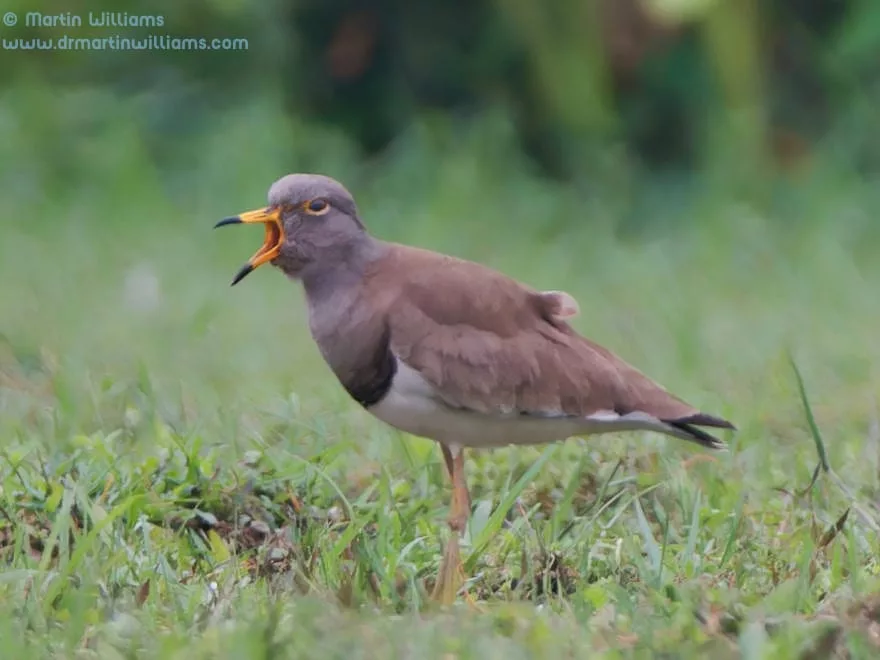
- Grey-headed Lapwing, Pui O
- Cattle, Little and Intermediate egrets, Pui O
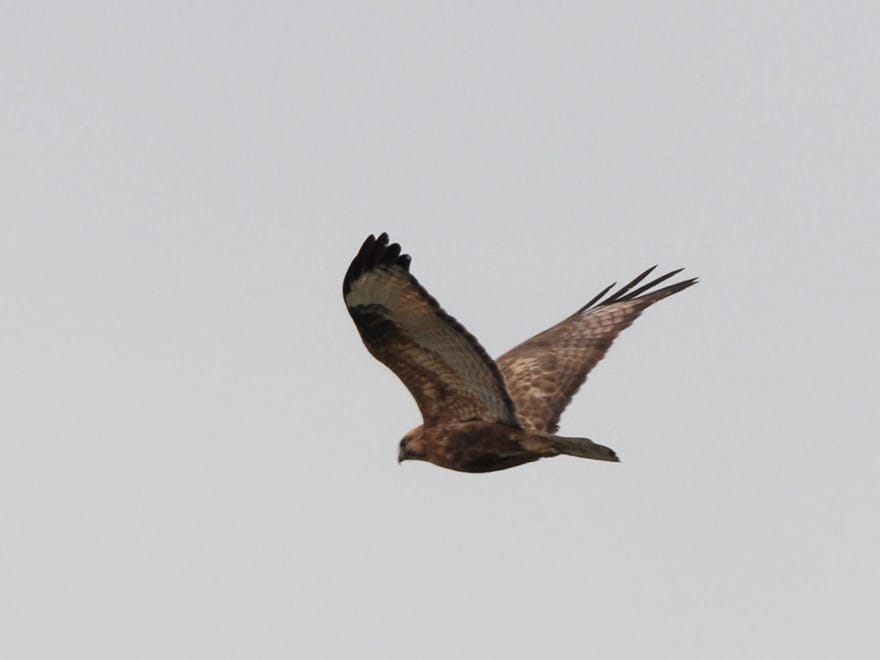
- Eastern Buzzard
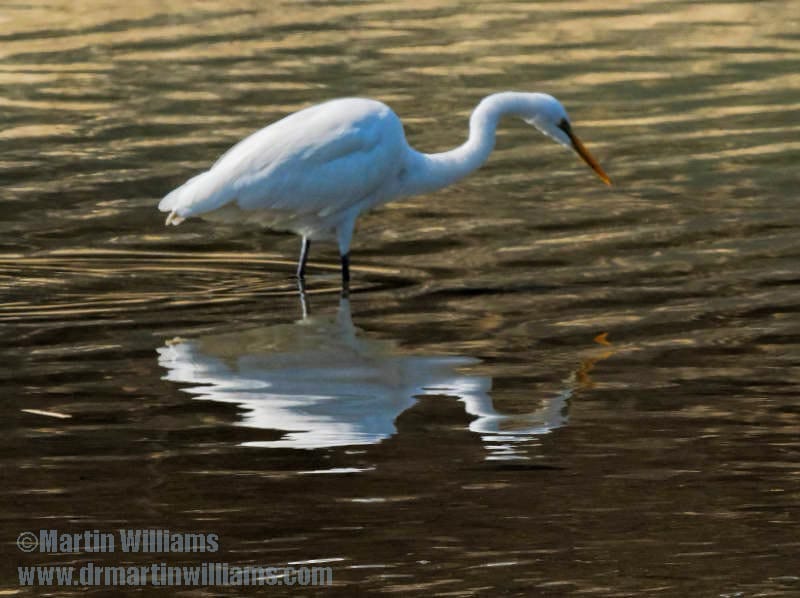
- Great Egret
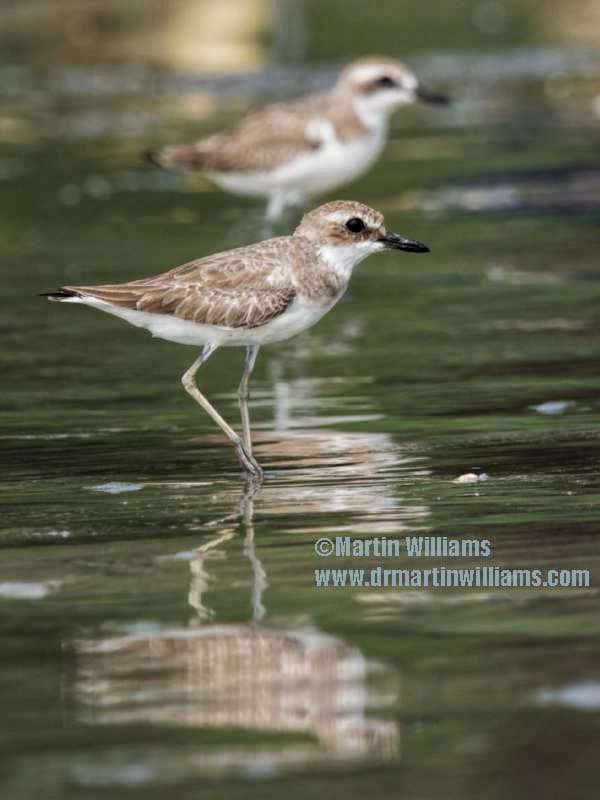
- Greater Sandplover
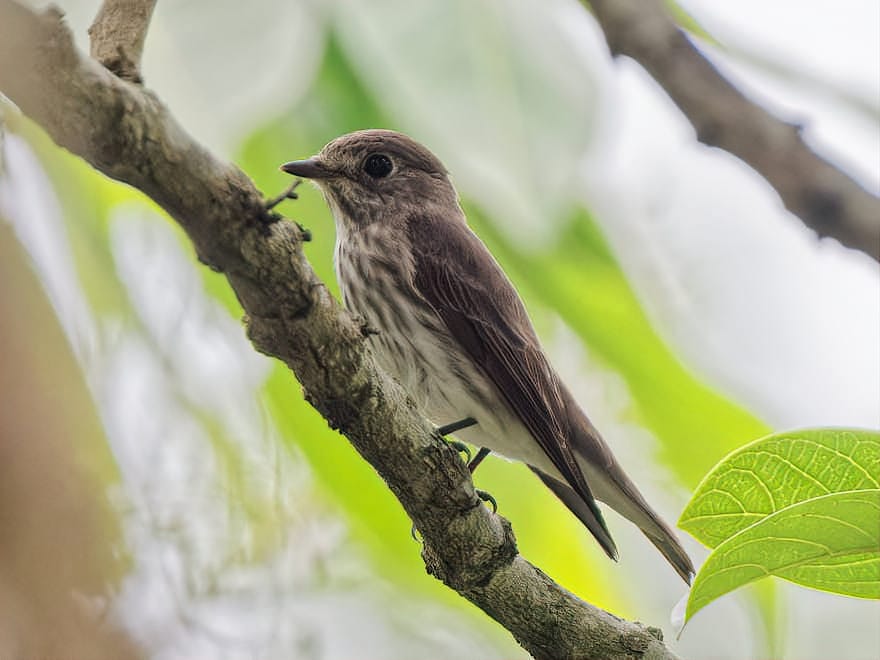
- Grey-streaked Flycatcher
- Little, Intermediate and Cattle egrets
- Japanese Yellow Bunting
- Little Egret
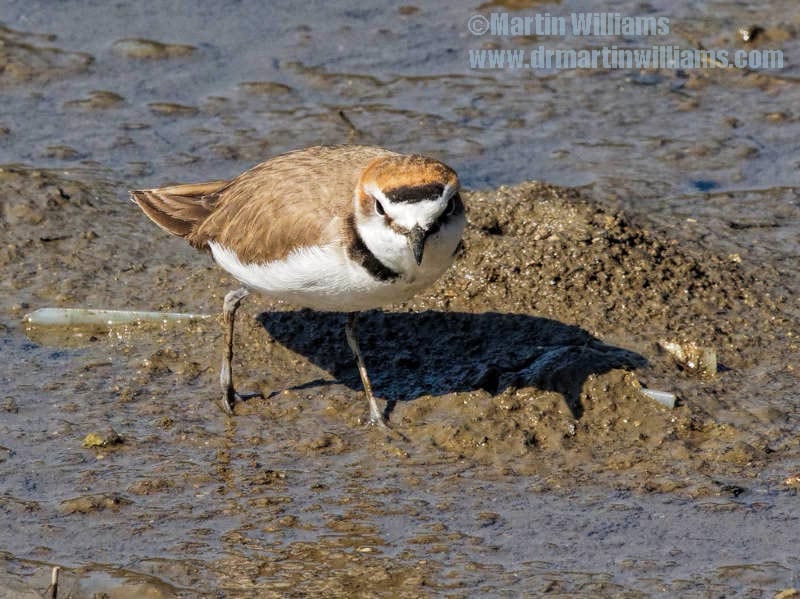
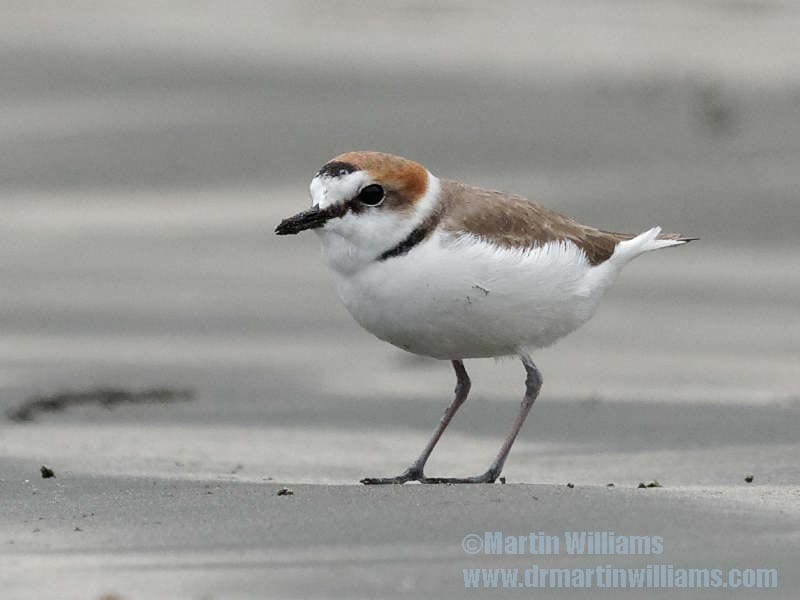
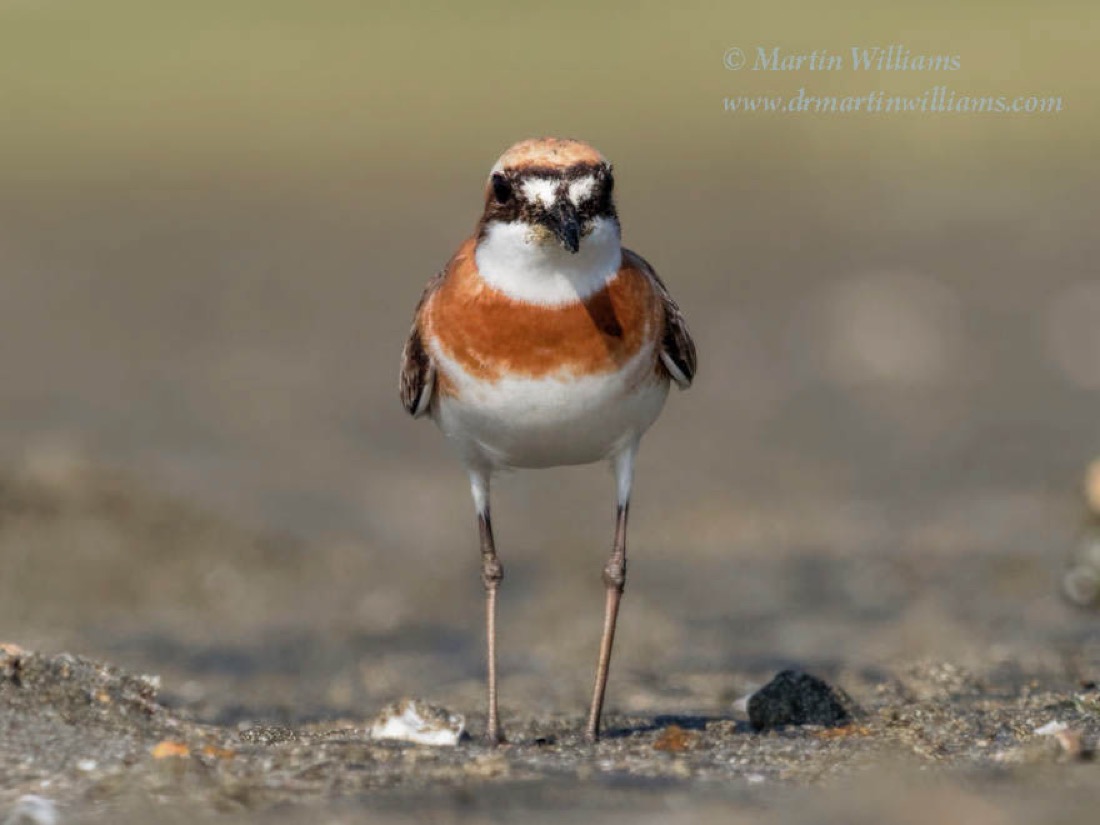
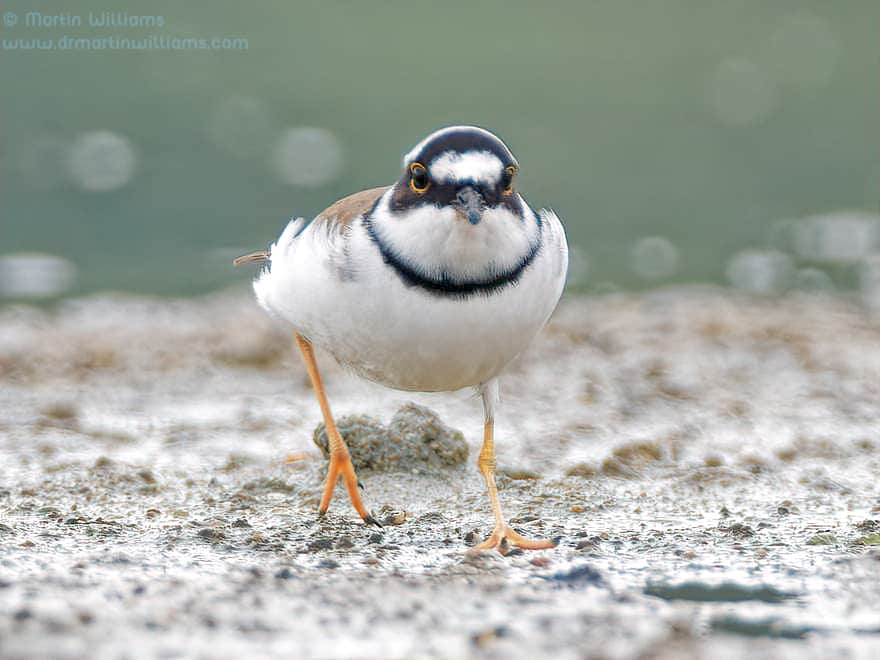
- Male Kentish Plover
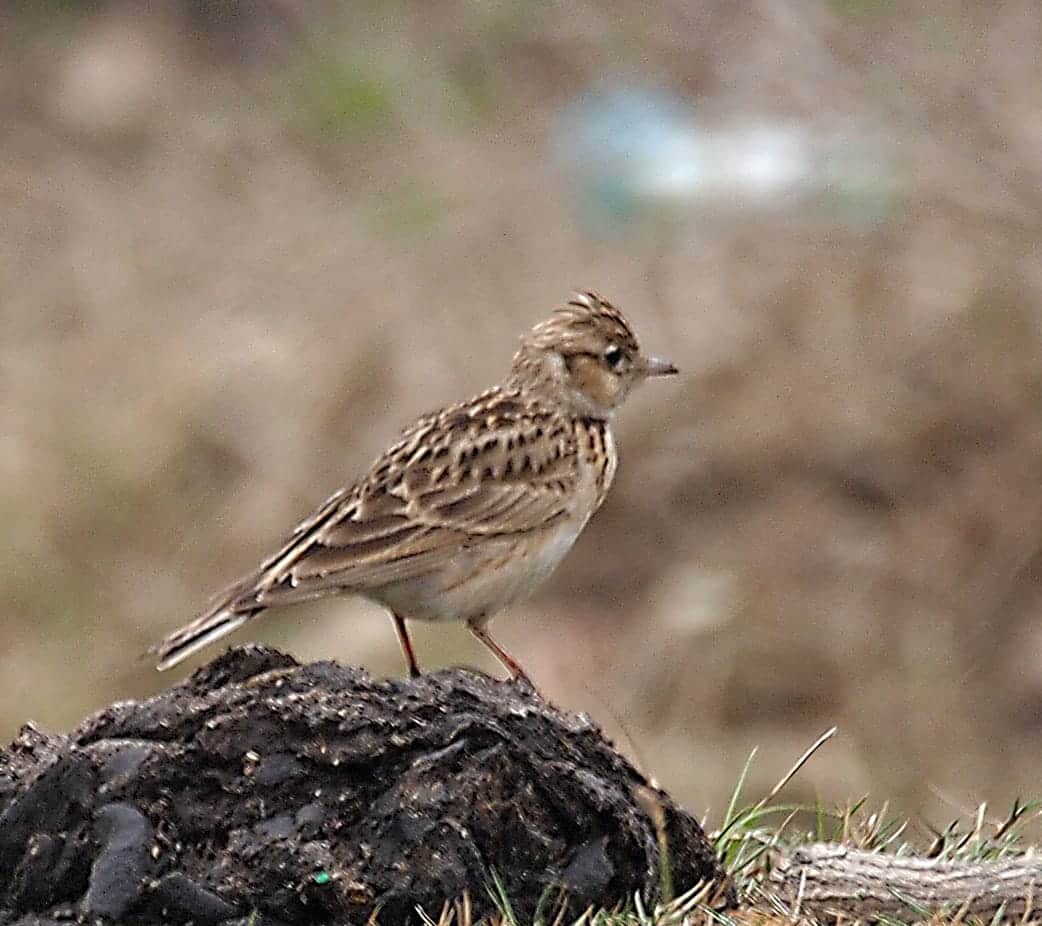
- Northern Skylark
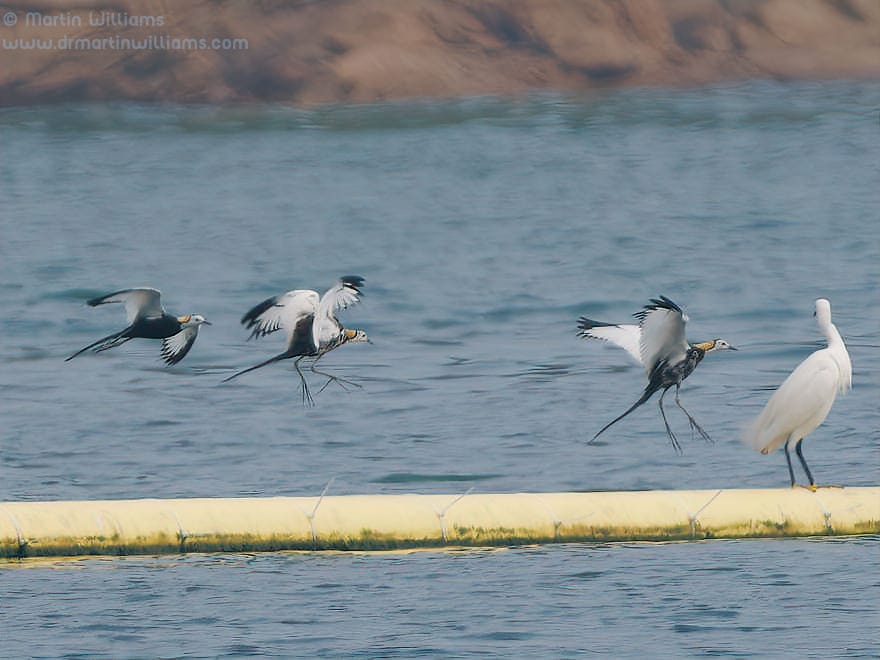
- Pheasant-tailed Jacanas, Pui O
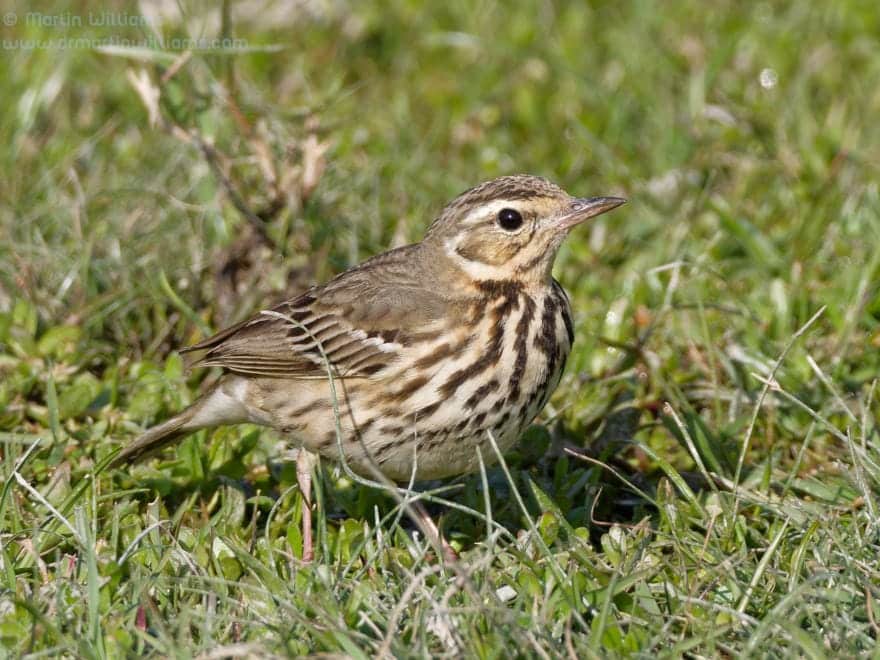
- Olive-backed Pipit
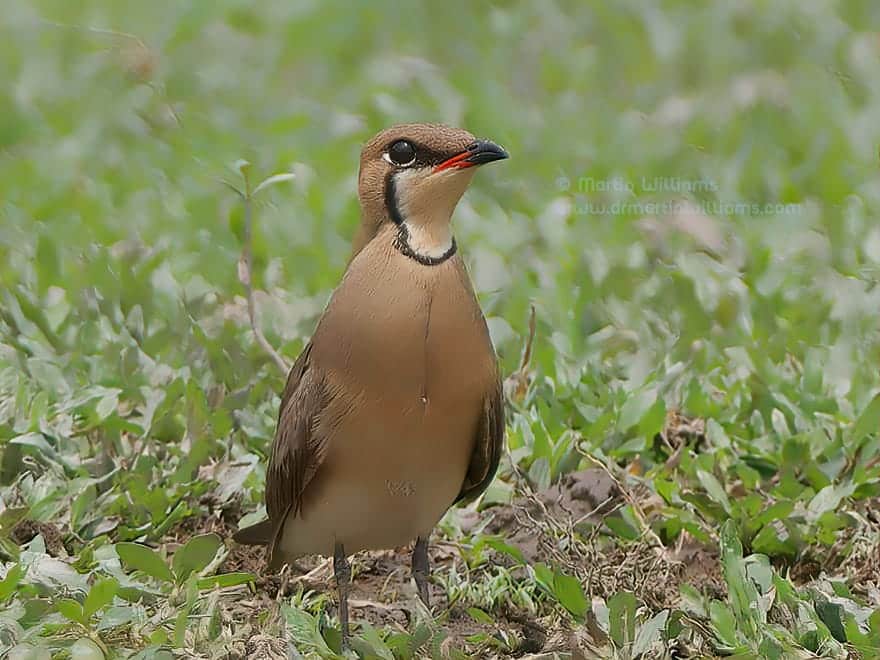
- Oriental Pratincole
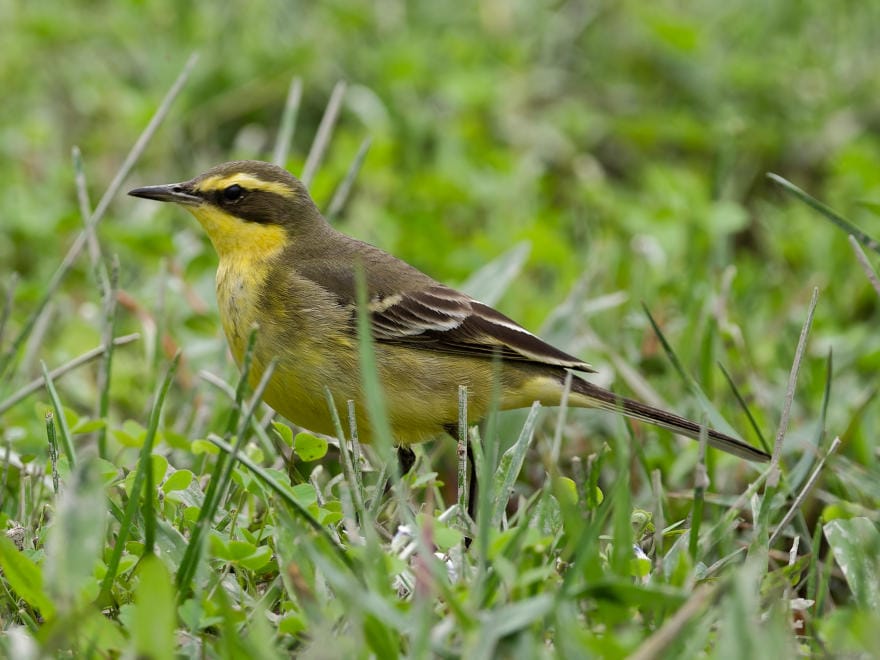
- Yellow Wagtail taivana
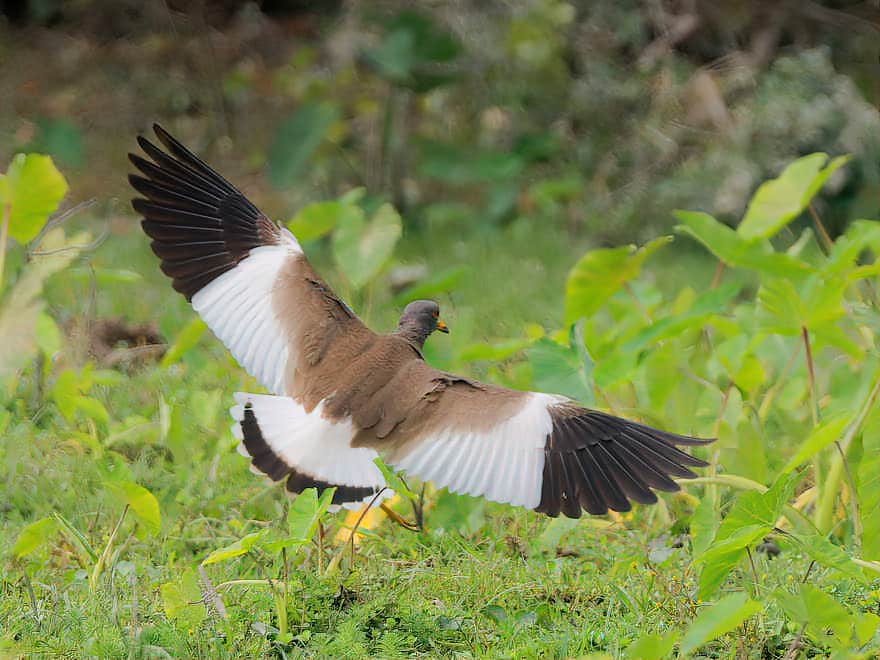
- Grey-headed Lapwing at Pui O, Lantau
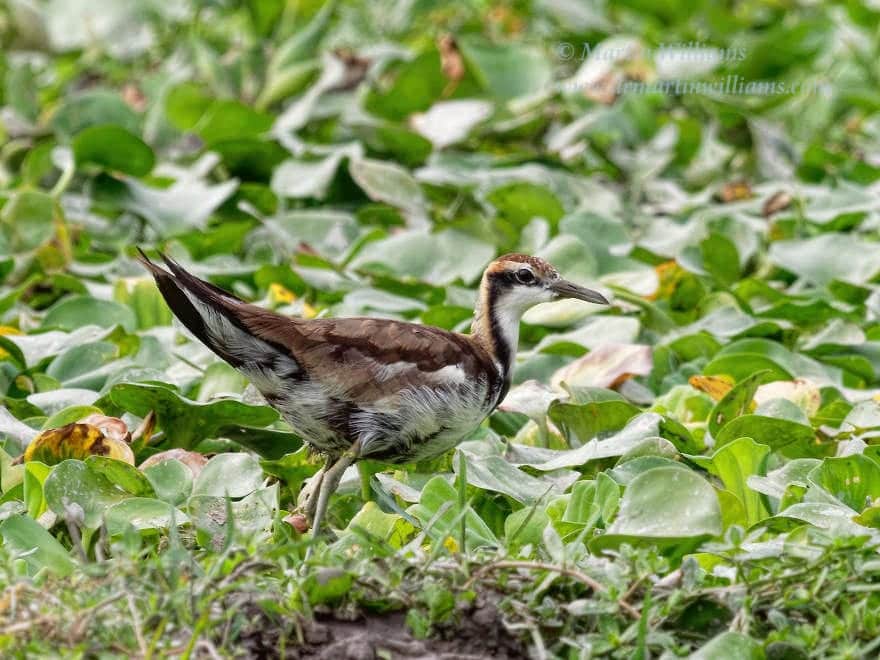
- Pheasant-tailed Jacana
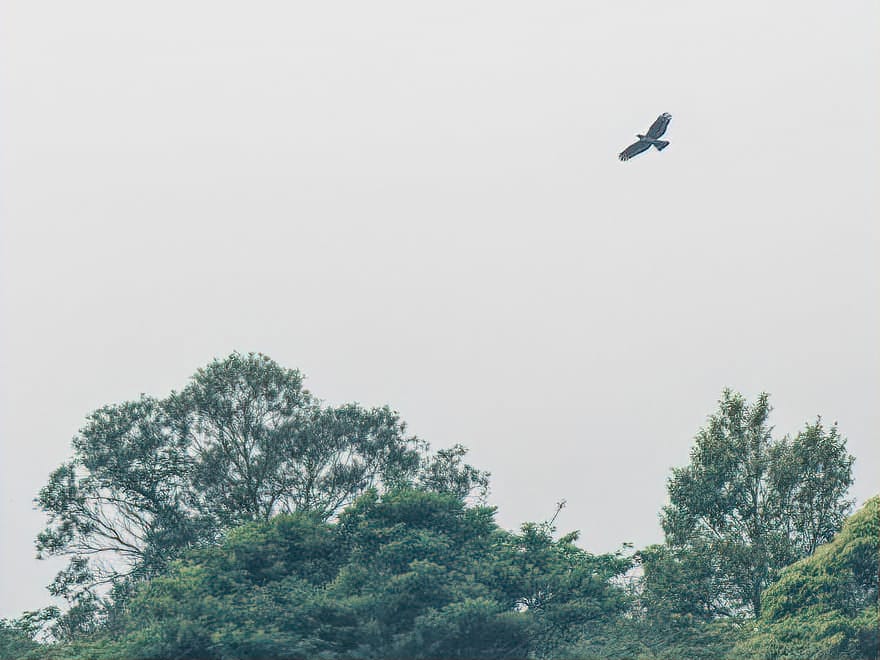
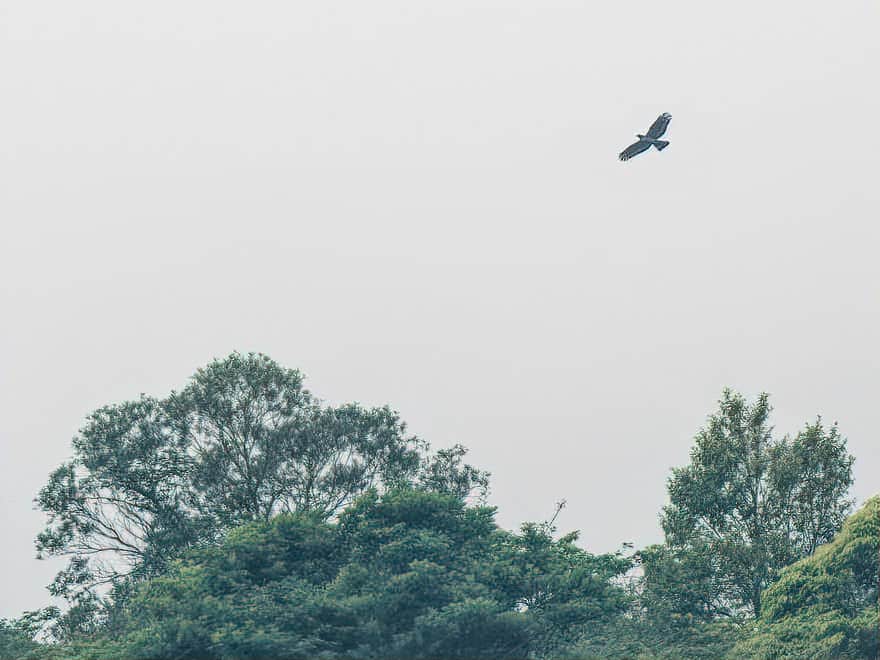
- Oriental Honey Buzzard, over slopes of Sunset Peak above Pui O
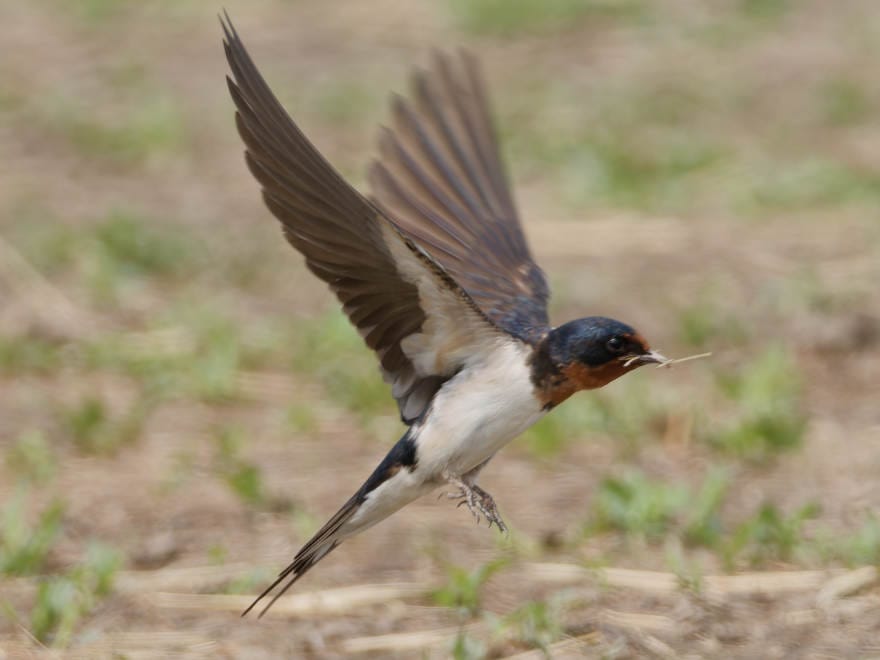
- Barn Swallow
- Kentish Plover
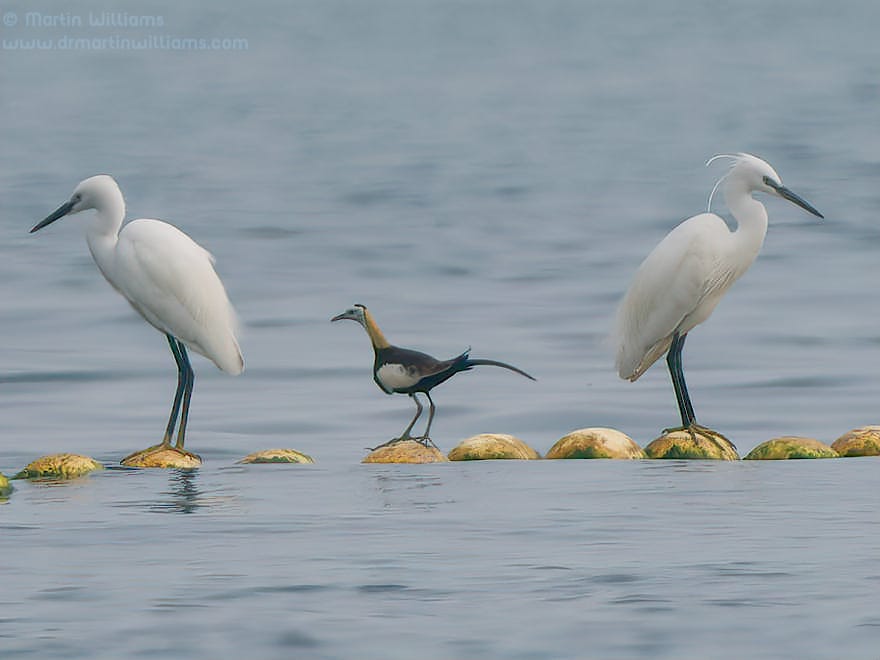
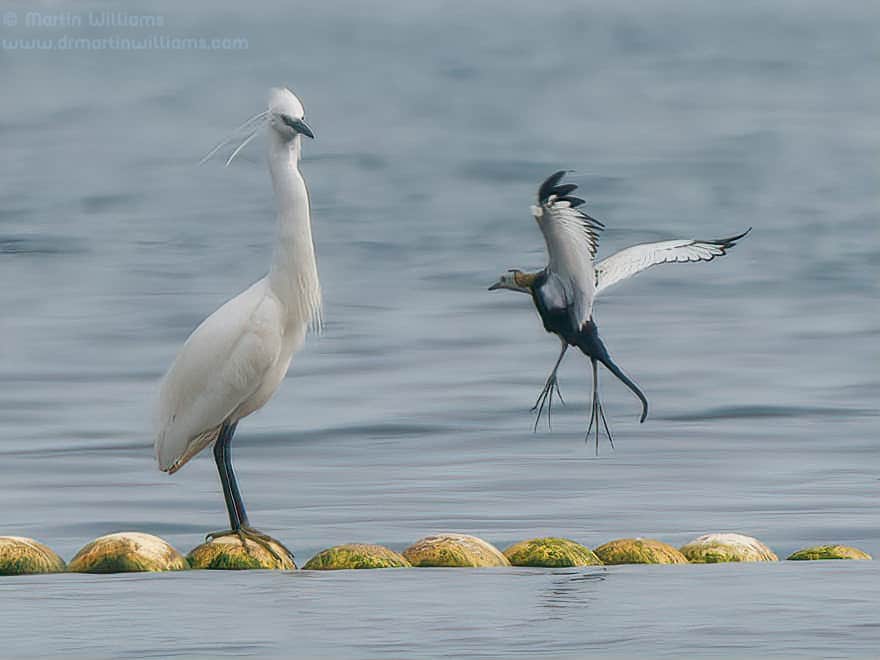
- Pheasant-tailed Jacana and Little Egrets, Pui O
- Red-throated Pipit
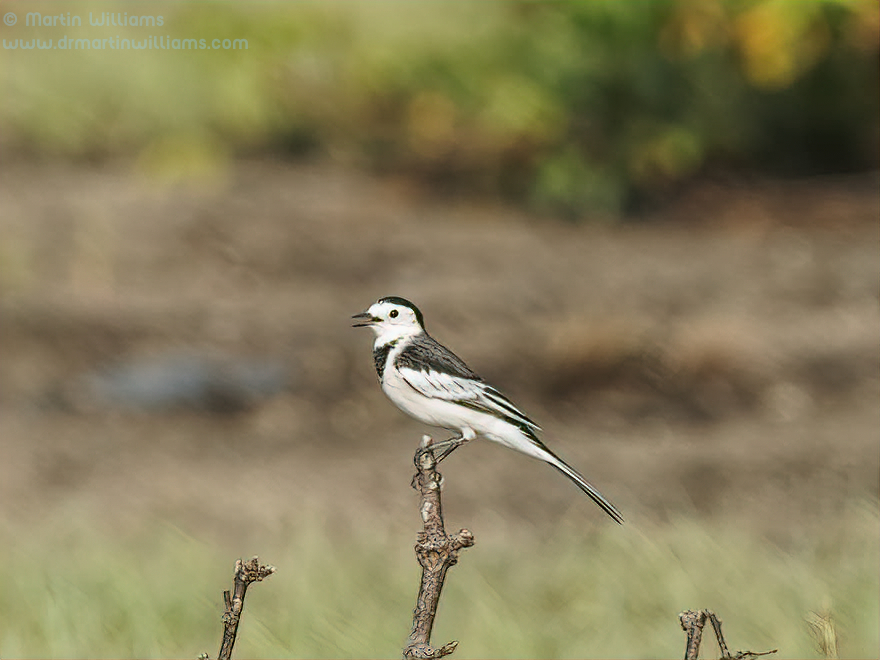
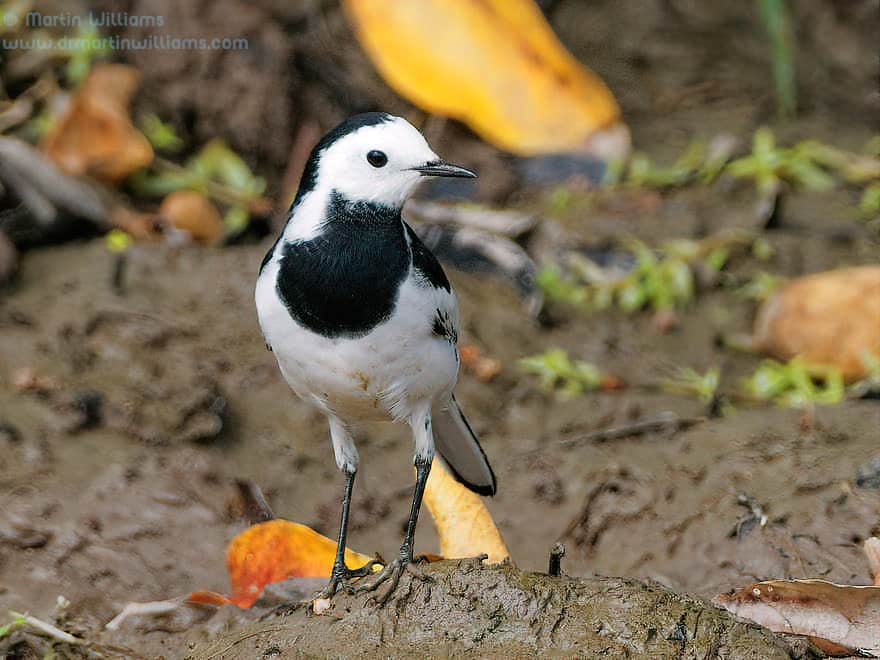
- White Wagtail
- Yellow Wagtail taivana
- Yellow-browed Warbler
- Swinhoe's or Pintail snipe
- Little, Great and Intermediate egrets, Pui O
- Swinhoe's or Pintail snipe
- Black-capped Kingfisher
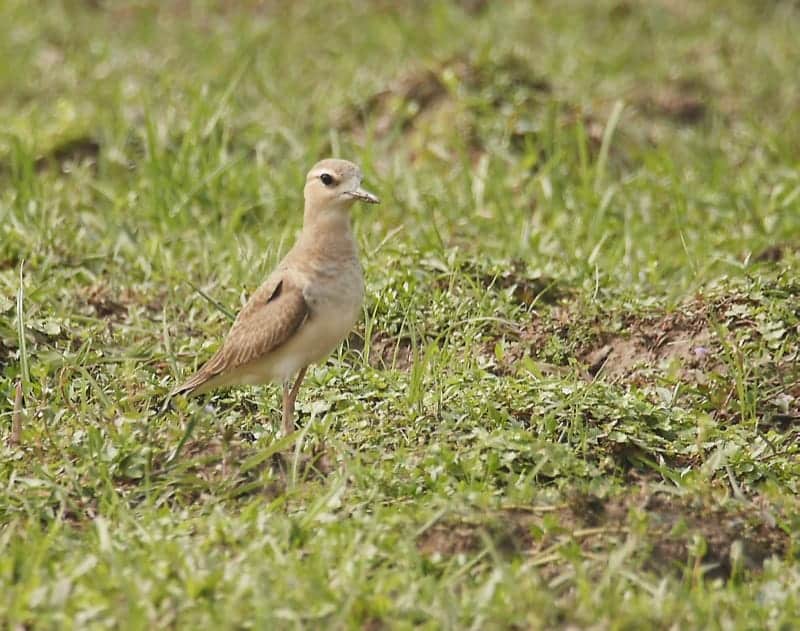
- Oriental Plover
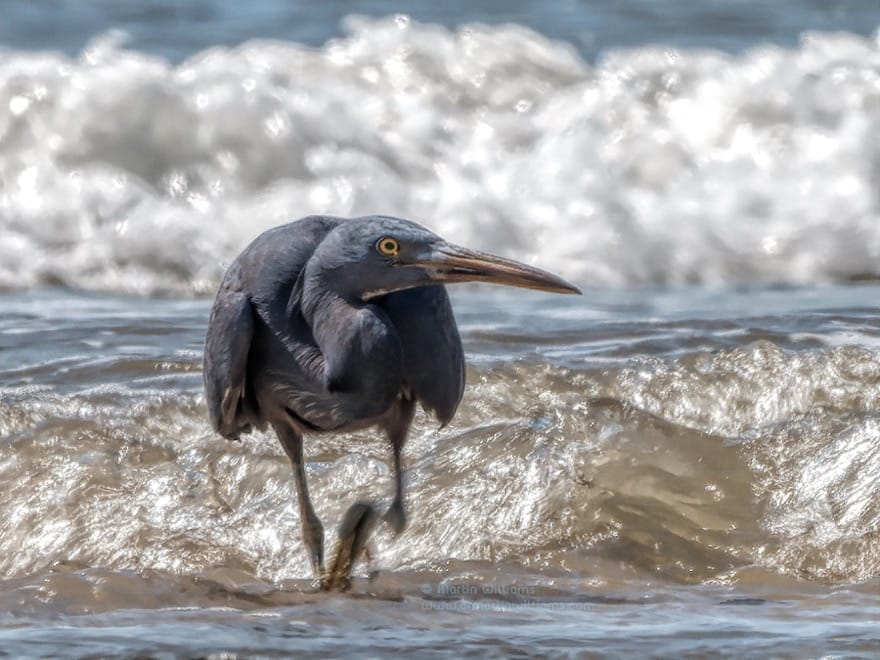
- Eastern Reef Egret
- Oriental Honey Buzzard over slopes above Pui O
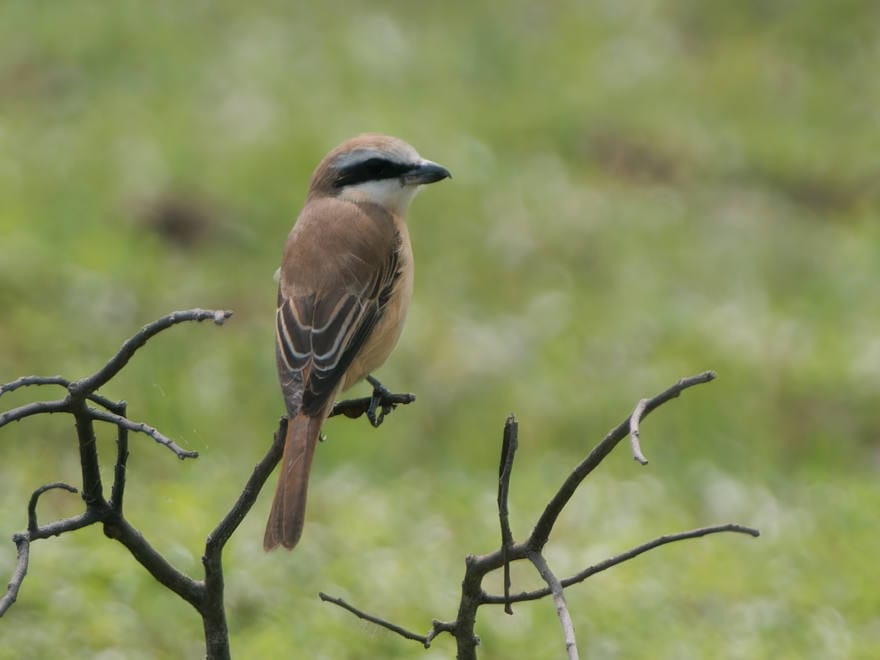
- Brown Shrike, Pui O
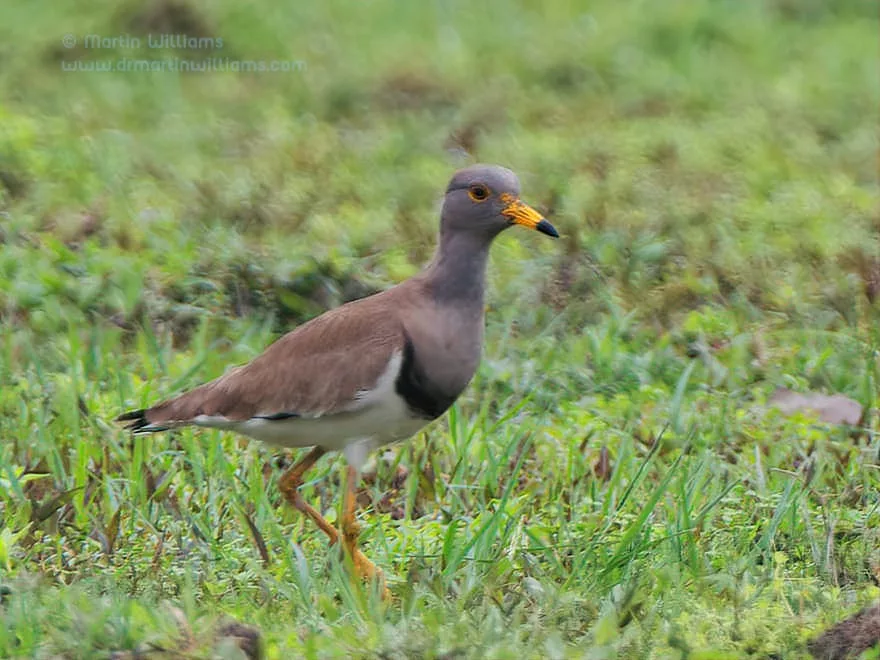
- Grey-headed Lapwing, Pui O
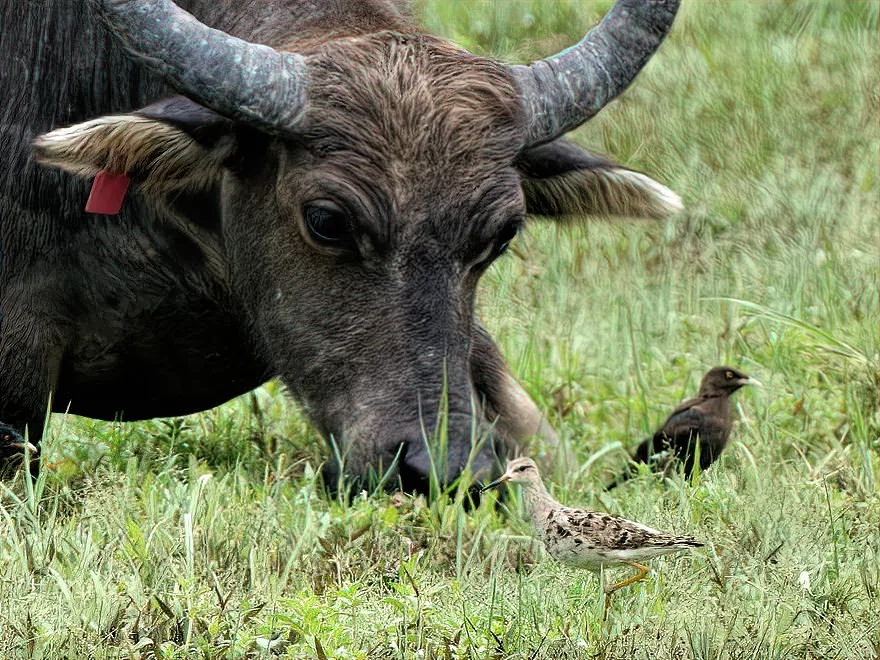
- Ruff with Crested Mynah and Water Buffalo, Pui O
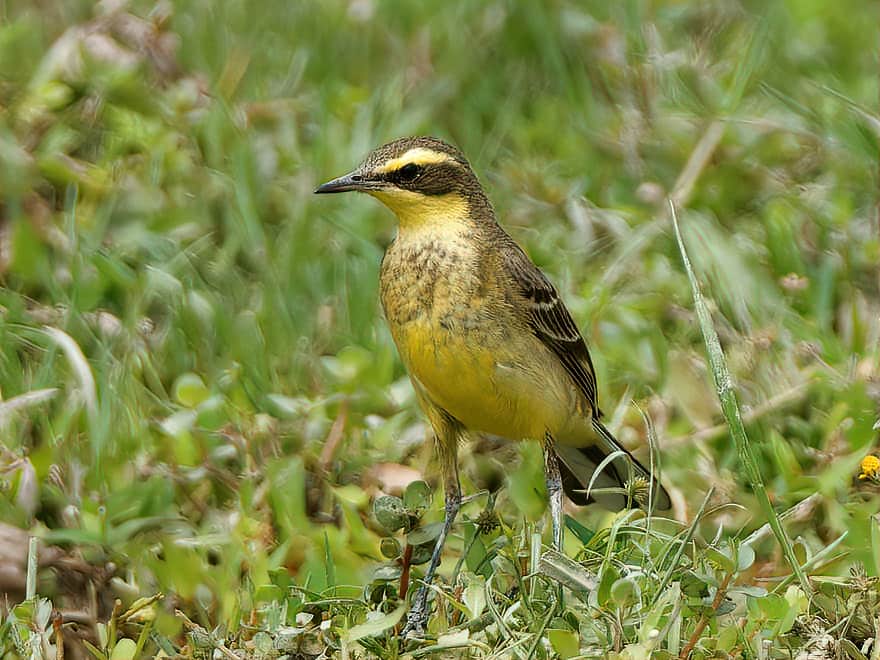
- Yellow Wagtail (taivana) at Pui O, Lantau
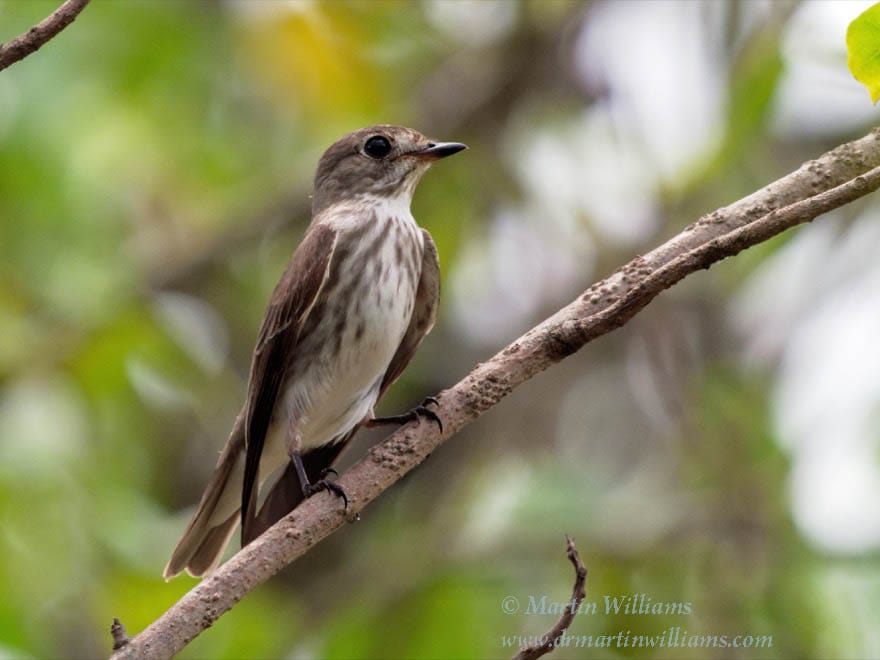
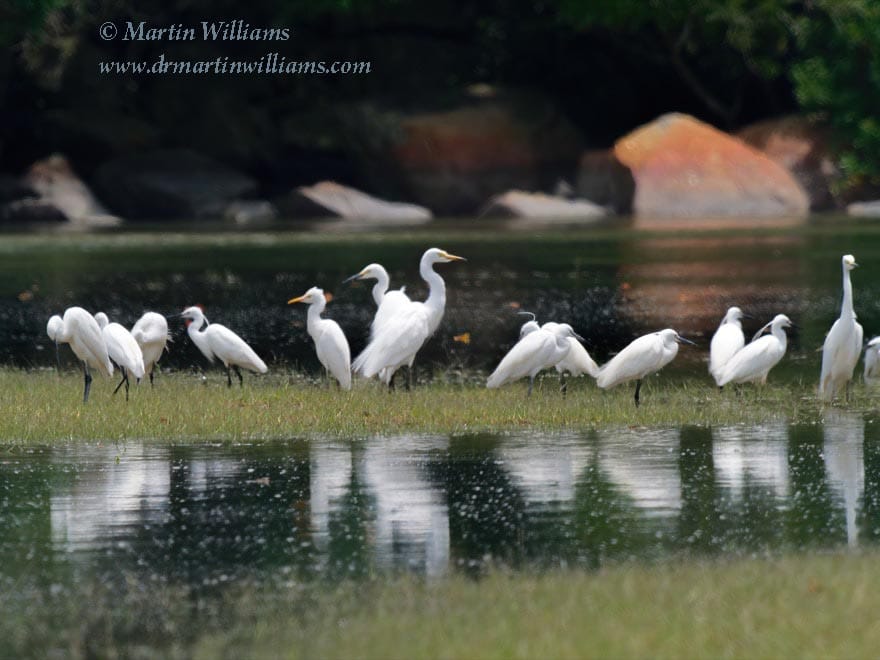
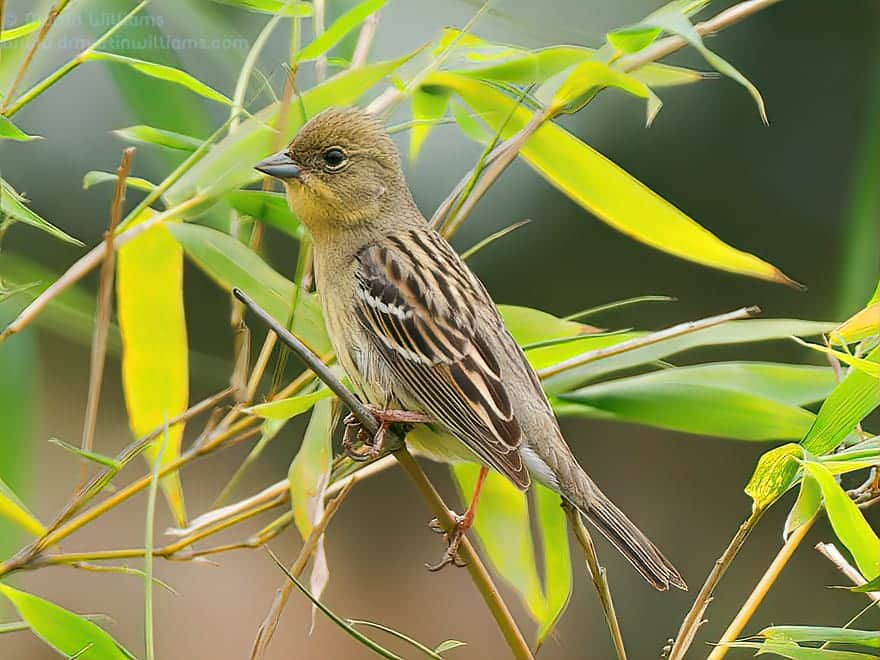
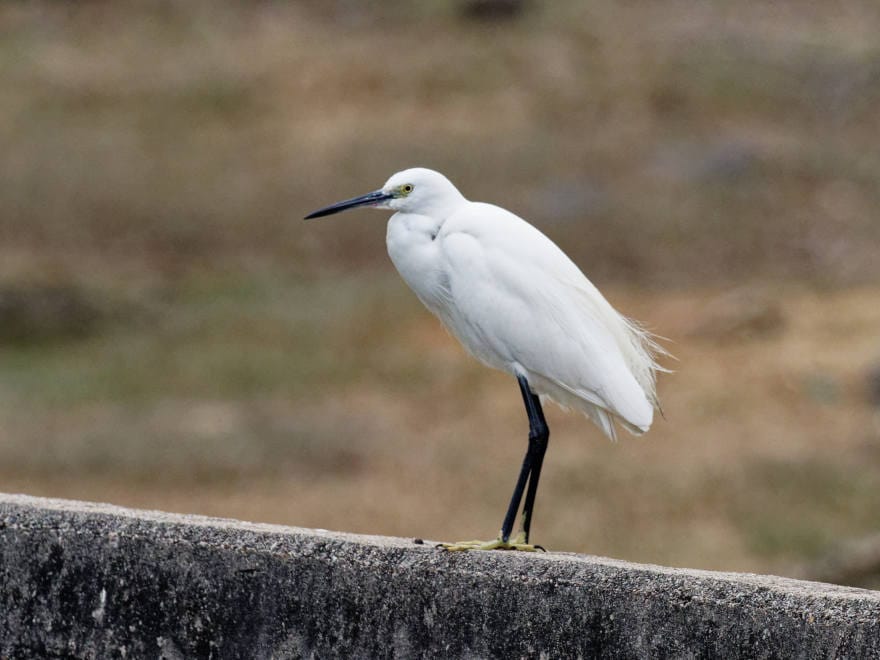
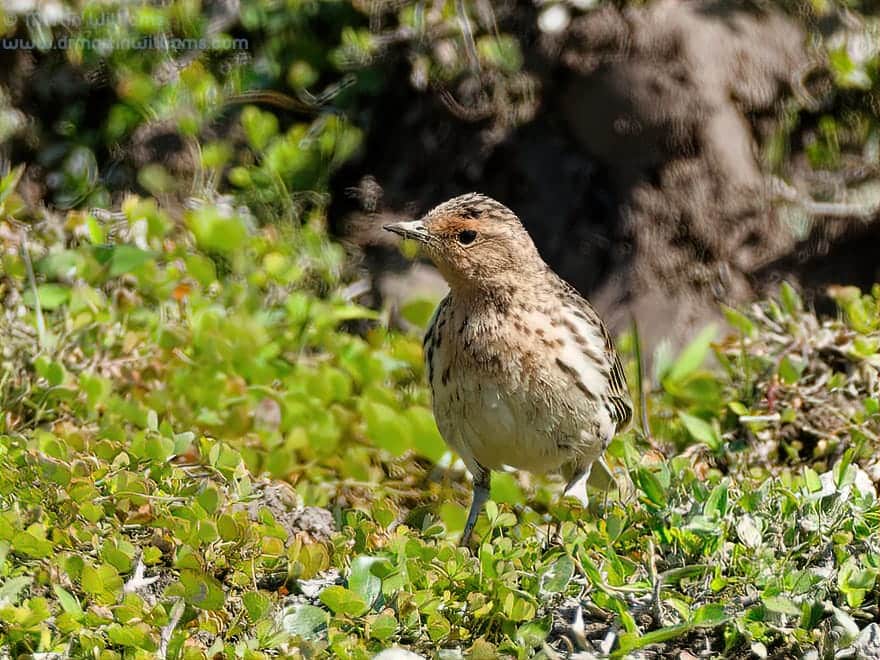
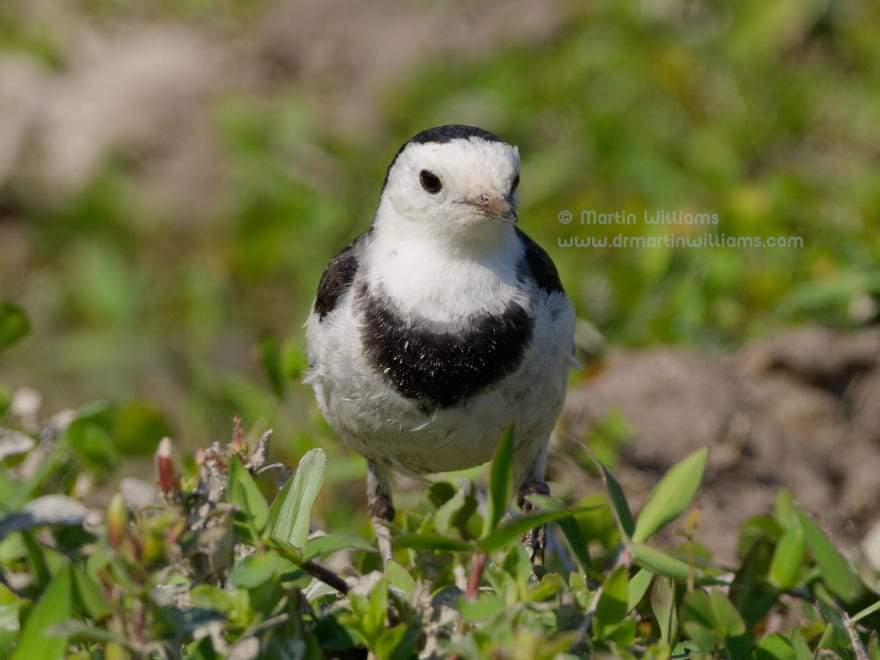
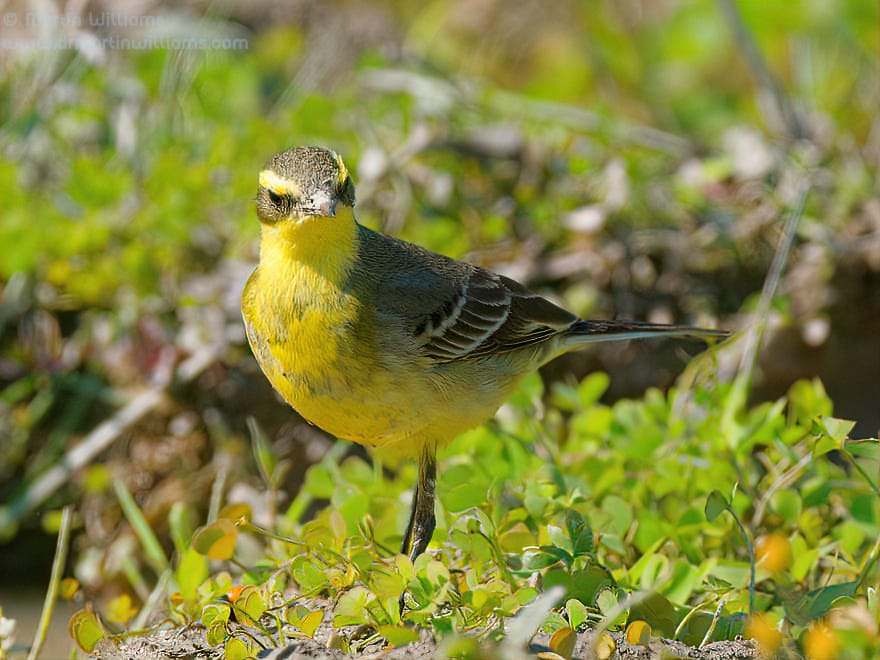
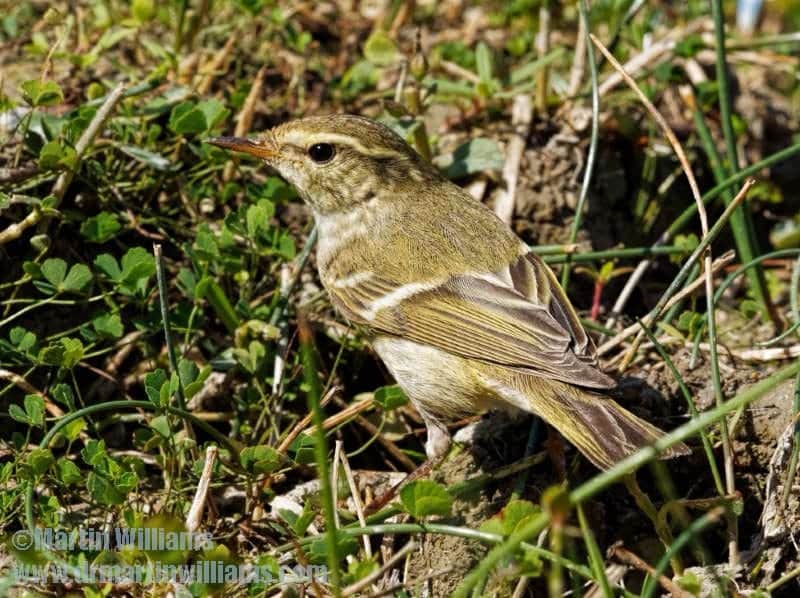
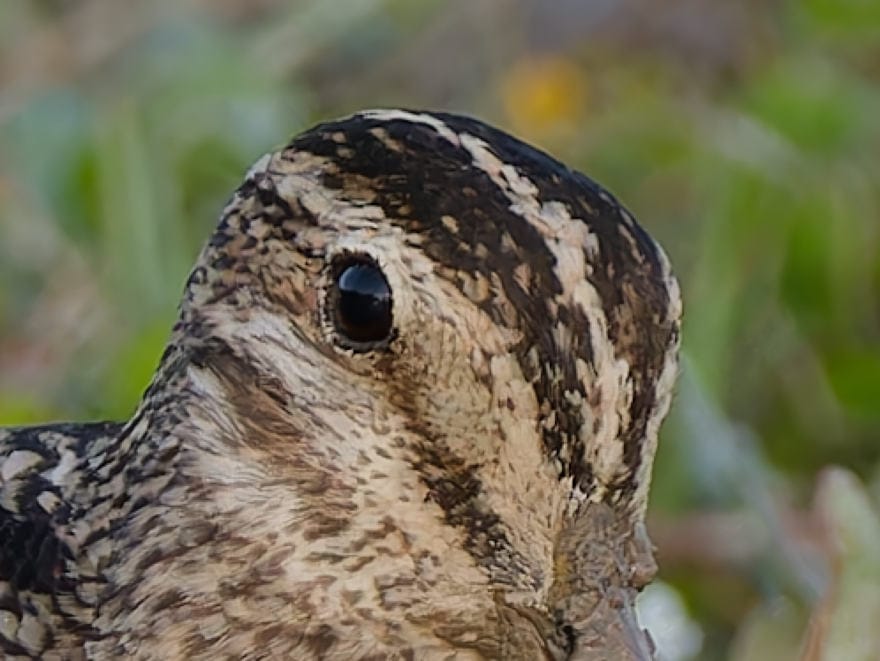
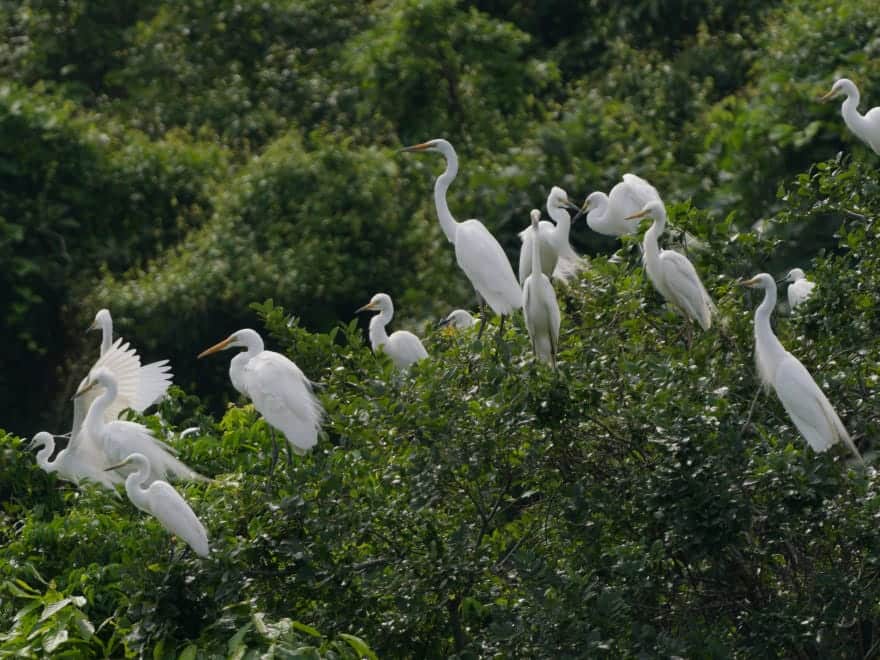
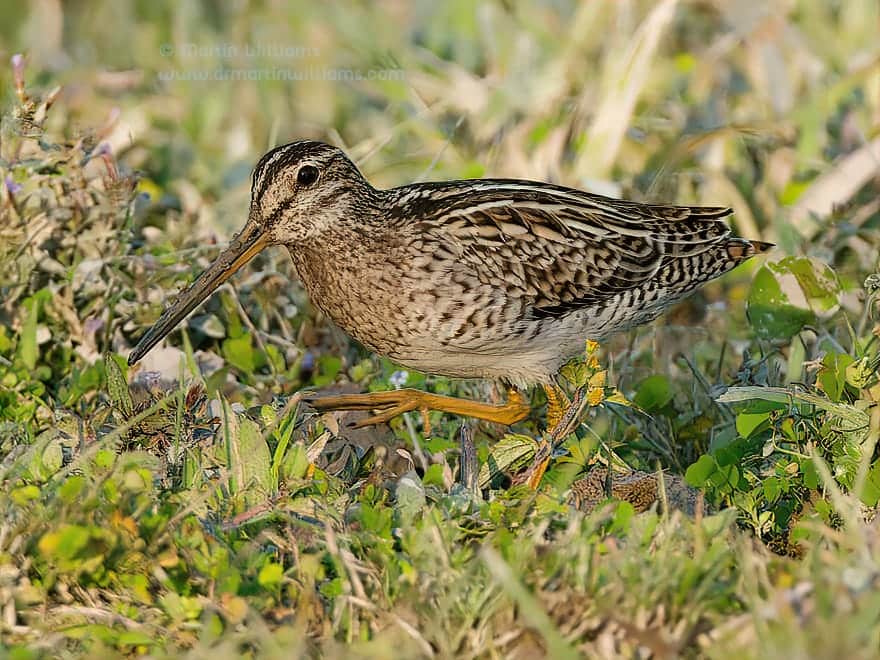
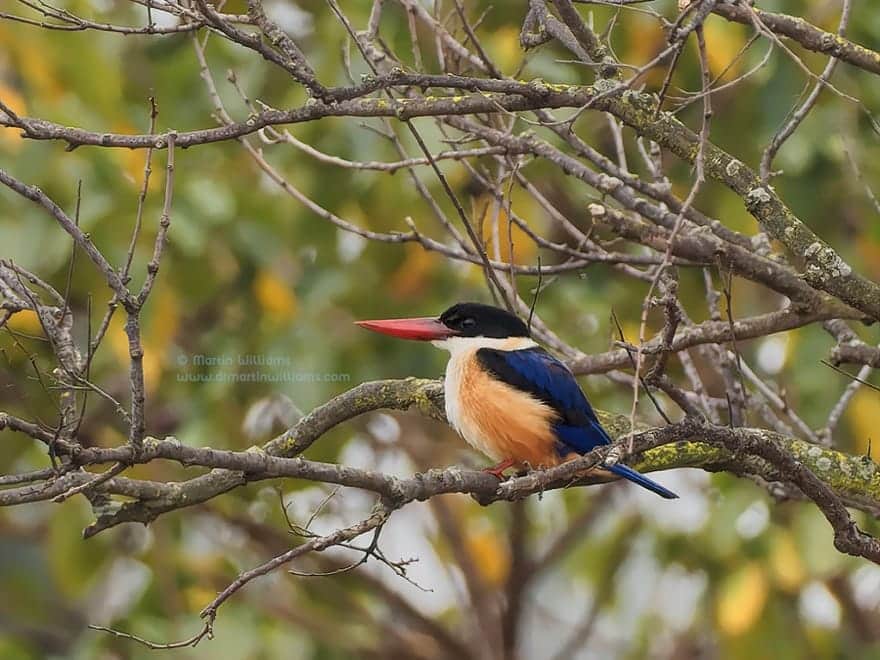
- Red-necked Stint at Shui Hau, Lantau
- Yellow Wagtail
- Reef Egret
- Two Common Redshanks, Shui Hau, and reflections
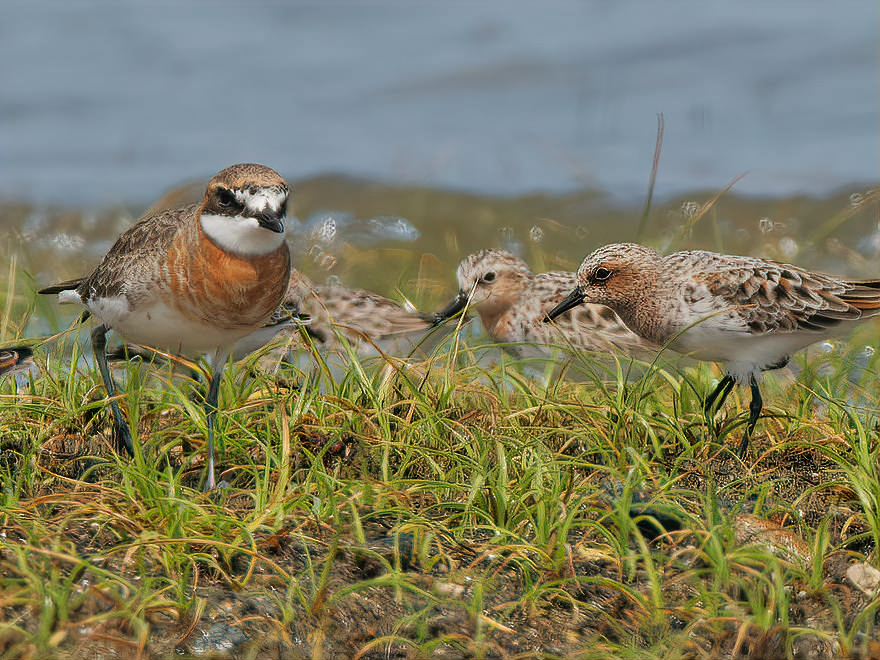
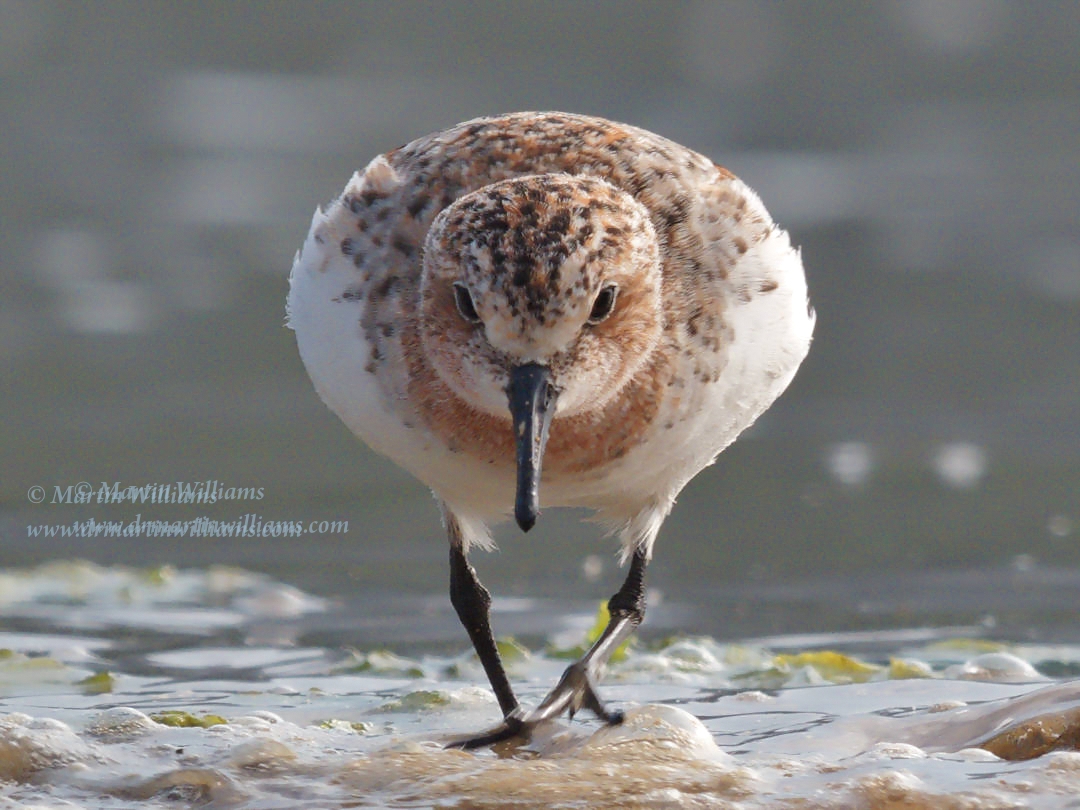
- Siberian Lesser Sandplover and Red-necked Stints
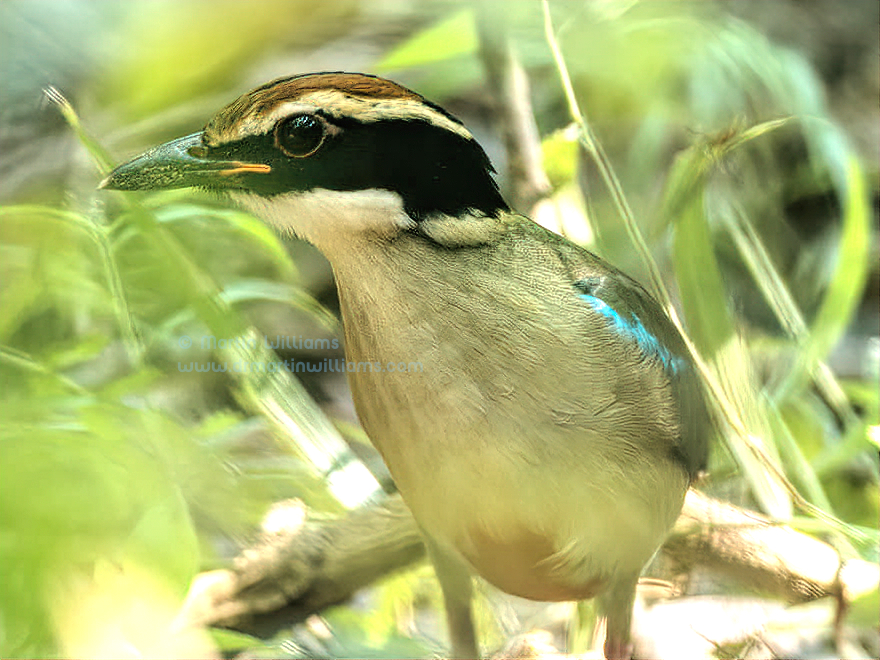
- Fairy Pitta
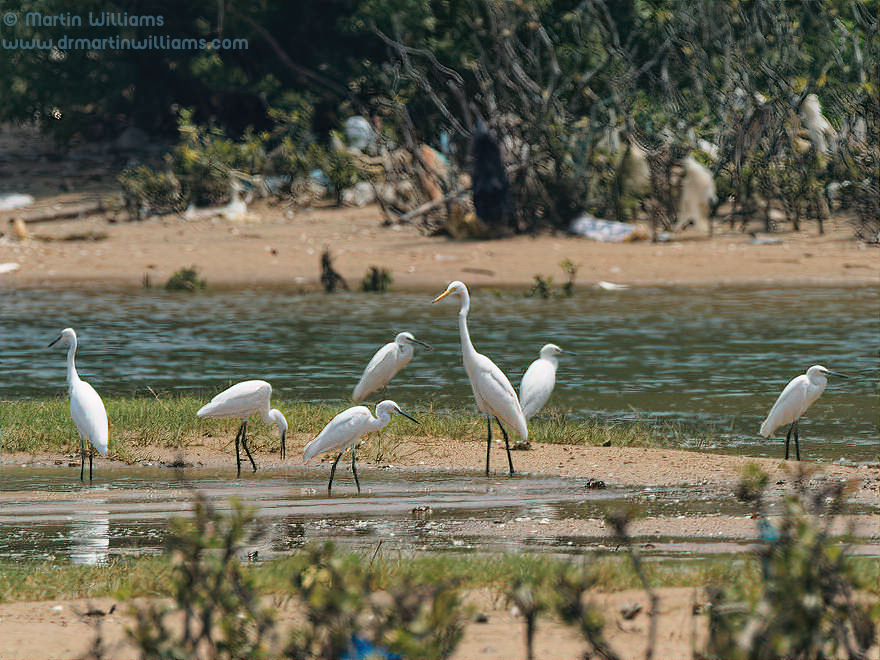
- Little Egrets and Intermediate Egret
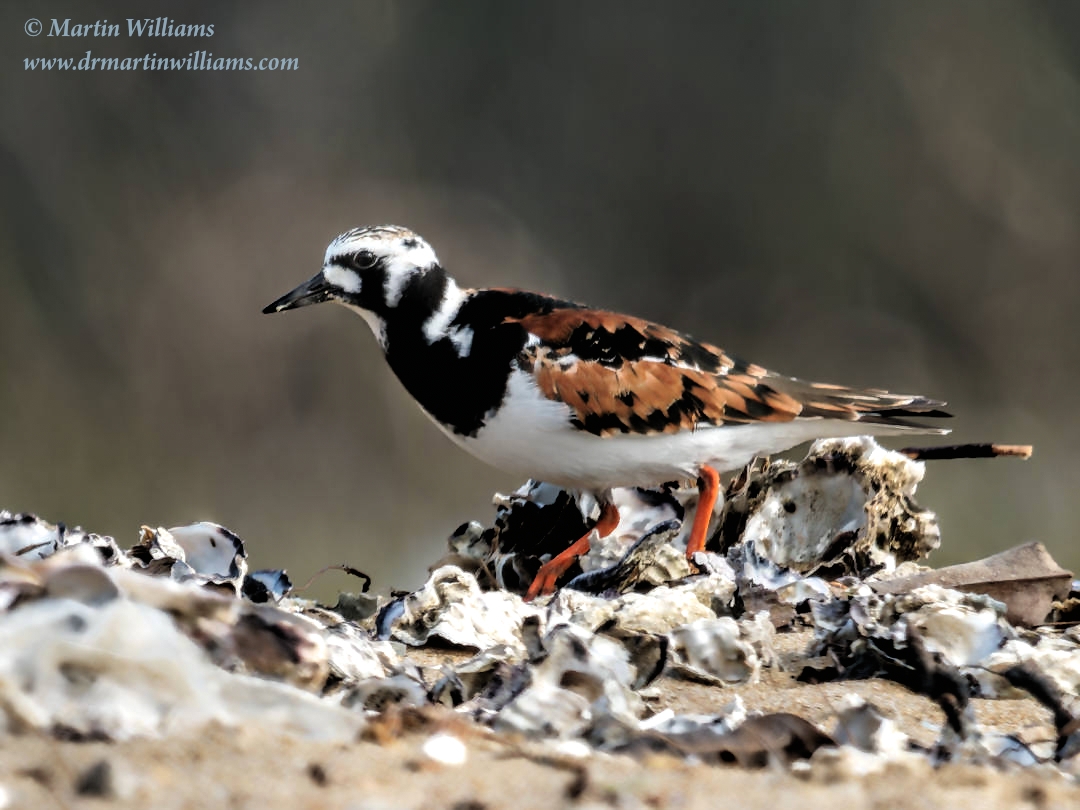
- Ruddy Turnstone
- Long-toed Stint, autumn
- Whimbrel and shellfish collector
- Dark-sided Flycatcher
- Arctic Warbler
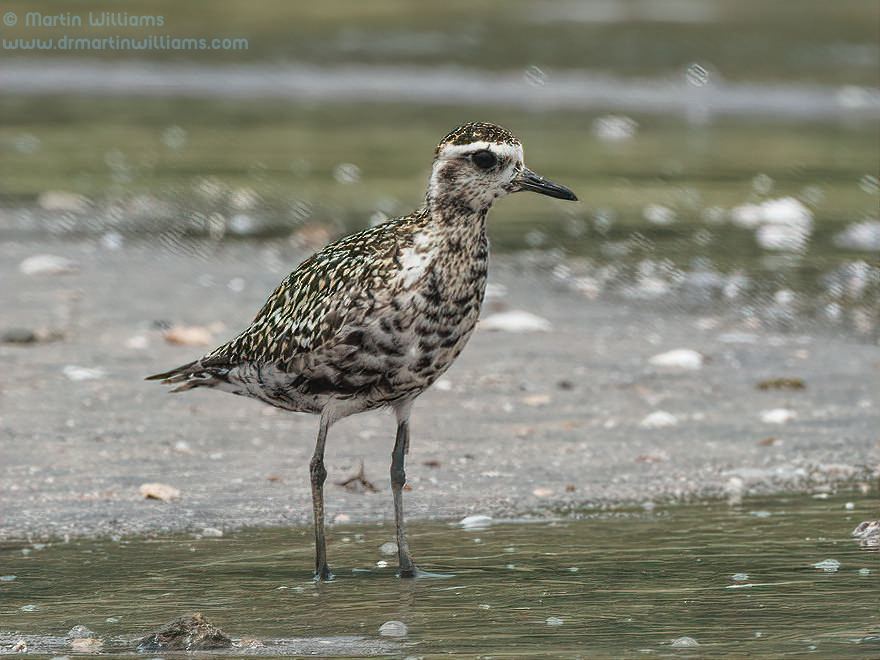
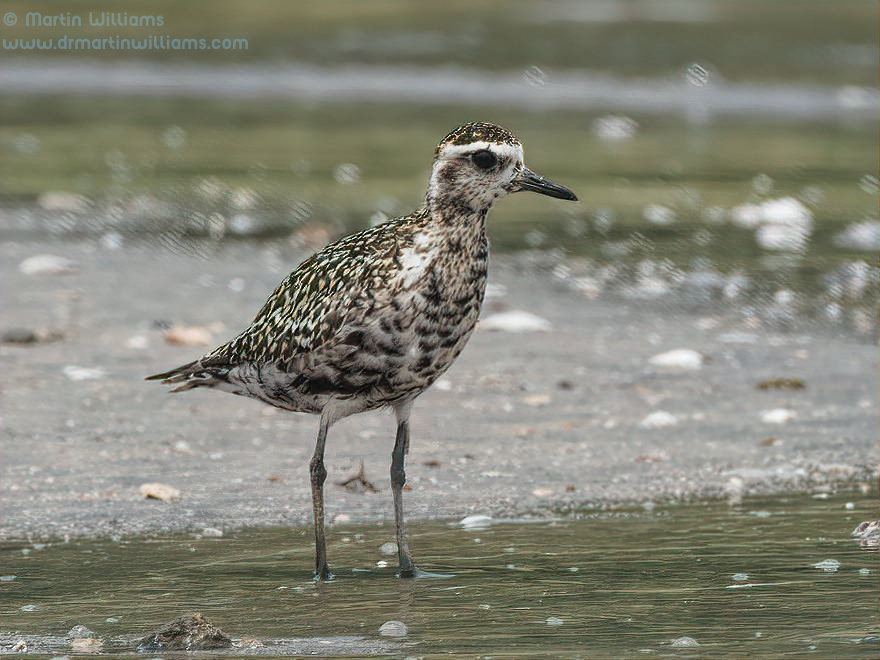
- Pacific Golden Plover
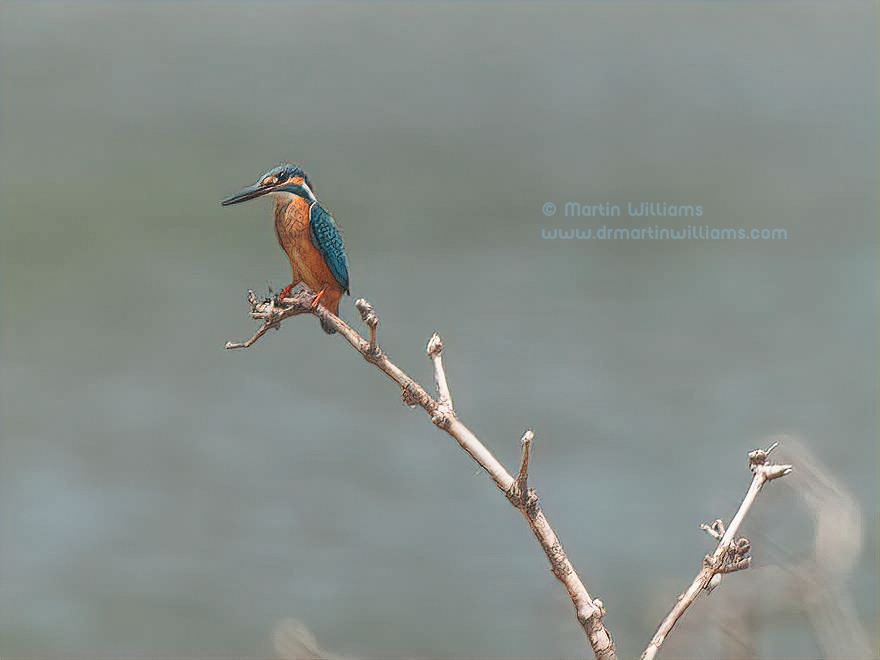
- Common Kingfisher
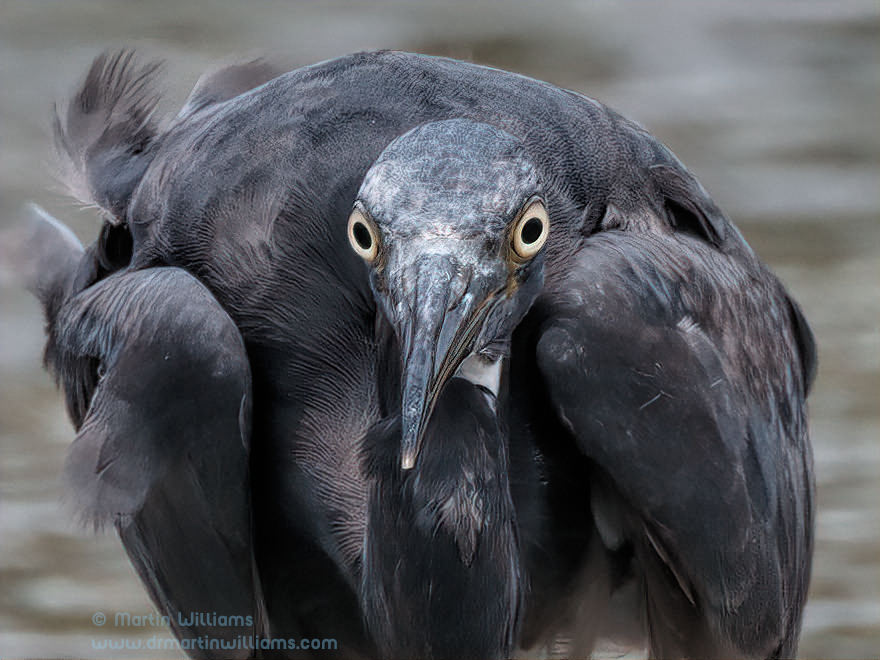
- Pacific Reef Egret
- Pacific Golden Plover, autumn
- Pacific Reef Egret
- White Wagtail
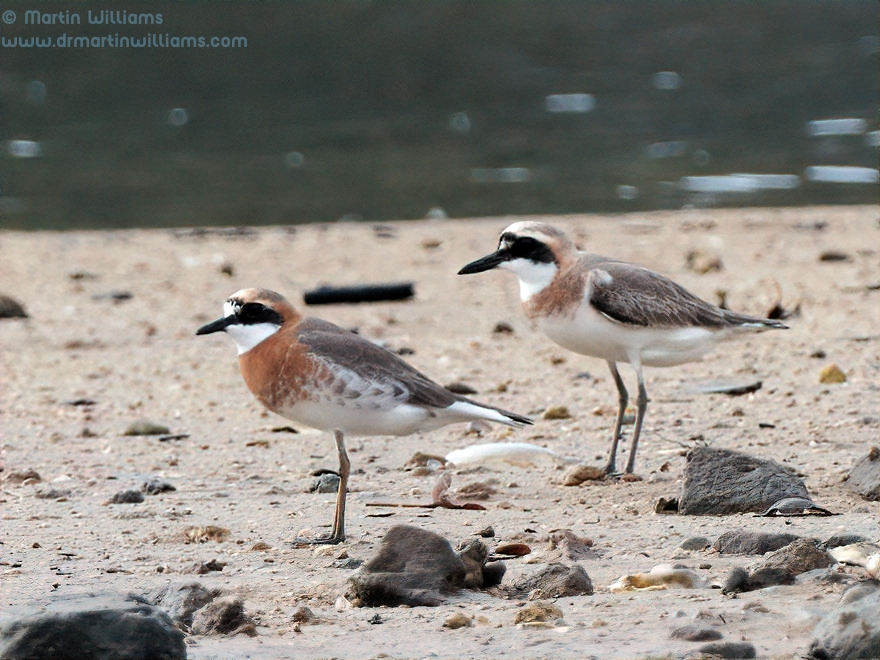
- Greater and Siberian sandplovers
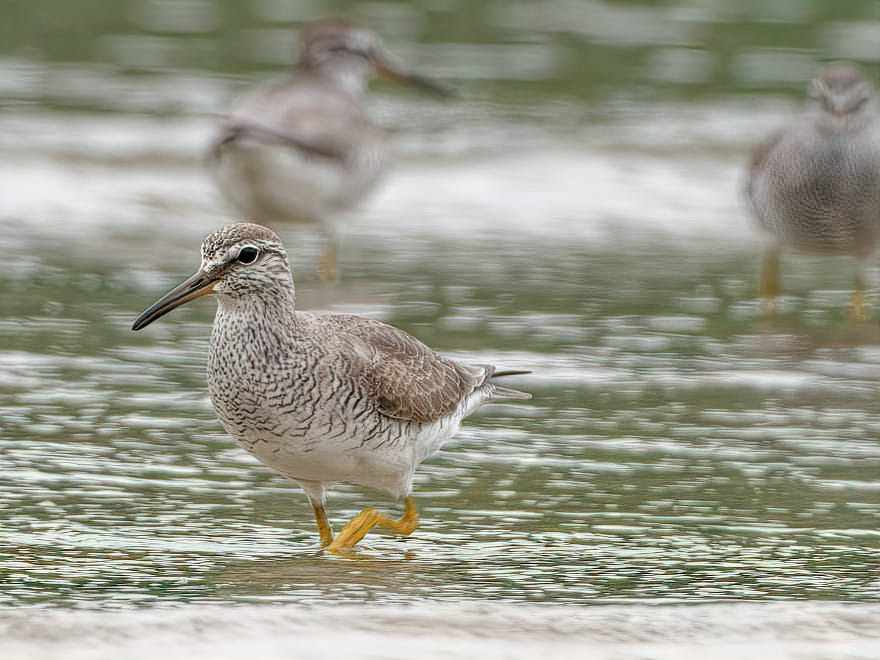
- Grey-tailed Tattler
- Red-necked Stint
- Grey-tailed Tattler
- Siberian Lesser Sandplover and Greater Sandplover
- Common Sandpiper
- Broad-billed Sandpiper
- Grey-tailed Tattler
- Whimbrel
- Shorebirds and lap sap
- Greater Sandplover
- Crested Goshawk
- Curlew Sandpiper
- Greater Sandplover
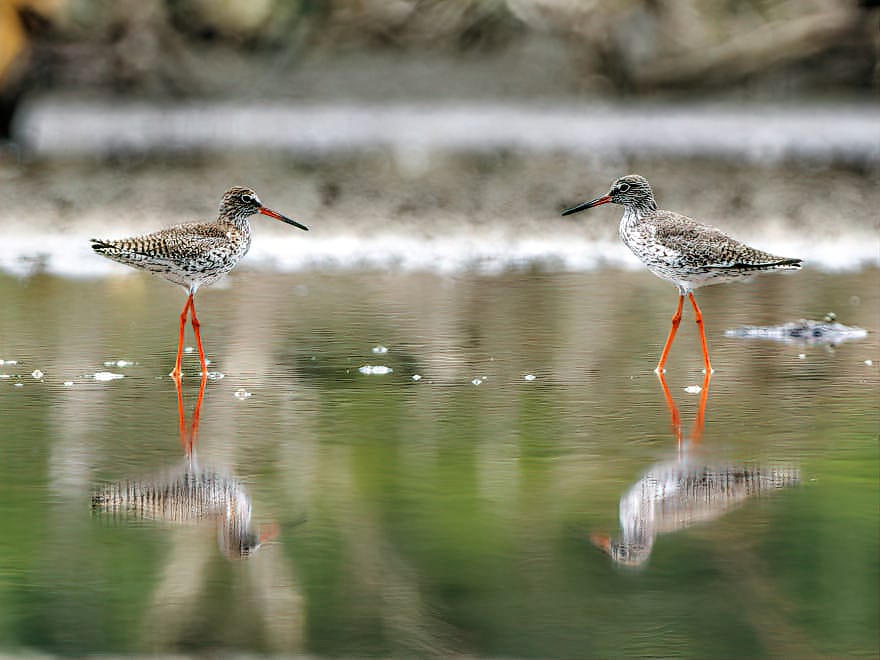
- Two Common Redshank w reflections, Shui Hau
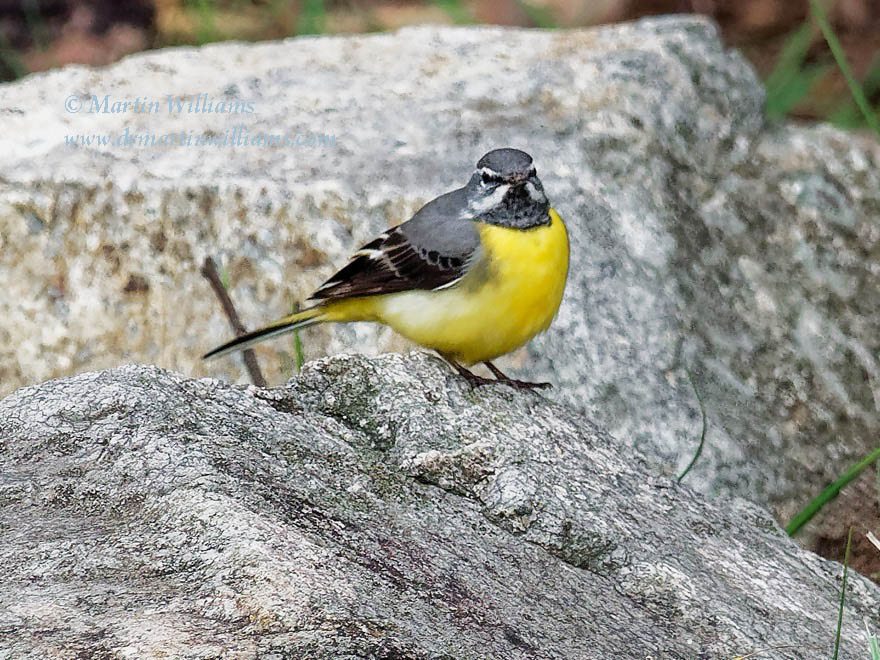
- Grey Wagtail
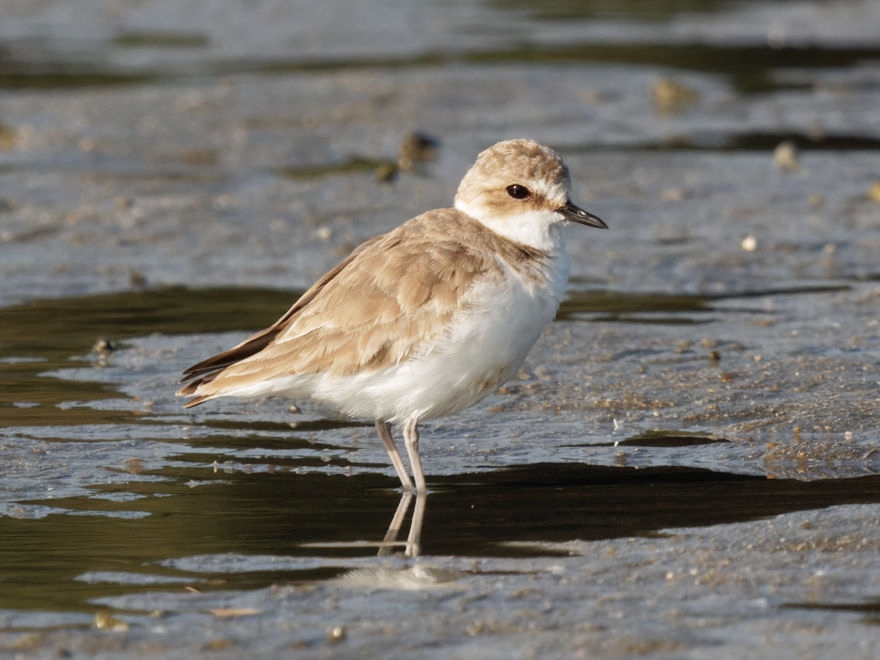
- pale Kentish Plover
- Red-necked Stints and Sandplovers at Shui Hau
- Red-necked Stints
- Fairy Pitta
- Sanderling
- Terek Sandpiper
- White's Thrush
- Tibetan Lesser Sandplover
- Arctic Warbler, Shui Hau
- White-throated Kingfisher
- Broad-billed Sandpiper and Curlew Sandpiper
- Grey-tailed Tattler, Shui Hau
- Common Redshank, Shui Hau
- Chinese Pond Heron
- Long-toed Stint
- Kentish Plover and clam diggers
- Chinese Pond Heron
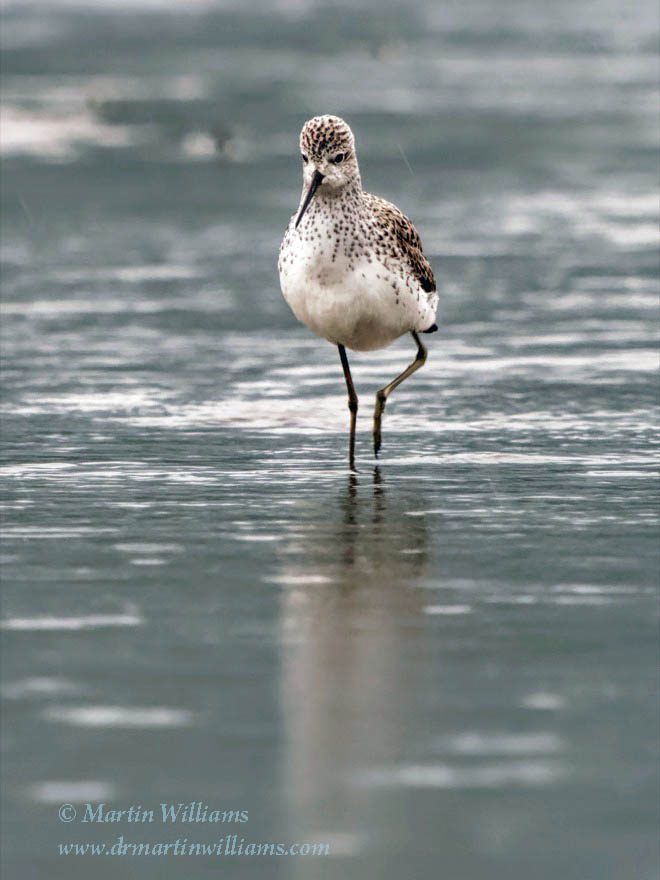
- Marsh Sandpiper
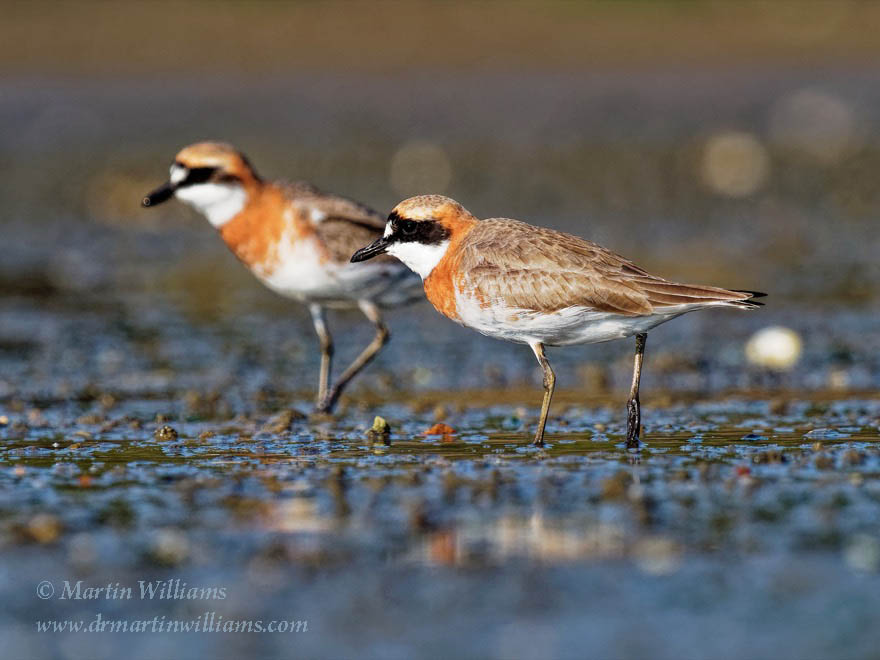
- Lesser Sandplovers
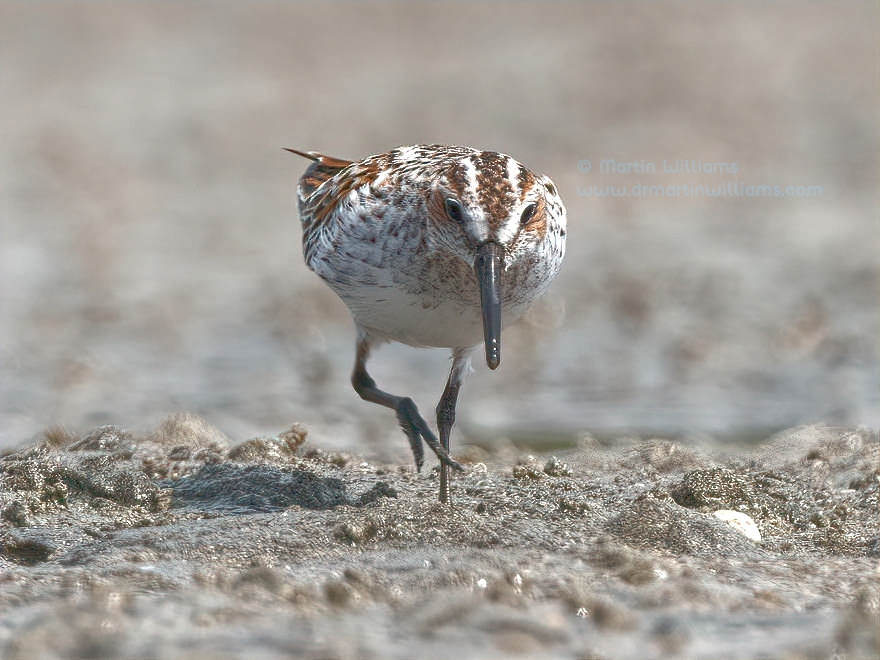
- Broad-billed Sandpiper
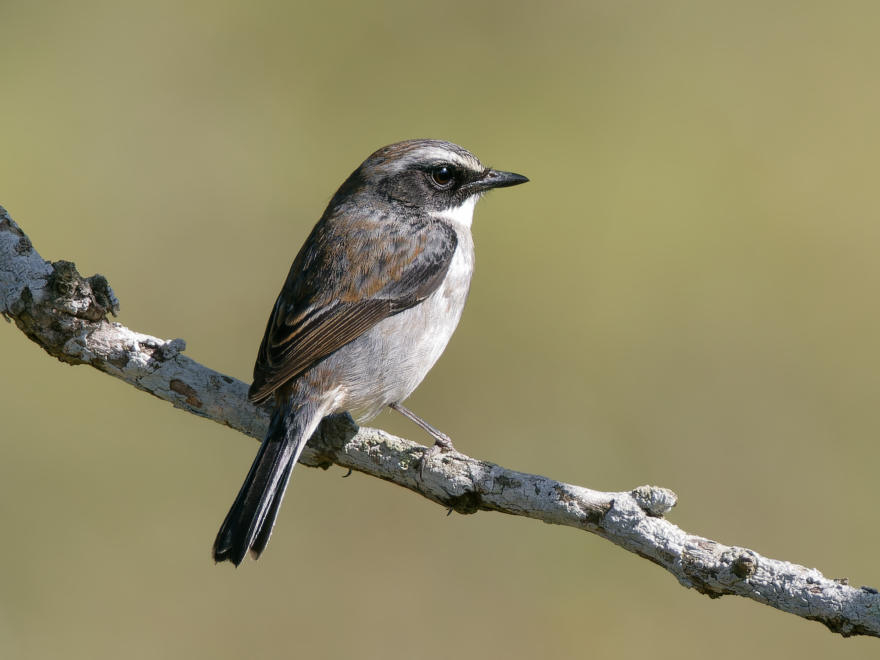
- Grey Bushchat
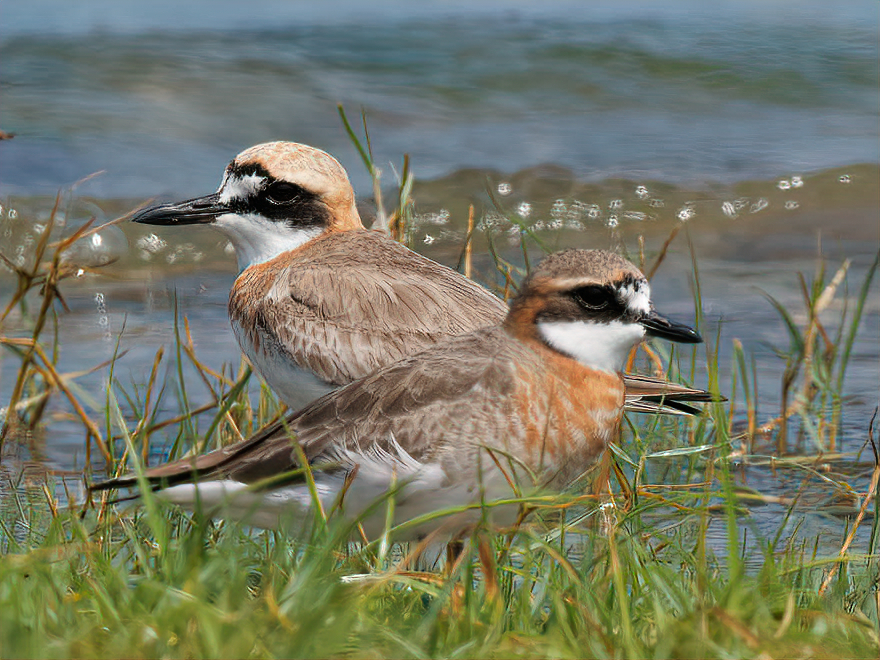
- Male Kentish Plover, w dark legs, Shui Hau
- Male Kentish Plover, w pink legs, Shui Hau
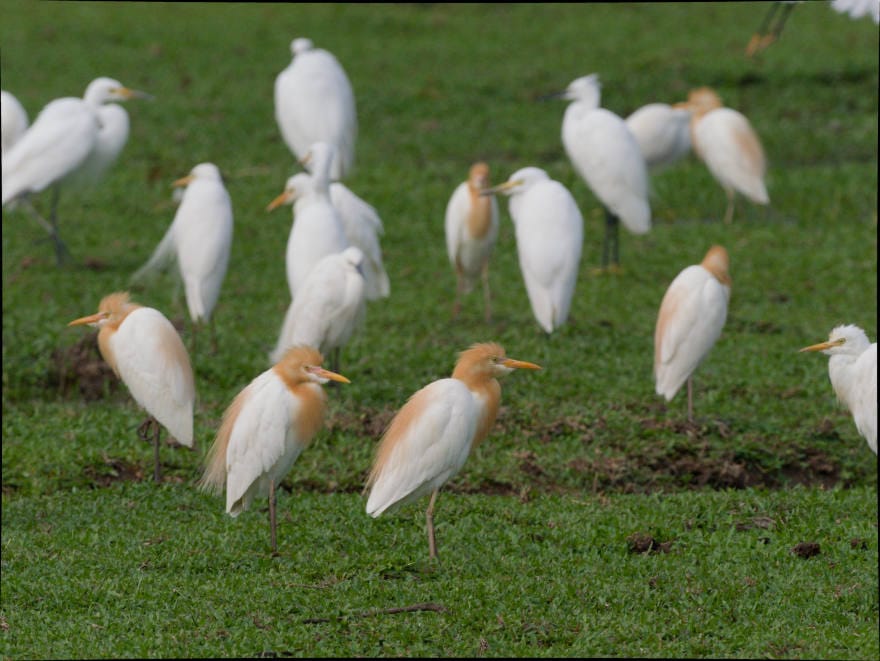
- Summer plumage Cattle Egrets
- Band of Grey-tailed Tattlers, Shui Hau
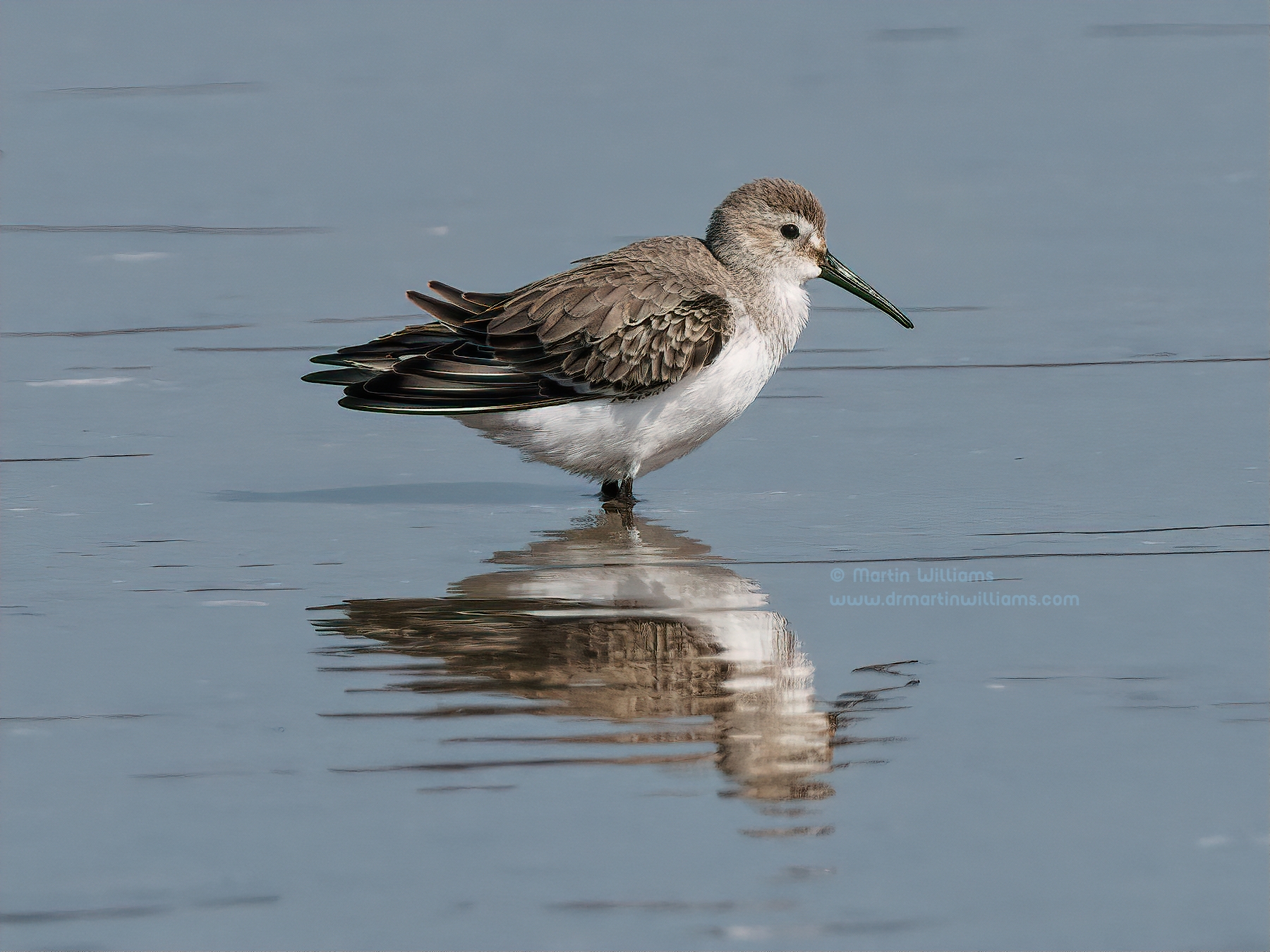
- Dunlin, winter plumage
- Grey-streaked Flycatcher, Shui Hau
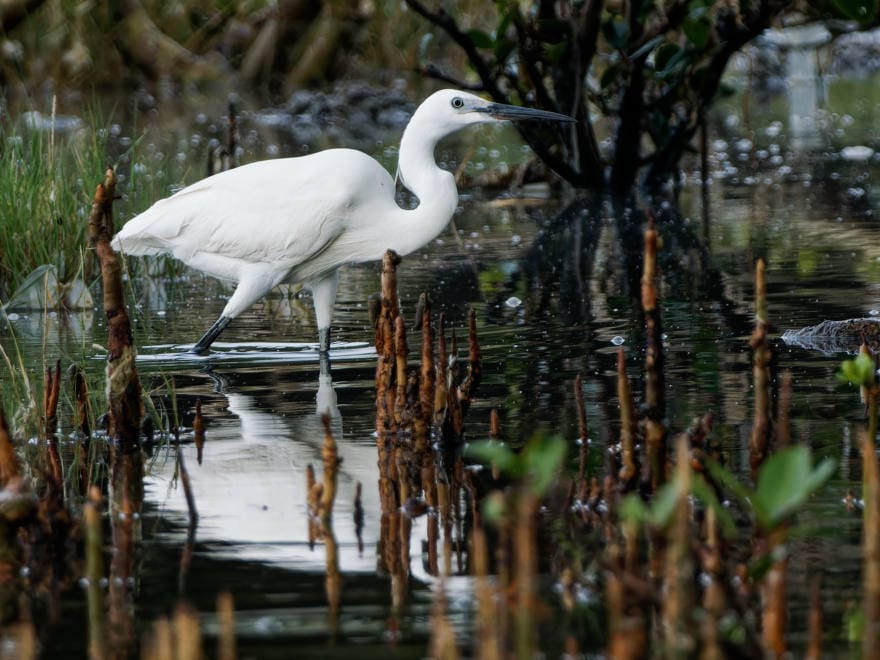
- Little Egret hunting in mangroves at Shui Hau
- Red-necked Stint
- Band of Grey-tailed Tattlers, Shui Hau
- Cattle Egret and water buffalo
- Long-toed Stint
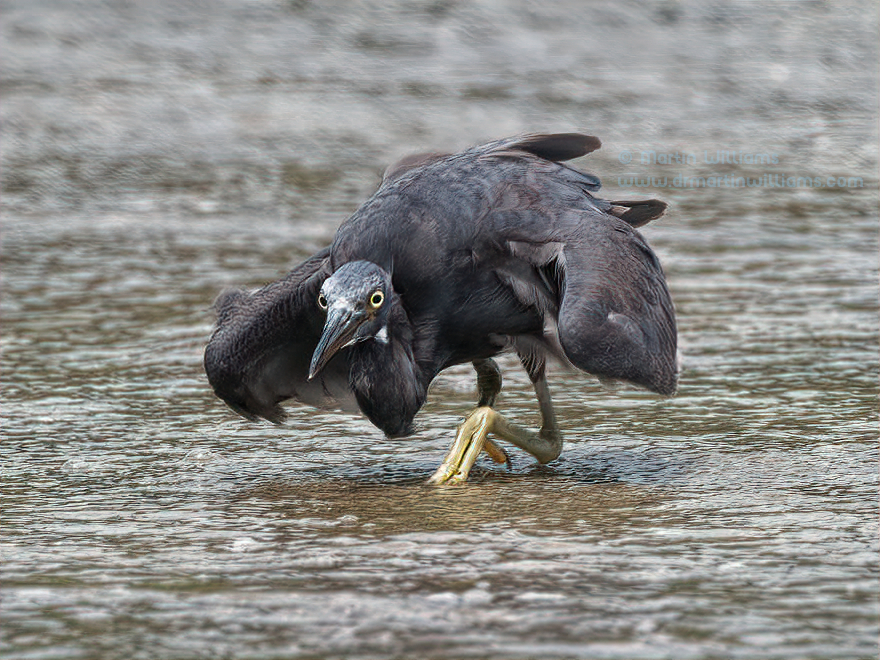
- Striated Heron
- Red-necked Stint
- Red-necked Stints on Lantau
- Sharp-tailed Sandpiper
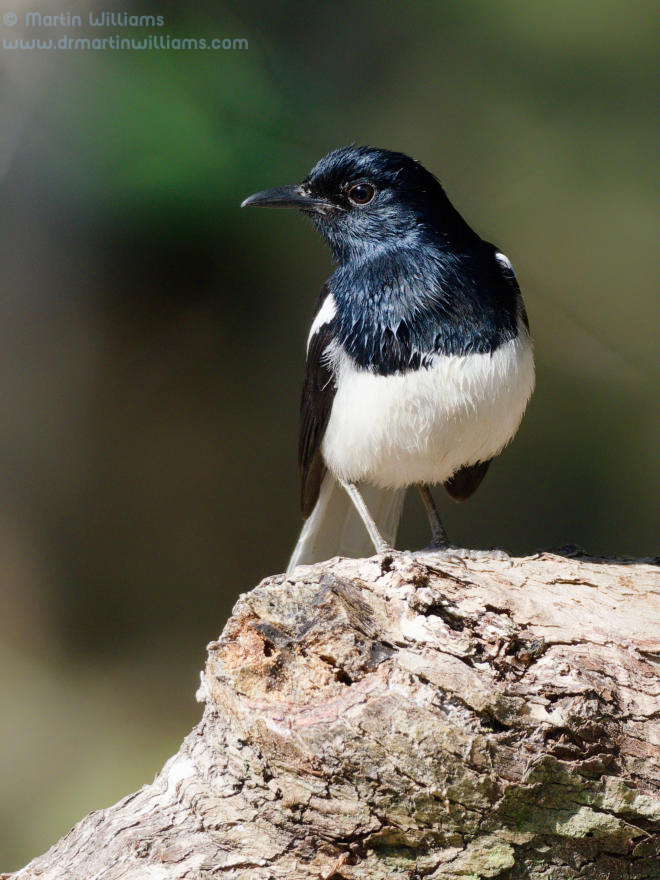
- Magpie Robin
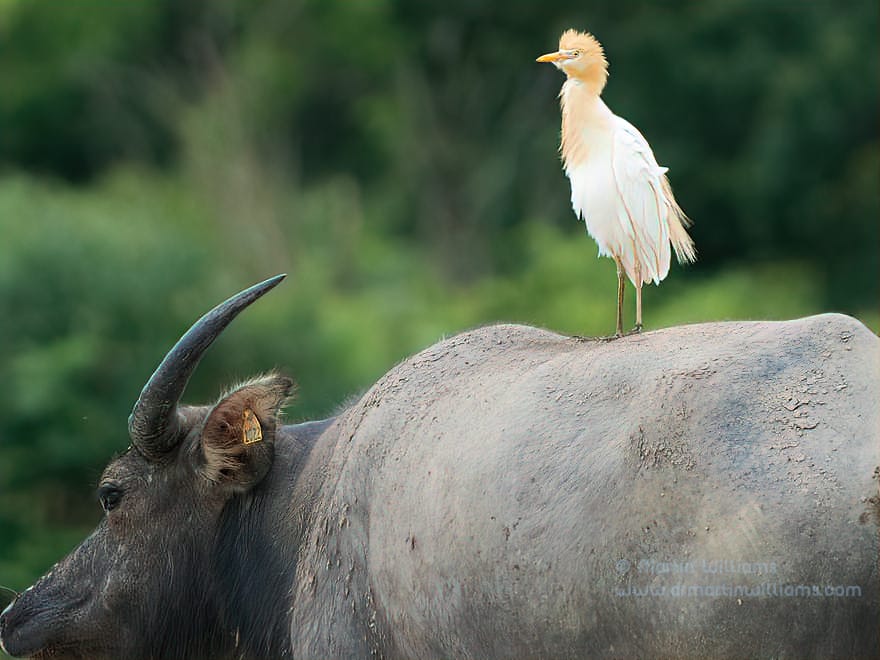
- Cattle Egret on Water Buffalo, Shui Hau, Lantau
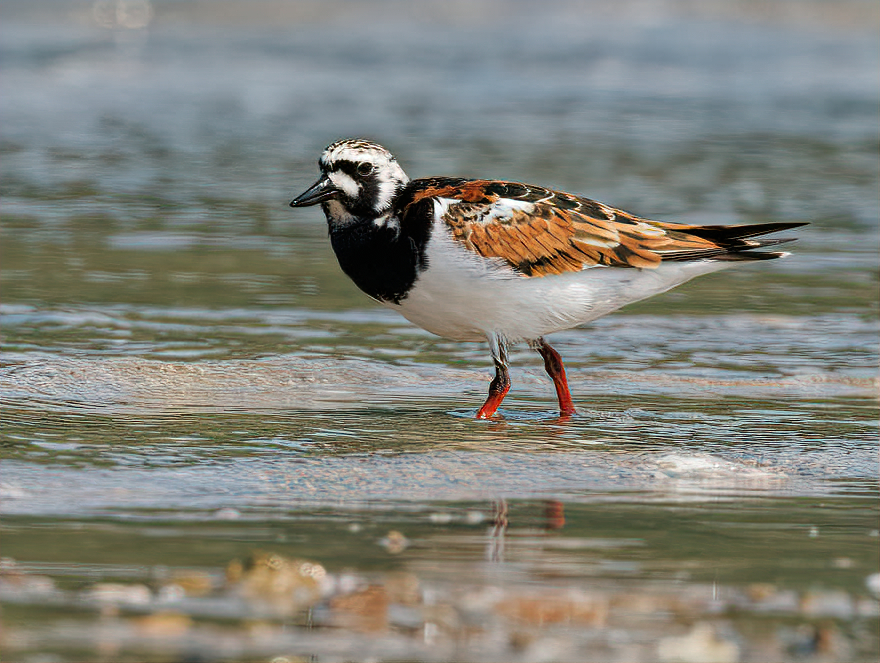
- Ruddy Turnstone
- Common Reshank n mangroves reflection Shui Hau
- Grey-tailed Tattler
- Male Kentish Plover w pink legs, Shui Hau
- Male Kentish Plover w dark legs, Shui Hau
- Black-winged Stilts
- Grey-tailed Tattler
- Whimbrel and water buffalo, Shui Hau
- Grey-tailed Tattler and Black-winged Stilt
- Whimbrel
- Sanderling
- Common Redshank and Whimbrel
- Two-barred Greenish Warbler, at Shui Hau, Lantau
- Cattle Egret, Shui Hau
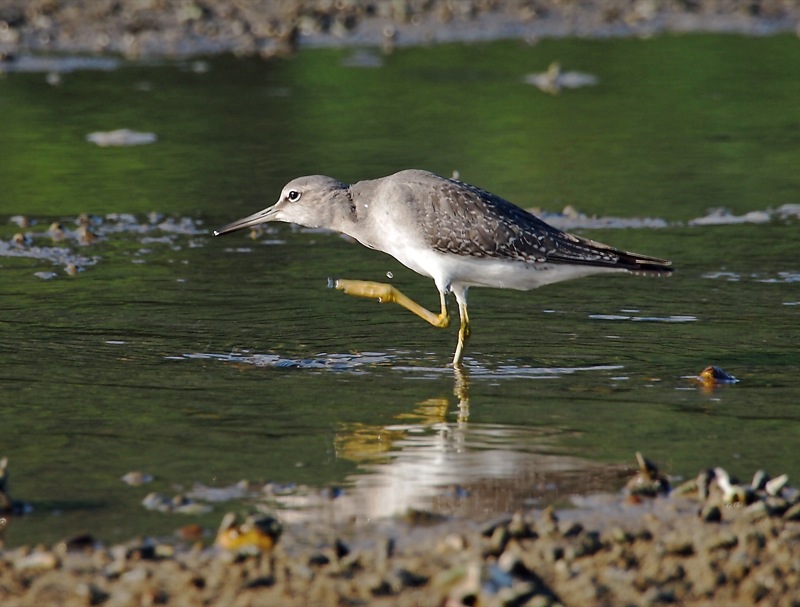
- Wood Sandpiper, Shui Hau
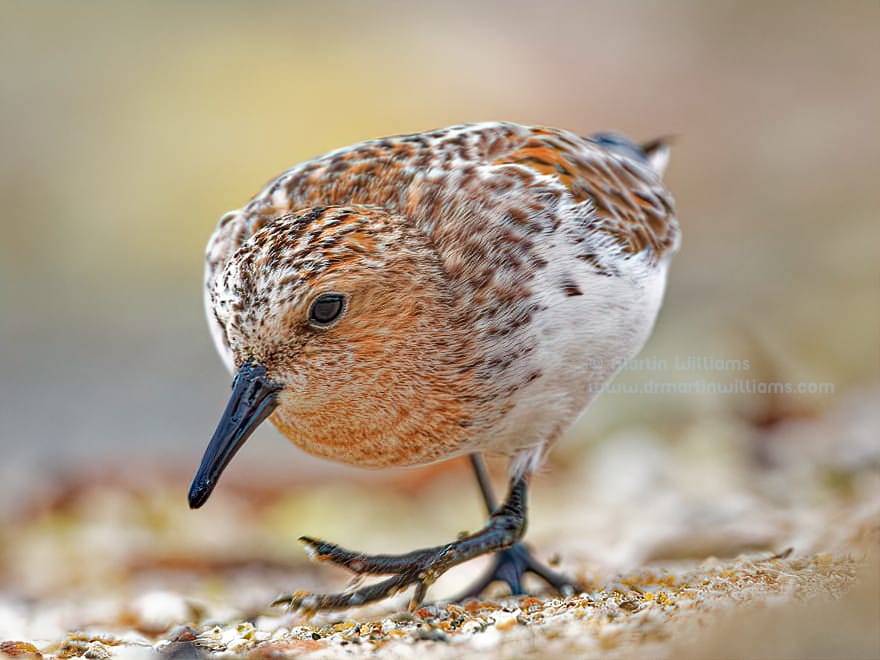
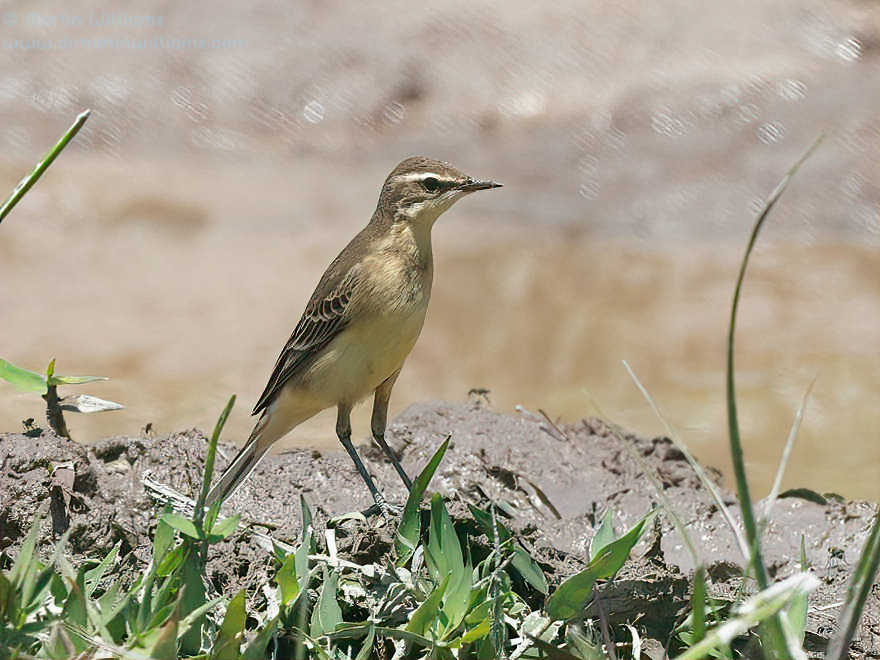
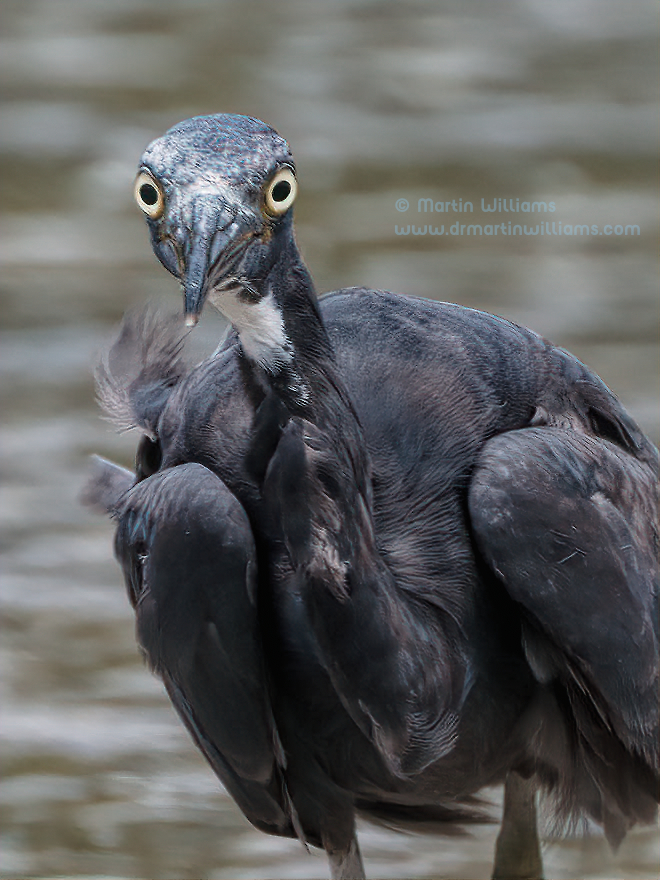
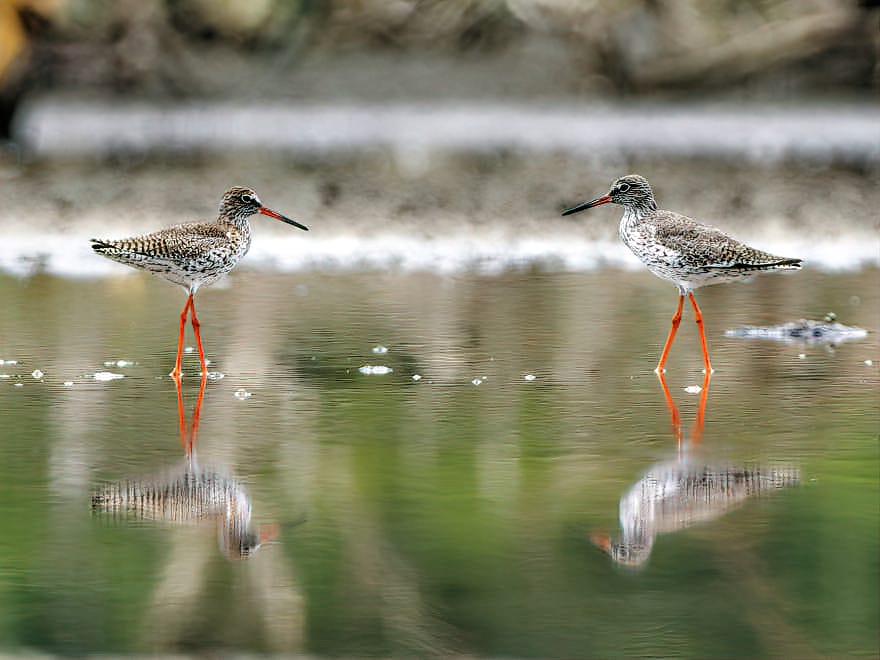
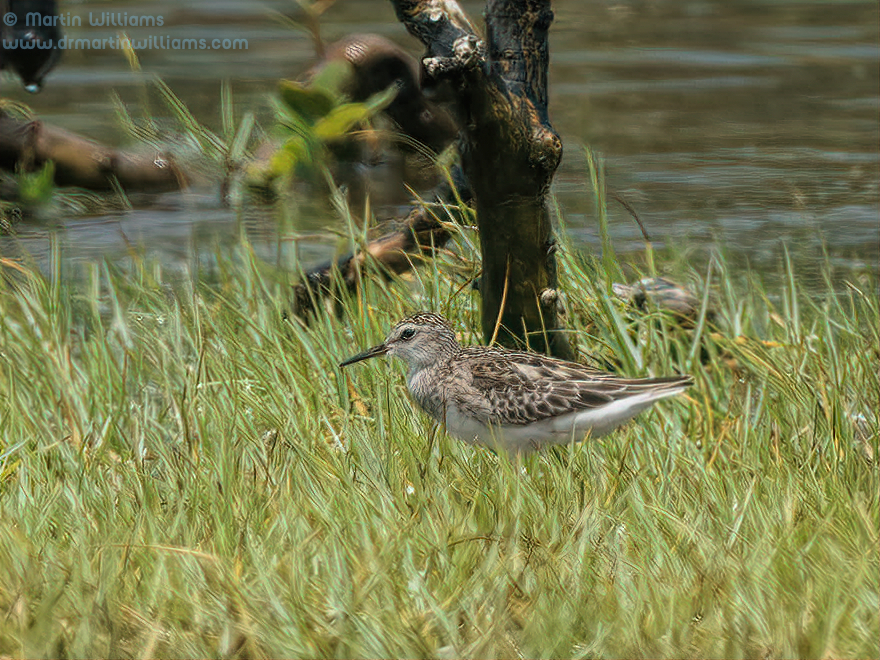
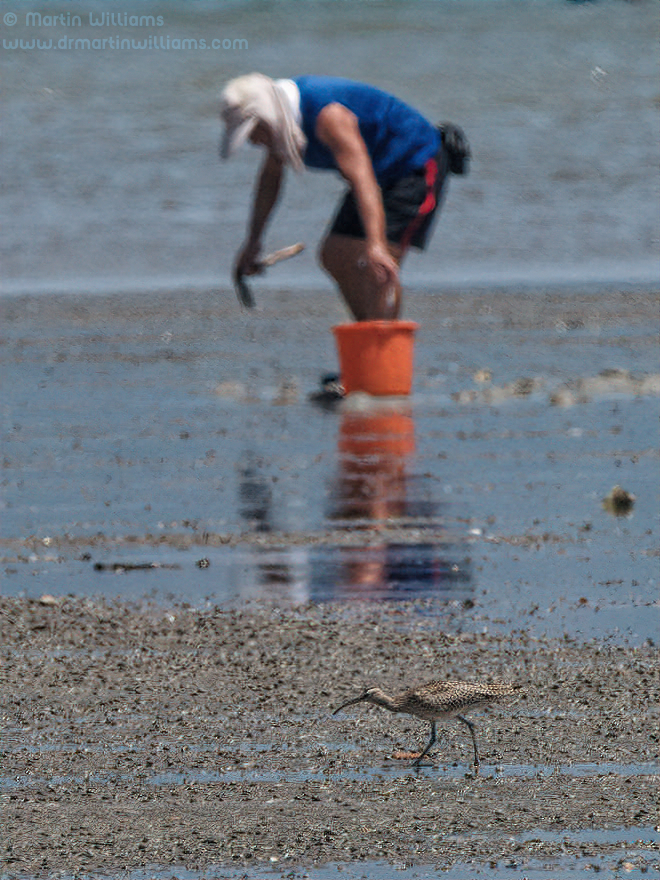
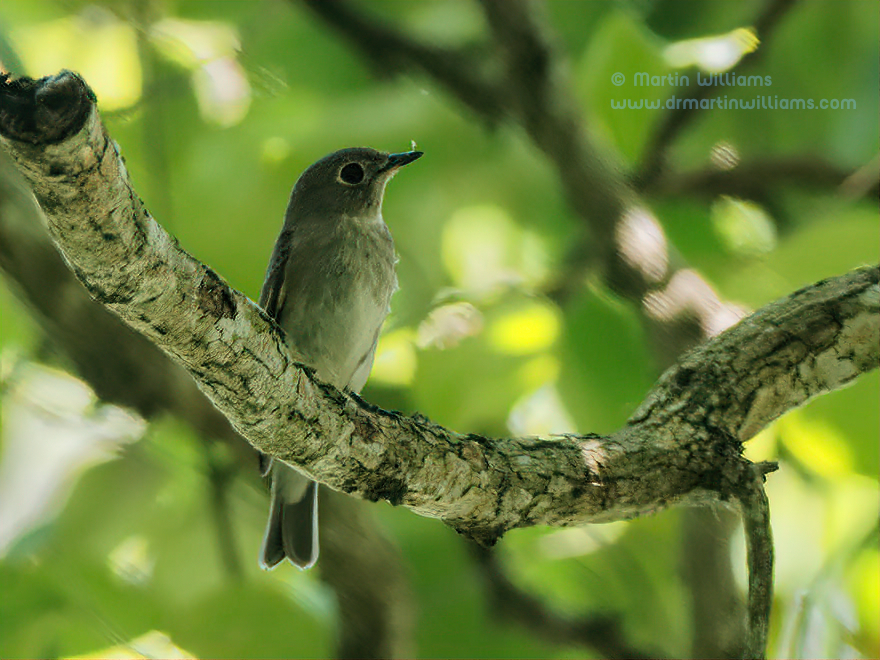
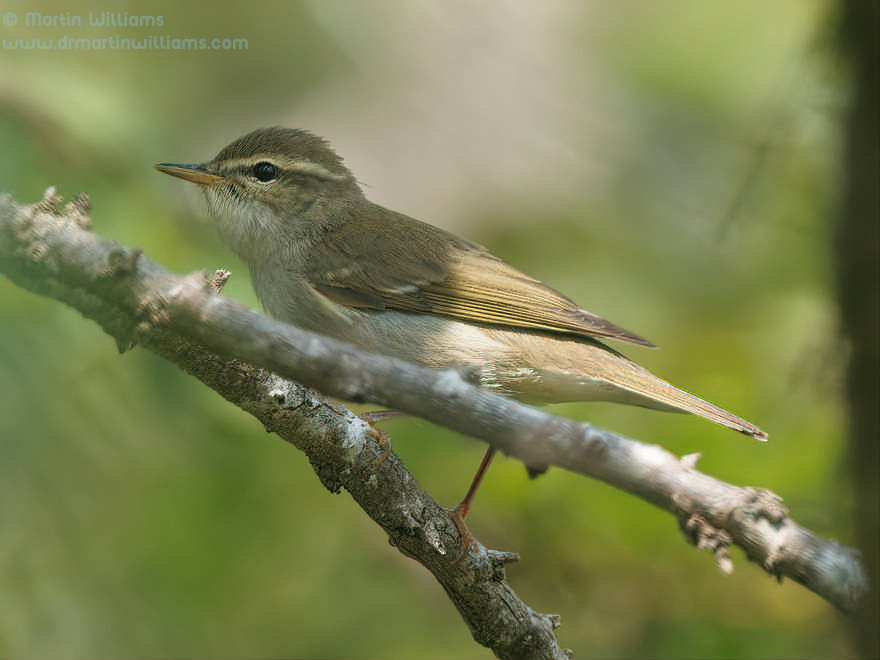
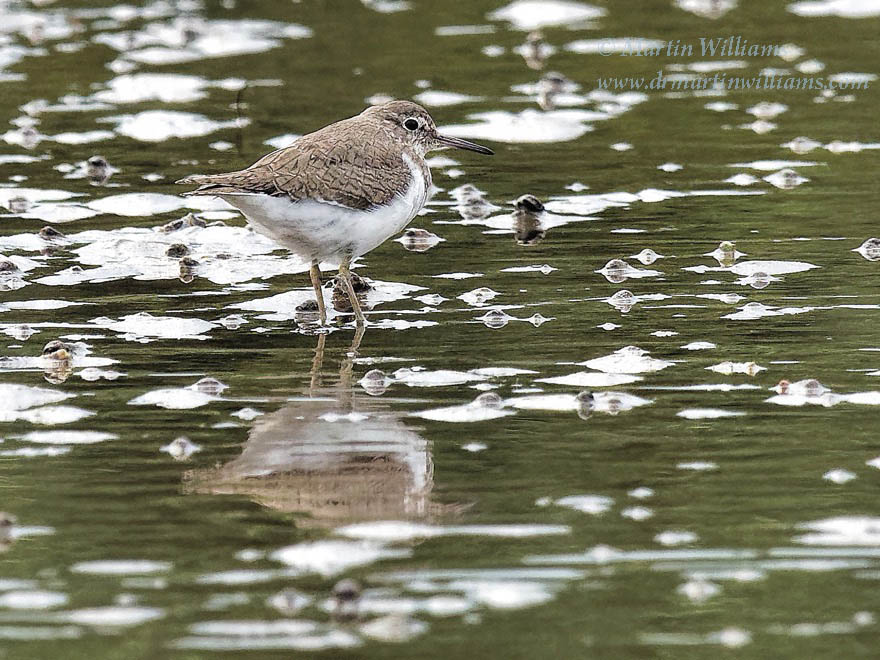
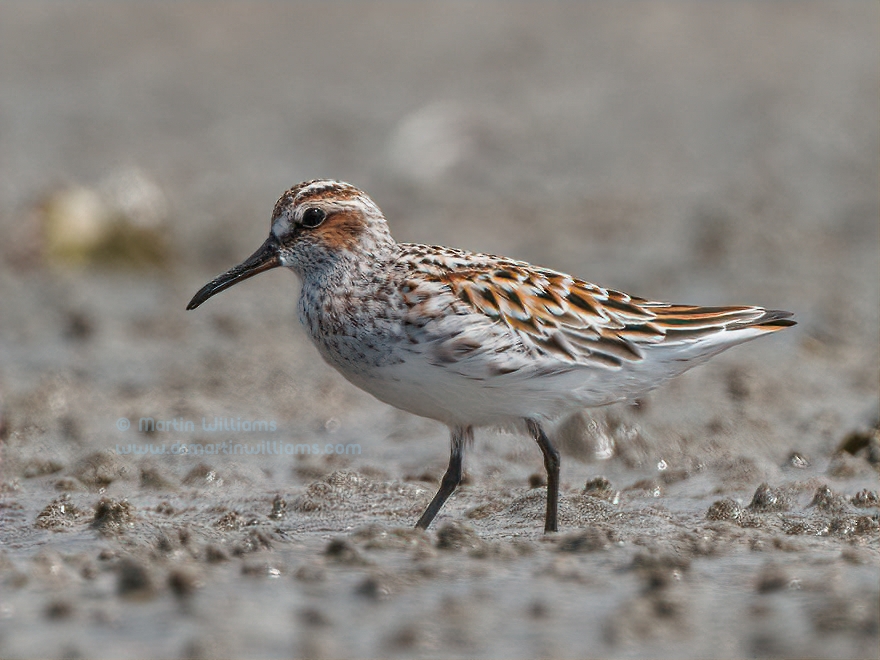
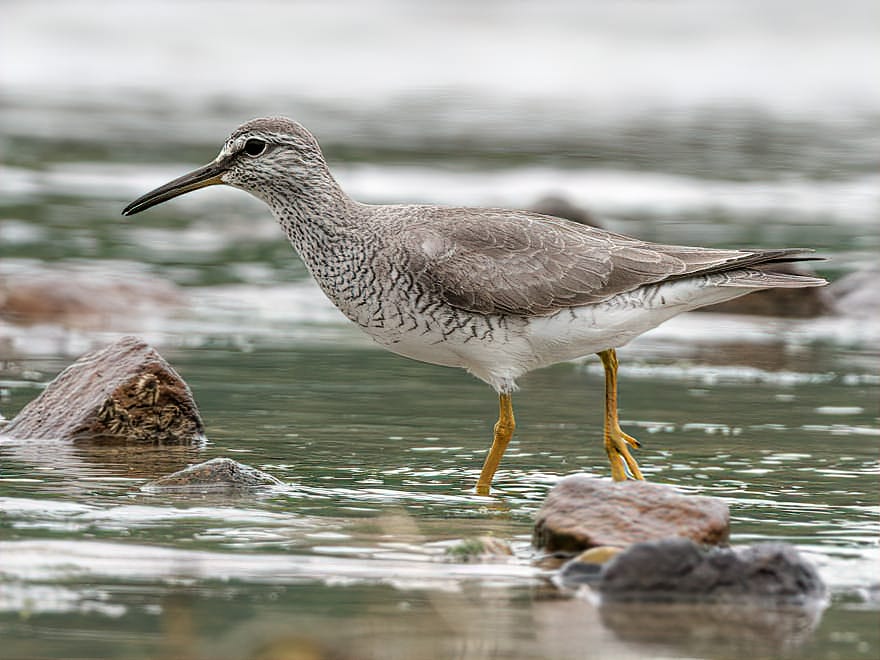
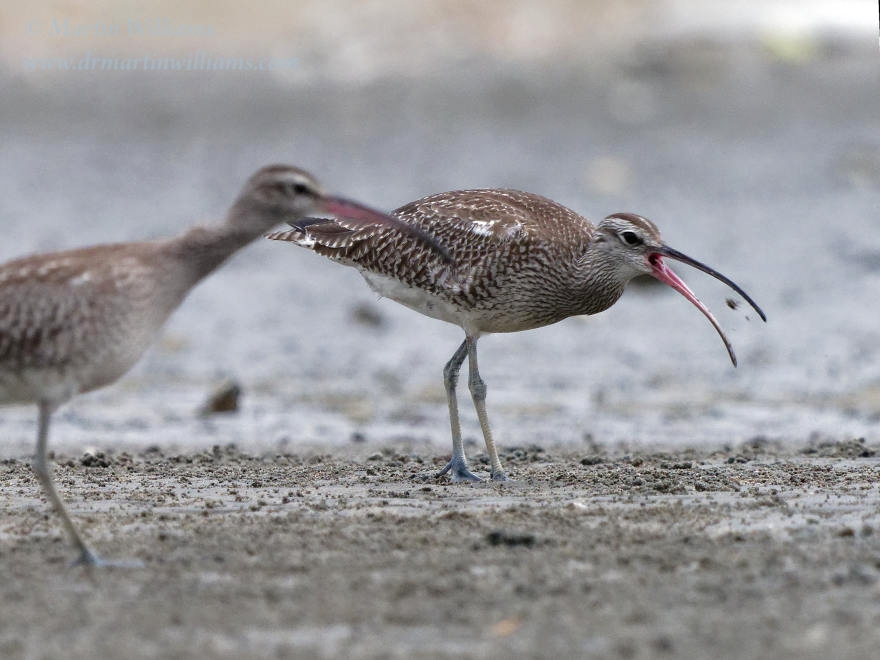
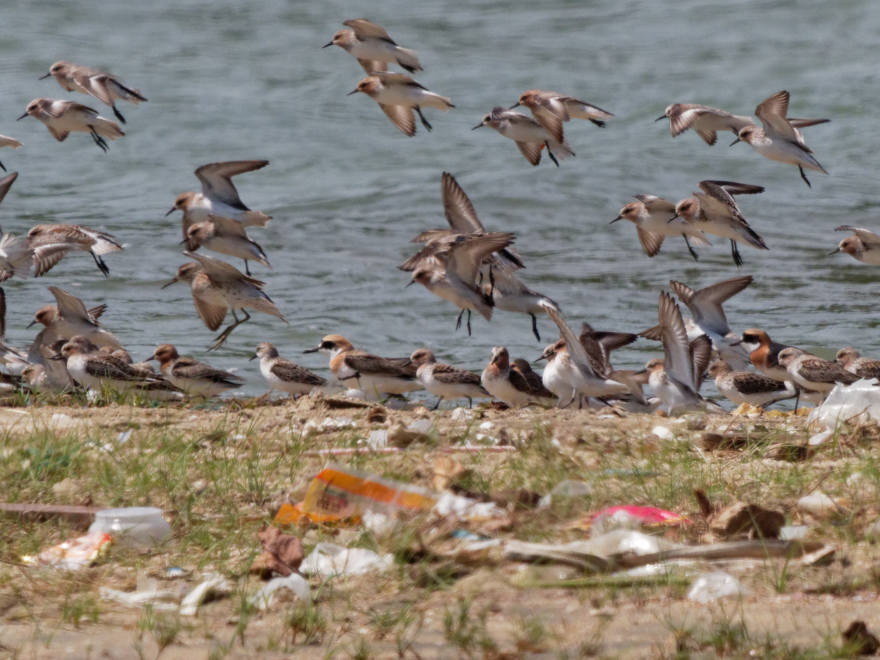
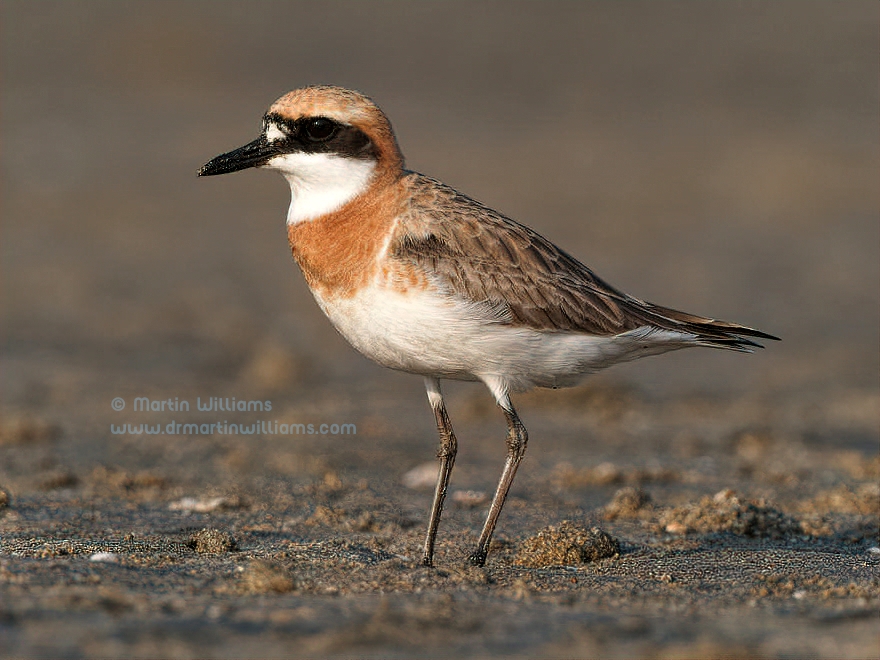
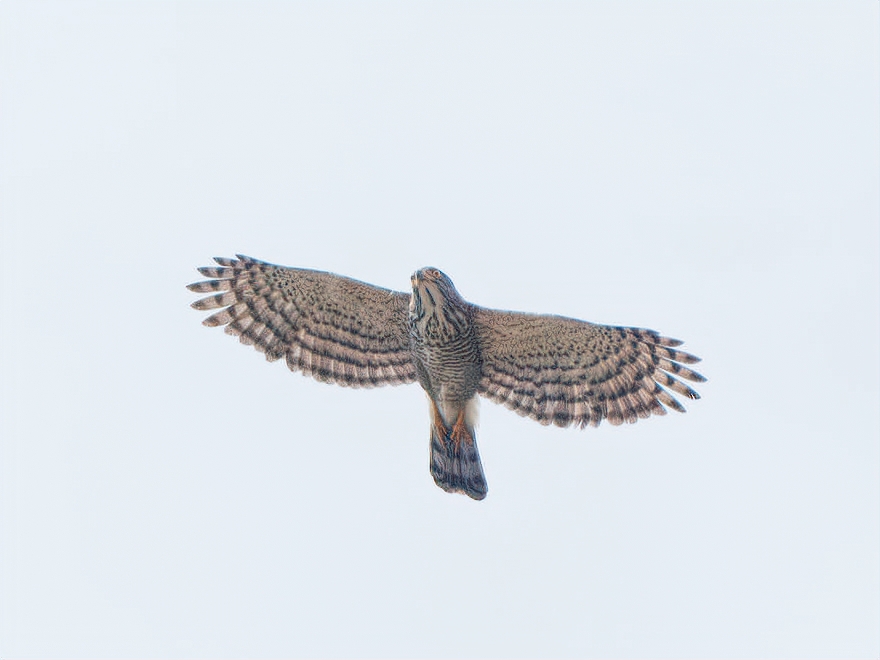
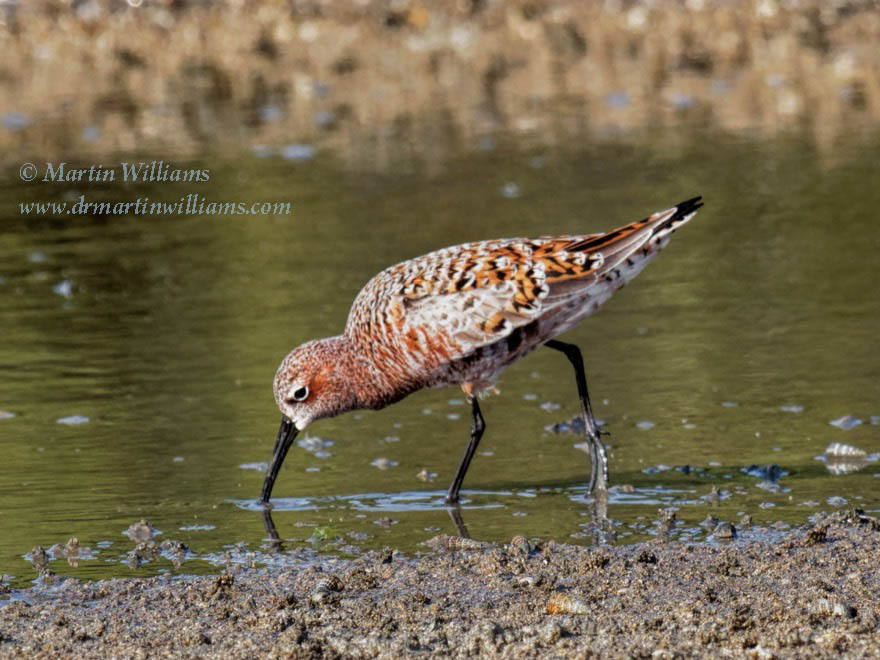
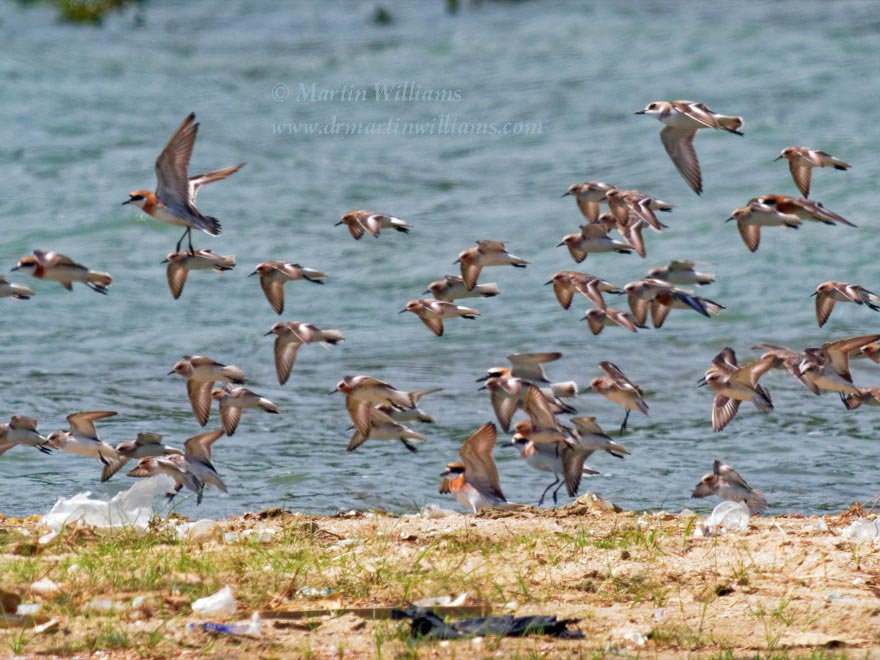
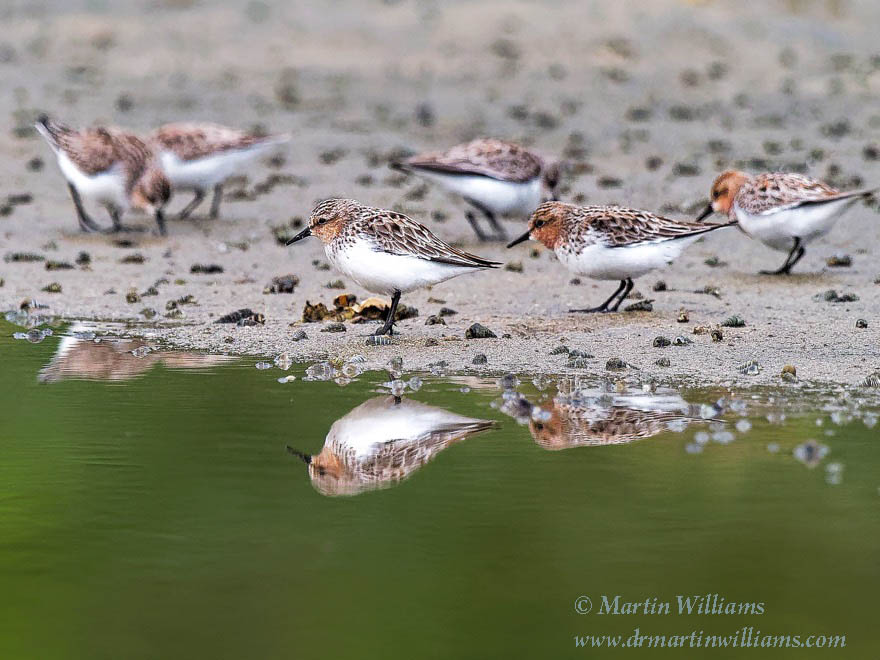
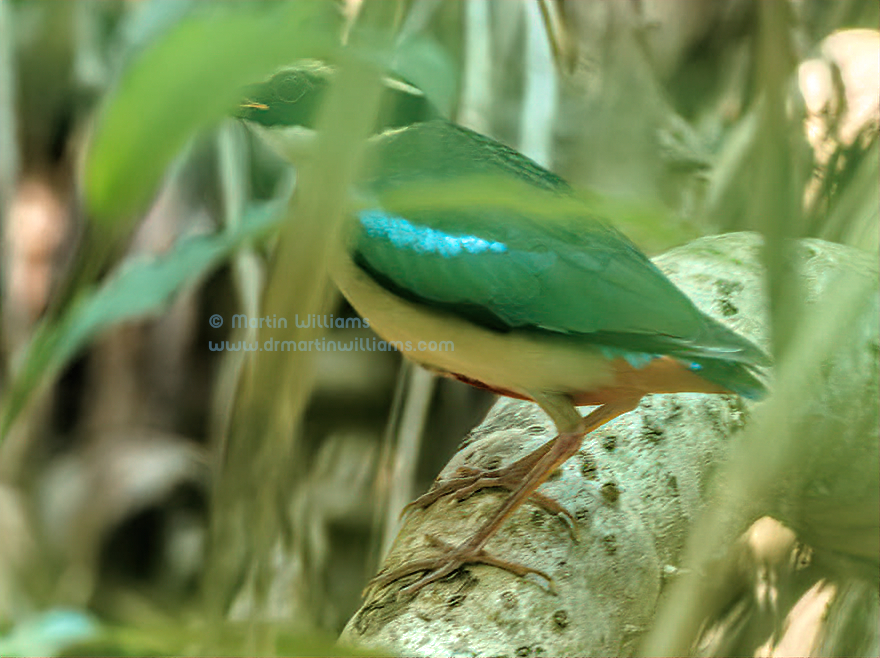
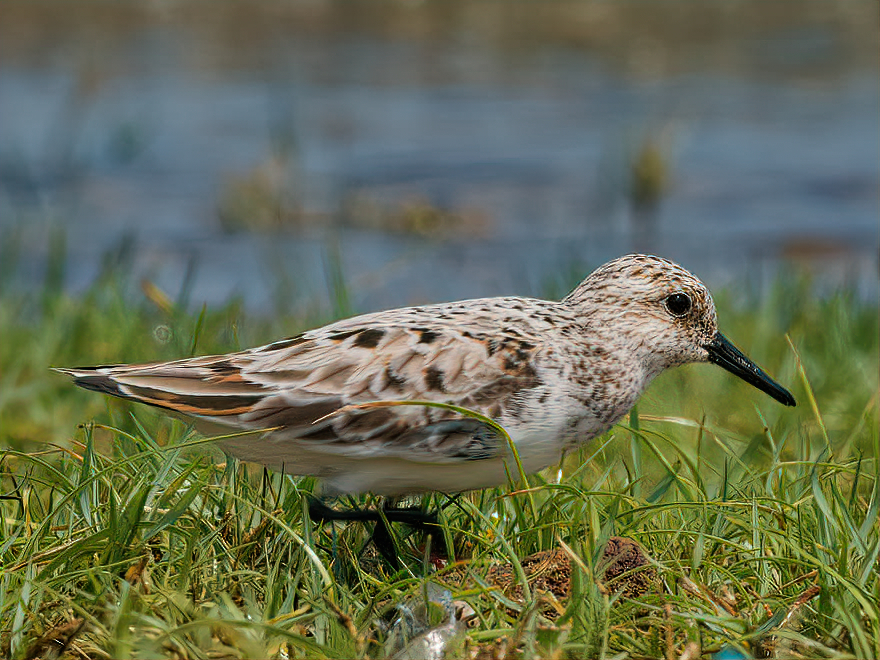
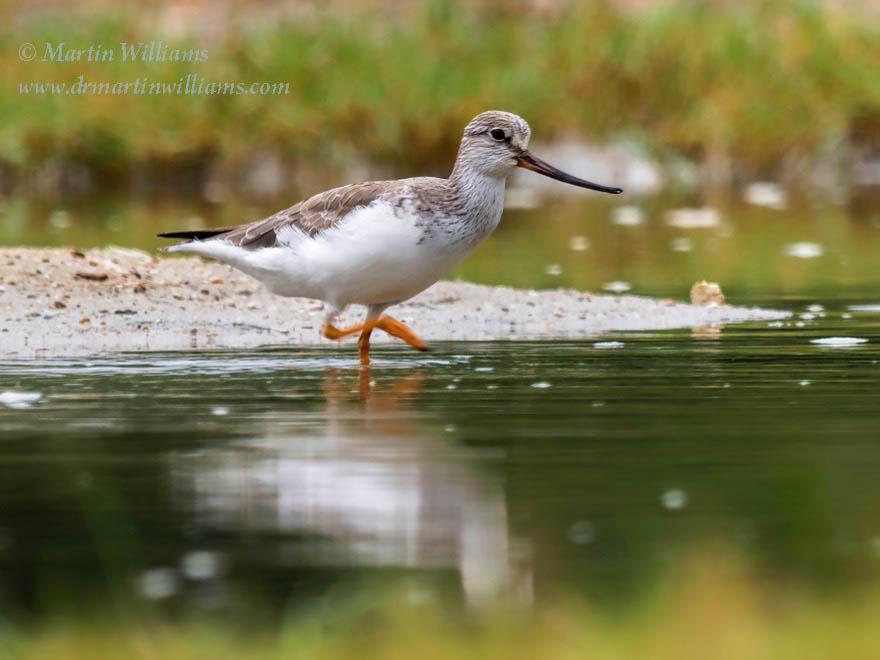
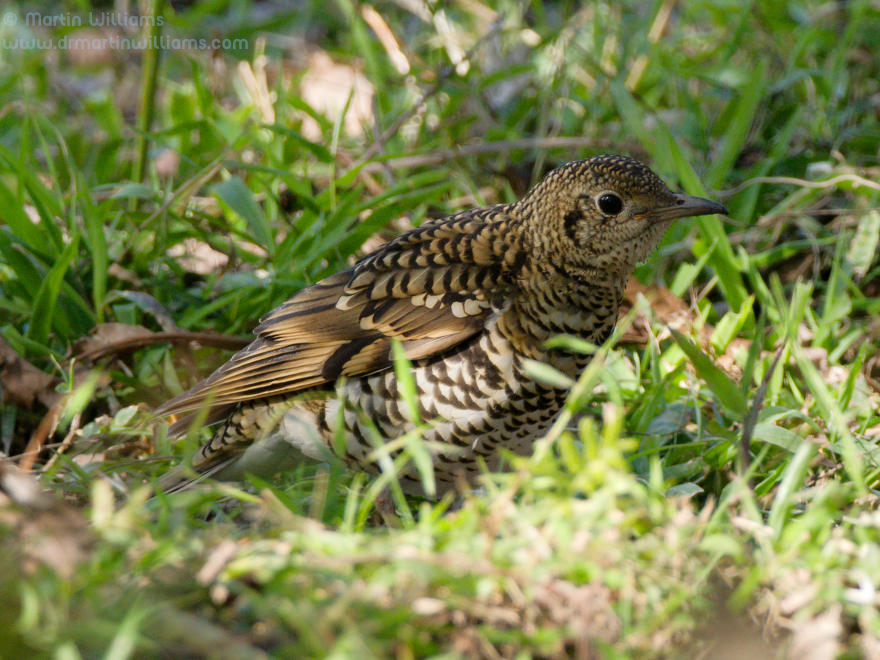
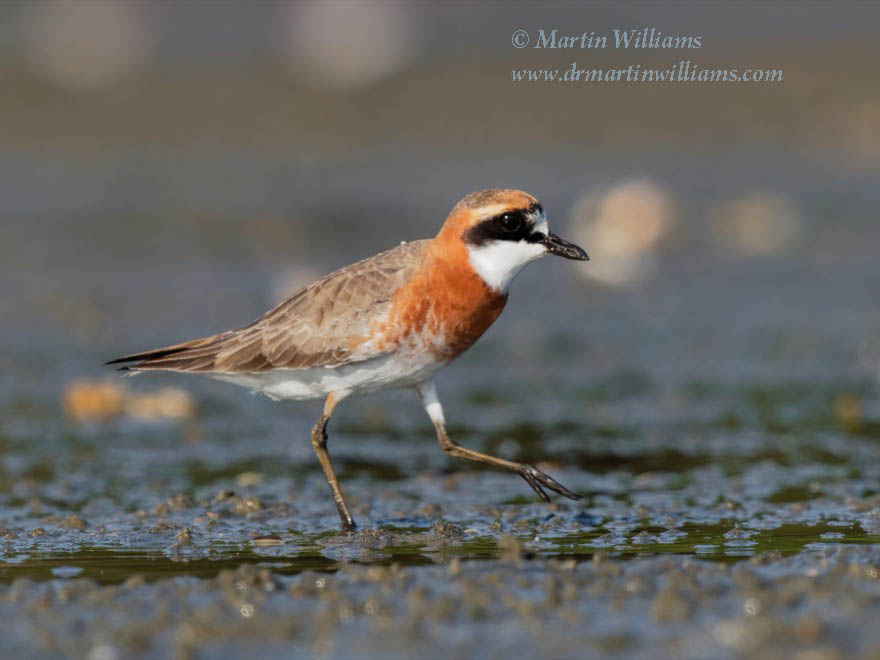
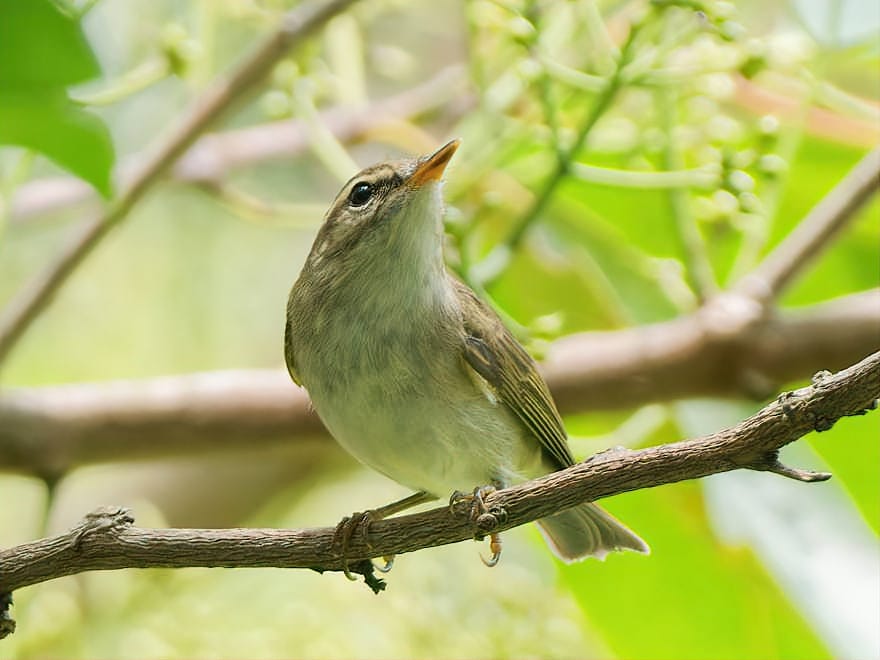
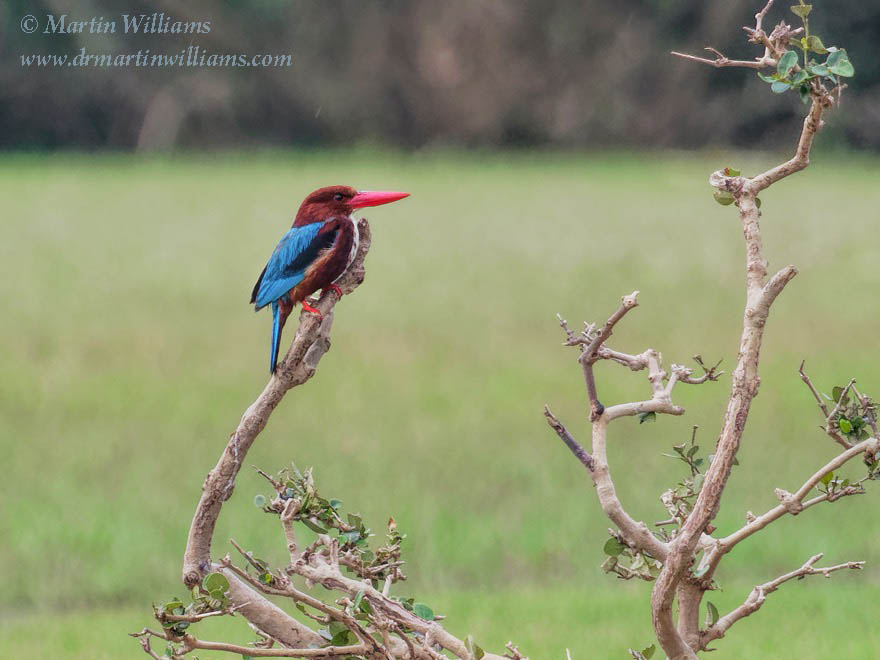
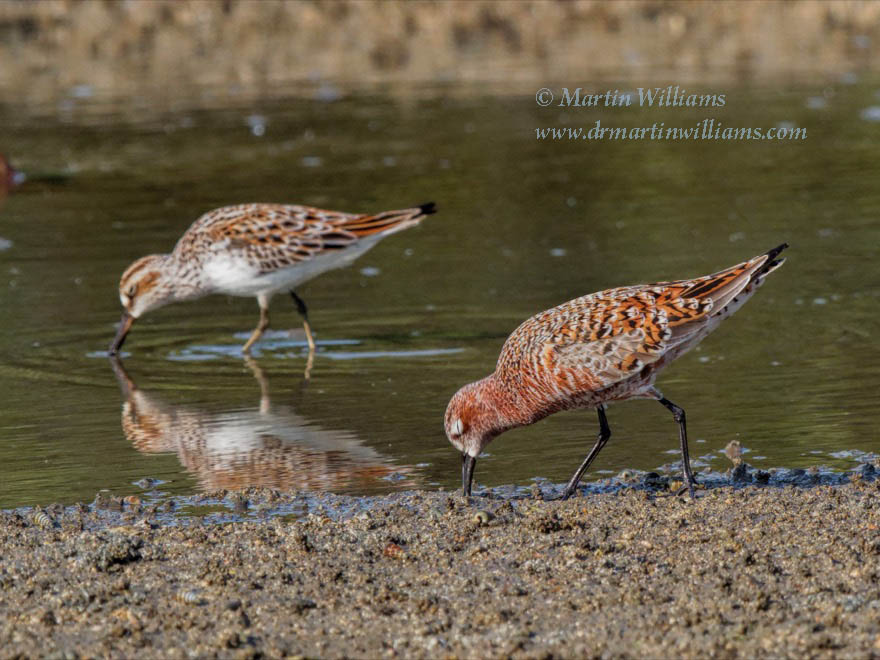
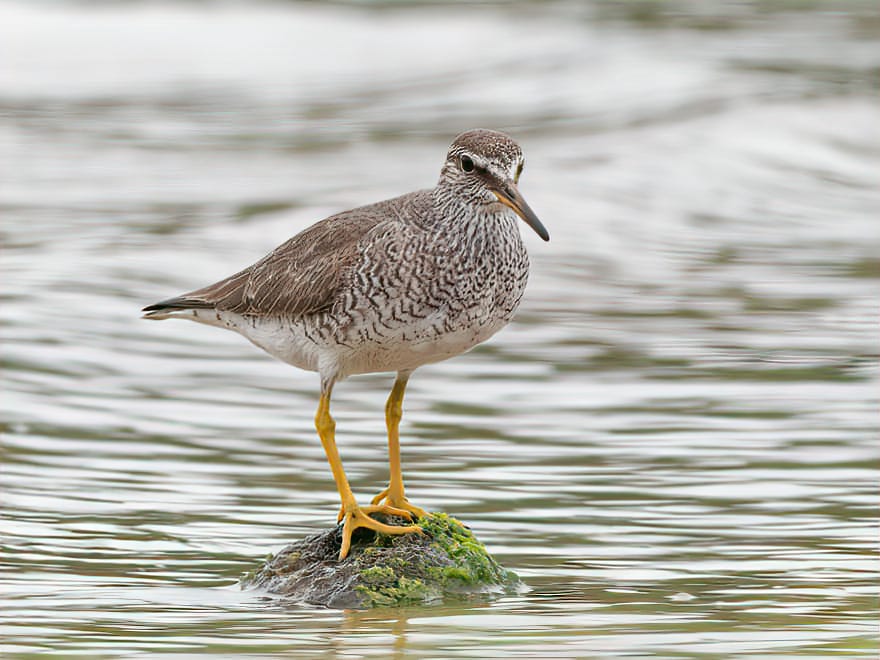
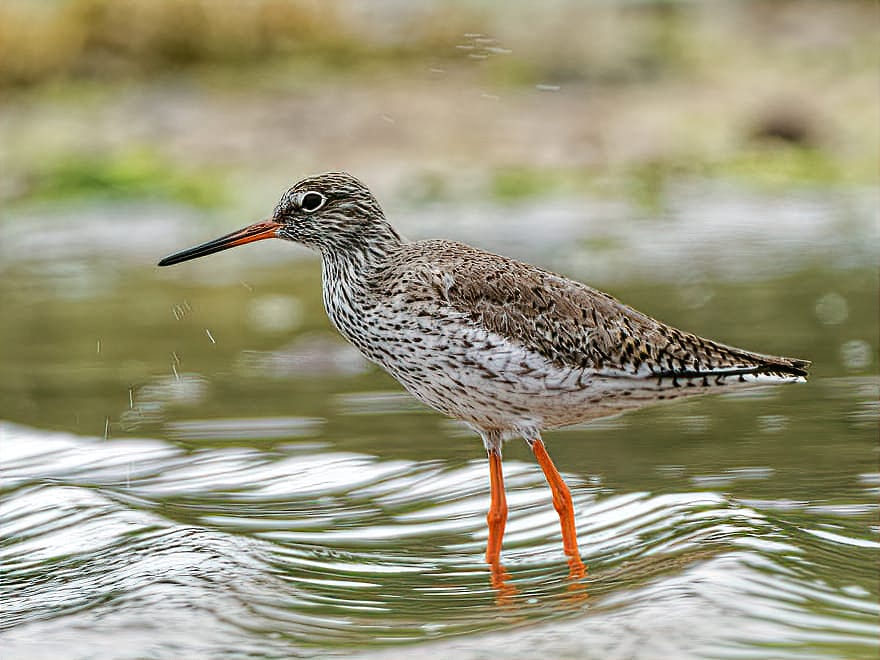
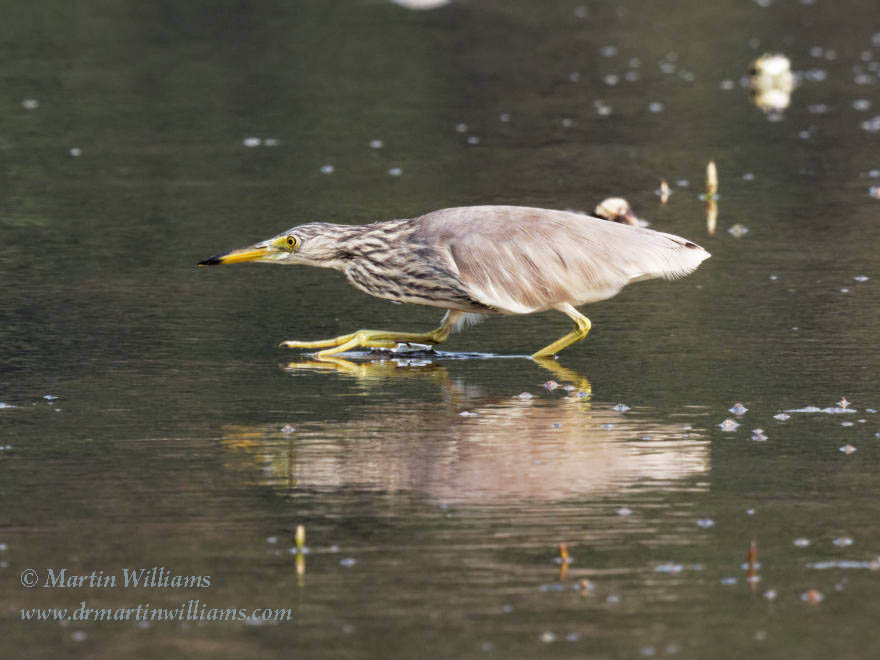
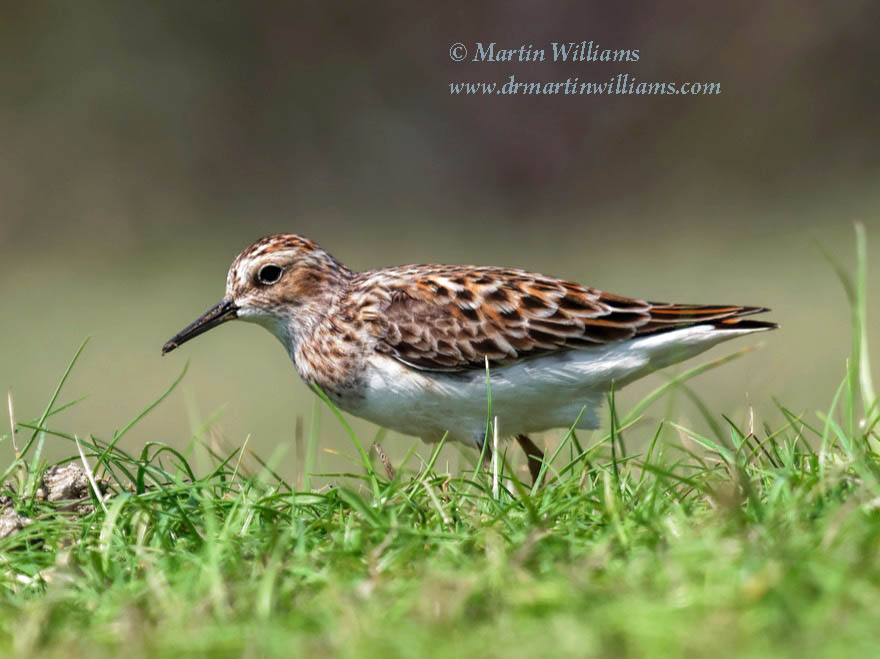
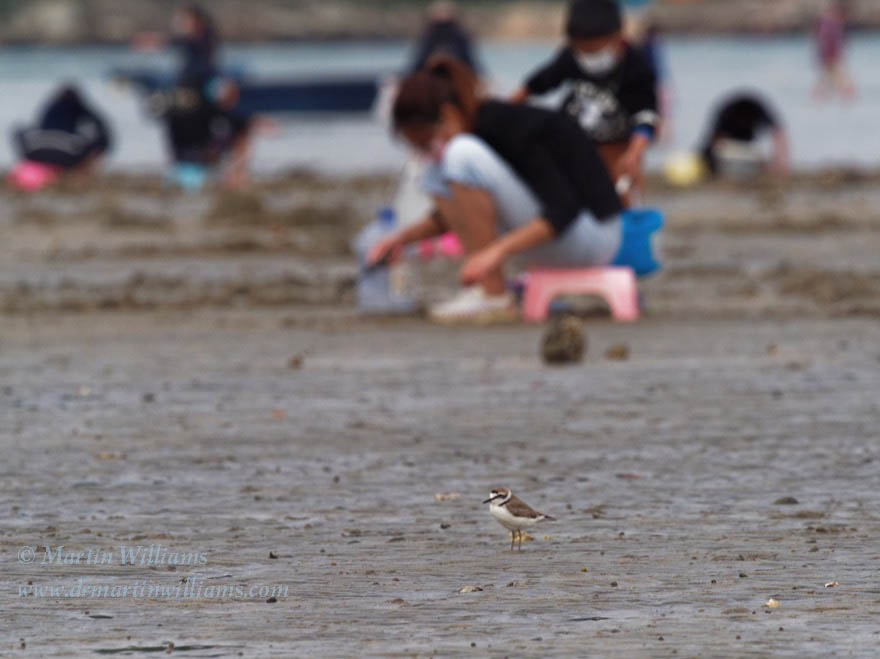
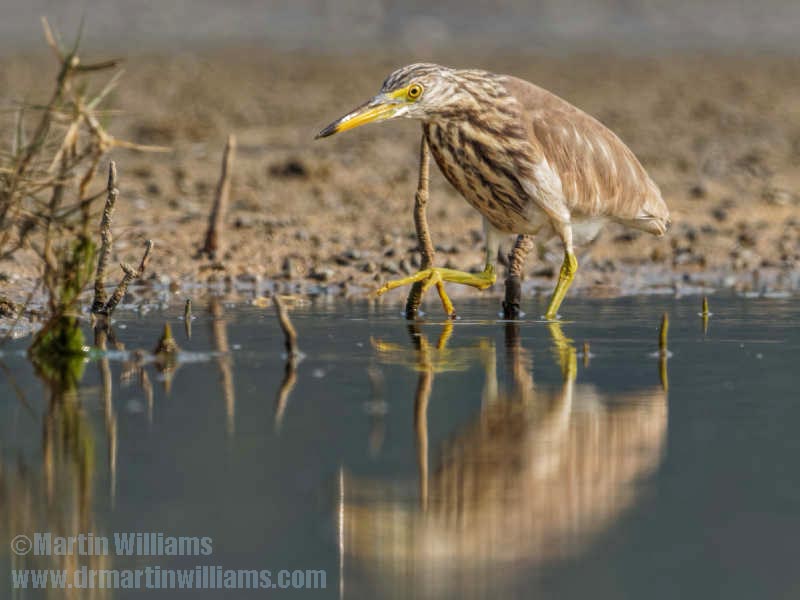
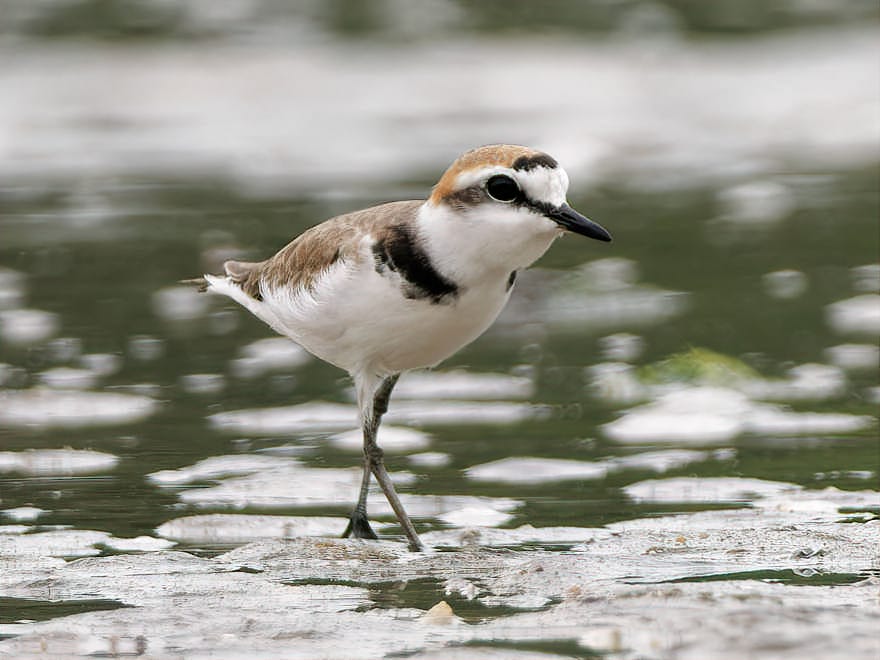
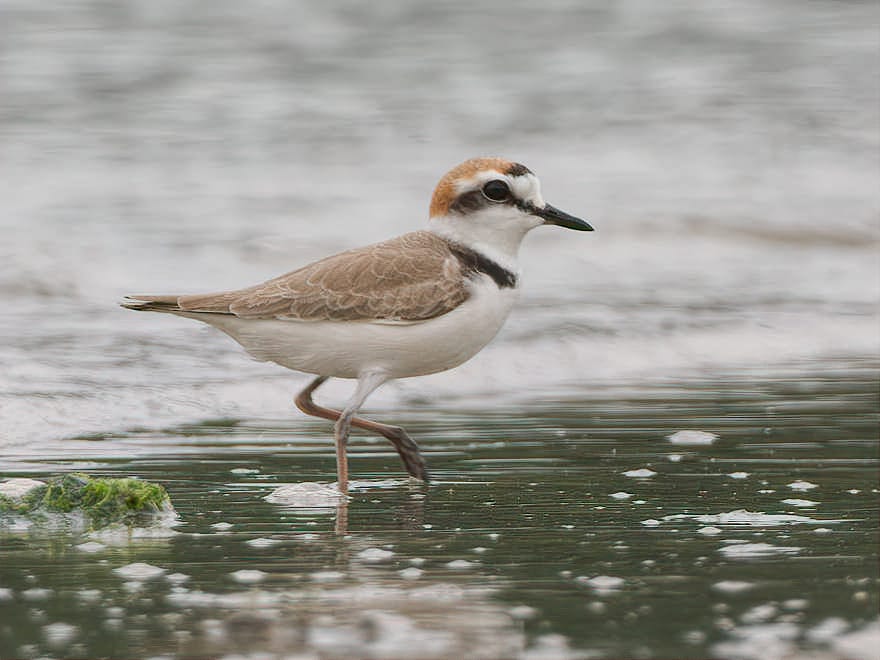
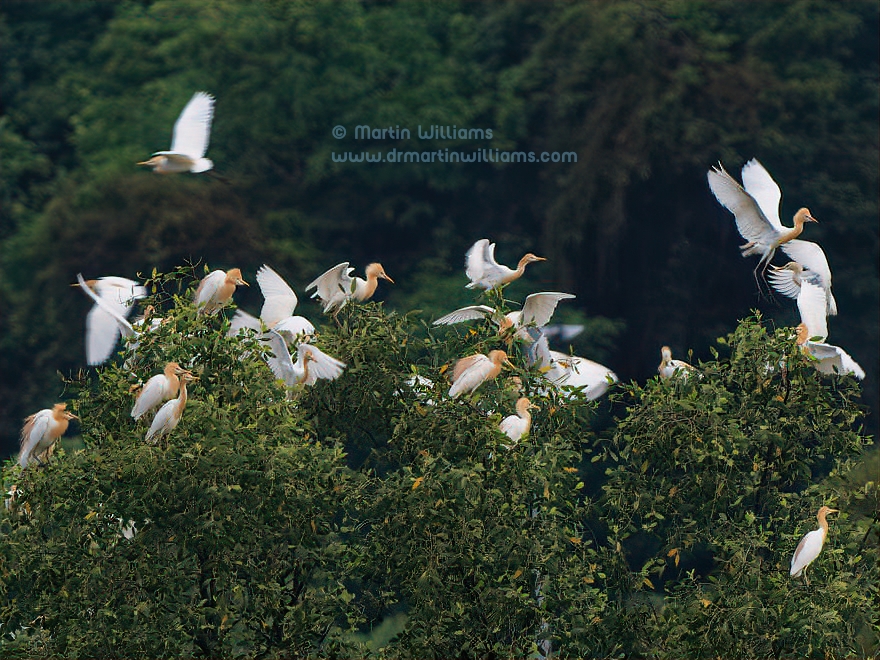
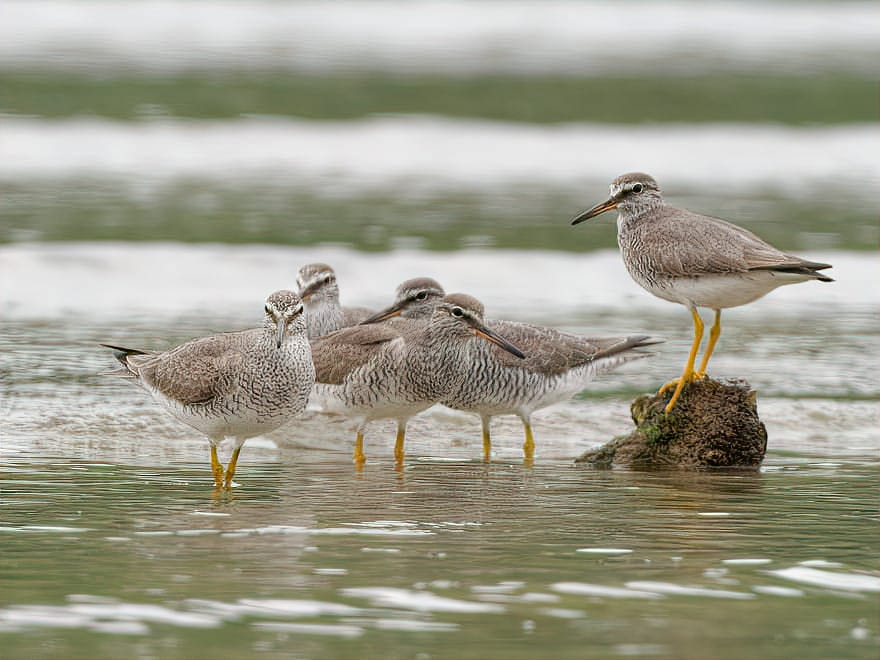
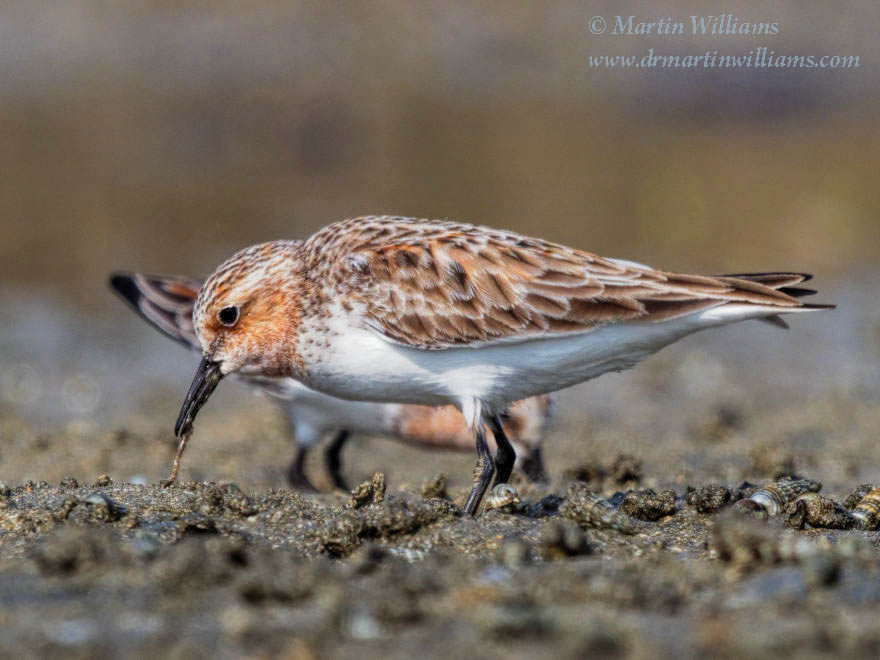
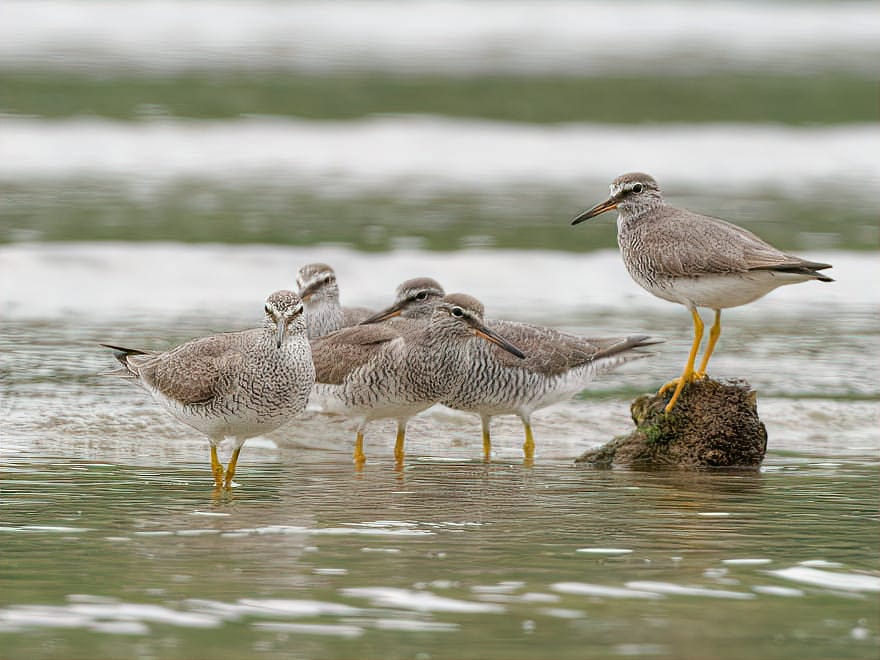
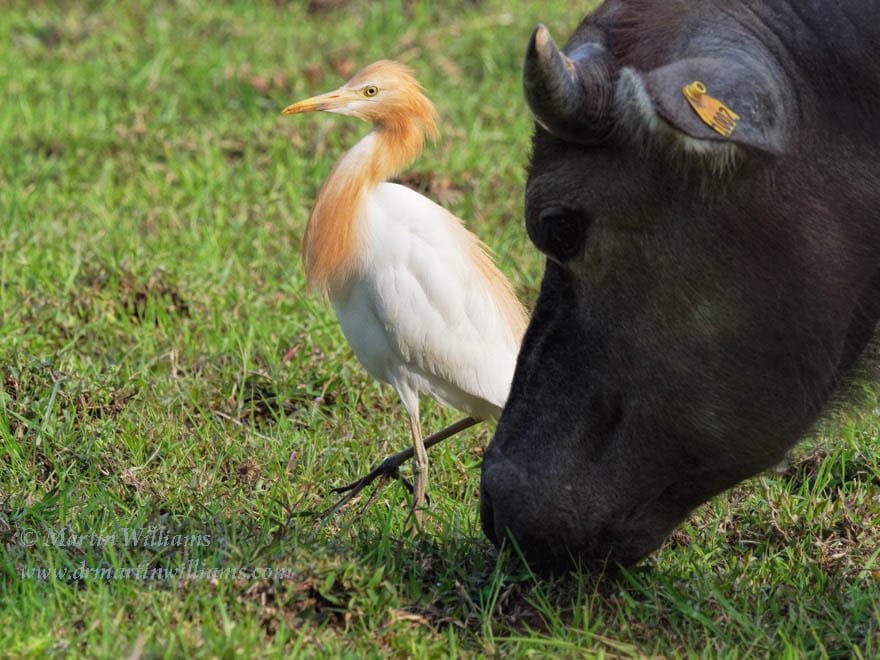
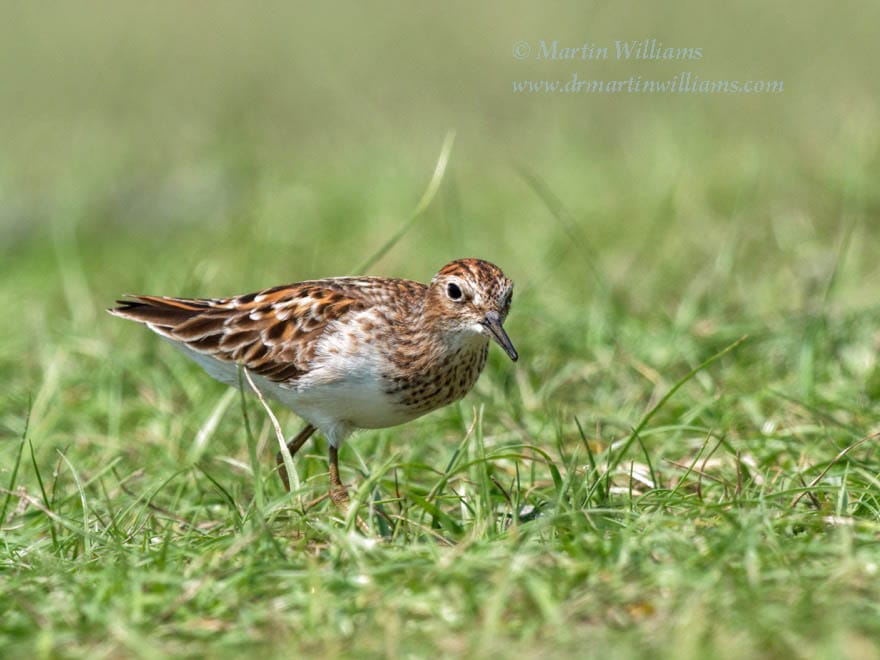
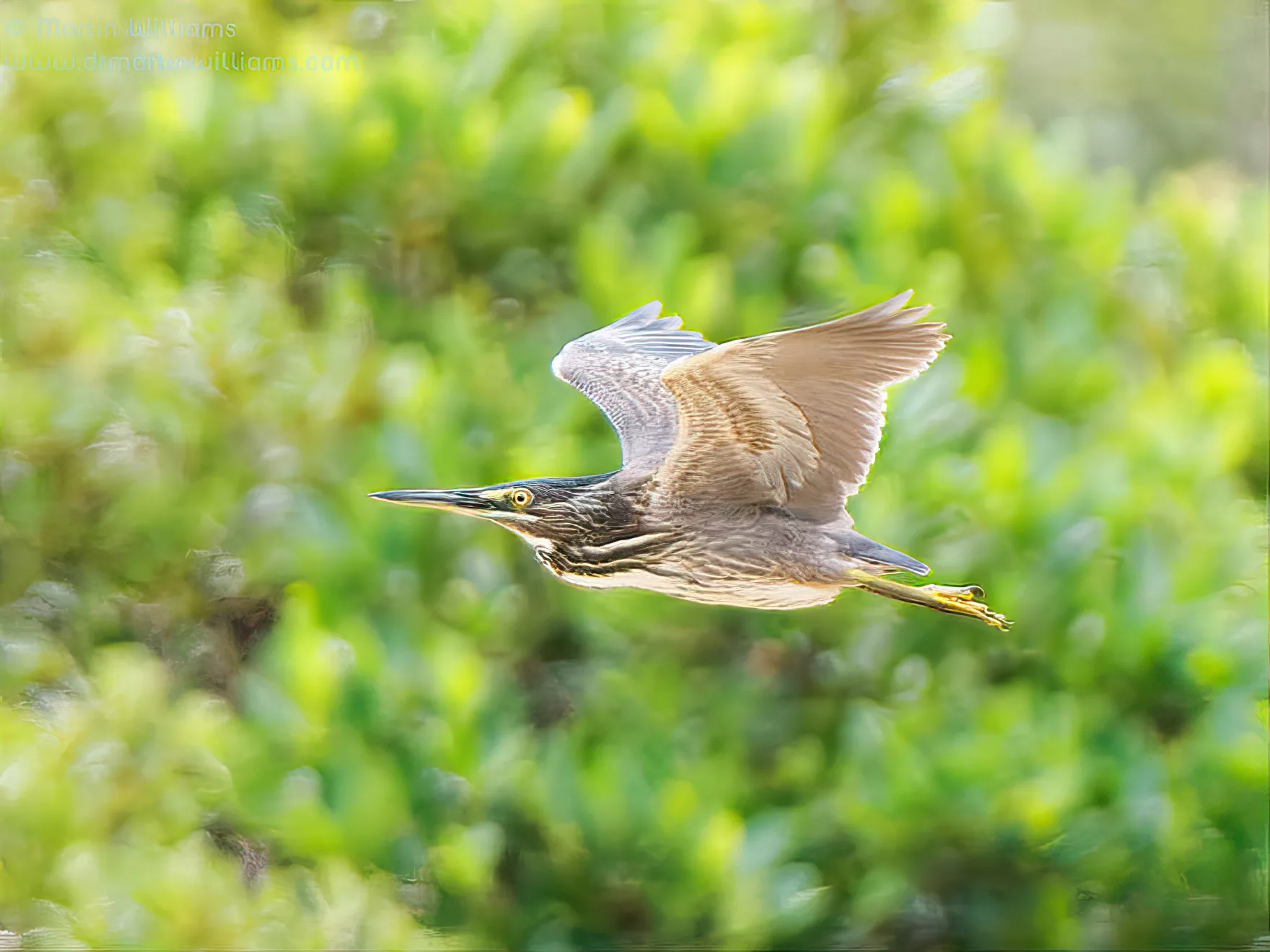
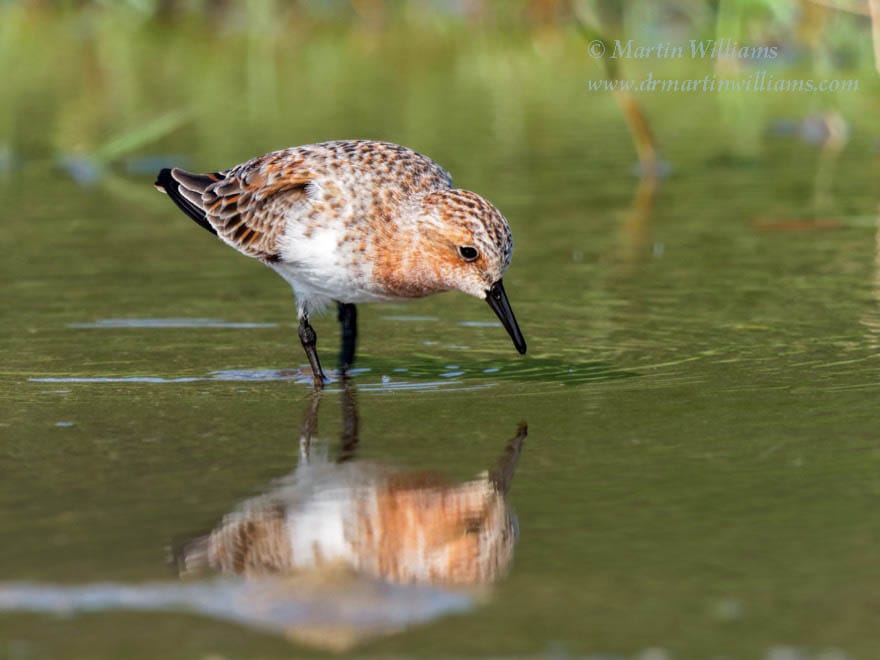
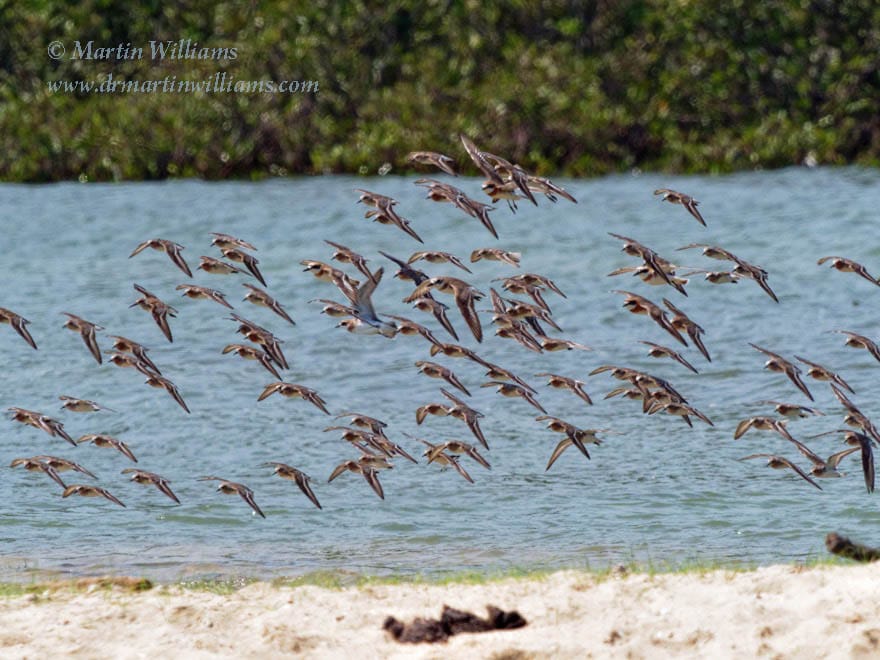
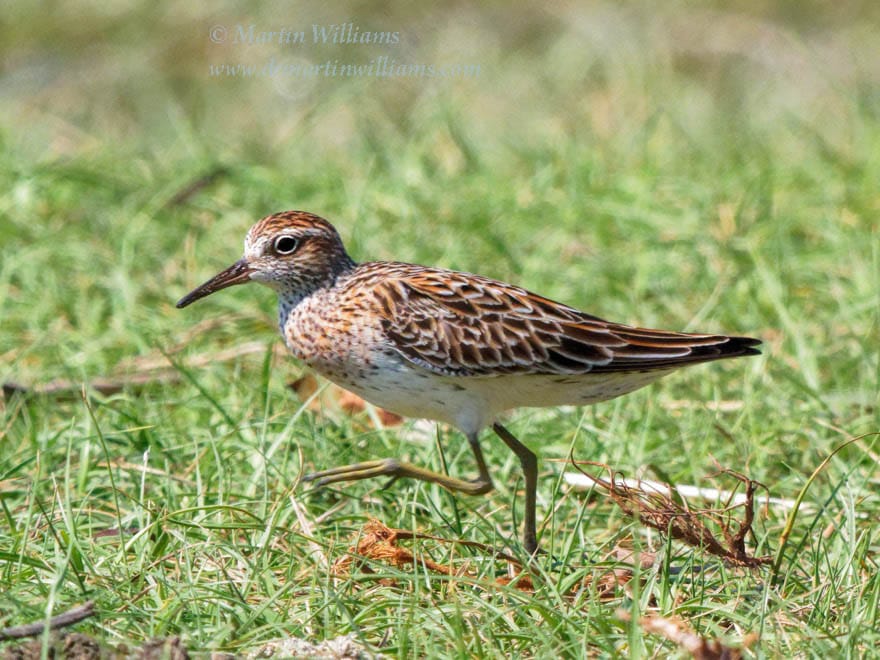
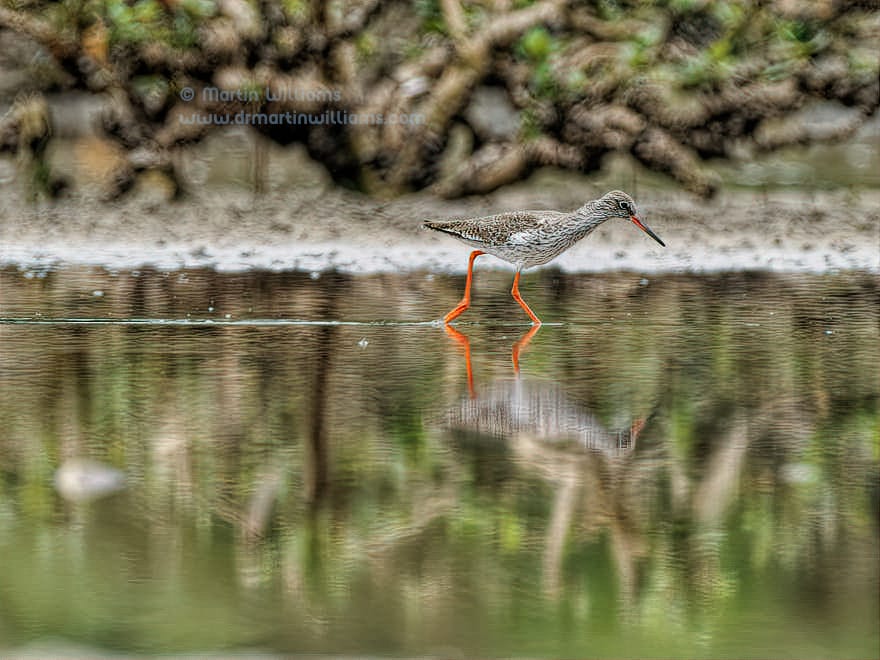
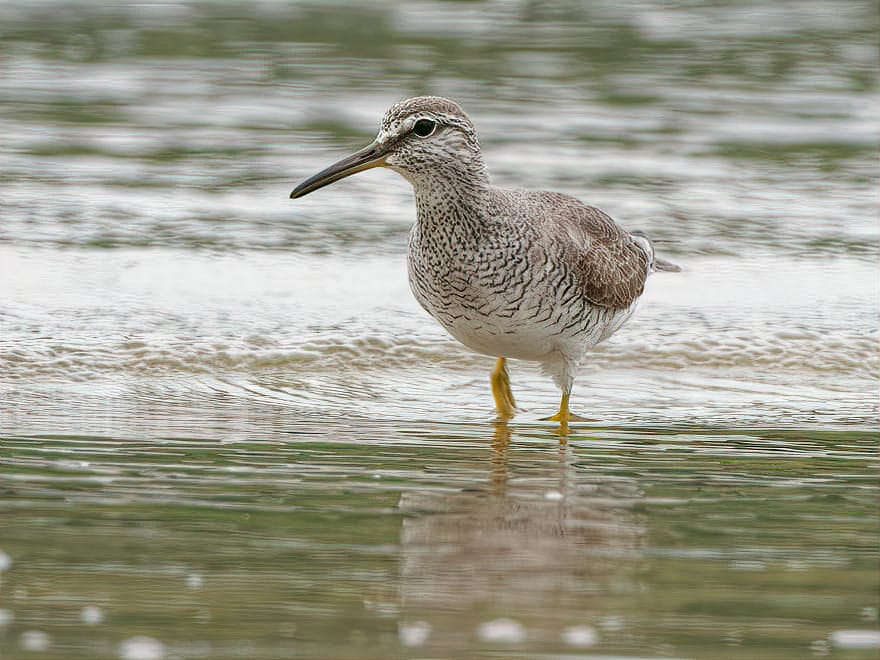
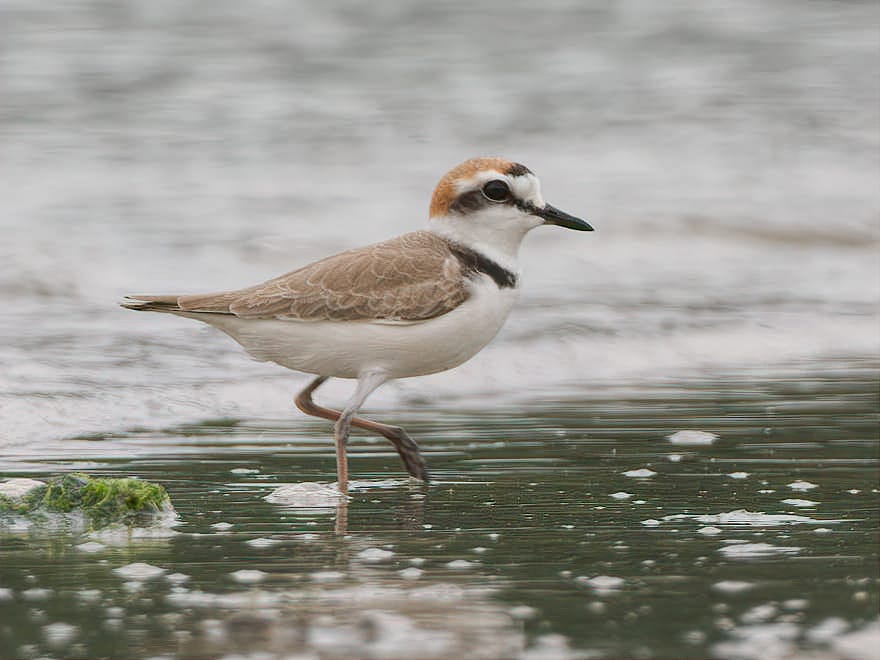
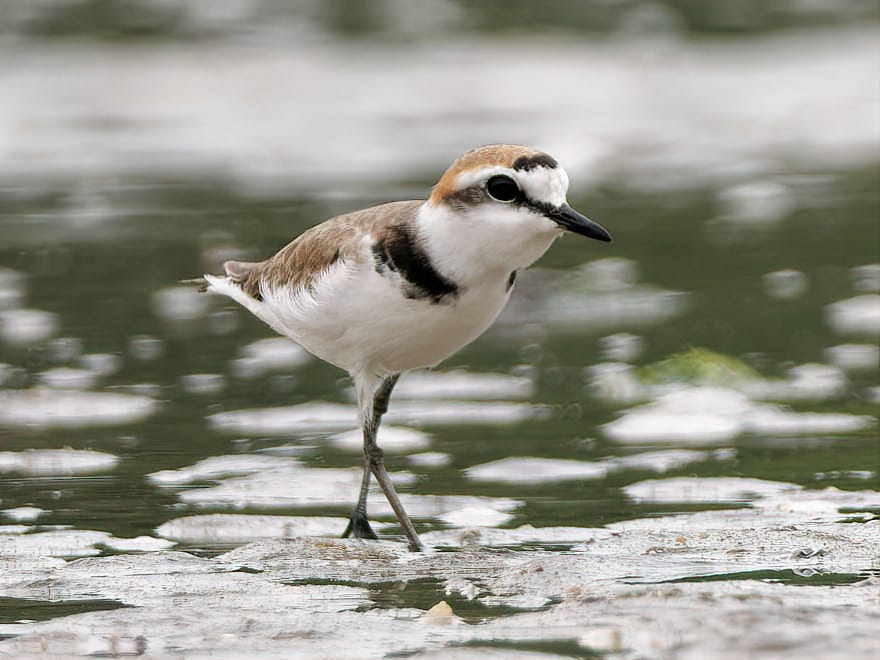
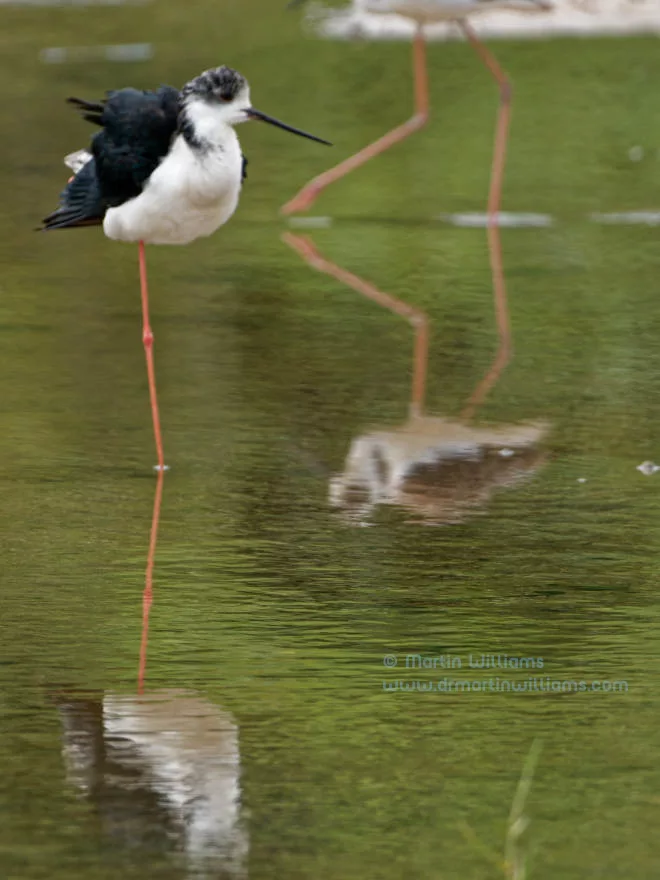
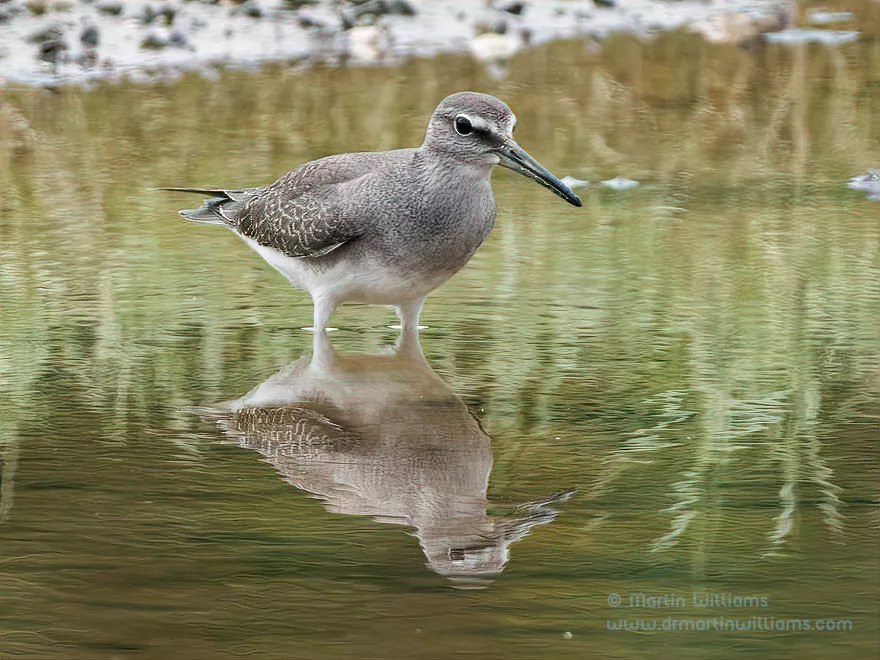
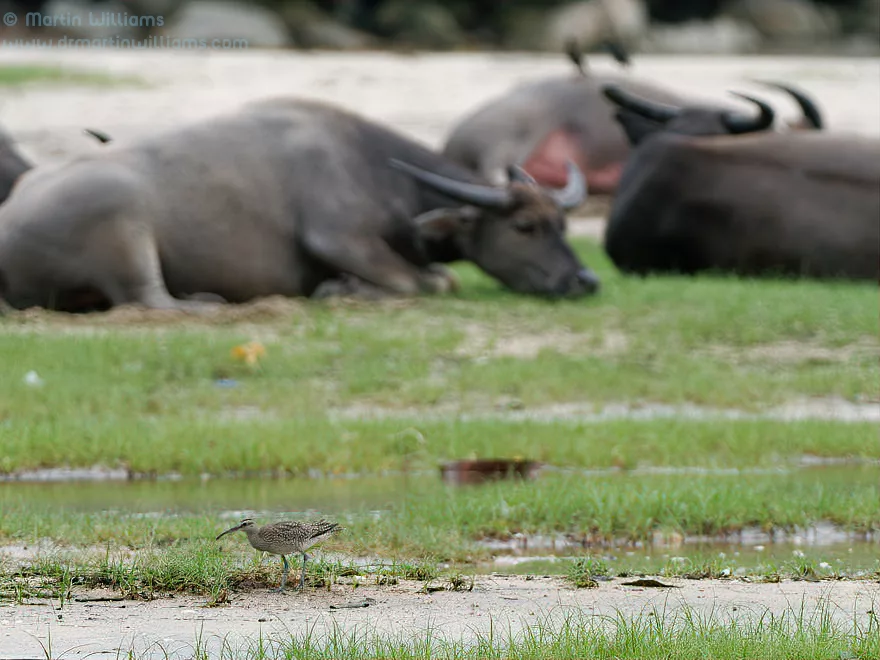
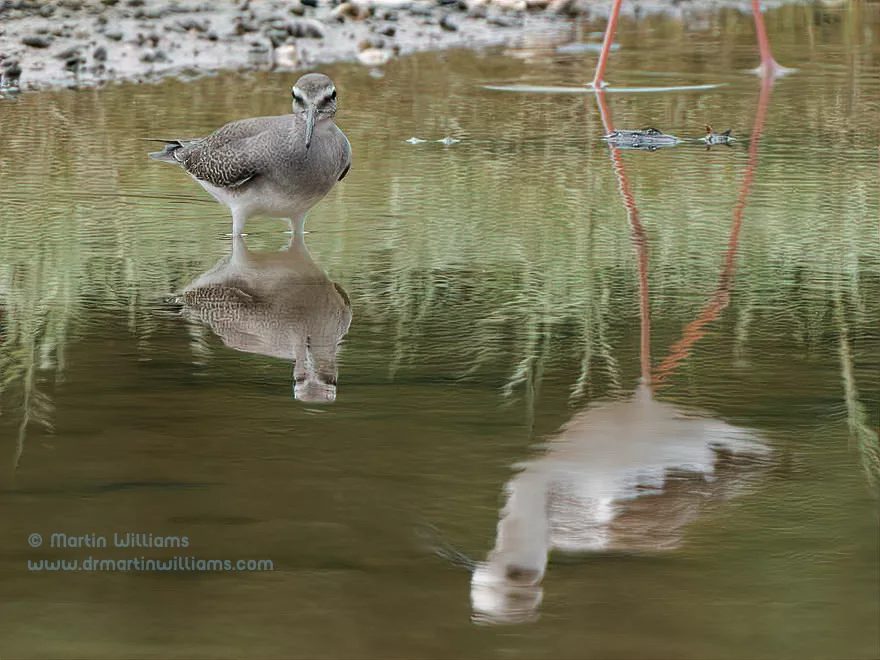
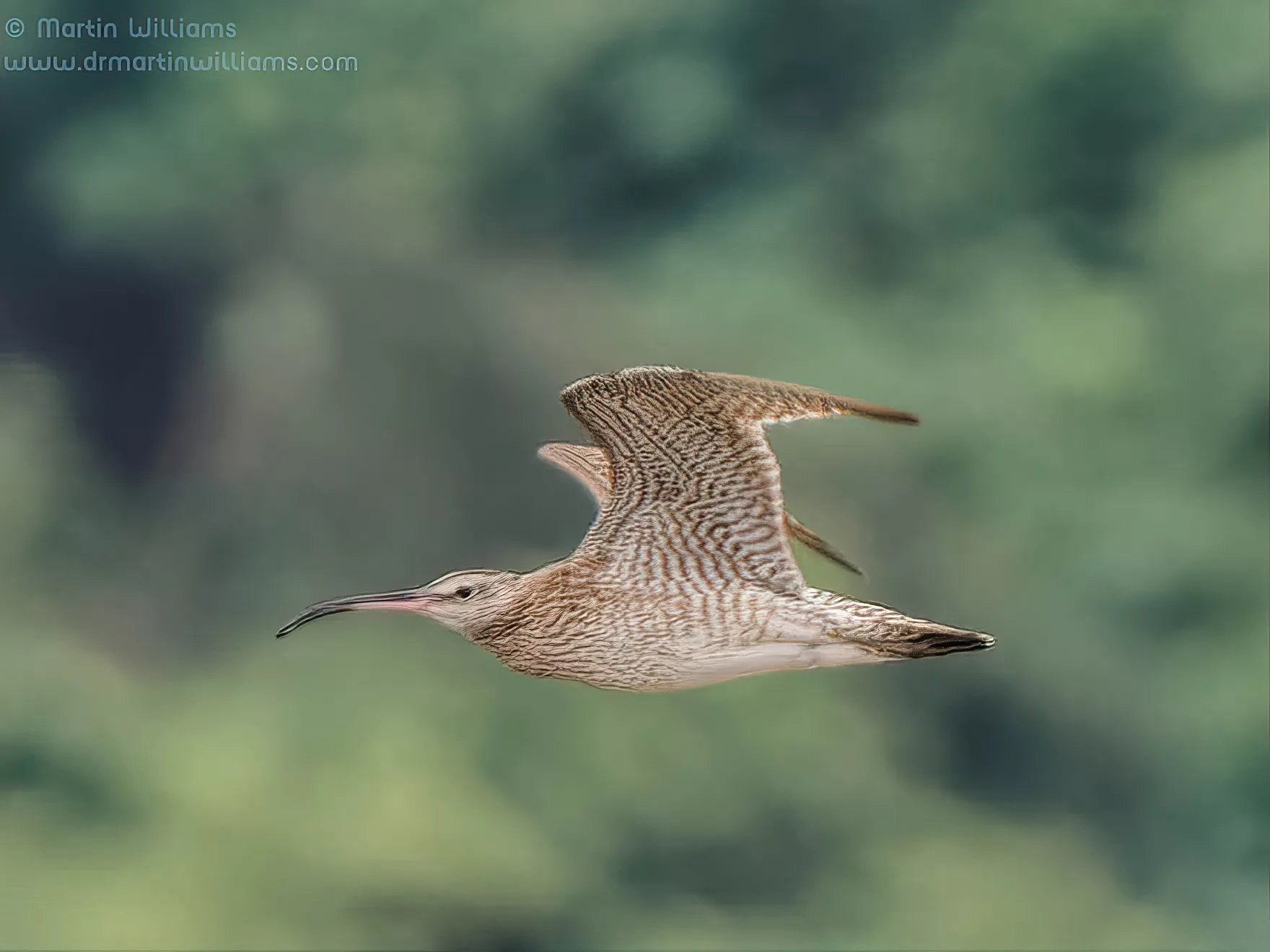
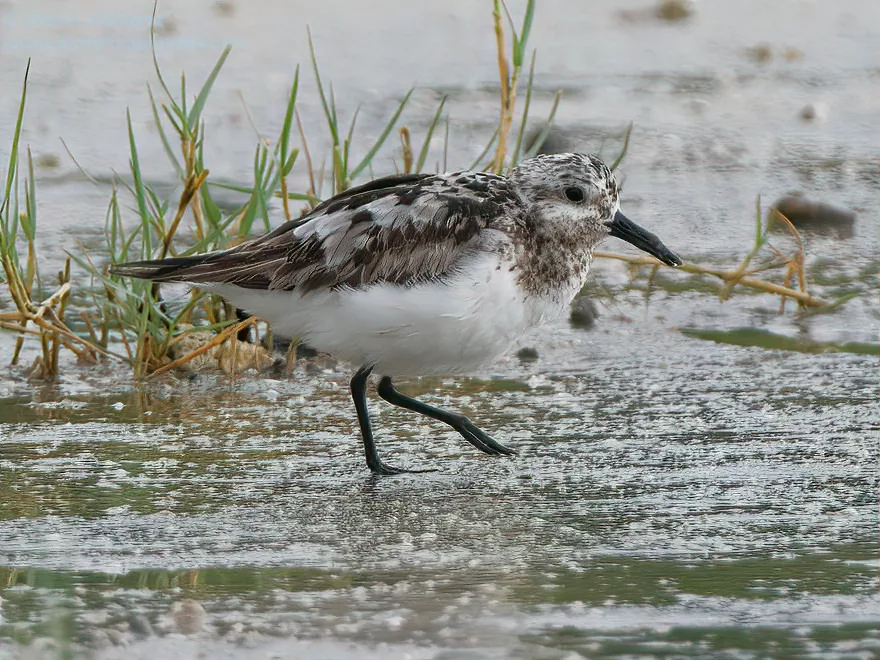
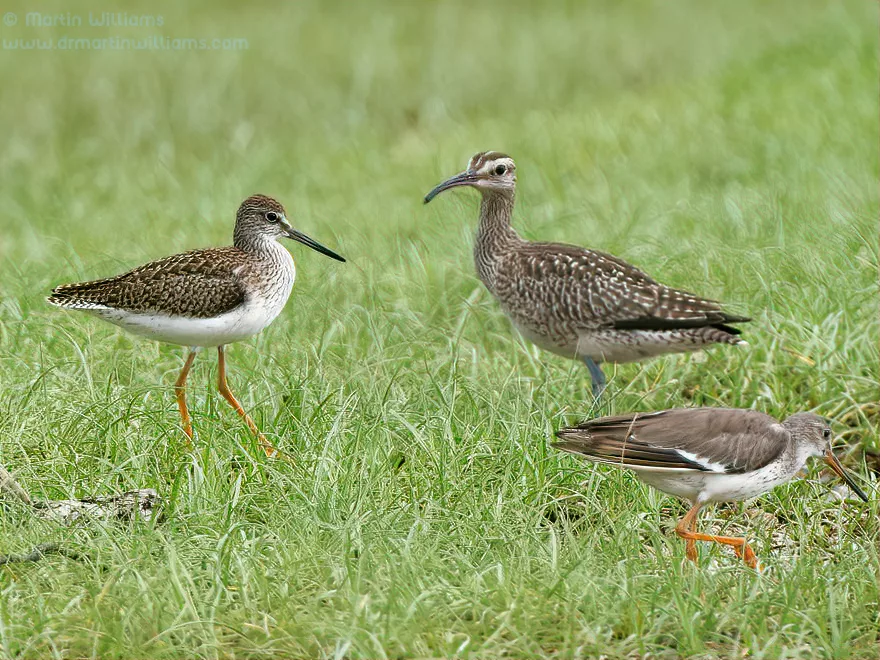
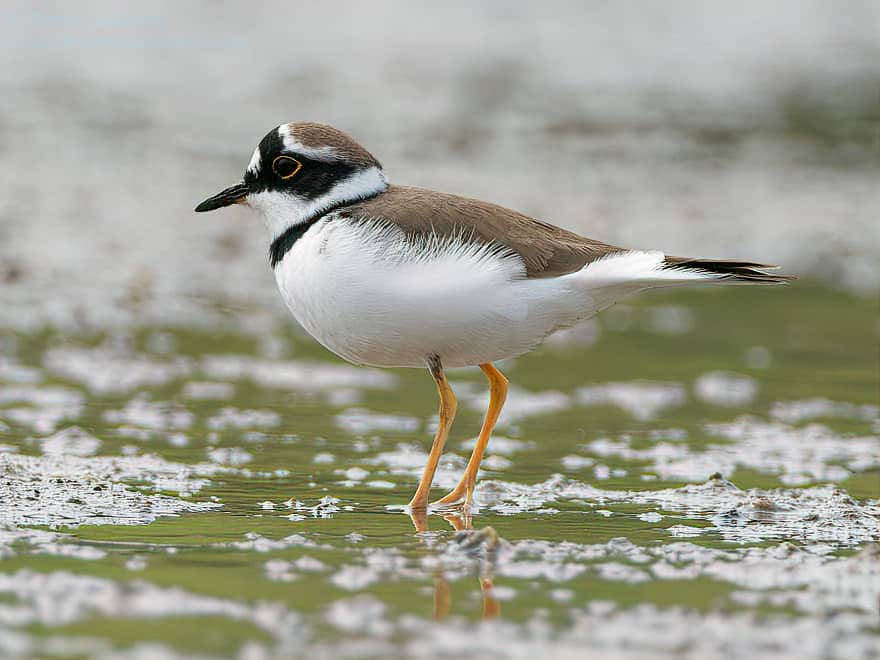
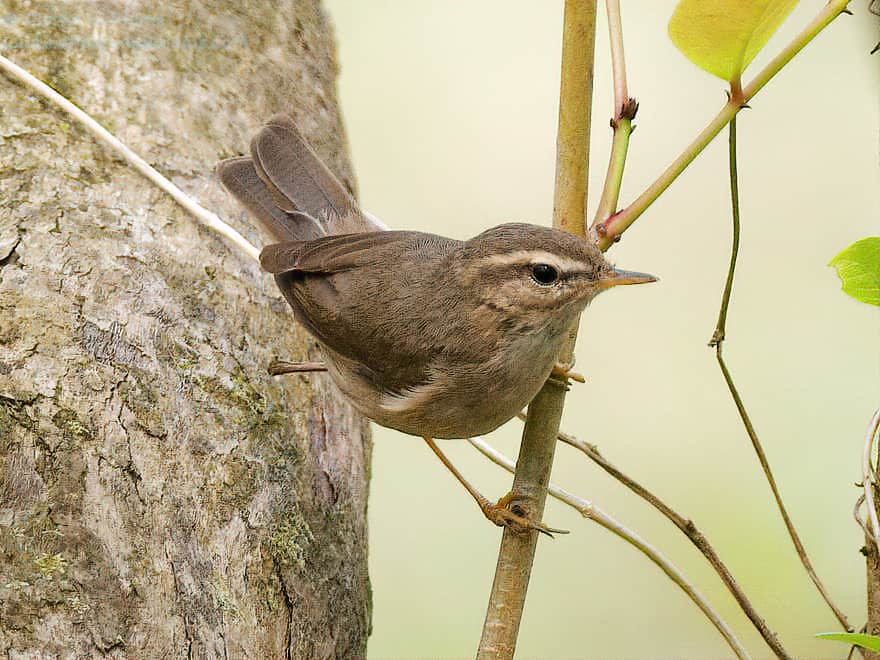
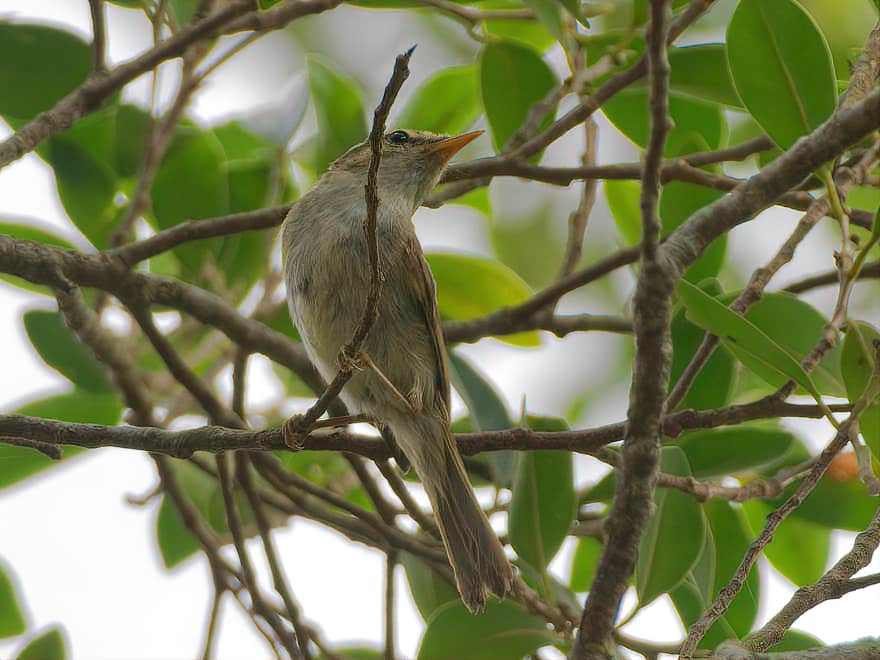
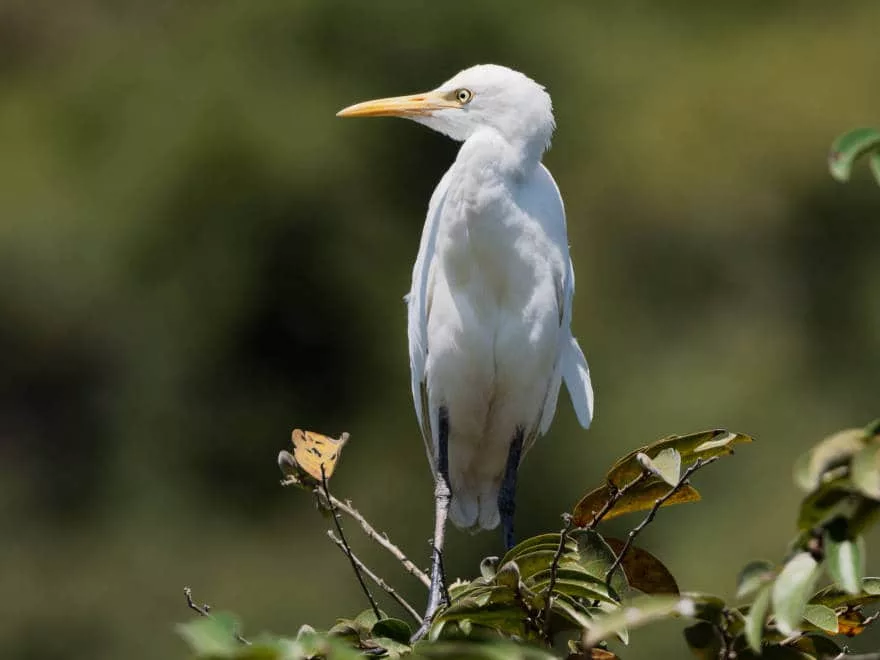
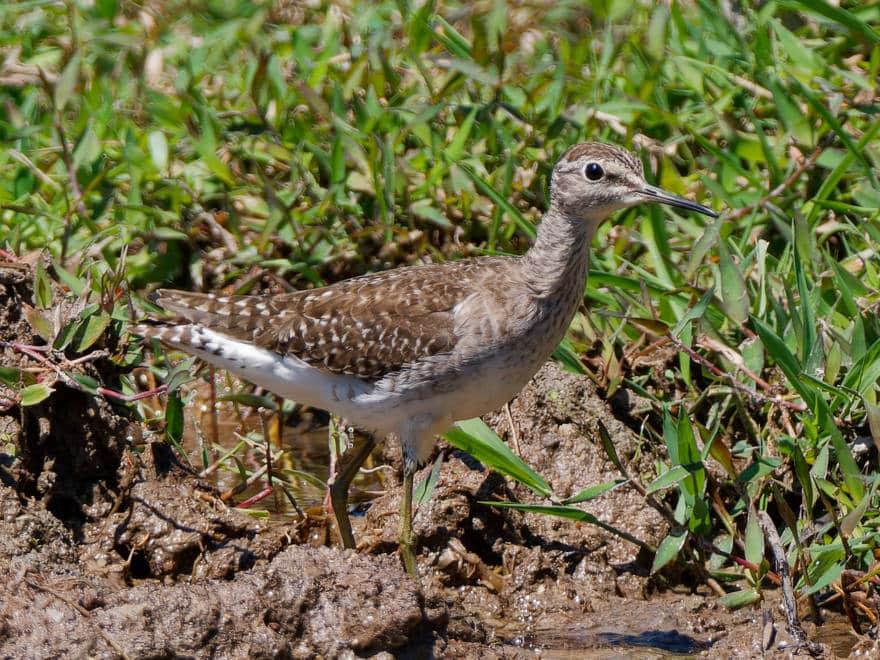
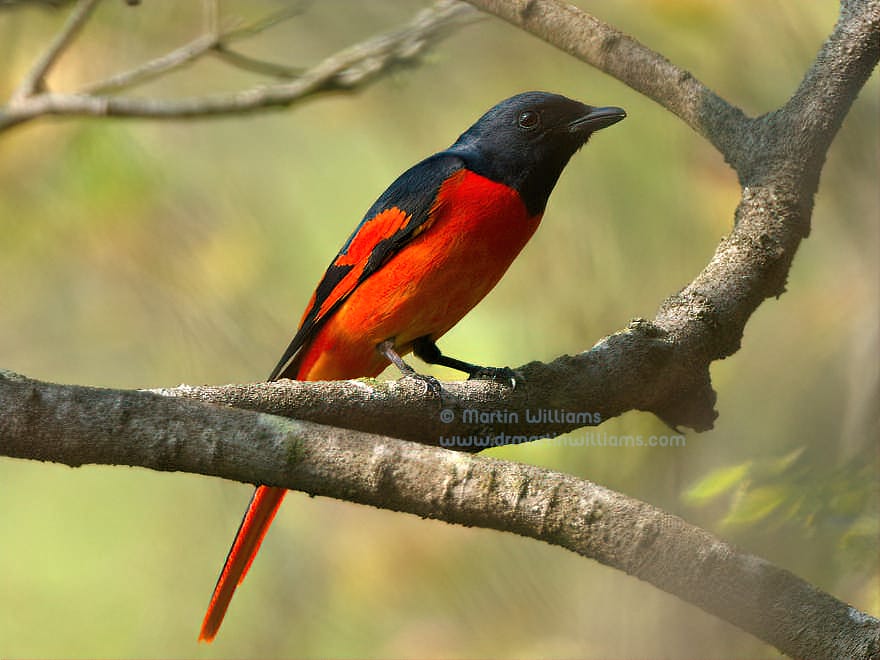
- Male Scarlet Minivet
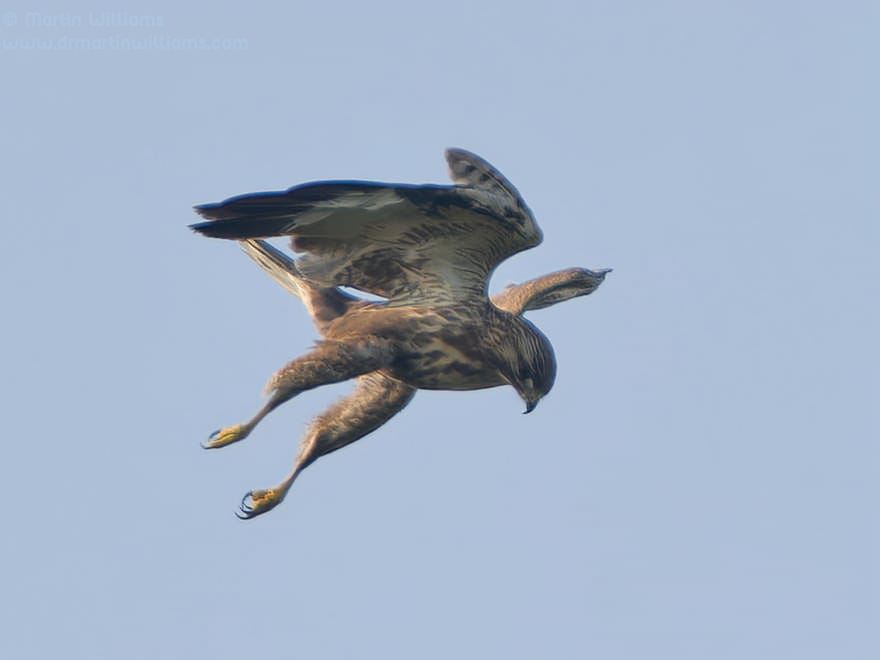
- Eastern Buzzard
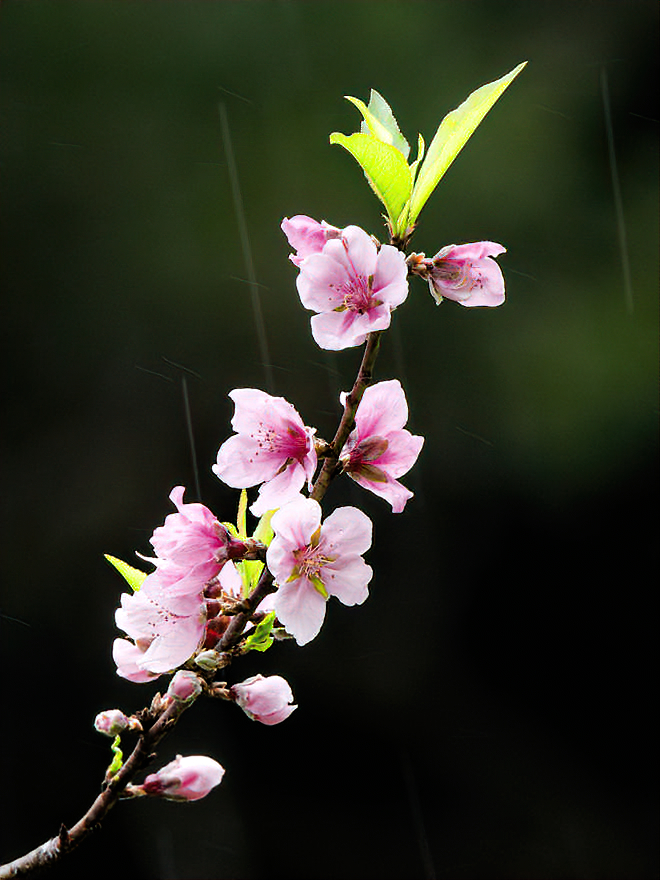
- Spring blossoms: cherry
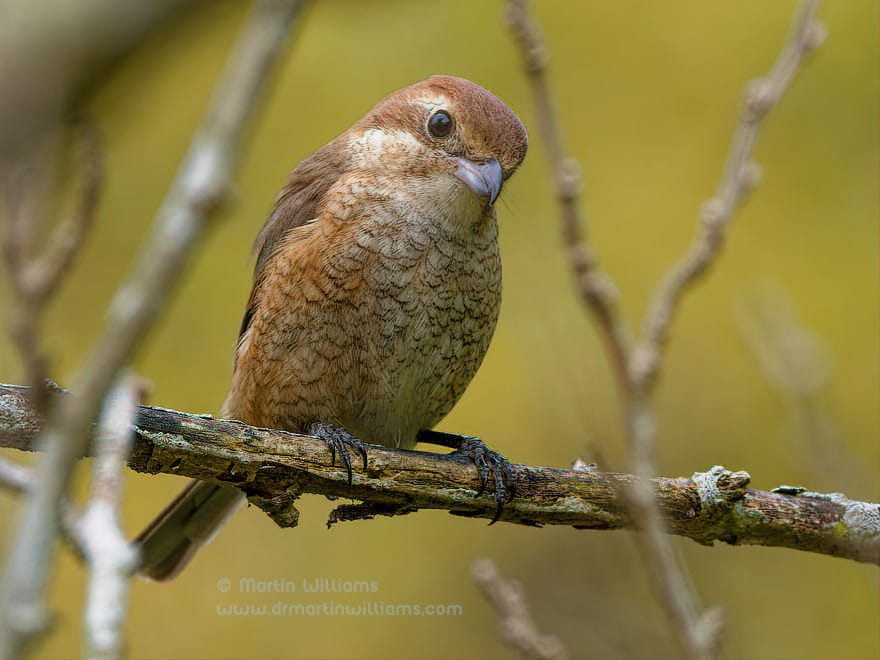
- Bull-headed Shrike
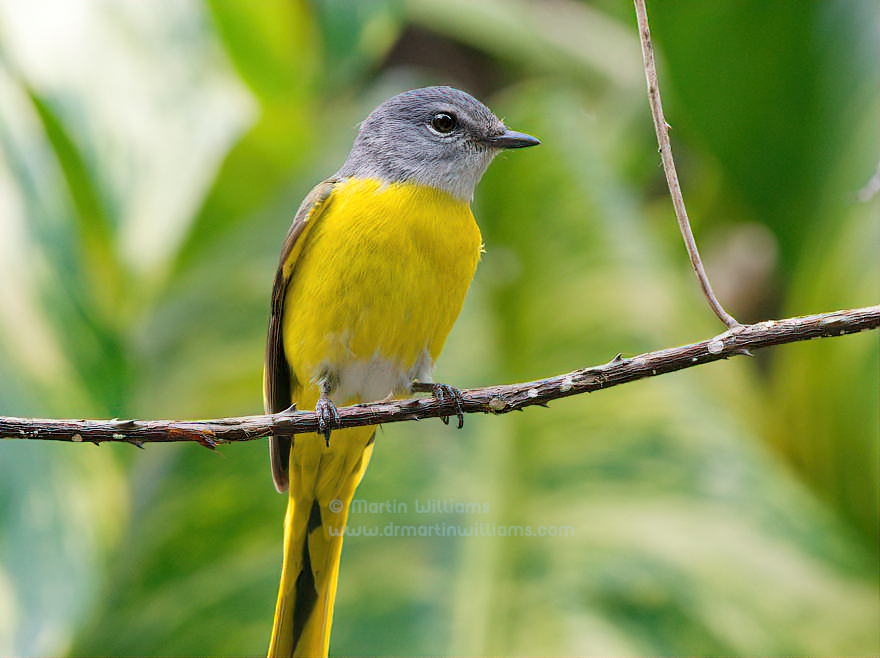
- Grey-chinned Minvet
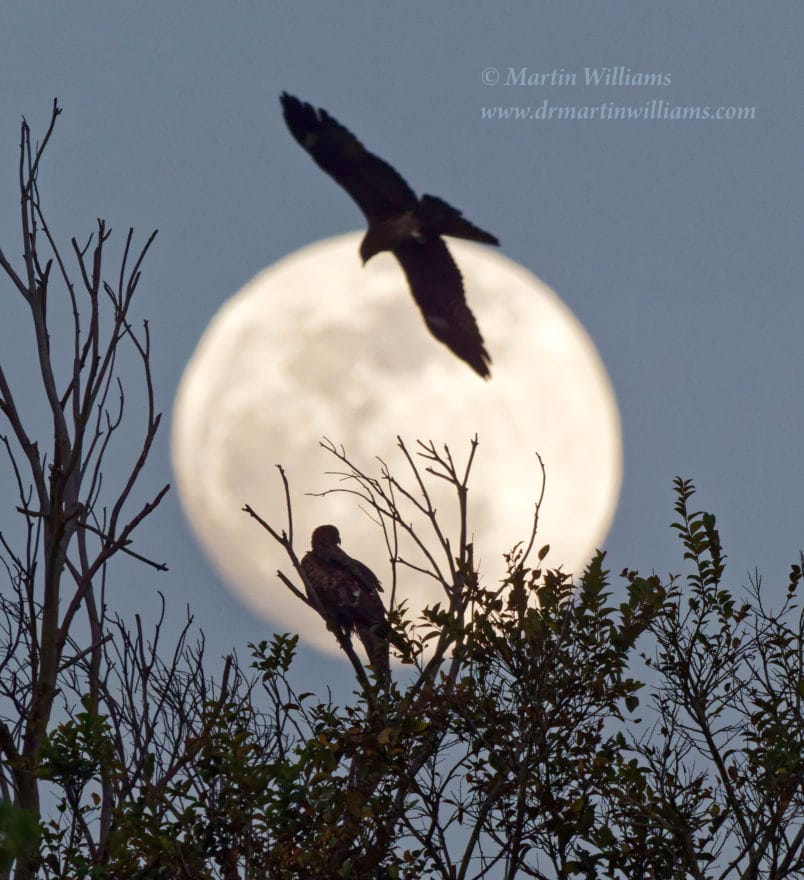
- Black Kites and rising moon
- Grey-backed Thrush
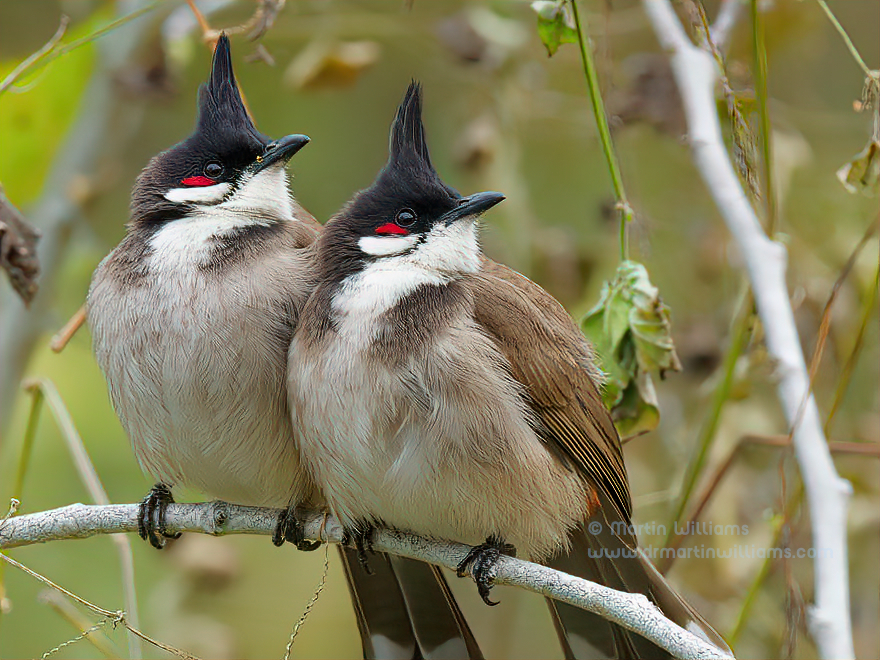
- Pair of Red-whiskered Bulbuls
- Brown-headed Thrush
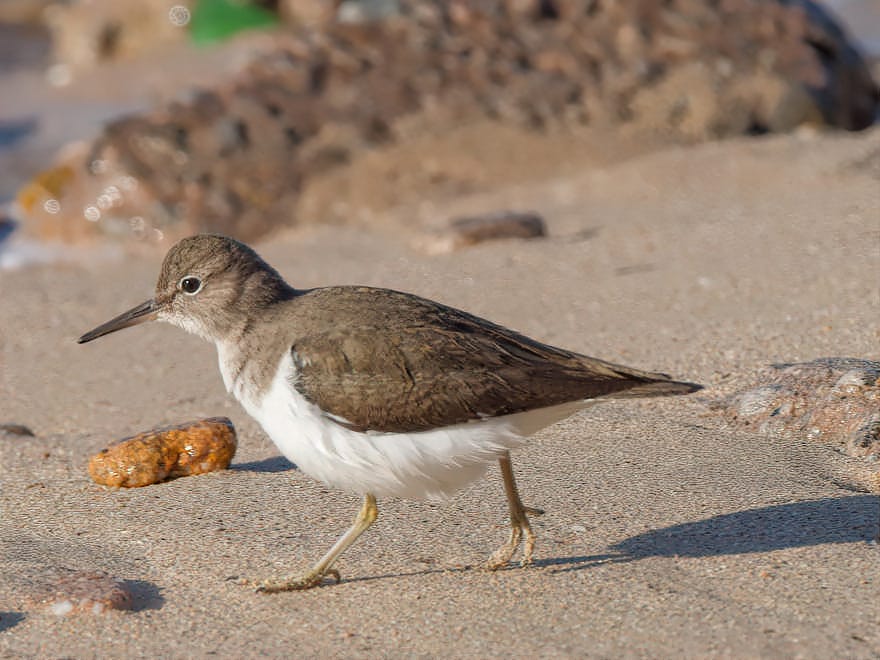
- Common Sandpiper
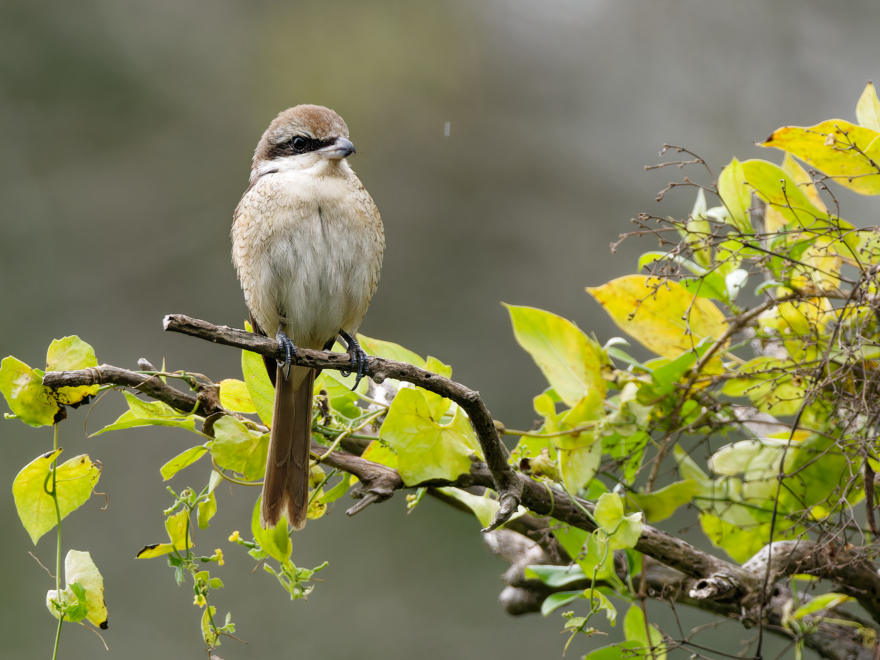
- Brown Shrike
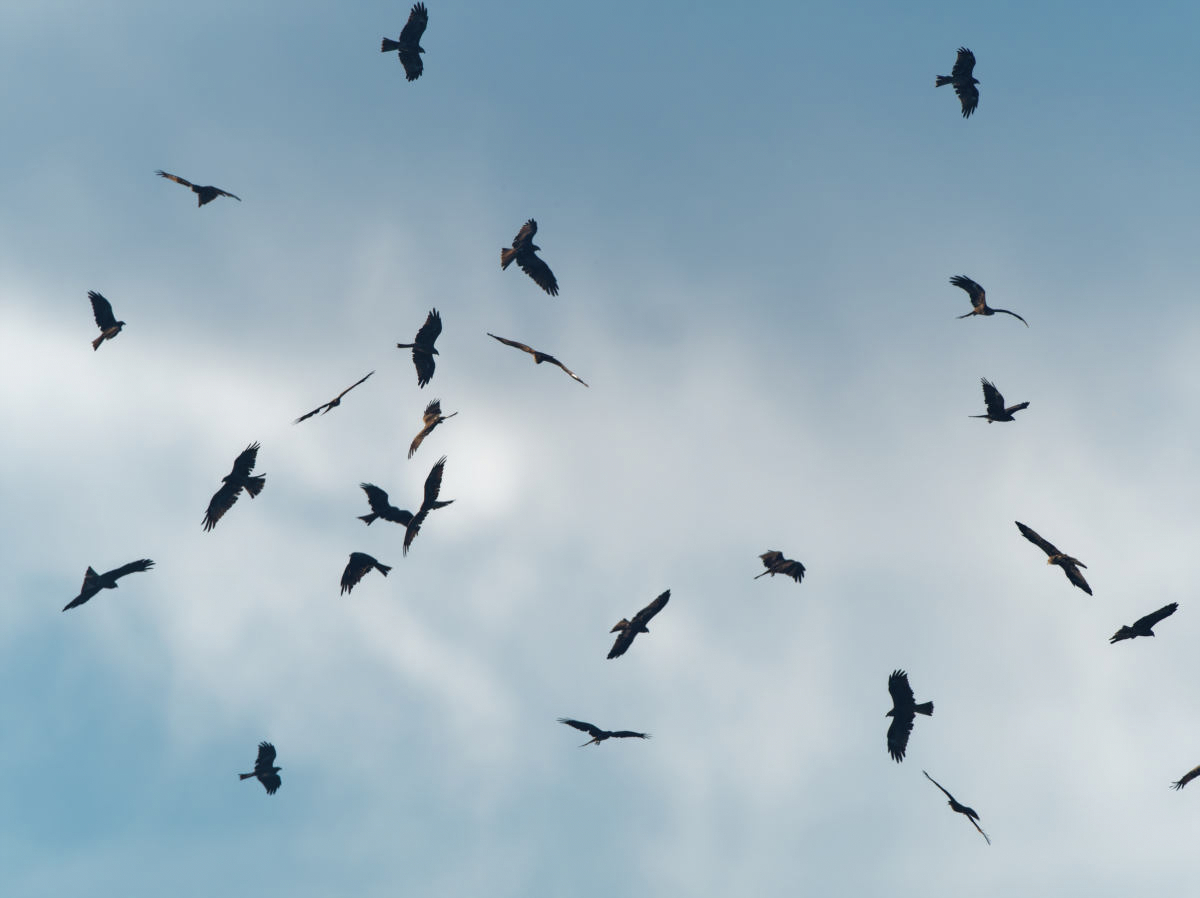
- Black Kites above Sai Wan roost
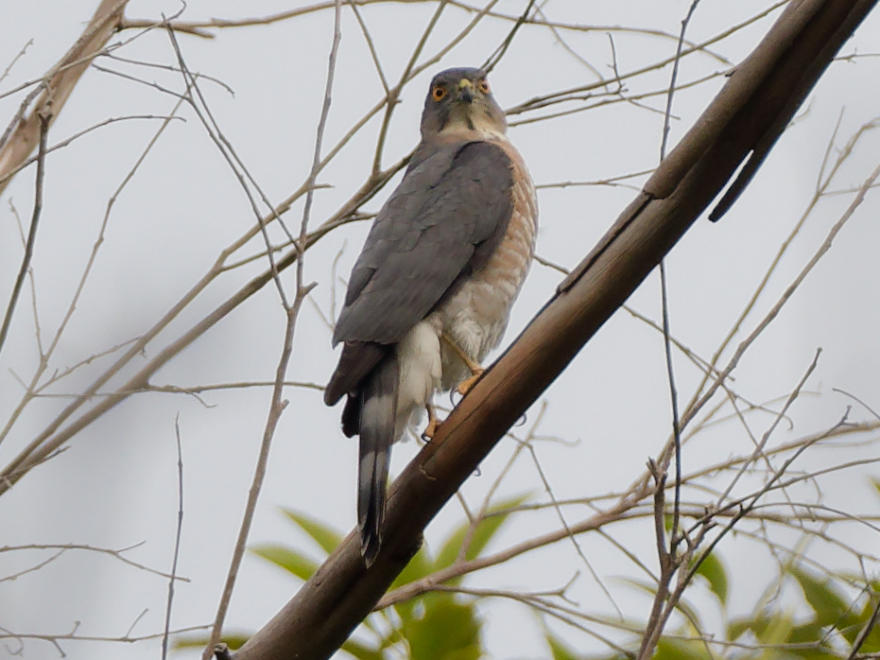
- Besra
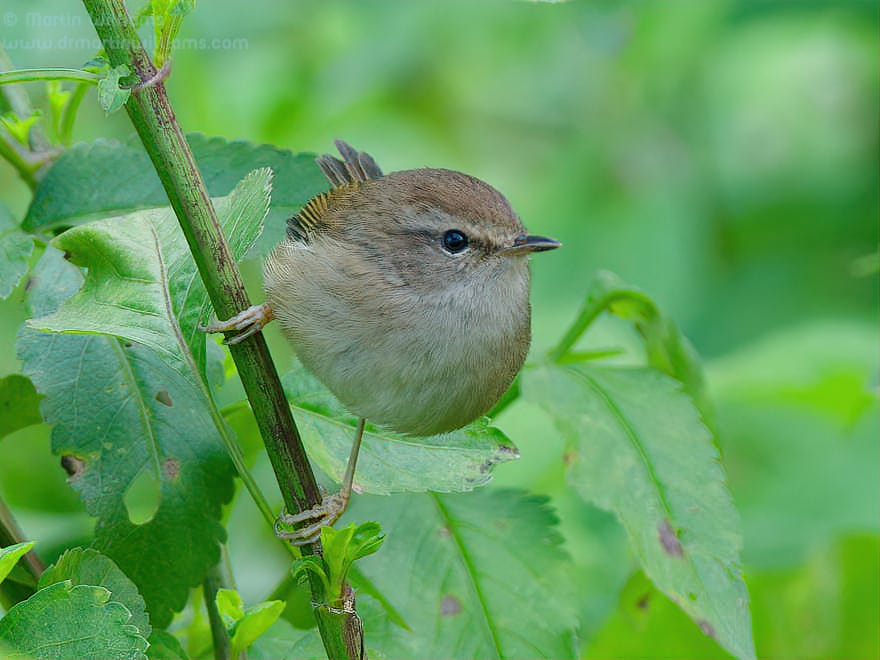
- Brownish-flanked Bush-Warbler
- Eastern Buzzard
- Bull-headed Shrike
- White-tailed Robin
- Sanderling, Cheung Chau
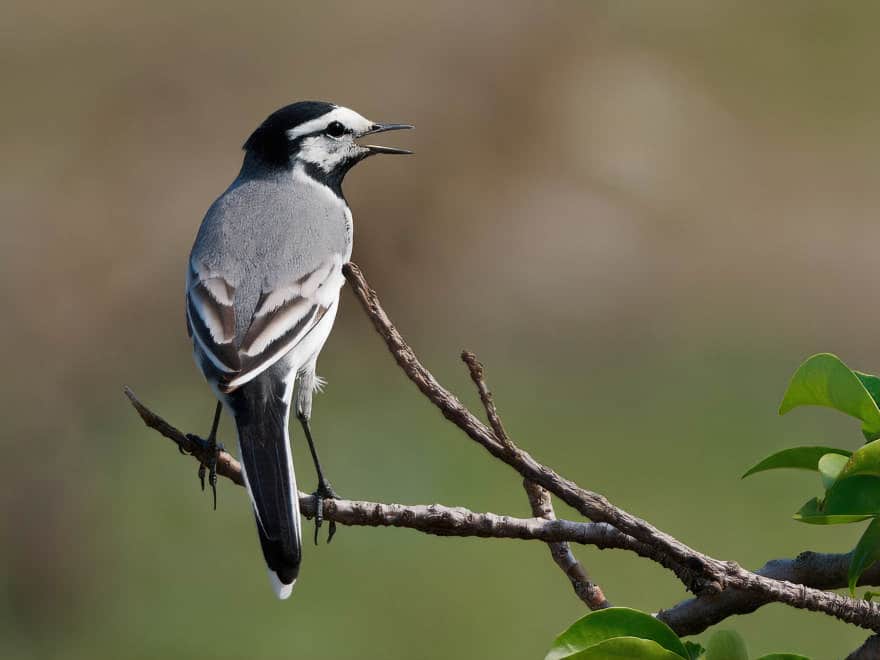
- White Wagtail
- Brown-headed Thrush
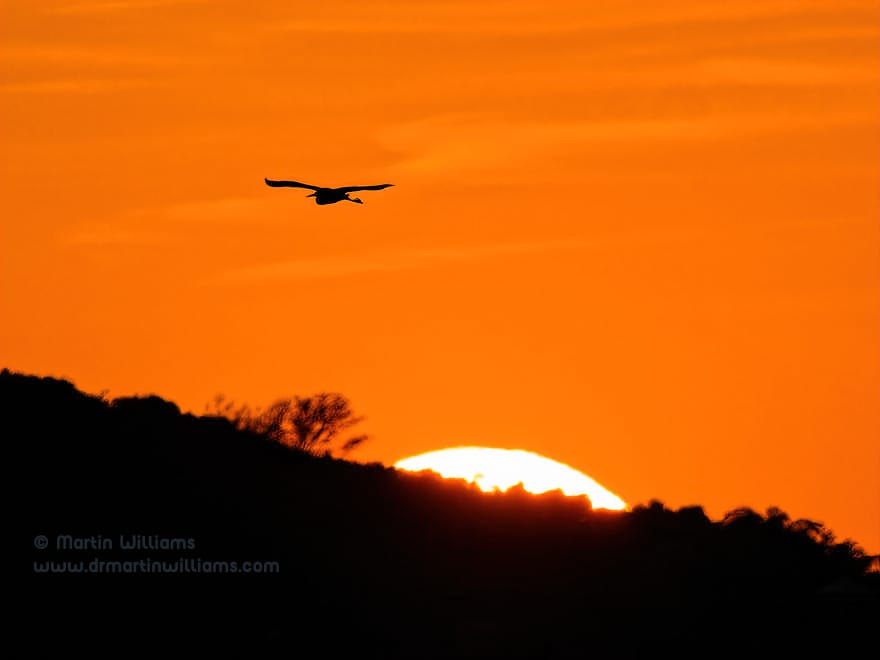
- Flying Egret, Setting Sun
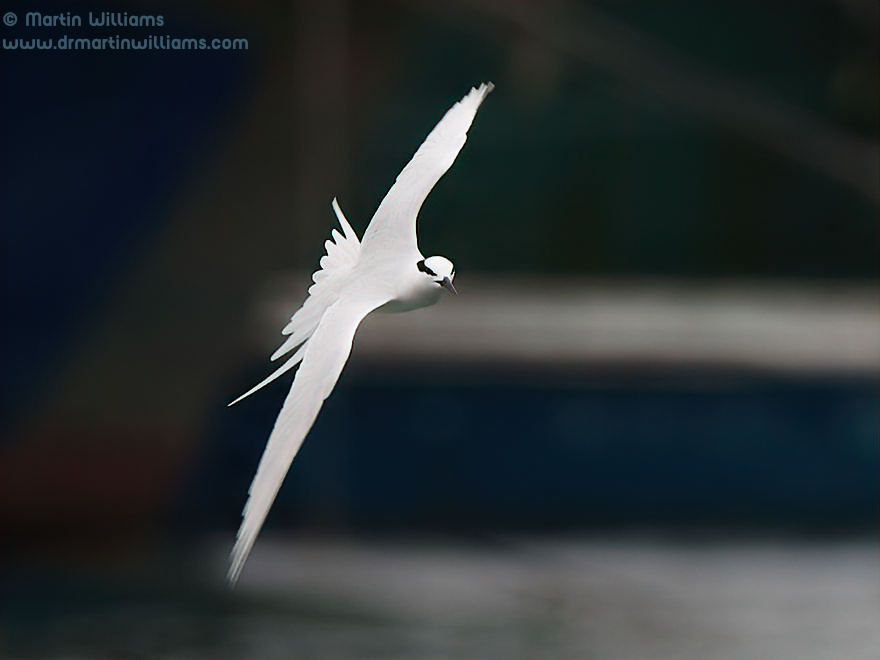
- Black-naped Tern
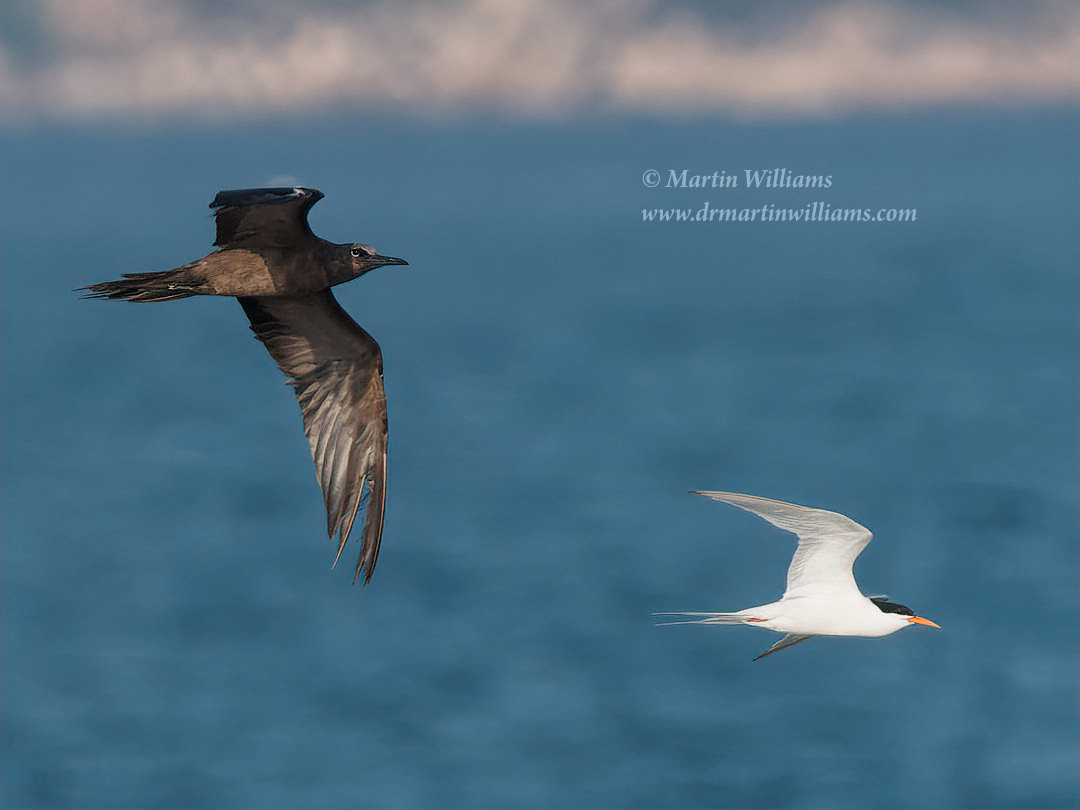
- Brown Noddy and Roseate Tern from ferry
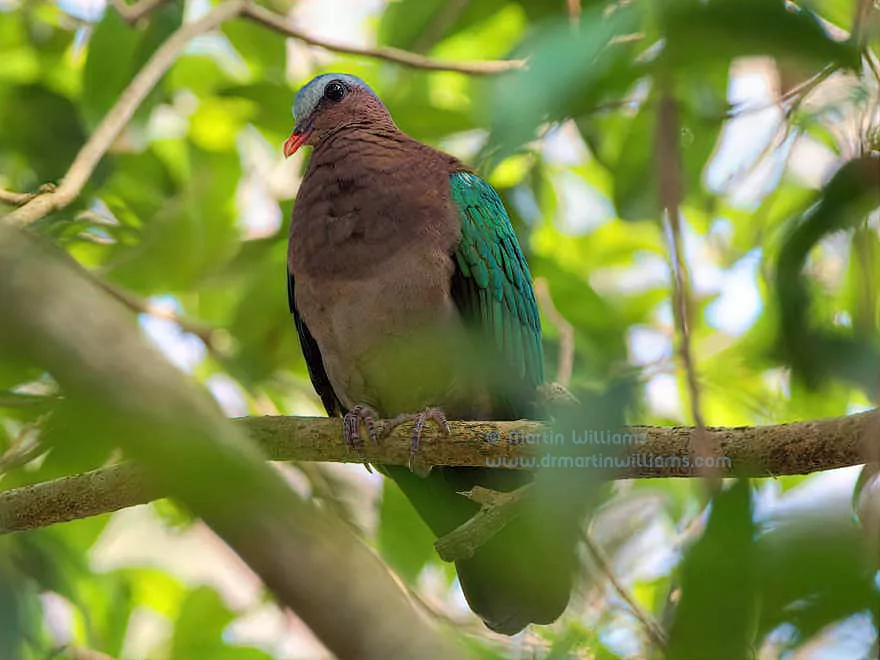
- Emerald Dove, Cheung Chau
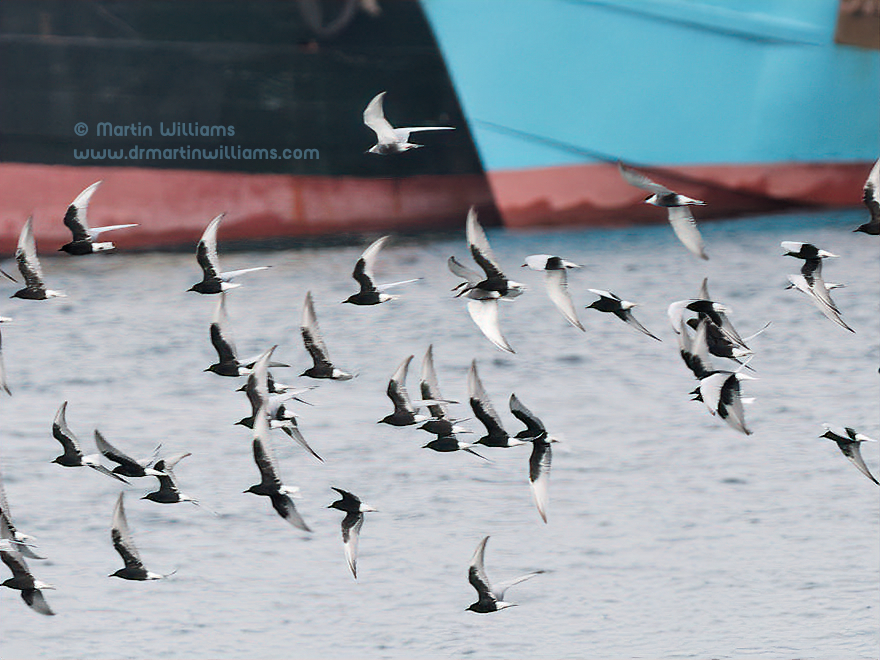
- White-winged and Whiskered Terns, Cheung Chau
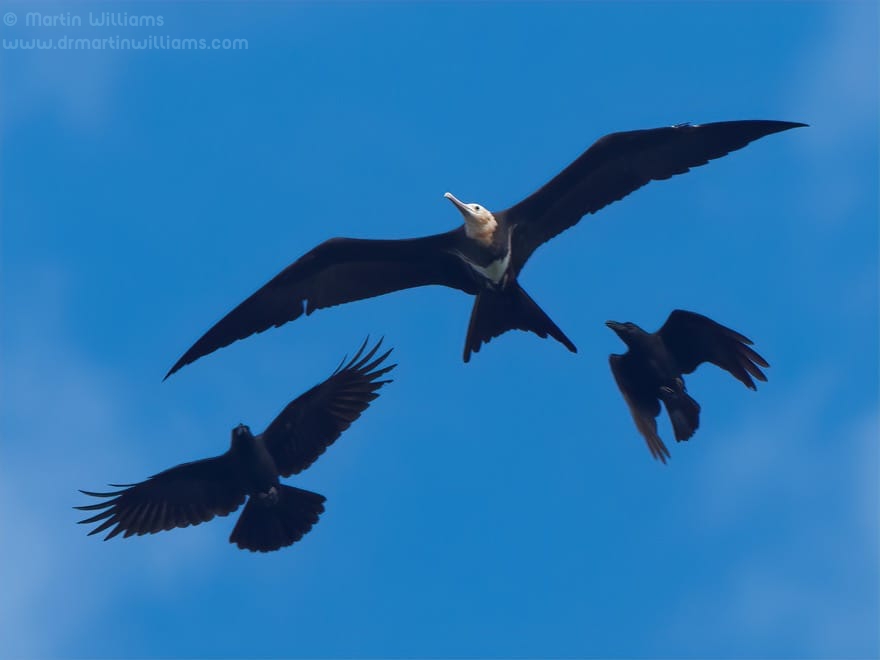
- Lesser Frigatebird mobbed by Large-billed Crows
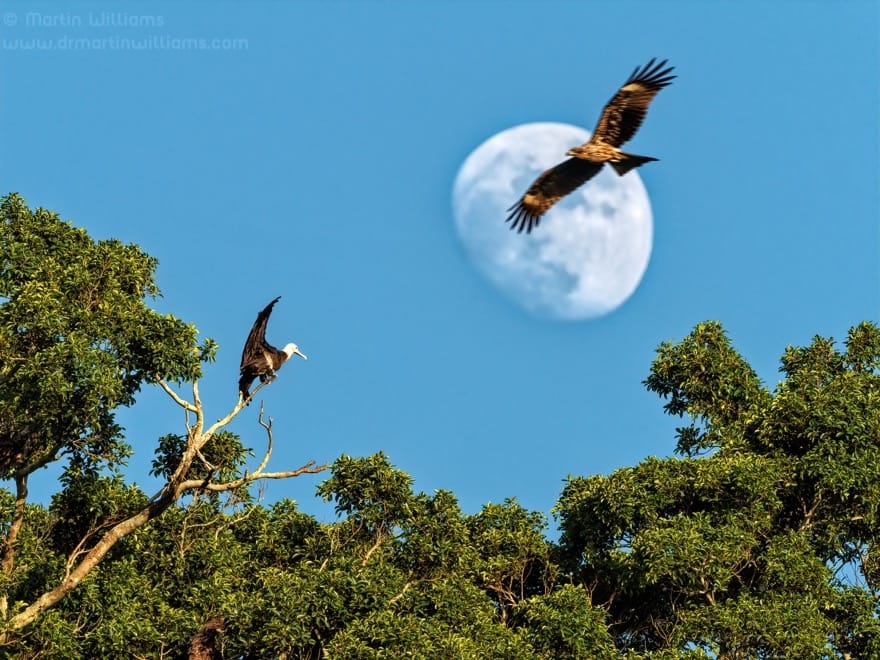
- Lesser Frigatebird and Black Kite w rising moon
- Crested Goshawk displaying
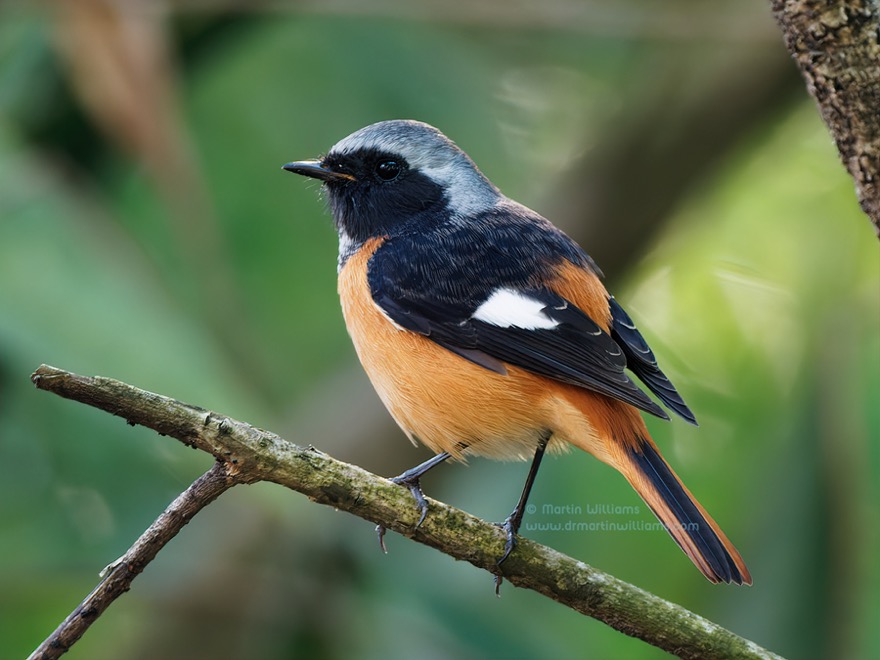
- Daurian Redstart
- Eastern Buzzard
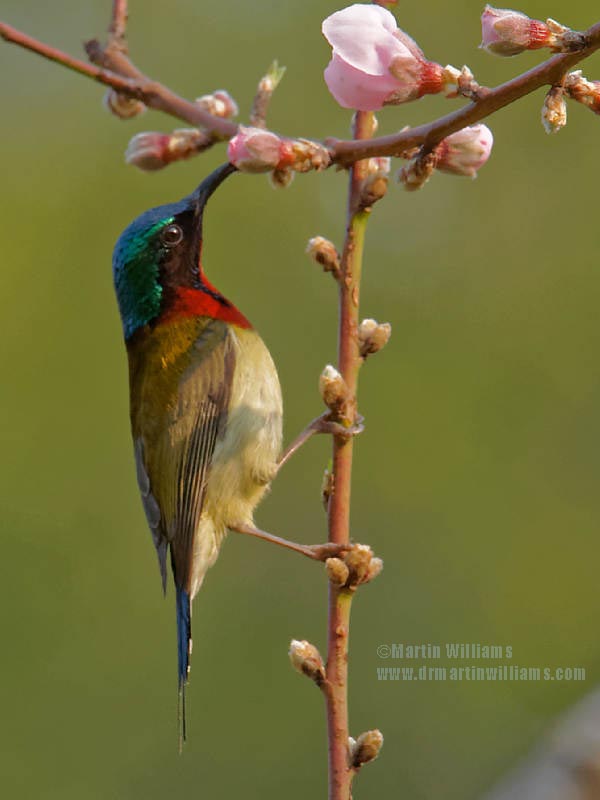
- Fork-tailed Sunbird
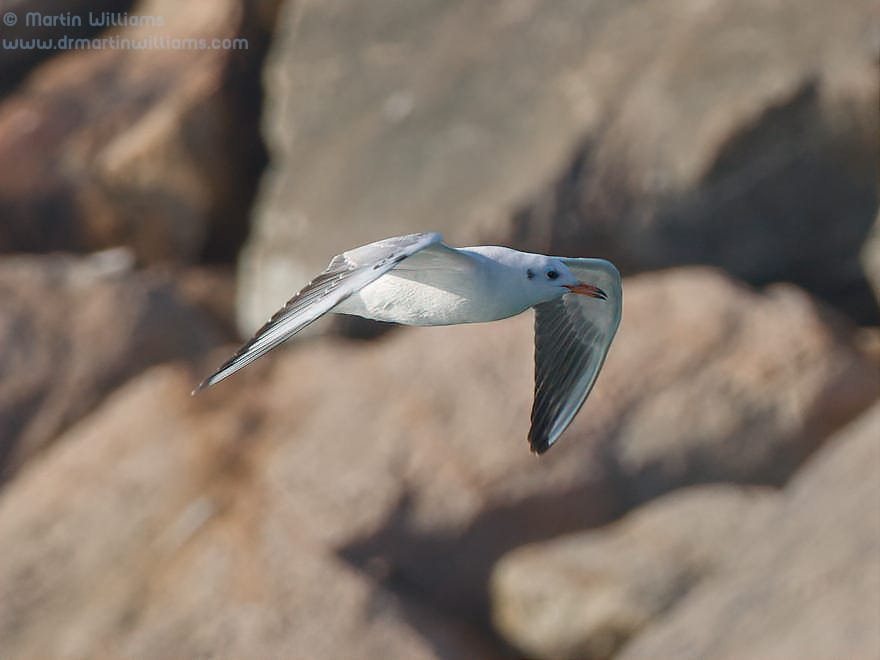
- Common Black-headed Gull
- Black Kite
- Brown Noddy from ferry
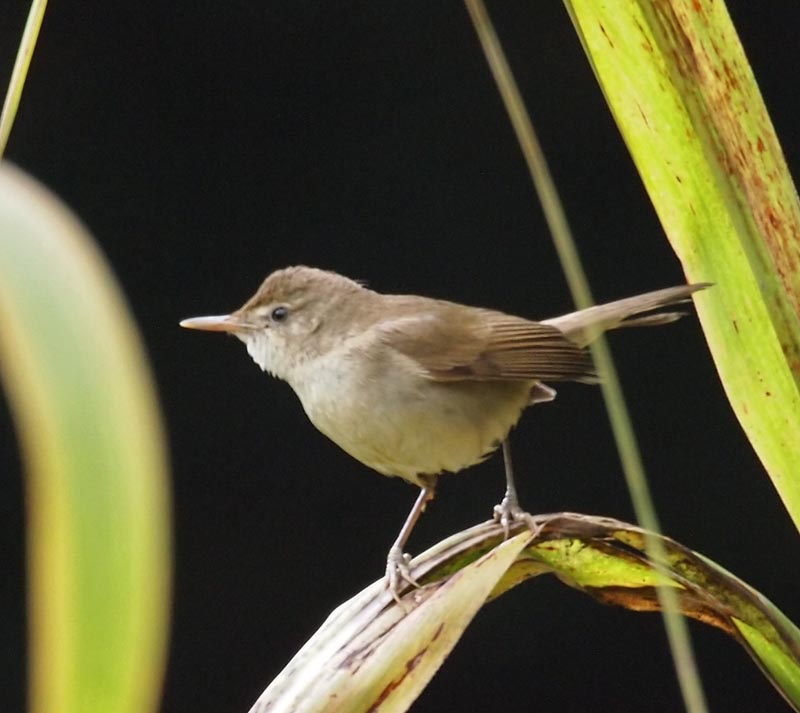
- Blyth's Reed Warbler
- Besra, Cheung Chau
- Kloss' Leaf-Warbler
- Red-footed Booby: a badly injured bird, later euthanisedfound on a Cheung Chau beach on 18 March 2024; taken to Kadoorie Farm, but vets found its shoulder injuries were too severe to nurse it back to health



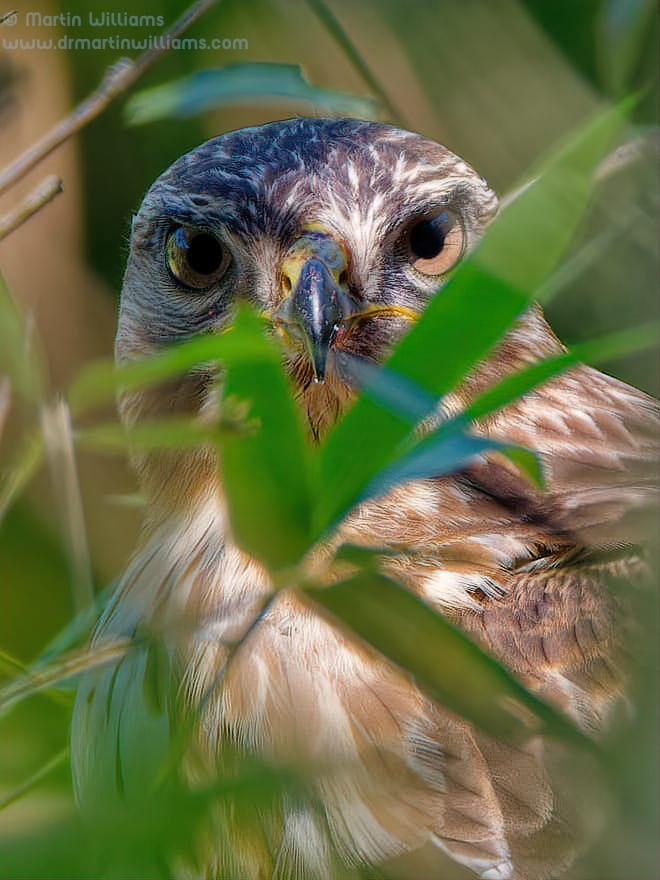
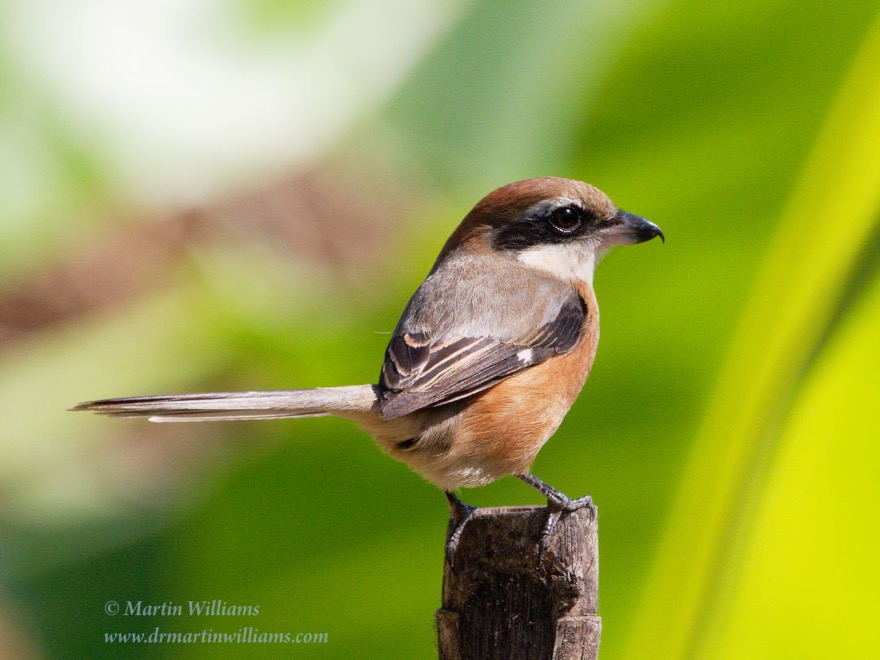

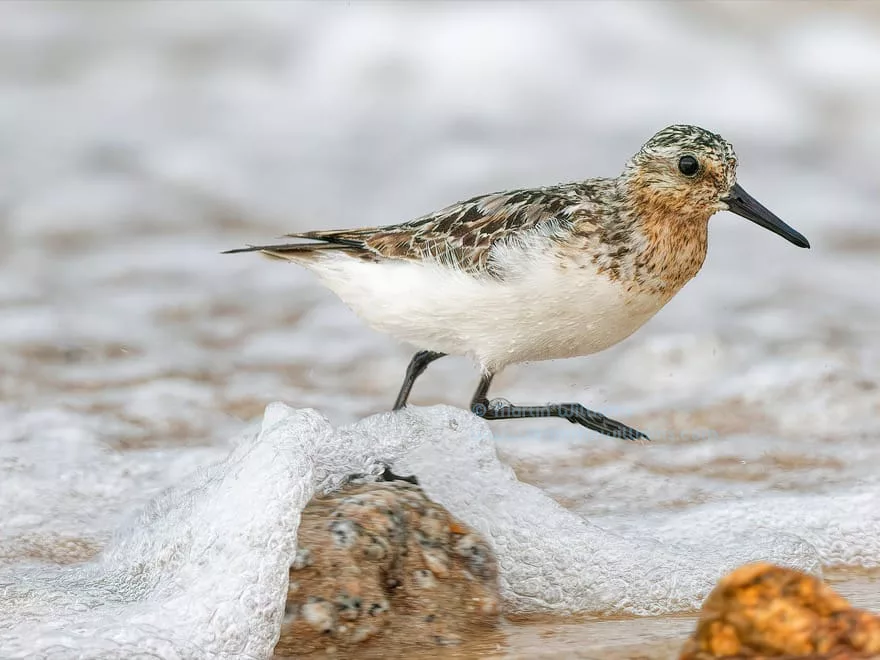
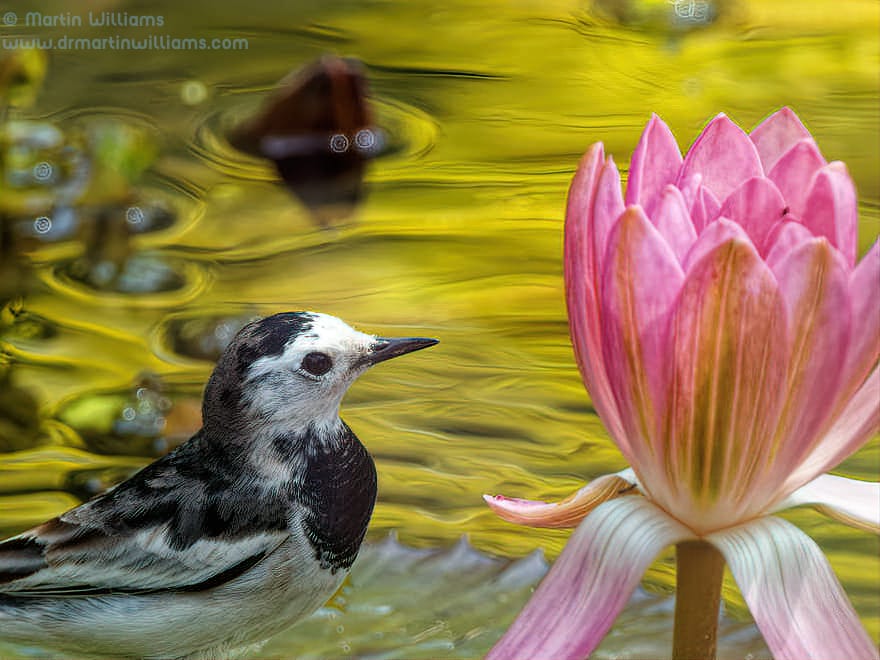
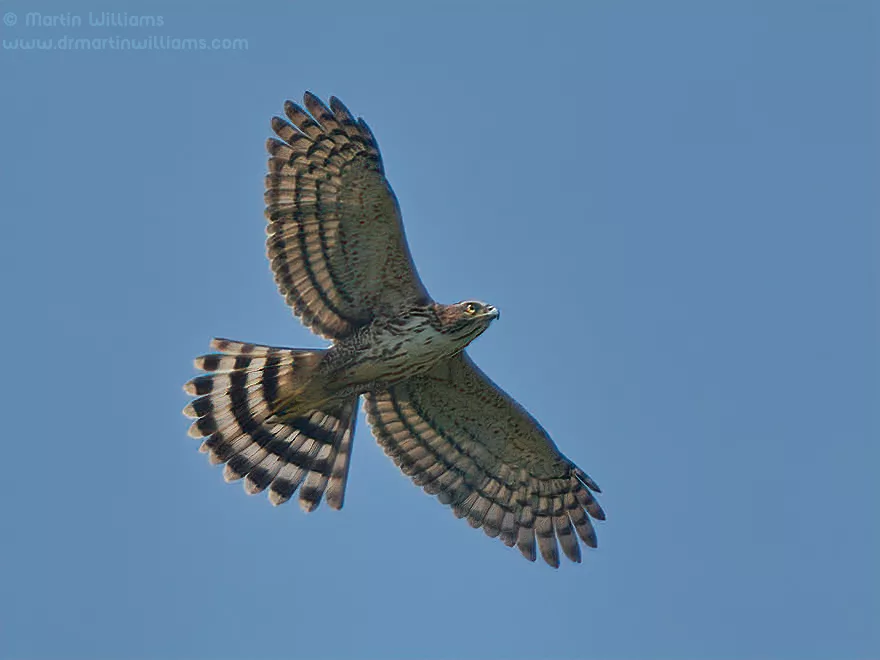
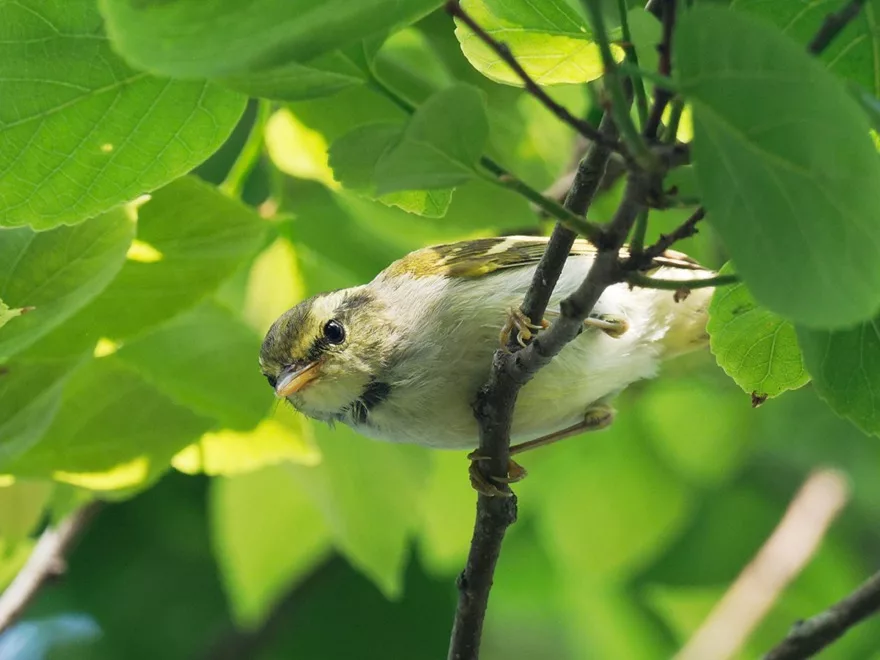
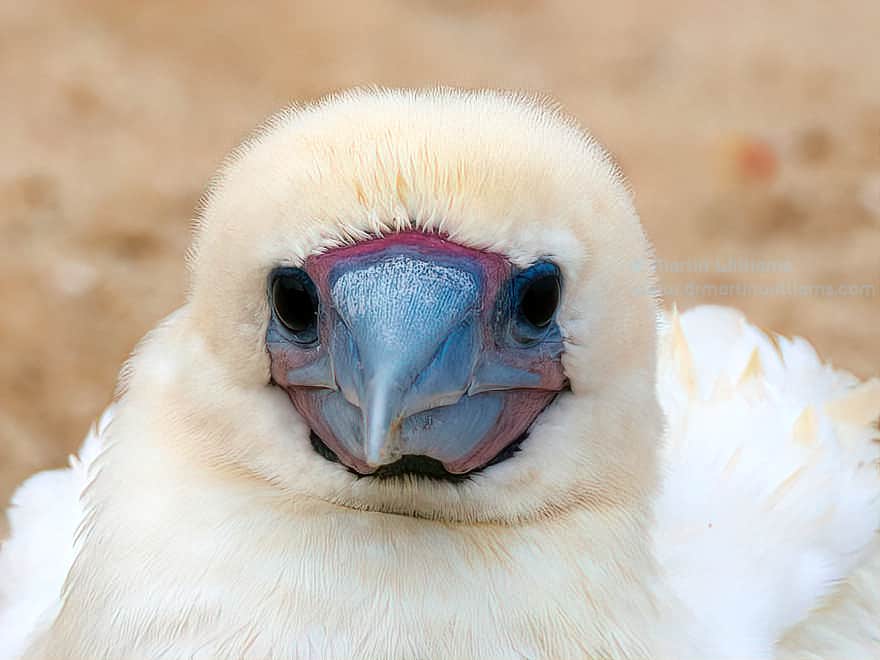
- Oriental Pratincole
- Bluethroat
- Great Cormorants
- Amur Stonechat
- Eastern Buzzard
- Collared Dove
- Black-faced Spoonbills
- Great Cormorants
- Barn Swallow
- Great Cormorants
- House Swift
- Intermediate Egret
- Great Cormorants
- Great Cormorants over Fung Lok Wai
- Great Cormorants, and skyscraper in Shenzhen
- Eastern Yellow Wagtail
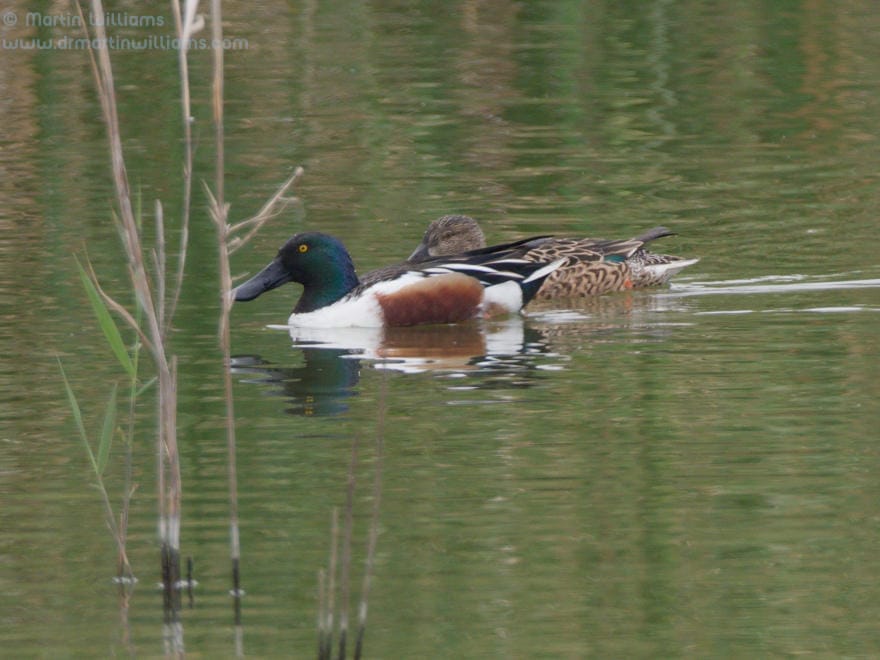
- Northern Shoveler
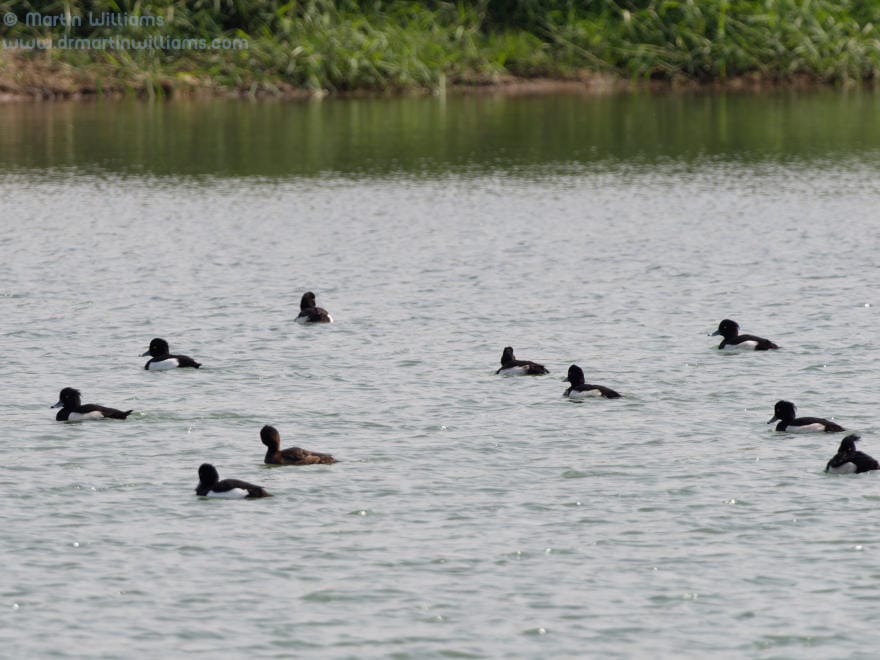
- Tufted Duck
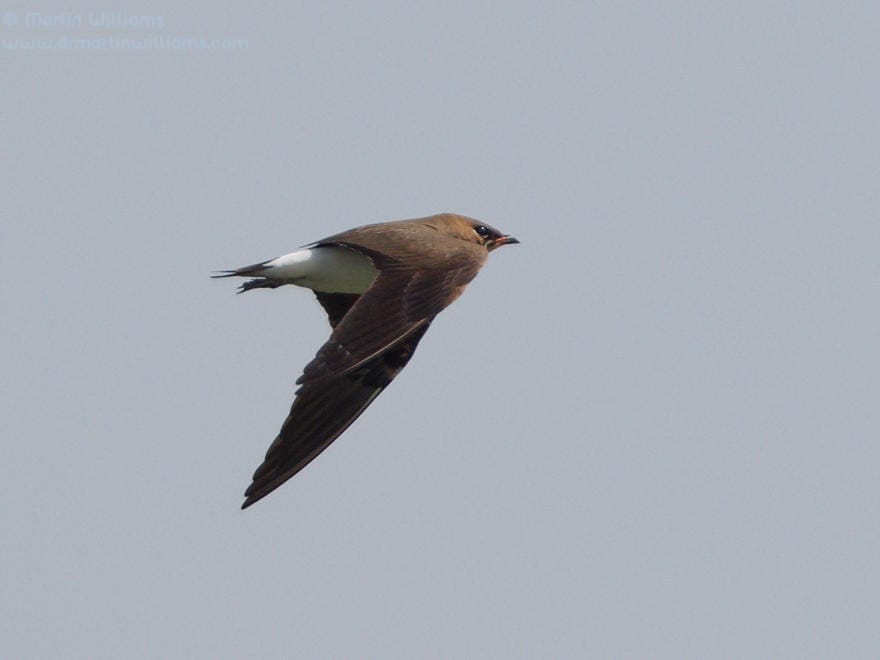
- Oriental Pratincole
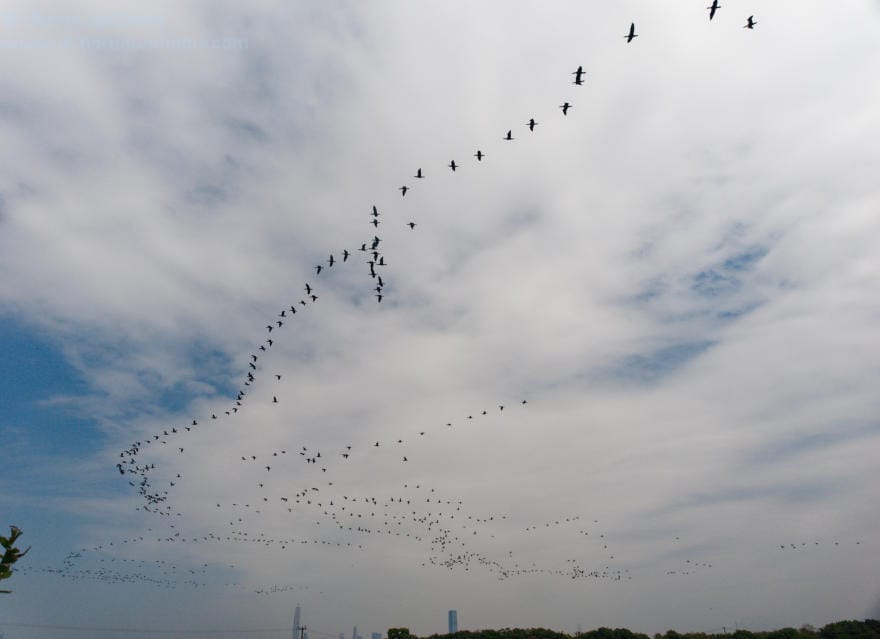
- Great Cormorants
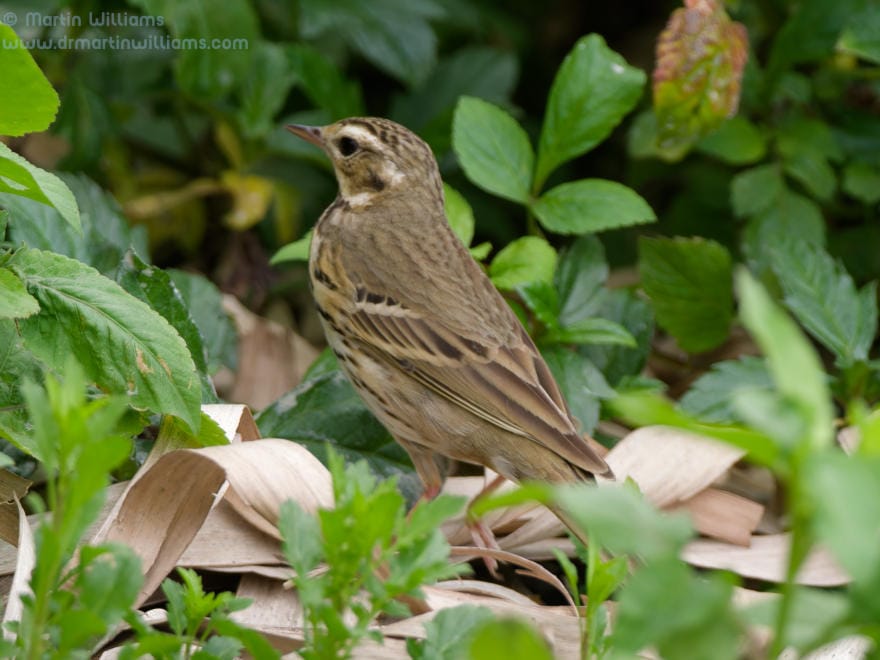
- Olive-backed Pipit
- Great Cormorant
- Great Cormorants heading to mouth of Deep Bay; Shenzhen beyond
- Great Cormorants
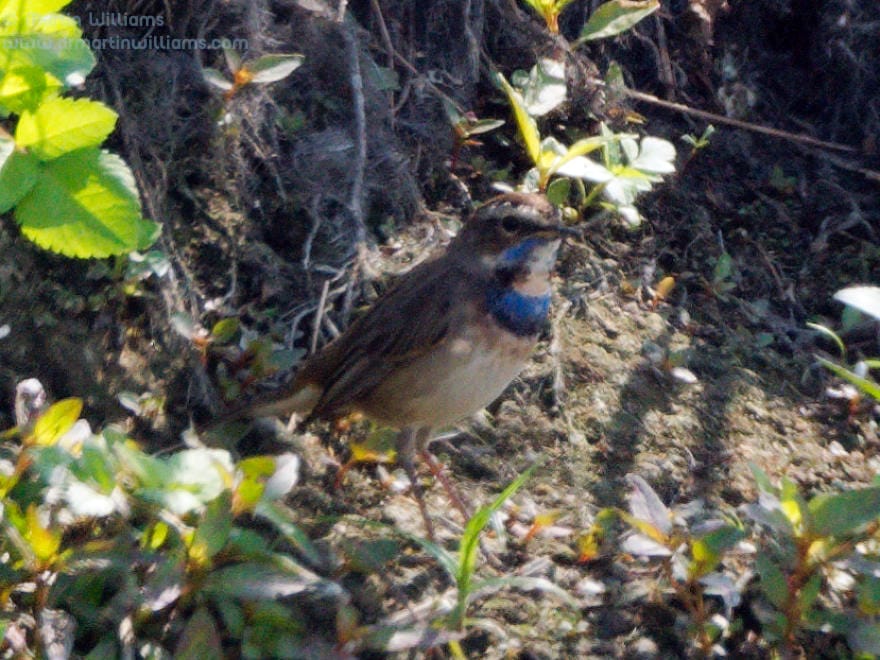
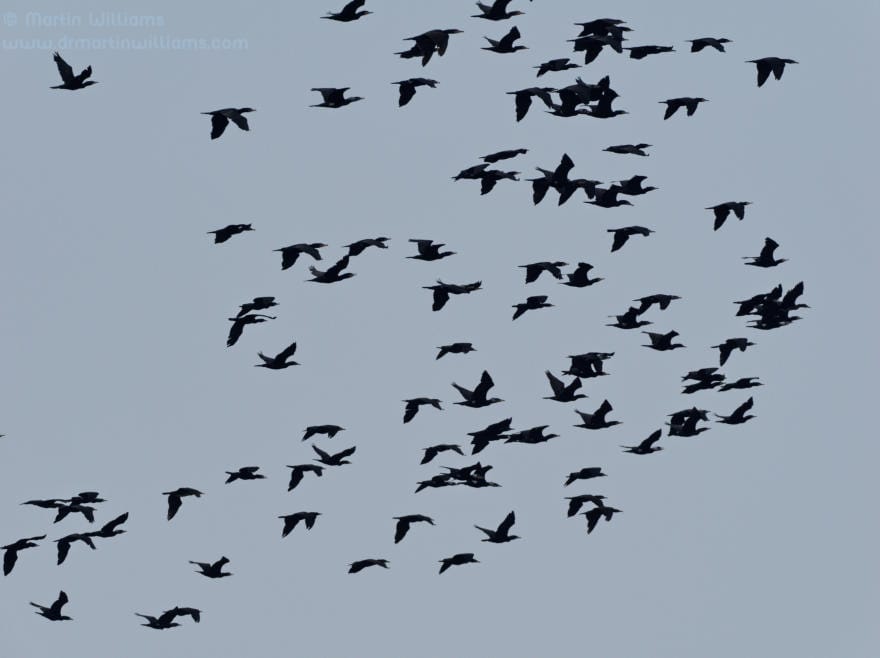
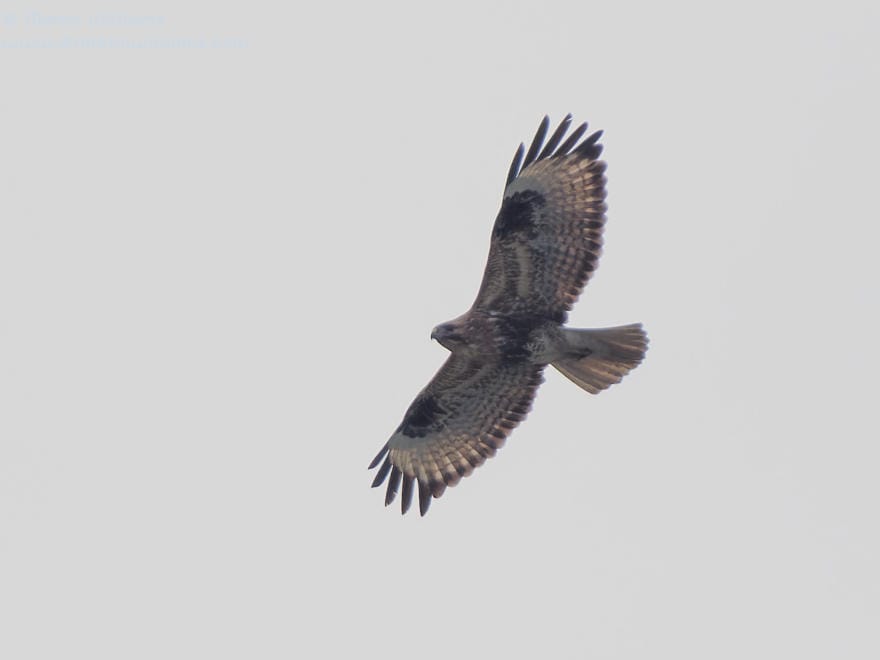
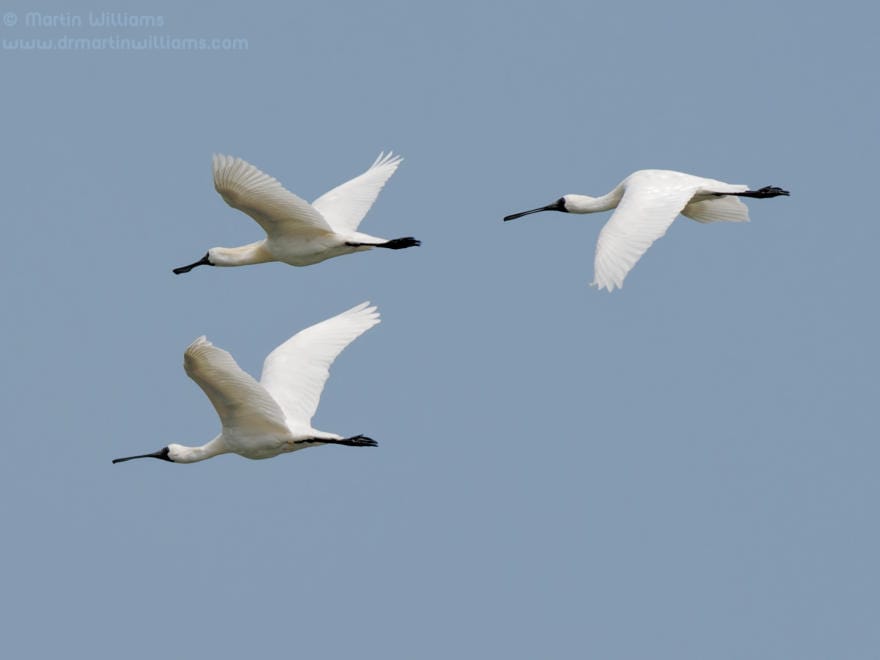
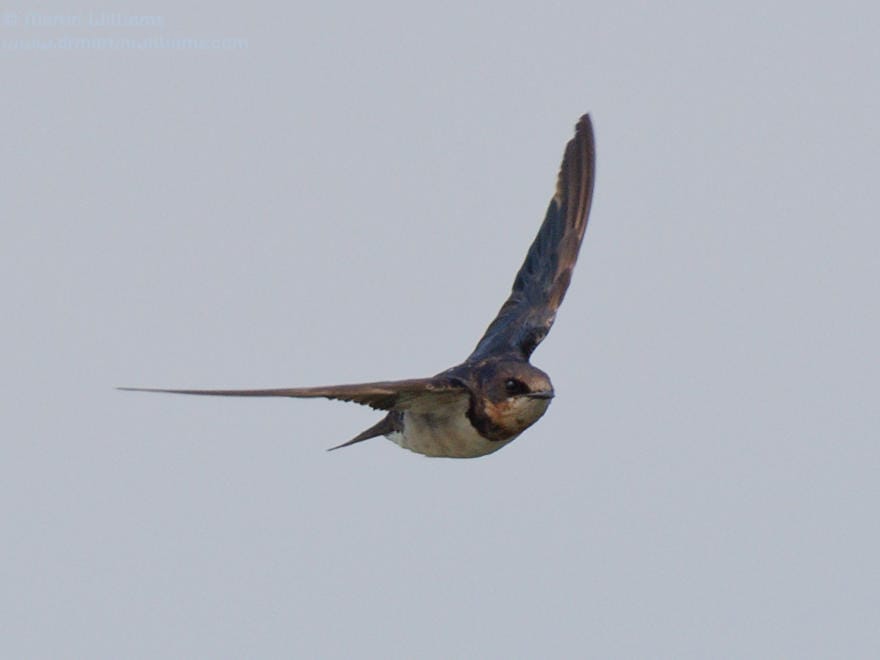
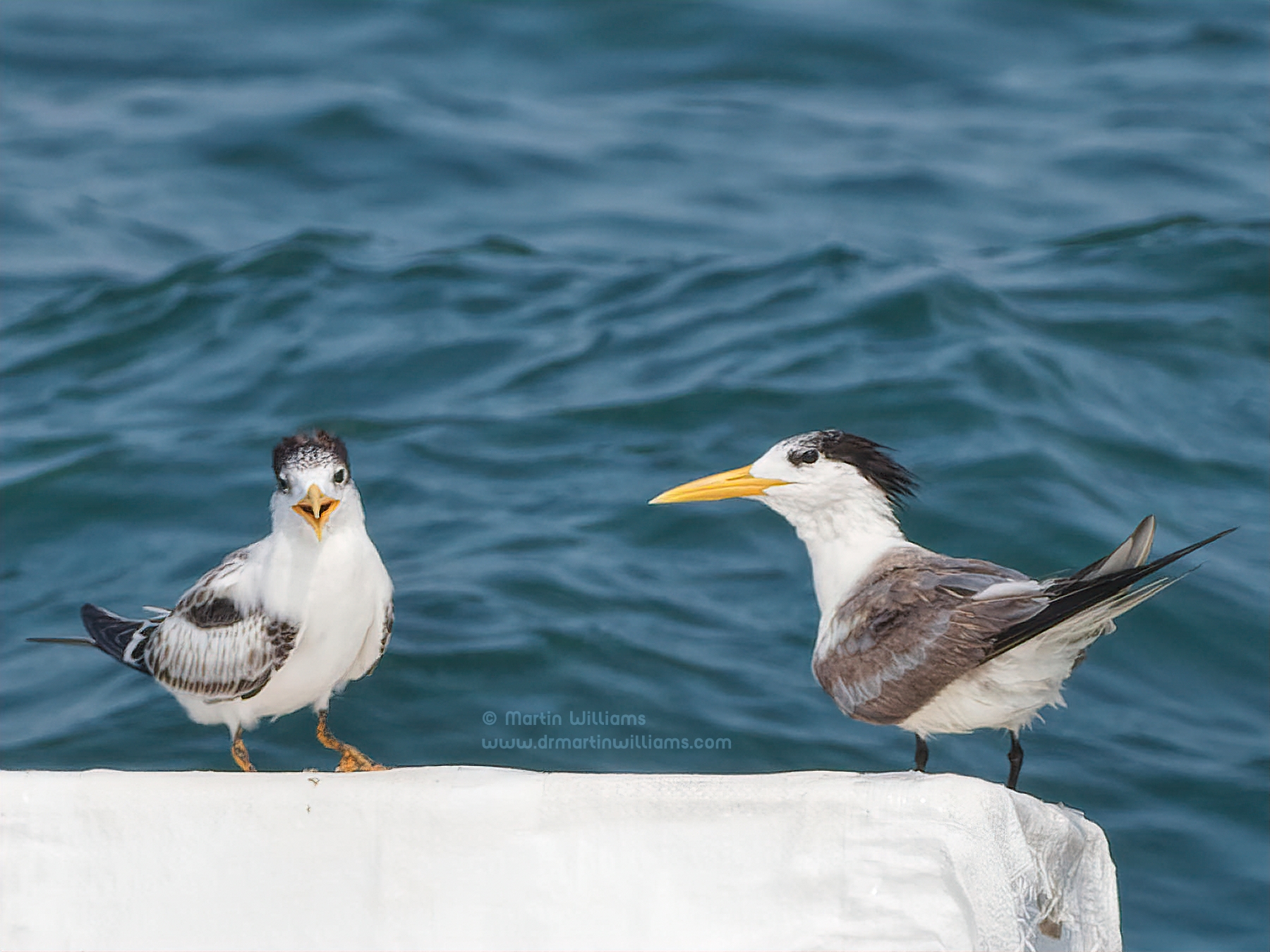
- Greater Crested Terns
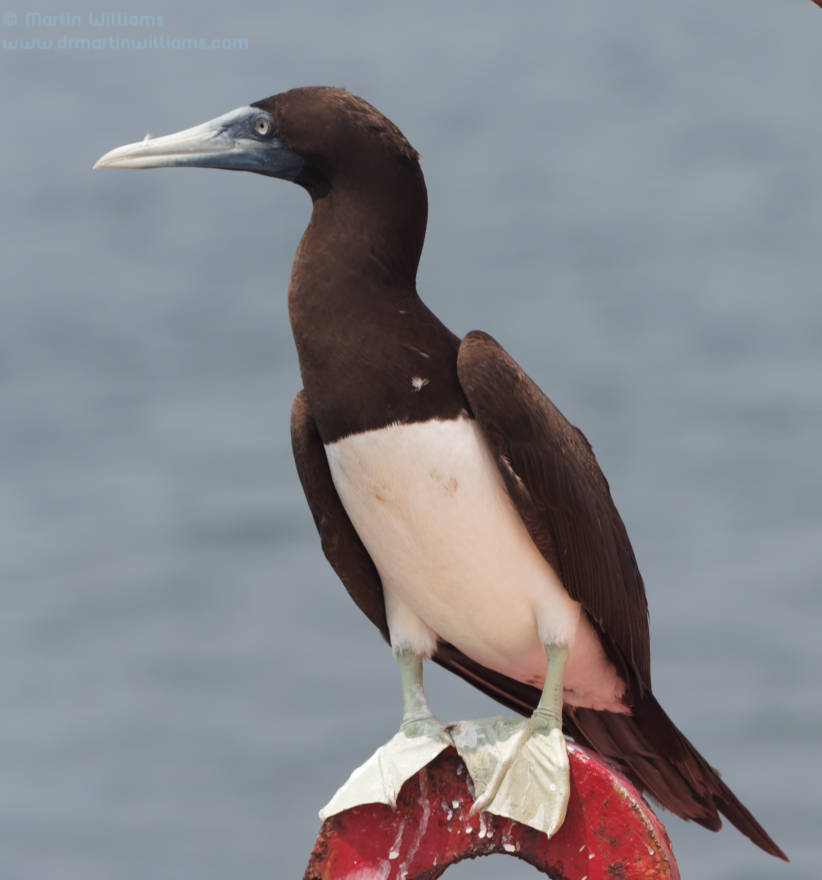
- Brown Booby
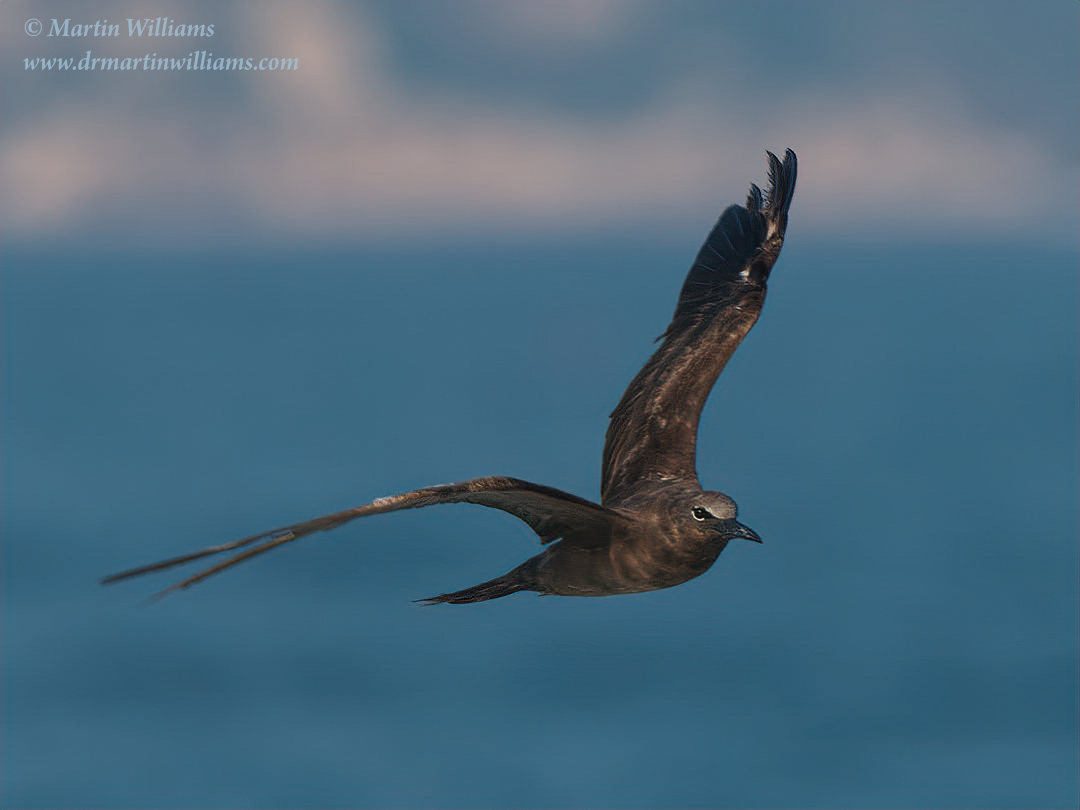
- Brown Noddy
- Brown Noddy and Roseate Tern from ferry
- Black-naped Tern
- Black-naped Tern
- Bridled Tern dappled sea
- Lesser Frigatebird mobbed by Large-billed Crows
- Black-naped Tern, from ferry
- White-winged Terns
- Brown Noddy from ferry
- Roseate Terns
- Red-footed Booby: a badly injured bird, later euthanisedfound on a Cheung Chau beach on 18 March 2024; taken to Kadoorie Farm, but vets found its shoulder injuries were too severe to nurse it back to health
- Aleutian Tern
- White-winged and Whiskered Terns
- Bridled Terns over Castle Rock
- Short-tailed Shearwater taking off
- Red-necked Phalarope
- Japanese Cormorant
- Roseate Tern
- Brown Noddy with Bridled, Black-naped and Roseate Terns
- Caspian Tern and Eurasian Curlew
- Pomarine Skua
- White-winged and Whiskered Terns
- Arctic Skua
- Lesser Frigatebird and Black Kite w rising moon
- Greater Crested Tern
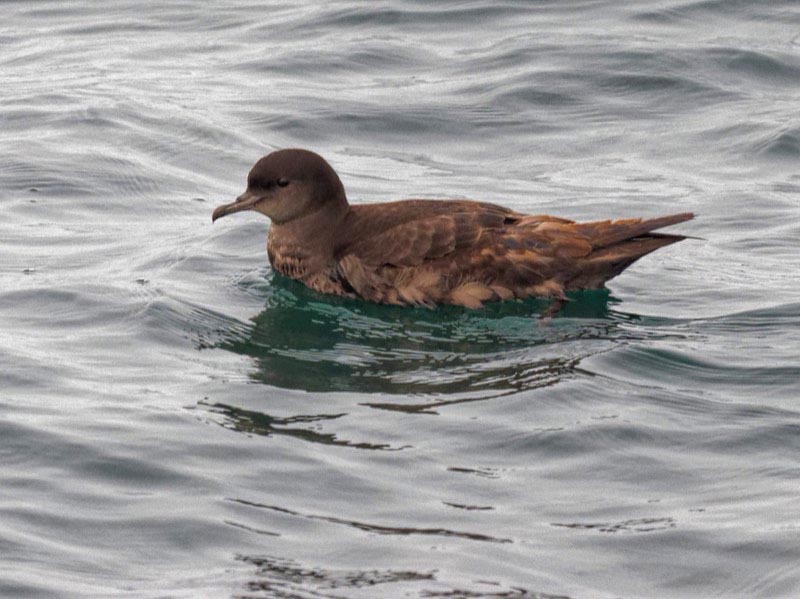
- Short-tailed Shearwater
- Short-tailed Shearwater
- Brown Booby
- Common Black-headed Gull
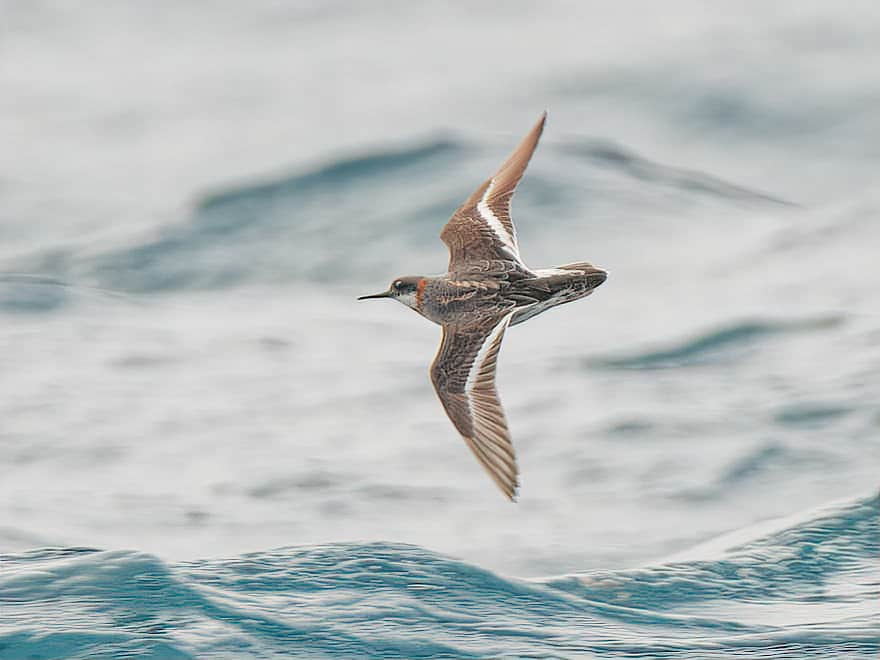
- Red-necked Phalarope flight
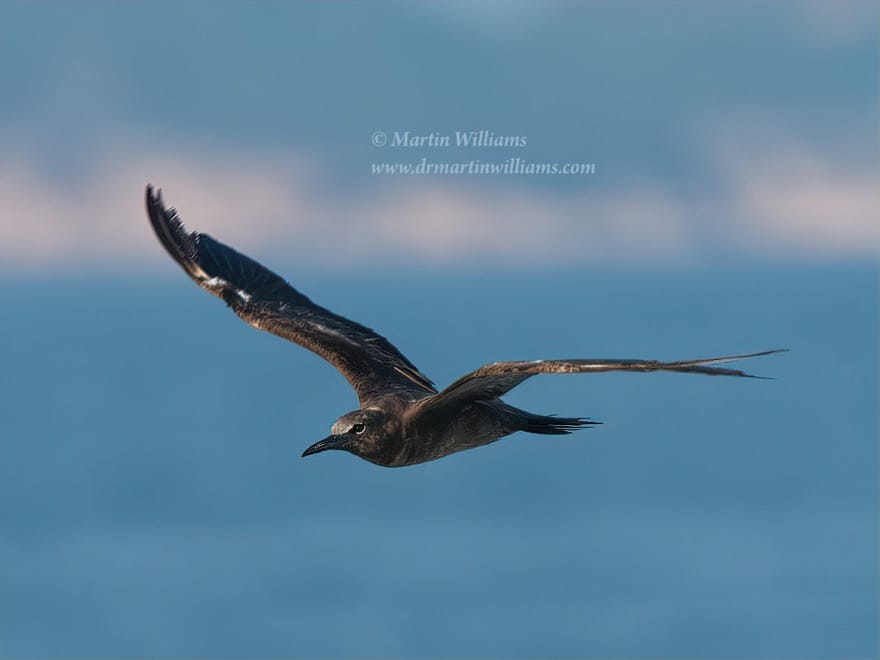
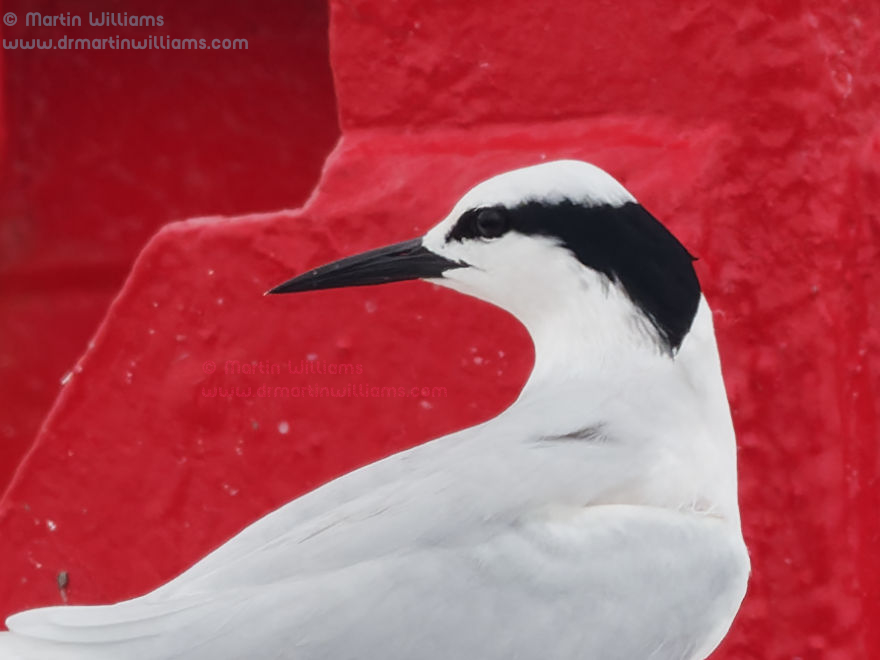
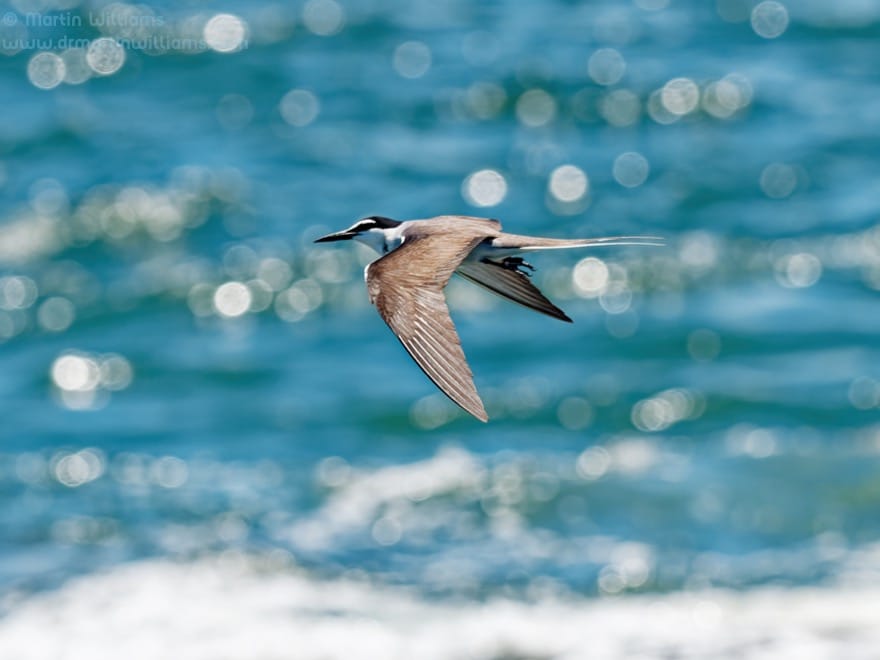
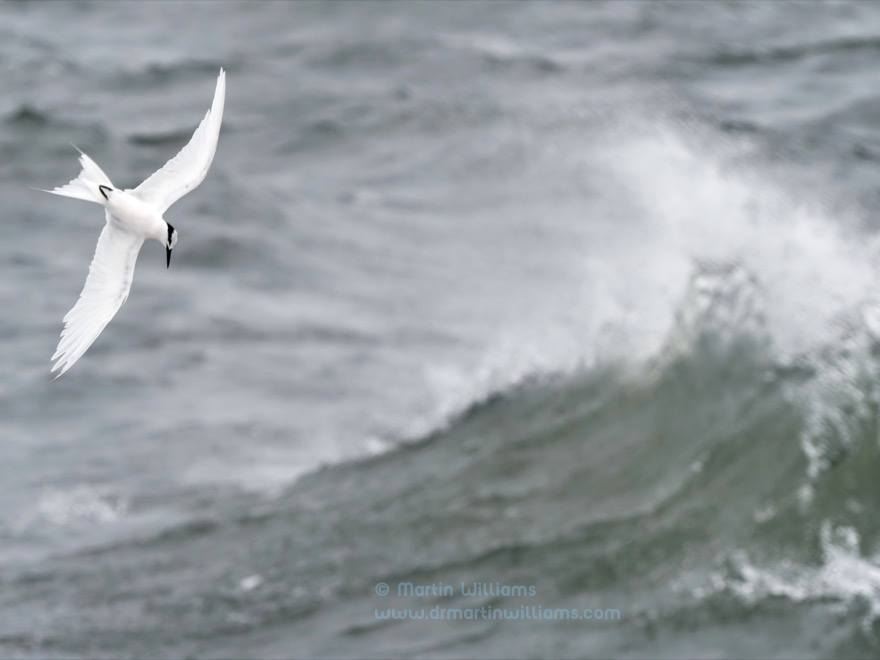
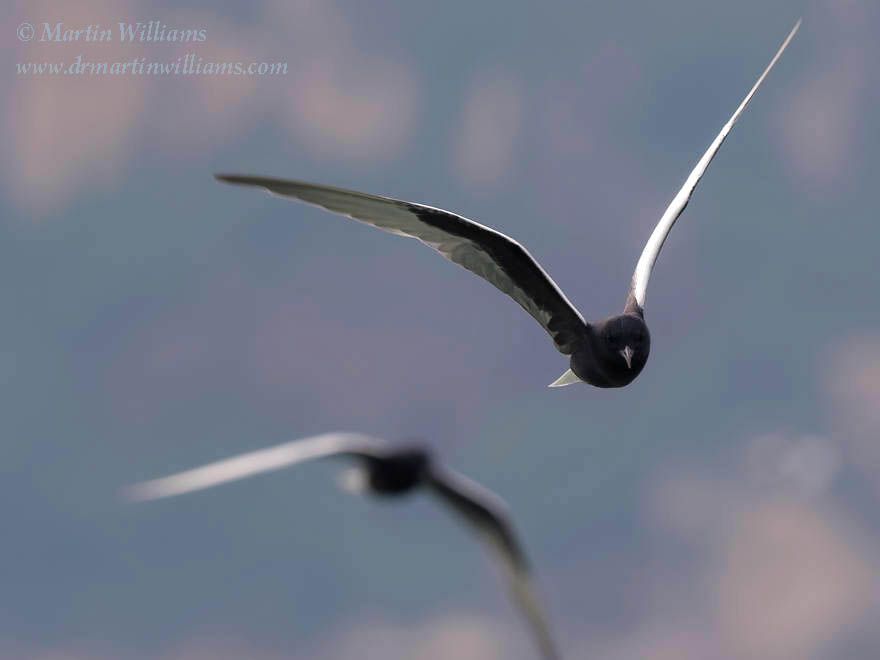
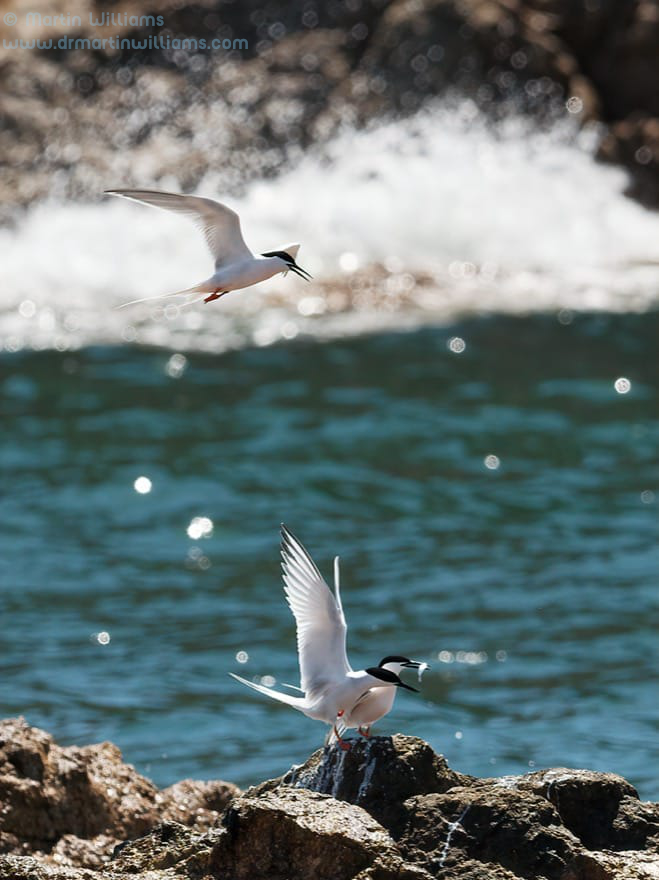
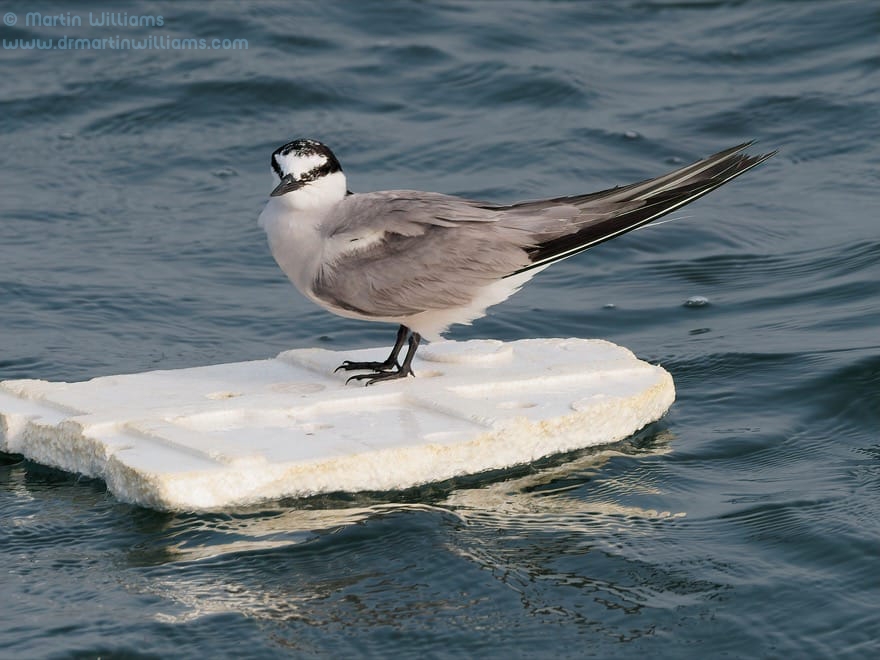
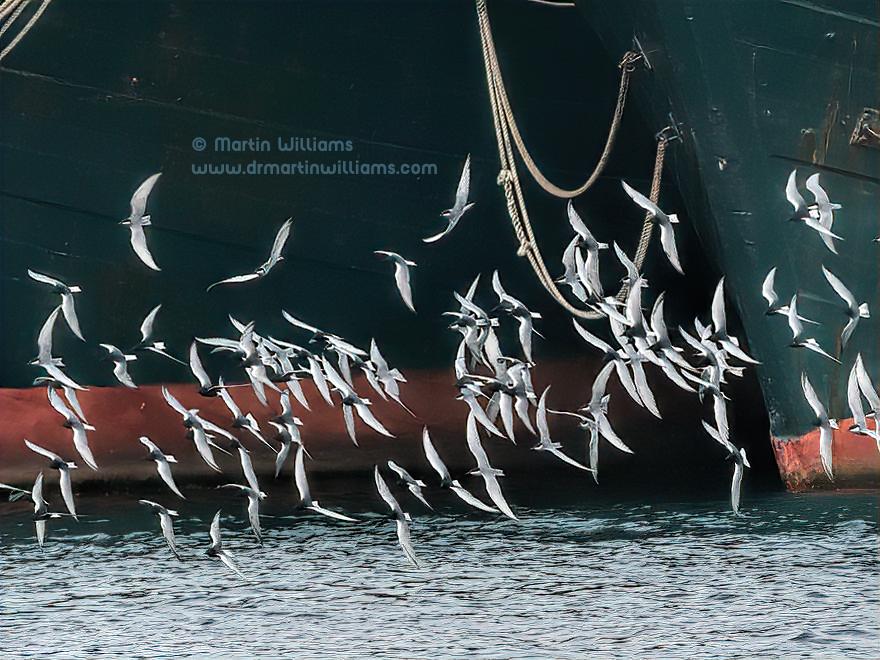
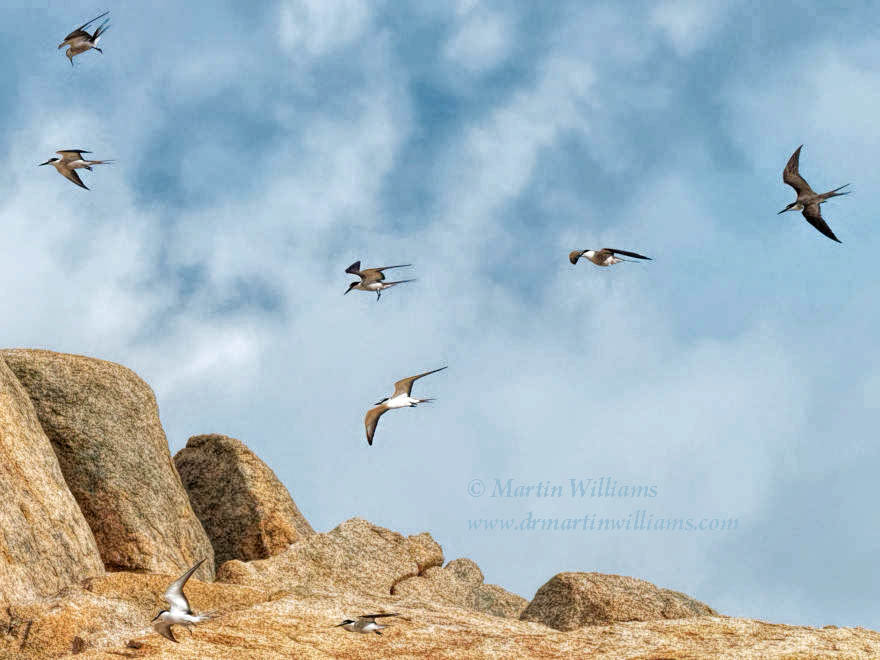
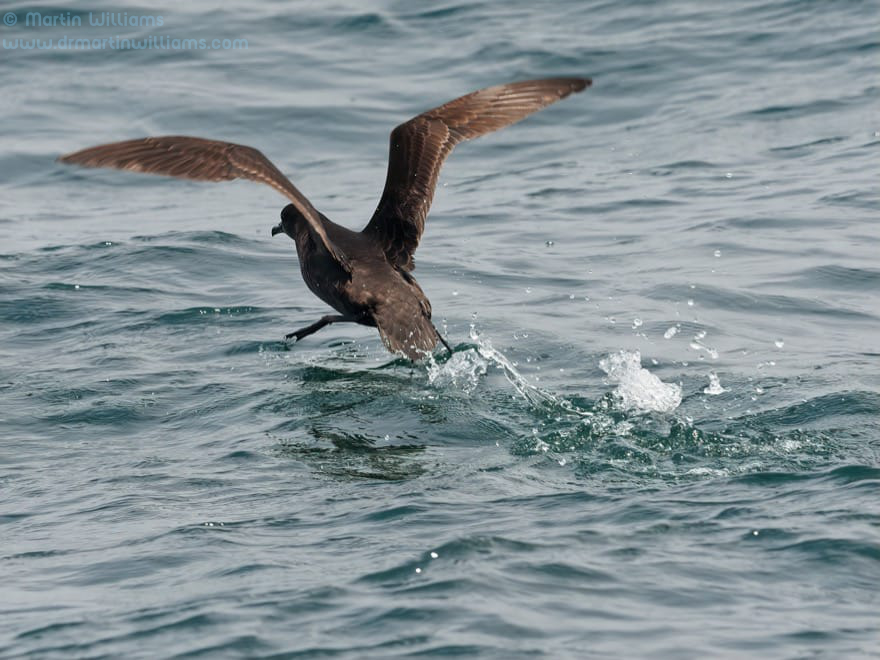

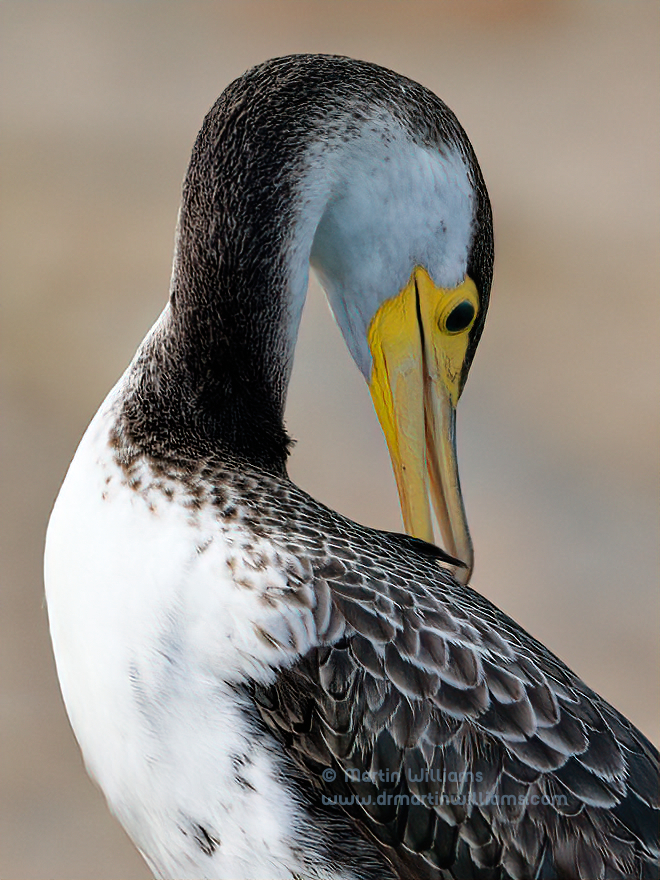
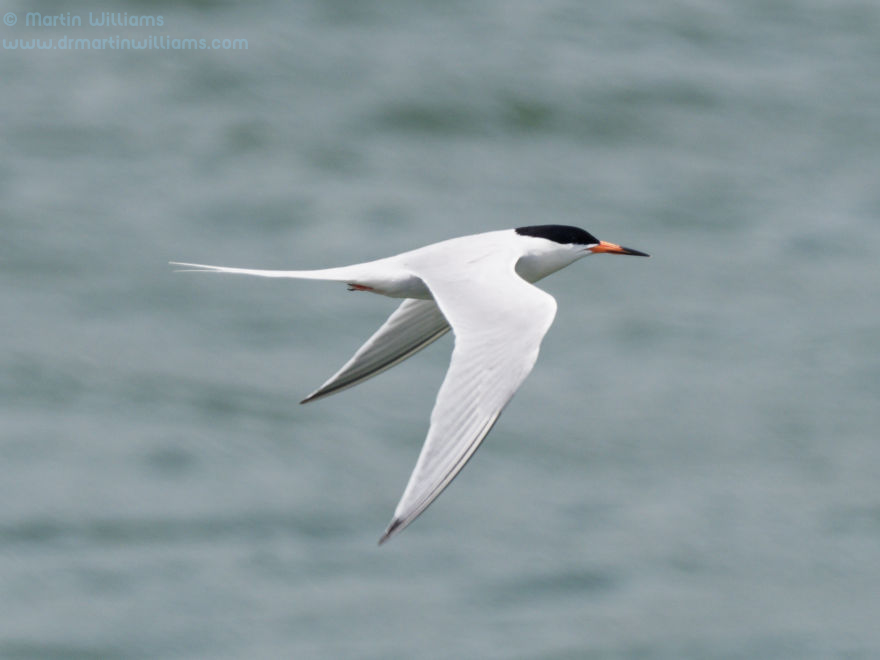

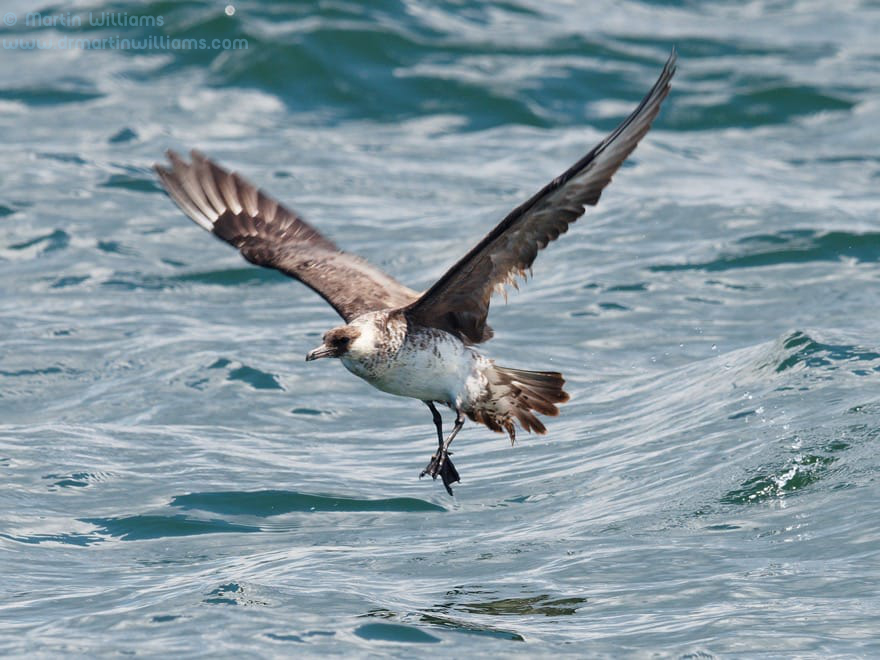
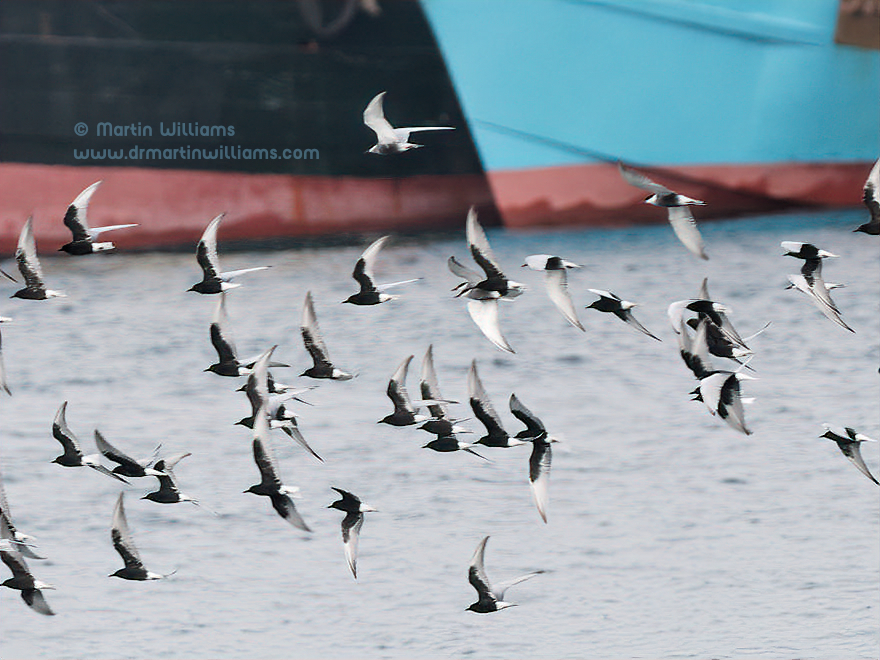
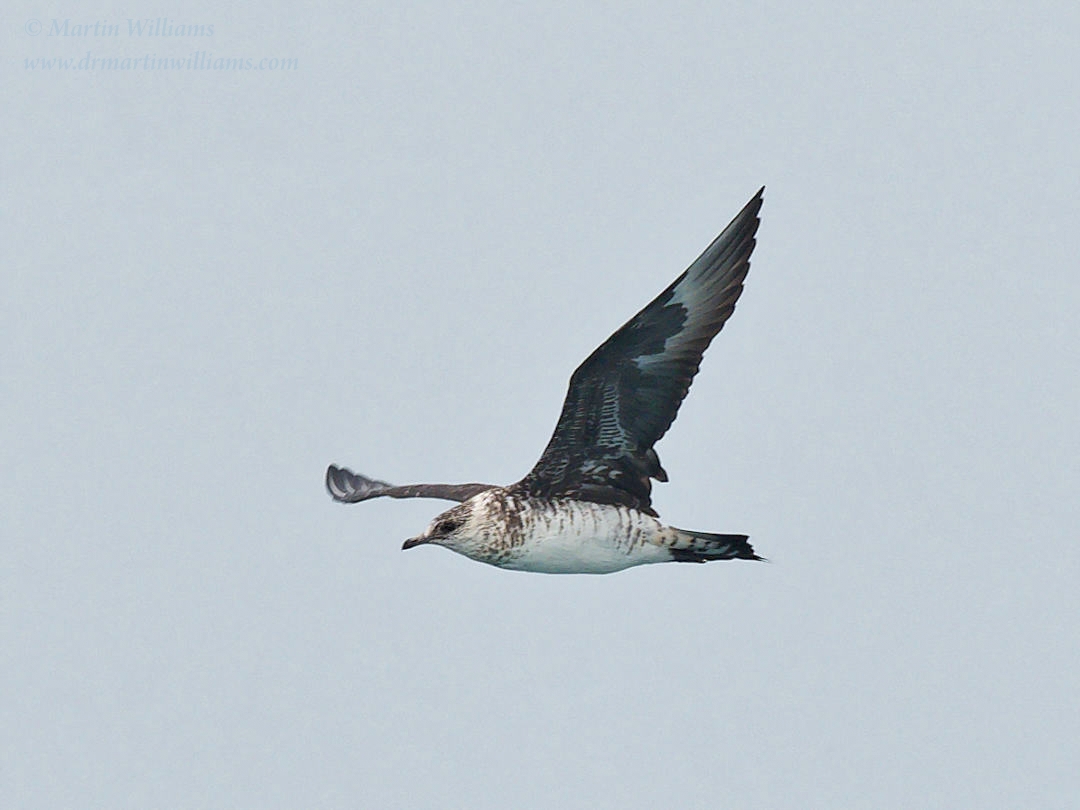
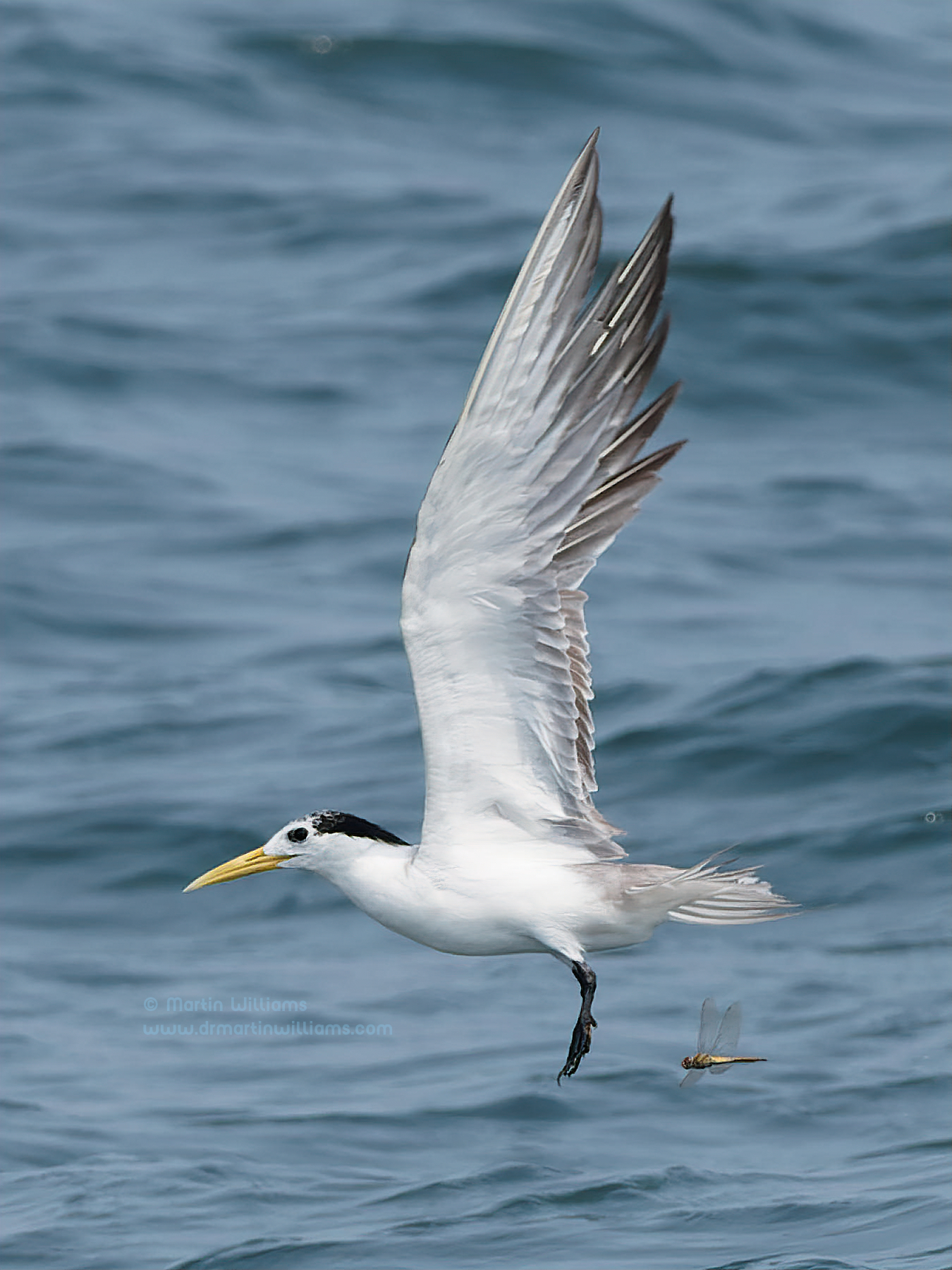
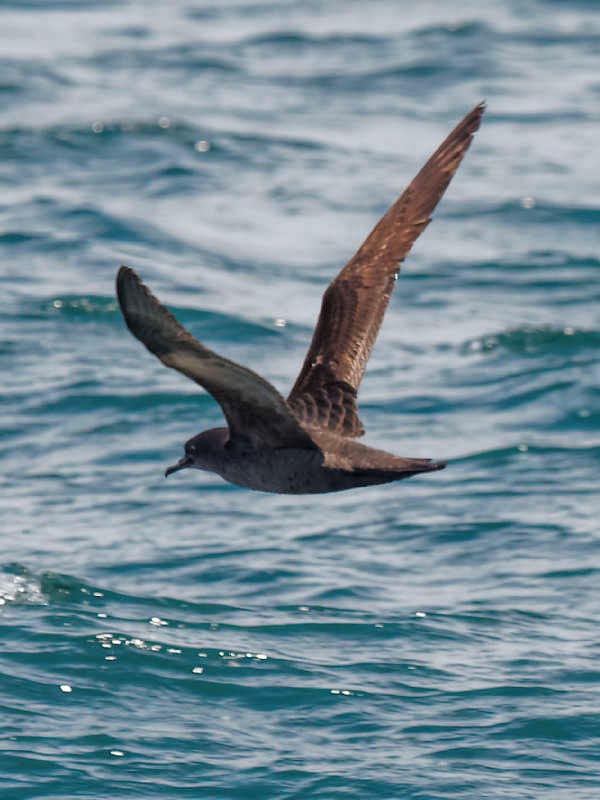

- Black Kite
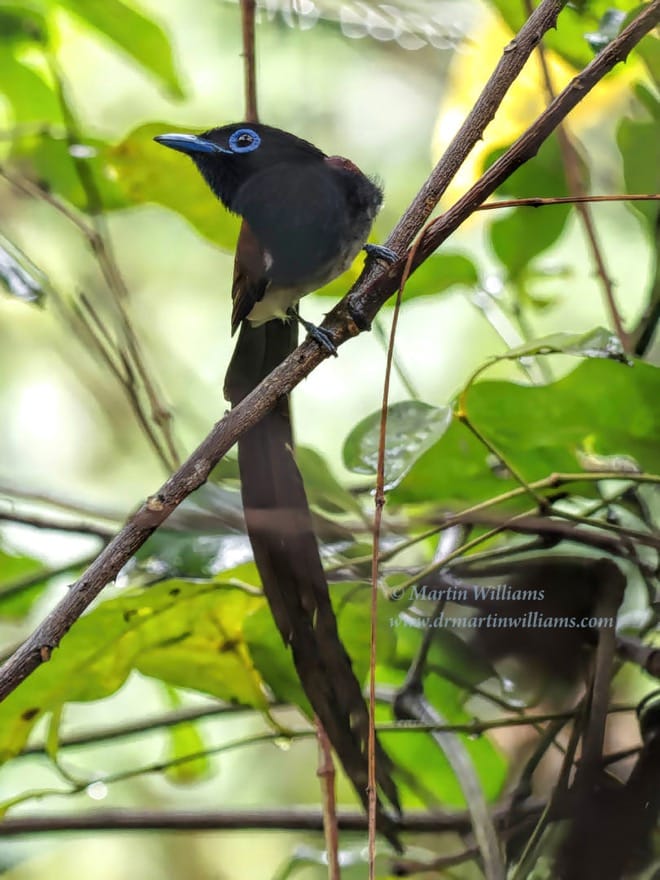
- Japanese Paradise-Flycatcher
- Red-necked Stint
- Male Scarlet Minivet
- Crested Serpent-Eagle by Lion Head Mountain, Lantau
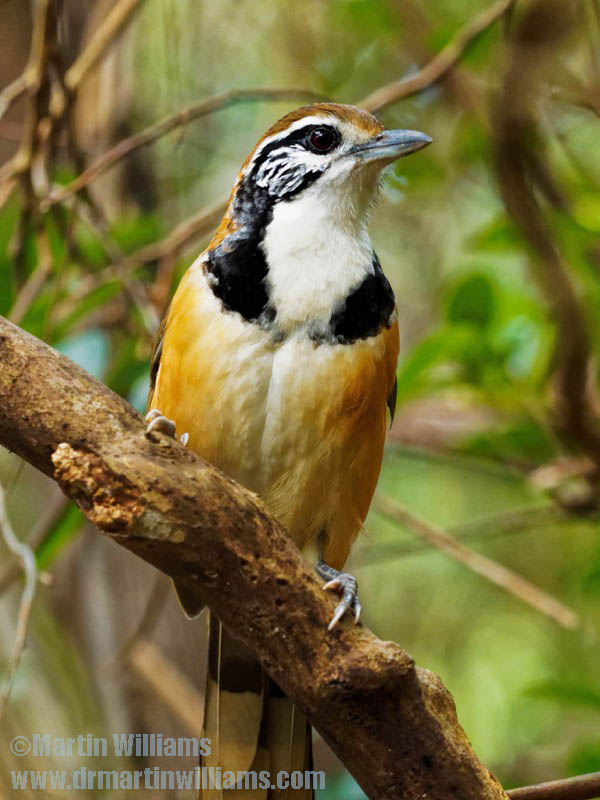
- Greater Necklaced Laughingthrush
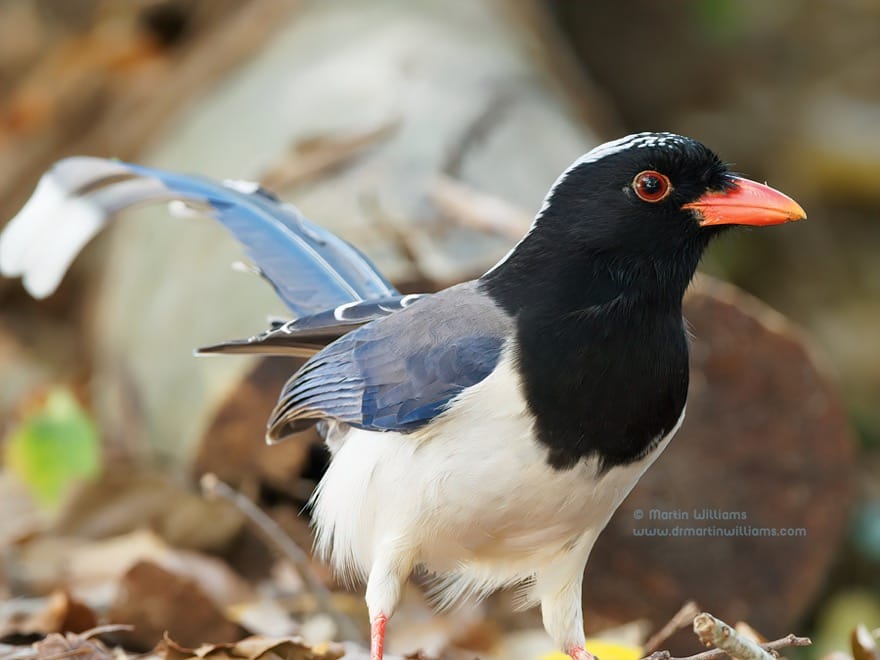
- Blue Magpie
- Grey-tailed Tattler
- Large-billed Crow
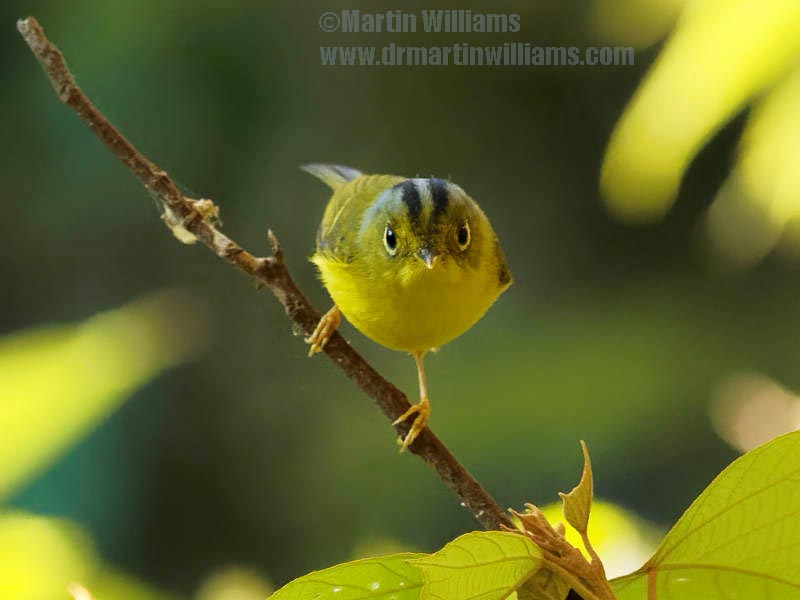
- White-spectacled Warbler
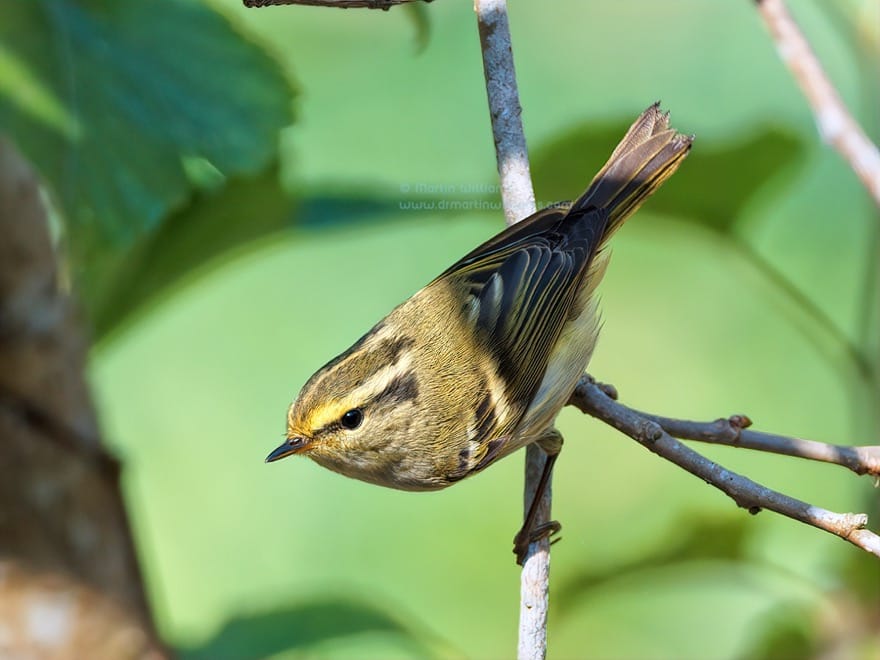
- Pallas' Leaf-Warbler
- Male Kentish Plover, w dark legs, Shui Hau
- Black-faced Spoonbills with Shenzhen beyond
- White's Thrush
- Greater Crested Terns
- Yellow-browed Bunting
- Pacific Swift
- Black-naped Tern
- Magpie Robin
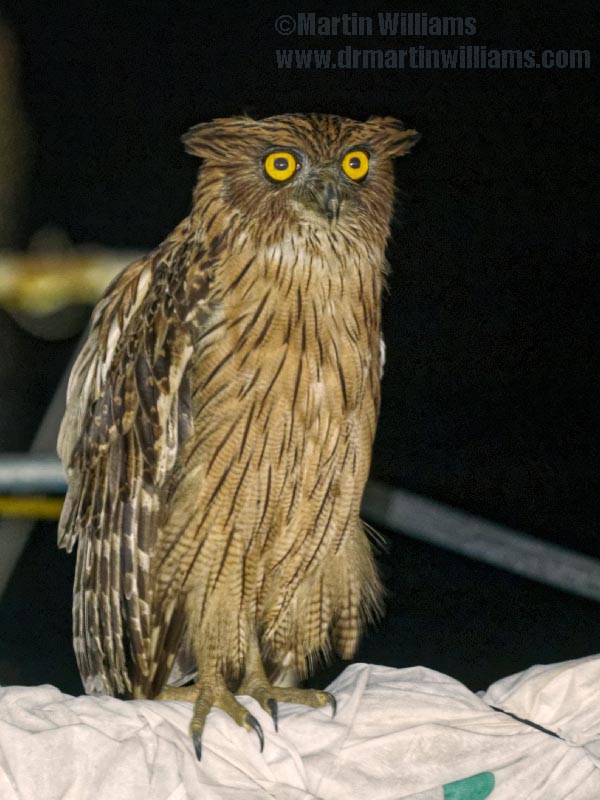
- Brown Fish Owl
- Crested Goshawk
- Blyth's Reed Warbler
- Red-footed Booby: a badly injured bird, later euthanisedfound on a Cheung Chau beach on 18 March 2024; taken to Kadoorie Farm, but vets found its shoulder injuries were too severe to nurse it back to health
- Barn Swallow
- Grey Bushchat
- Drake Northern Shoveler and reflection
- Black-faced Spoonbill in Deep Bay
- Greater Crested Tern
- Brown Booby
- Crested Serpent-Eagle over wooded slopes of Lantau Peak
- Northern Shoveler
- Oriental Stork
- Amur Stonechat
- Eurasian Wigeon
- Black-faced Spoonbills
- Chestnut Bulbul
- Grey-chinned Minvet
- Common Kestrel
- Pacific Reef Egret
- Short-tailed Shearwater
- Ruddy Turnstone
- Fork-tailed Sunbird
- Daurian Redstart
- Two Common Redshanks, Shui Hau, and reflections
- Japanese Cormorant
- Bull-headed Shrike
- White-bellied Sea-Eagle
- Pied Avocets and Asian Dowitcher, Mai Po
- Chinese Egret, Mai Po
- Three Whimbrel, Mai Po
- Immature Black-faced Spoonbill, flight, Mai Po
- Collared Crows, Mai Po
- Eastern Buzzard
- Chinese Sparrowhawk over Lion Head Mountain, Lantau, Hong Kong
- Ruddy-breasted Crake, Pui O
- Japanese Yellow Bunting
- Crested Goshawk
- Two Common Redshank landing
- Hoopoe
- Terek Sandpipers clustered at high tide, Mai Po
- Female Japanese Sparrowhawk
- Siberian Lesser Sandplover and Red-necked Stints
- Black-faced Spoonbill and reflection
- Brown Fish Owl, Cheung Chau
- Pheasant-tailed Jacanas, Pui O
- Arctic Warbler, Shui Hau
- Cattle, Little and Intermediate egrets, Pui O
- Sanderling, Cheung Chau
- Besra, Cheung Chau
- Black-winged Stilt and reflection
- White-throated Needletail
- Whimbrel and water buffalo, Shui Hau
- Brown-cheeked Rail: eastern water rail
- Kloss' Leaf-Warbler
- Crested Serpent-Eagles
- Bull-headed Shrike
- Relict Gull at Mai Po
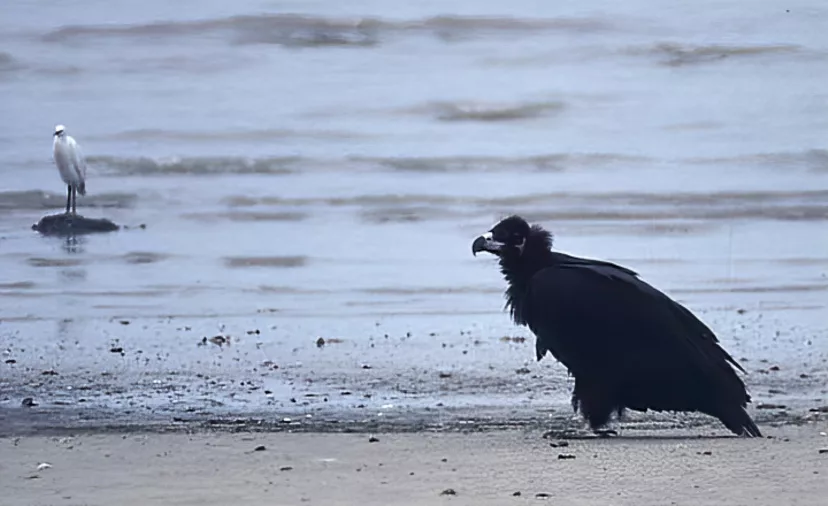
- Eurasian Black Vulture, Pak Nai
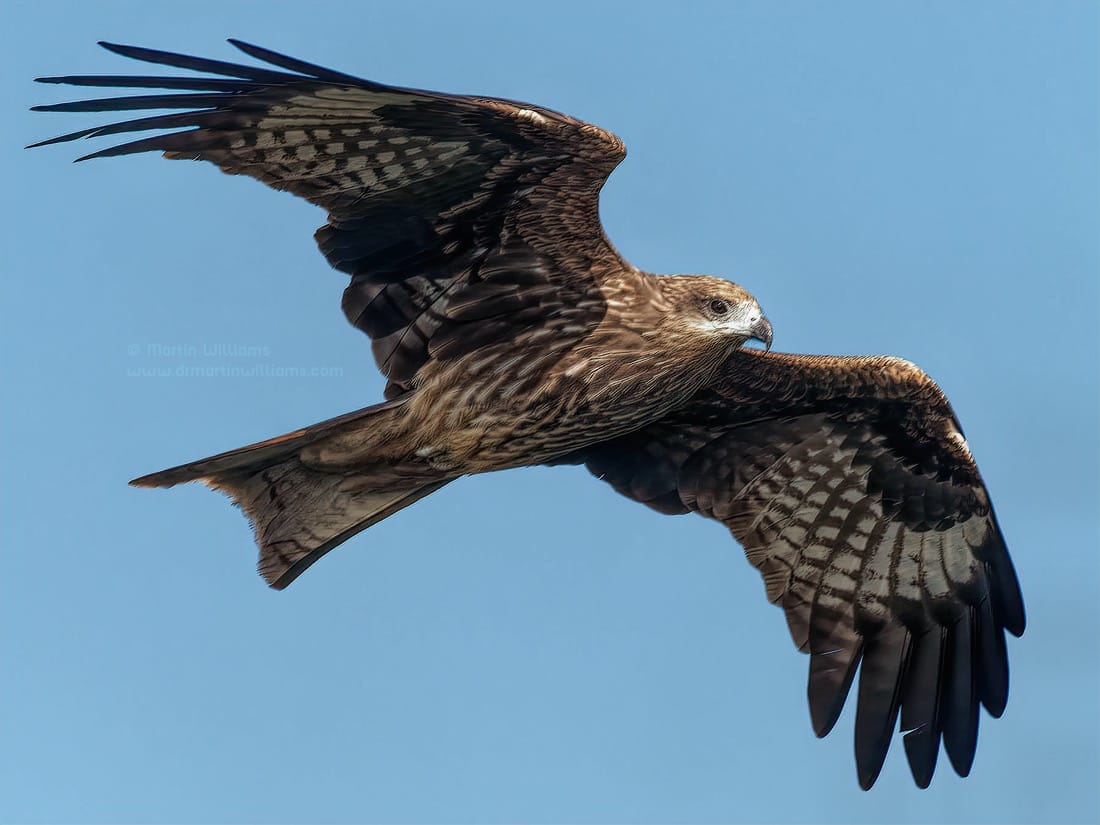
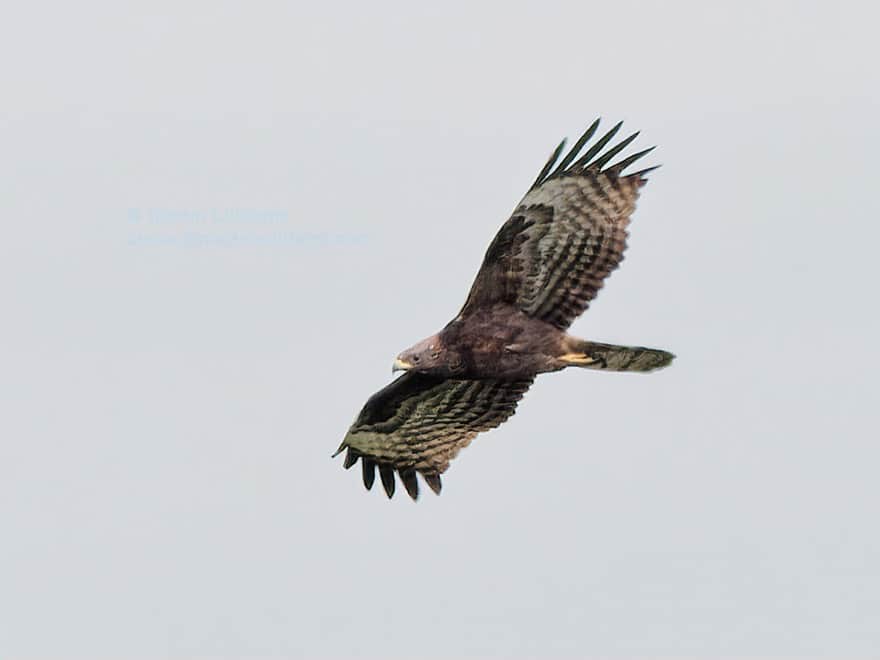
- Oriental Honey Buzzard, dark form
- Chinese Egret and Black-faced Spoonbill, Mai Po
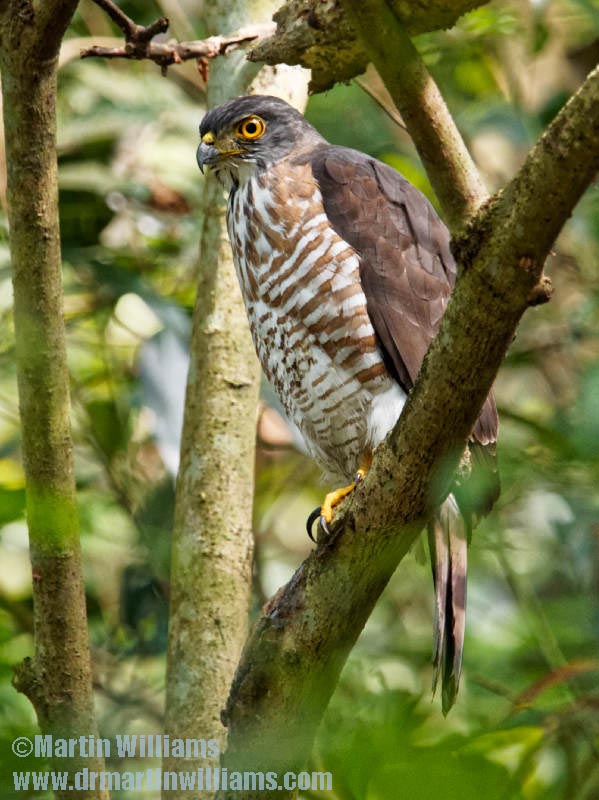
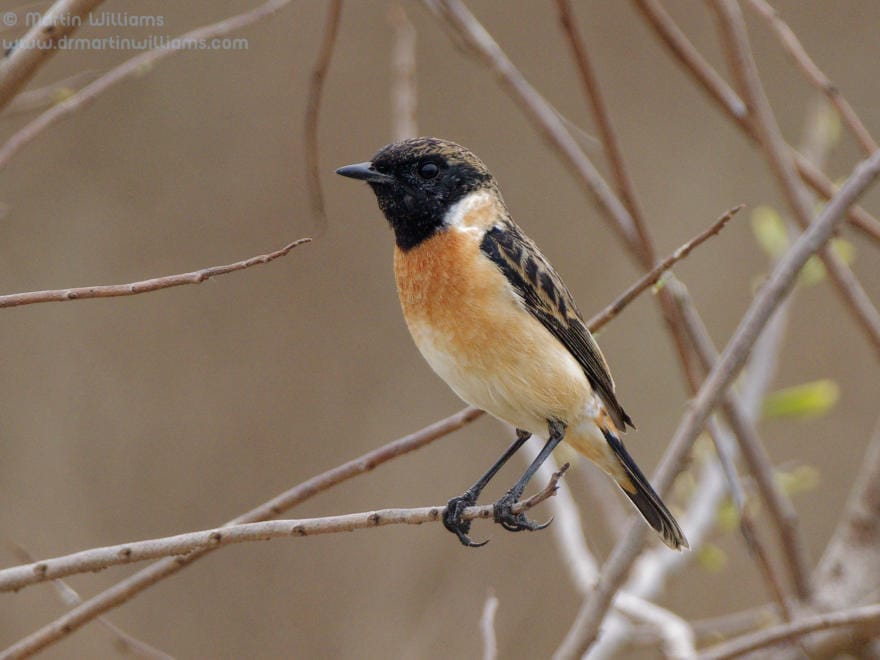
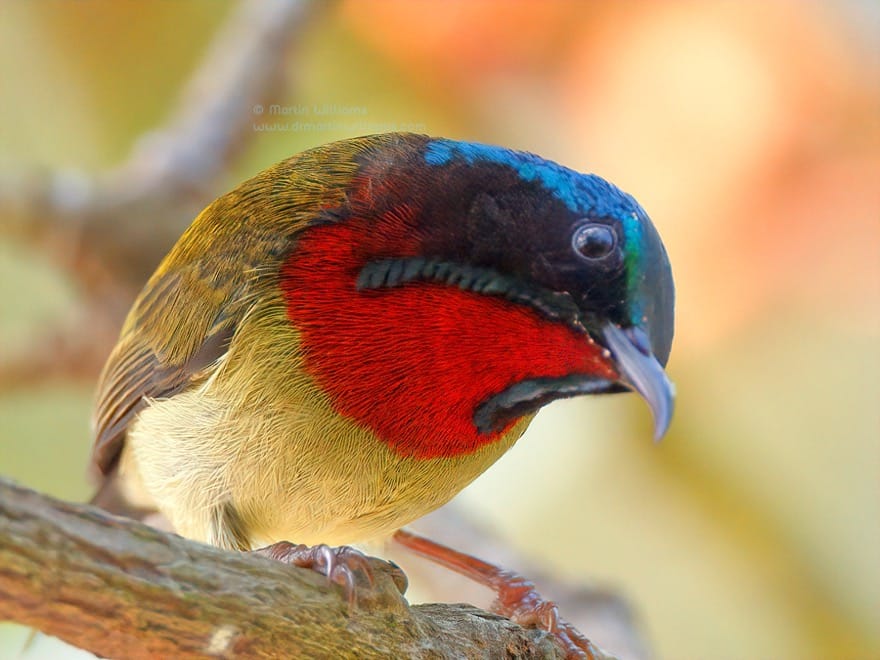
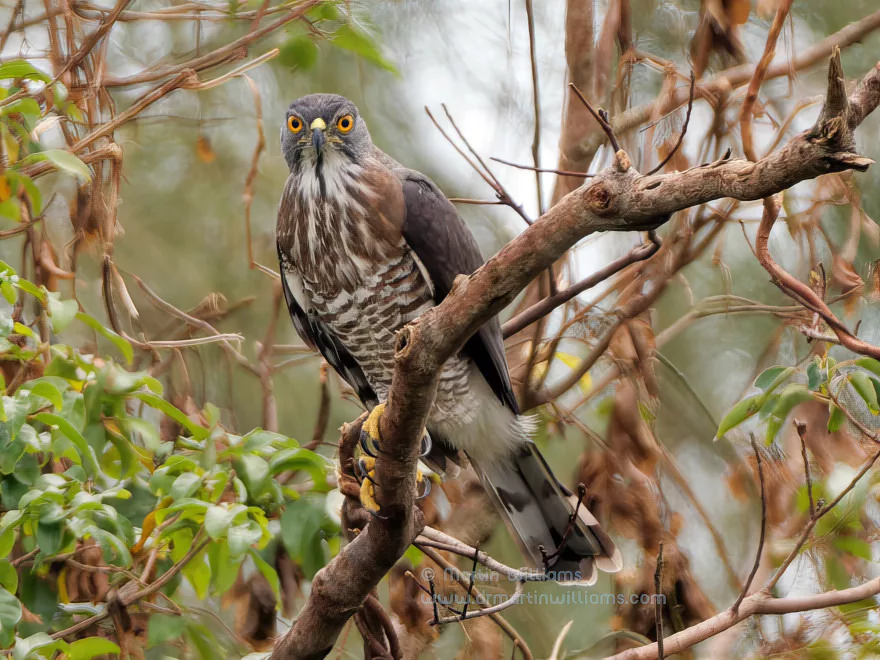
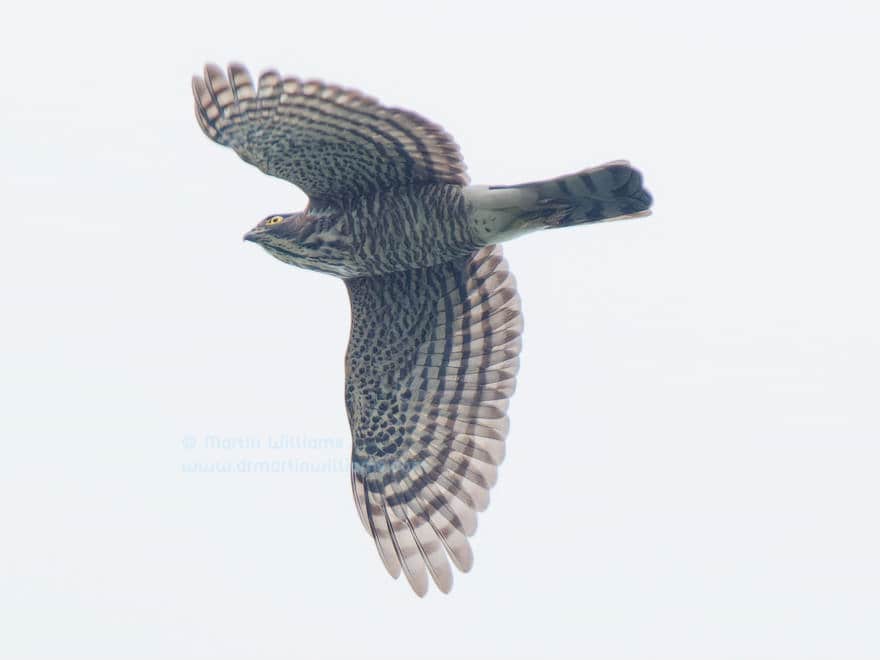
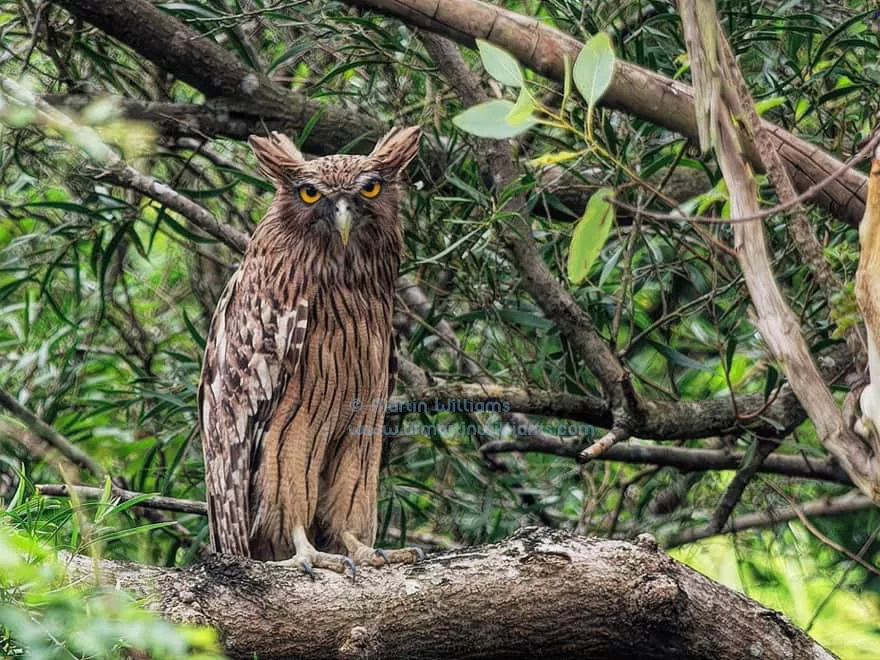
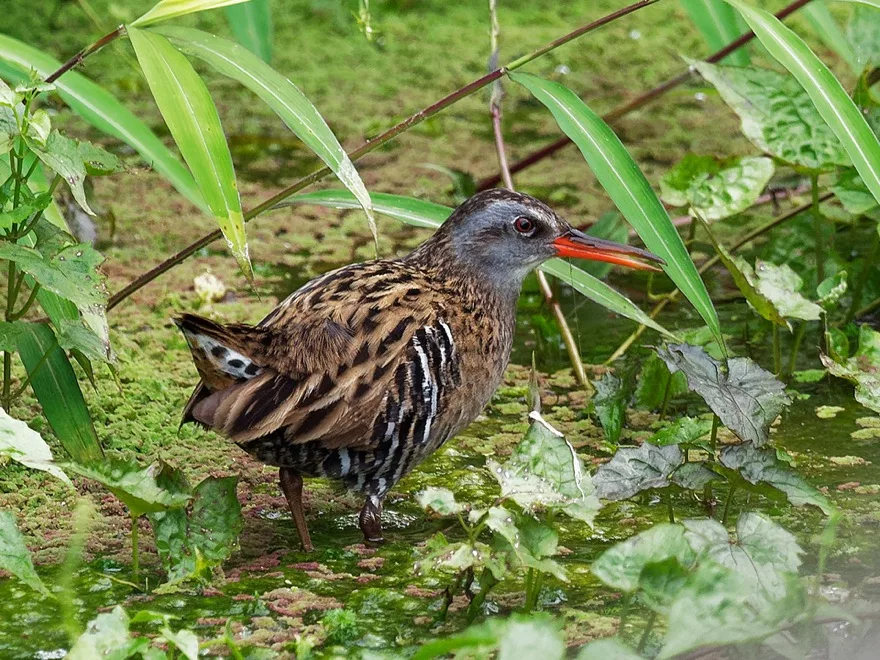
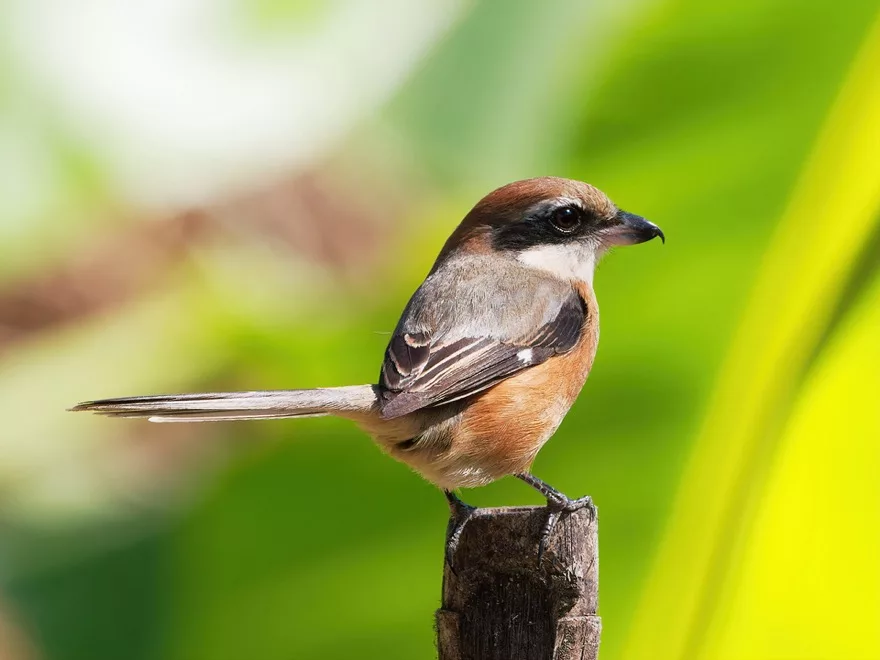
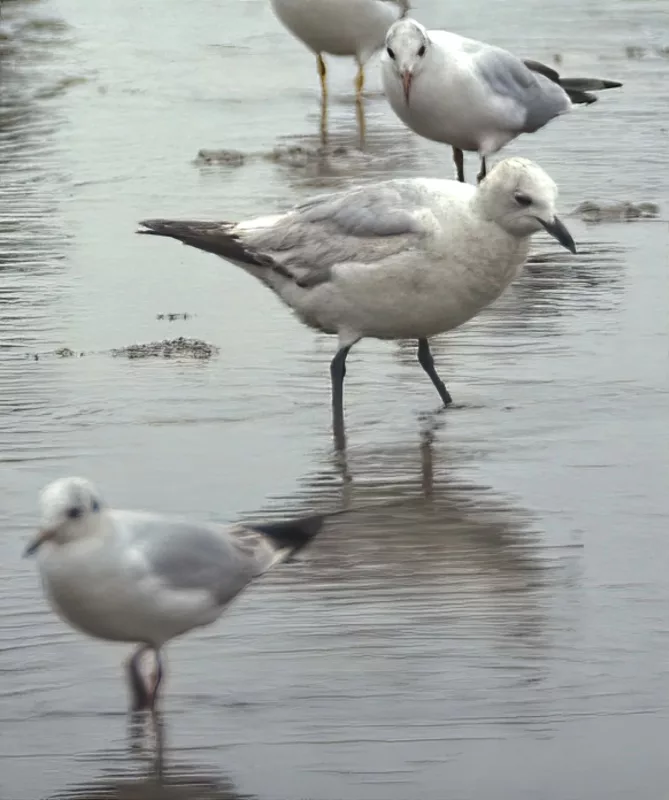
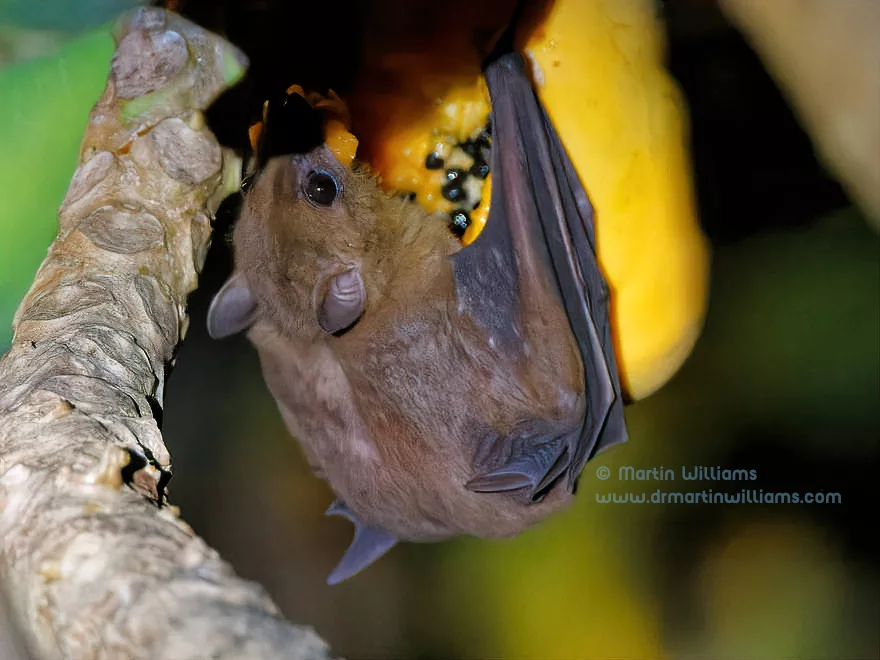
- Leschenault's Rousette fruit bat
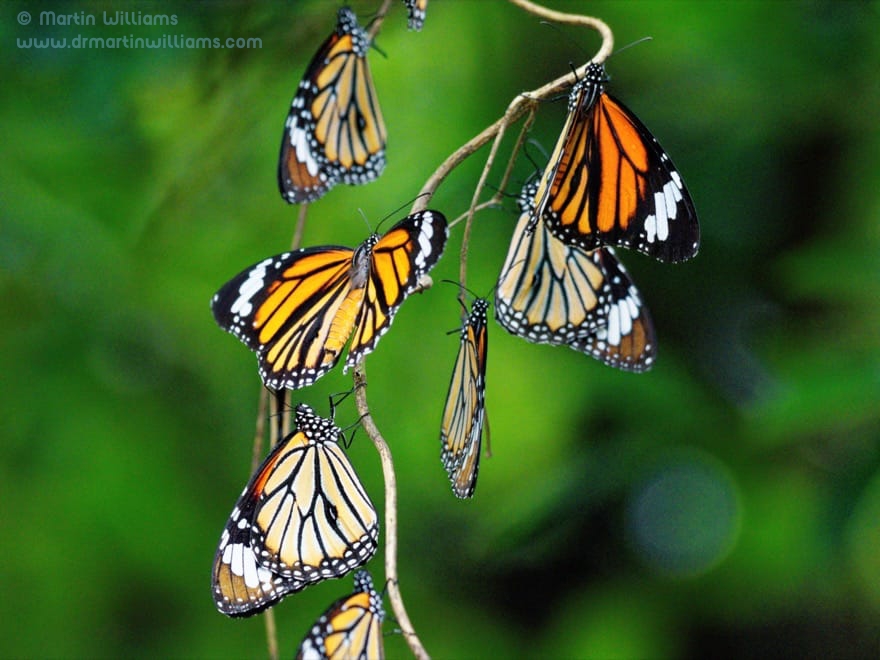
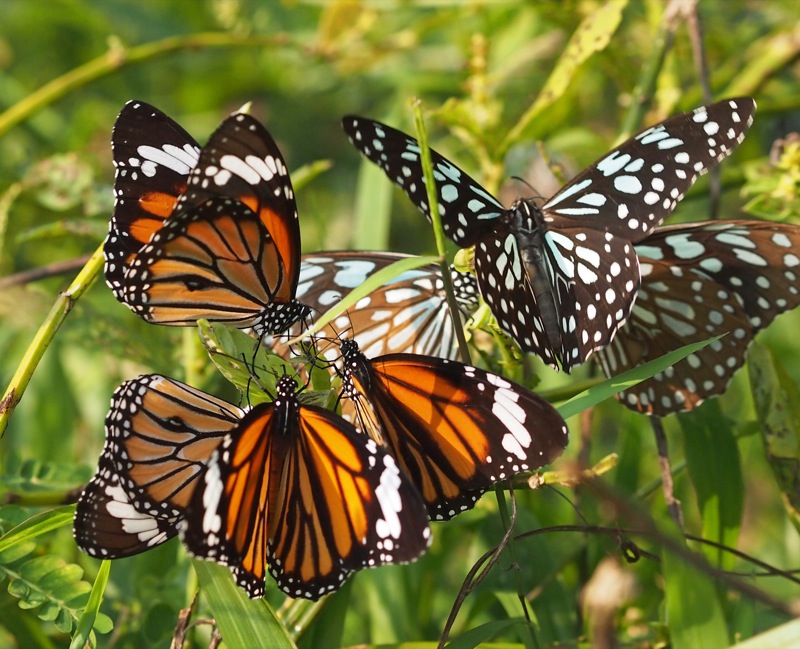
- Common Tigers at roost
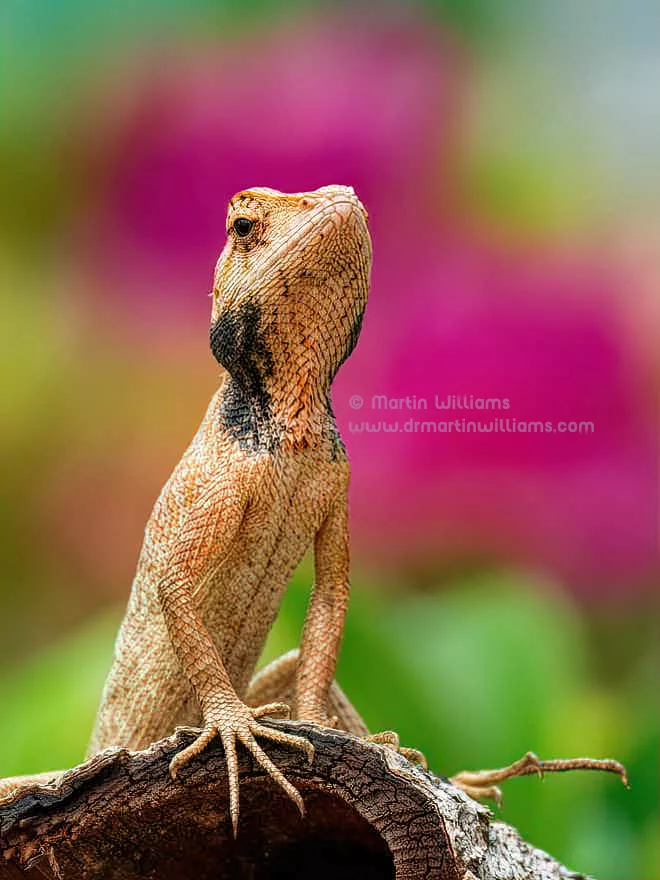
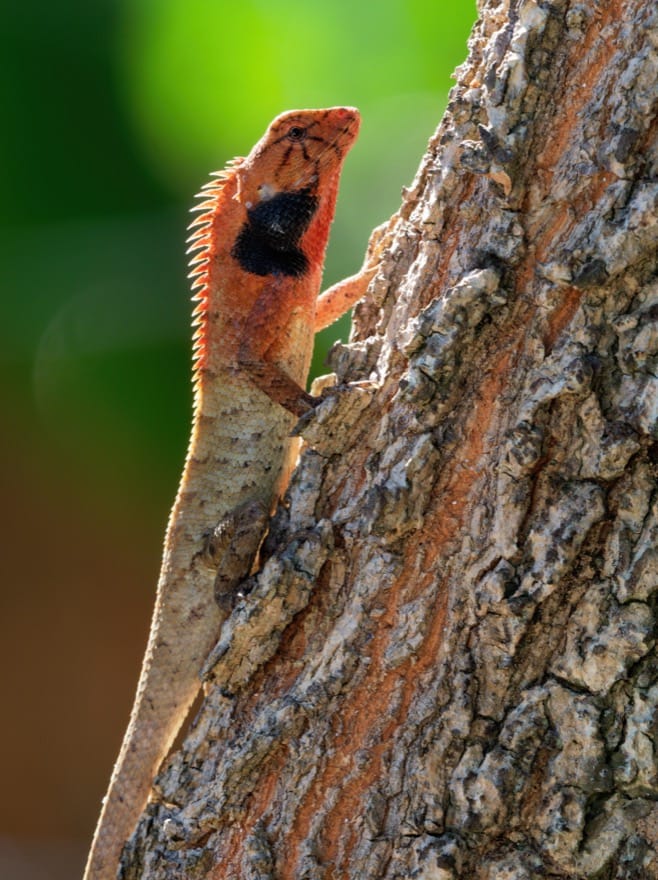
- Changeable Lizard displaying; bougainvillea beyond
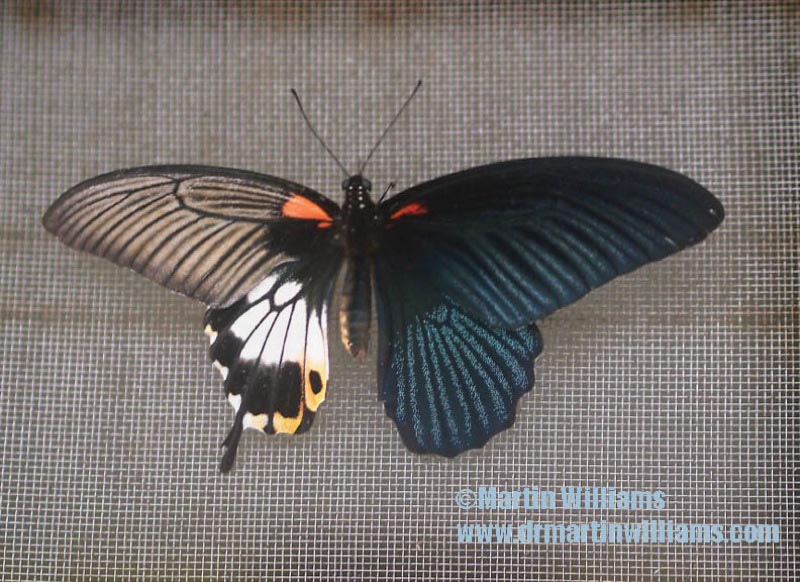
- Great Mormon gynandromorph
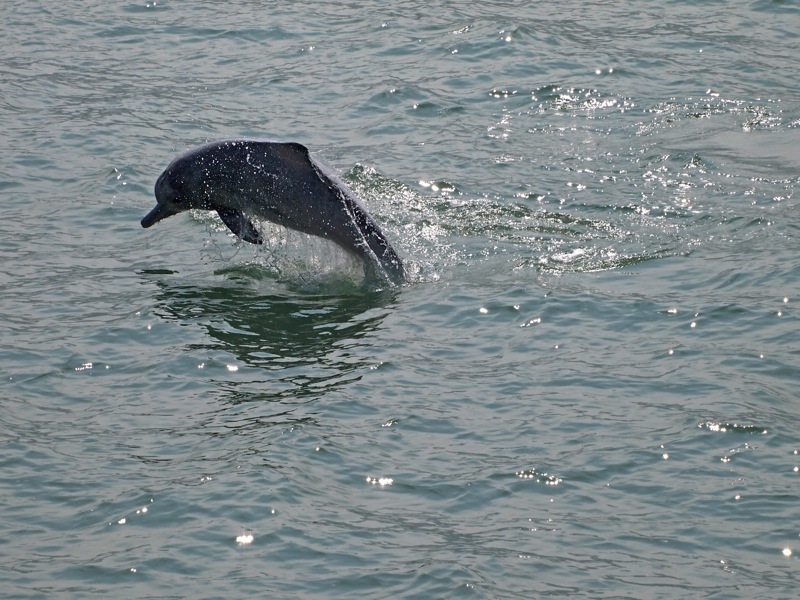
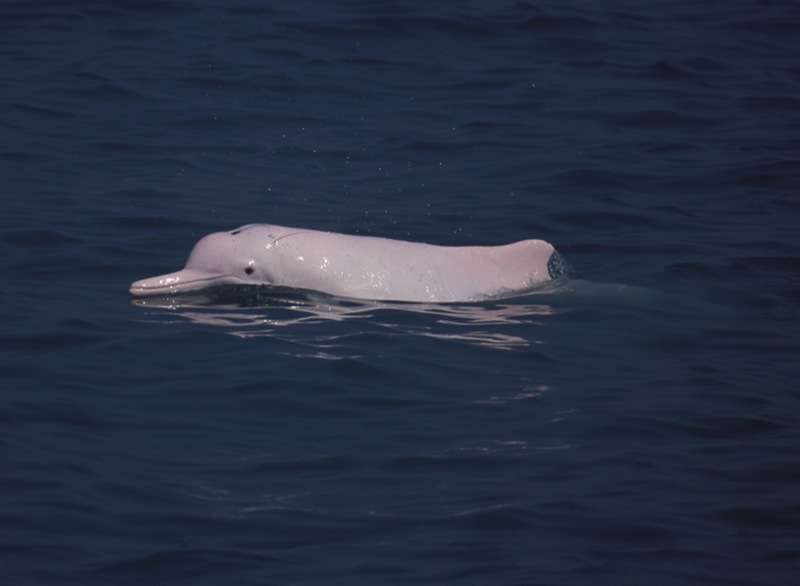
- Chinese White Dolphin
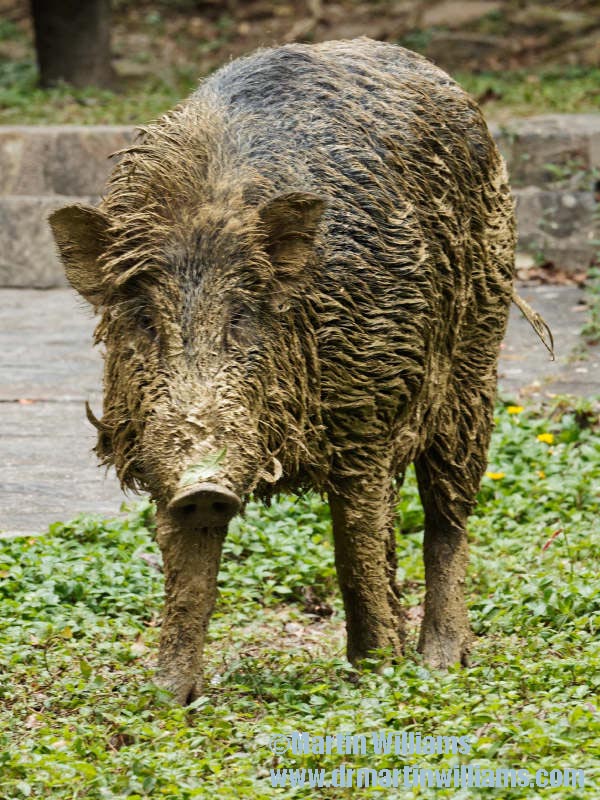
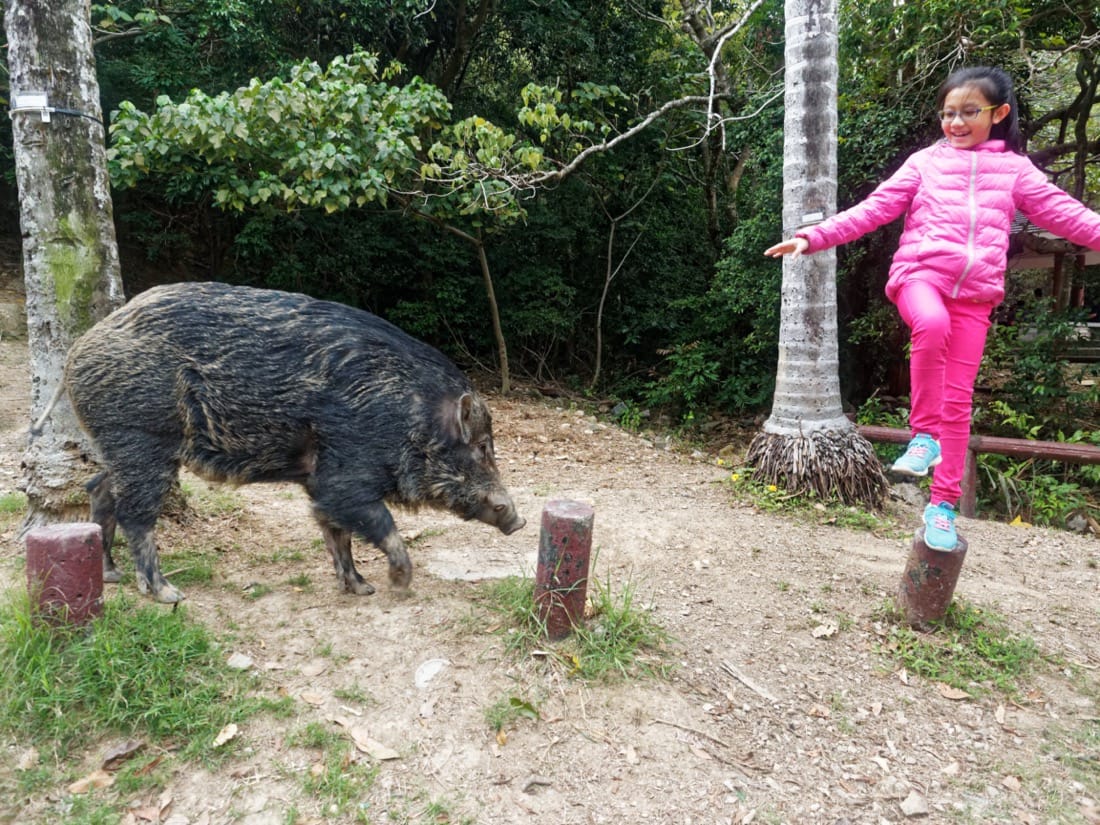
- Wild Boar
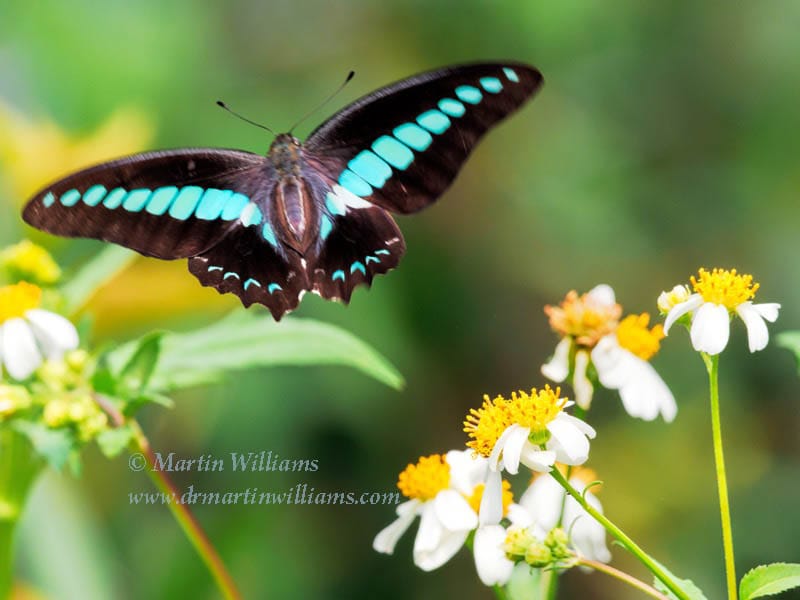
- Common Bluebottle
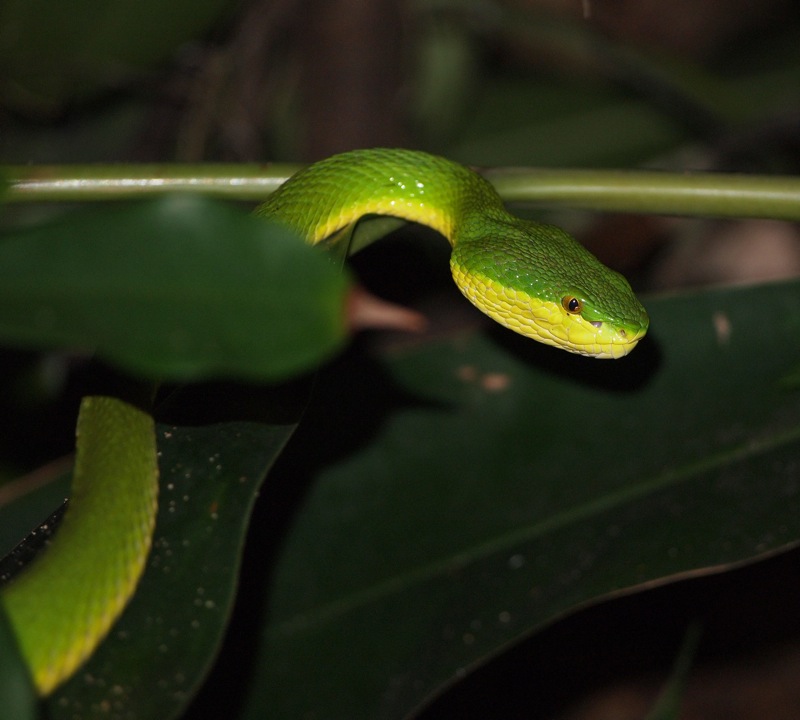
- Bamboo Snake
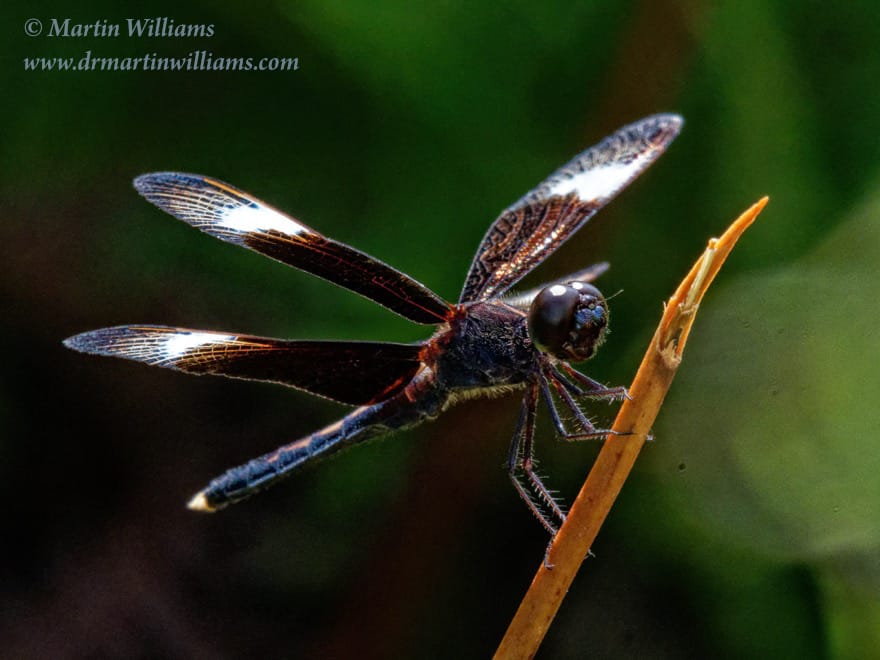
- Pied Skimmer
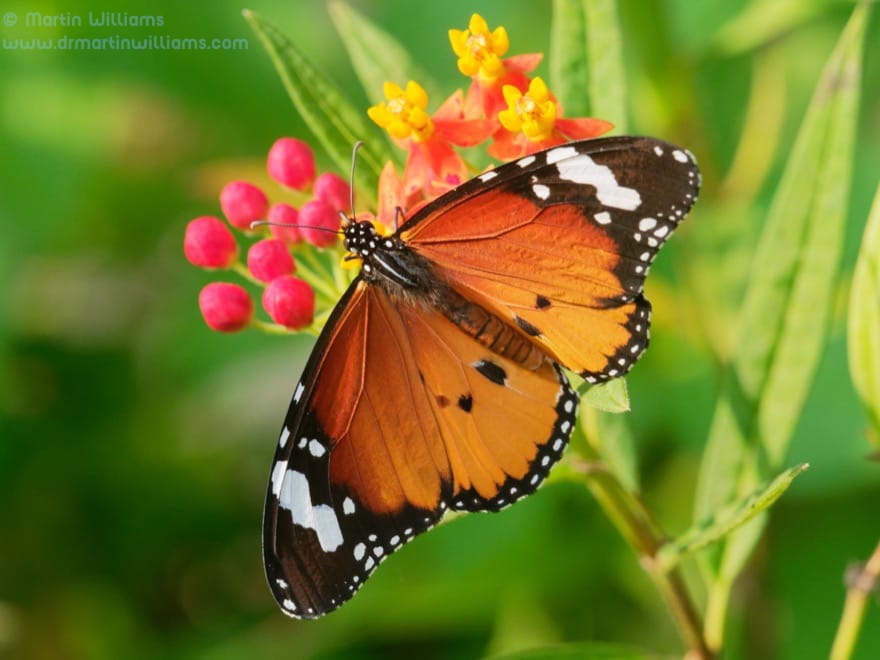
- Plain Tiger
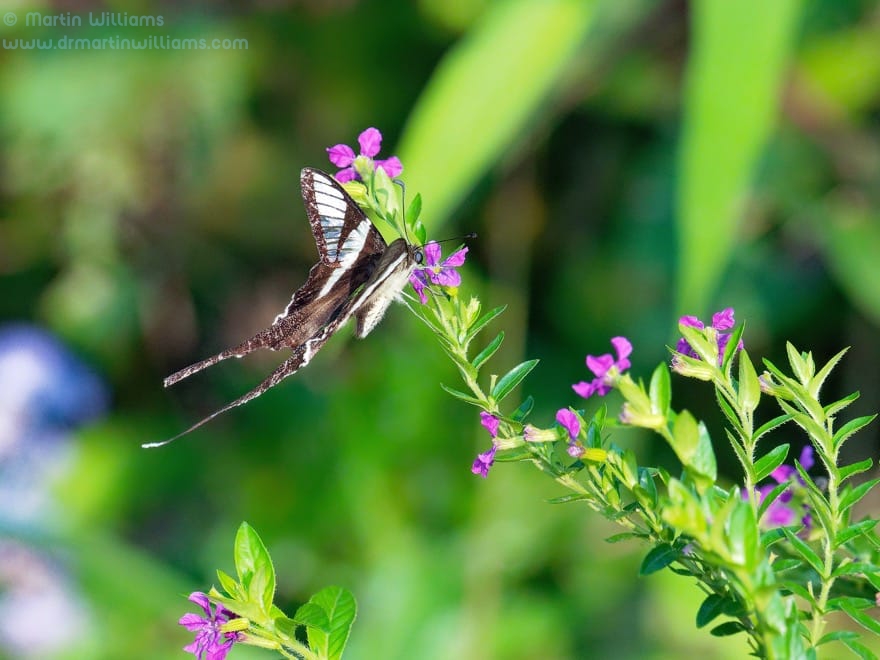
- White Dragontail
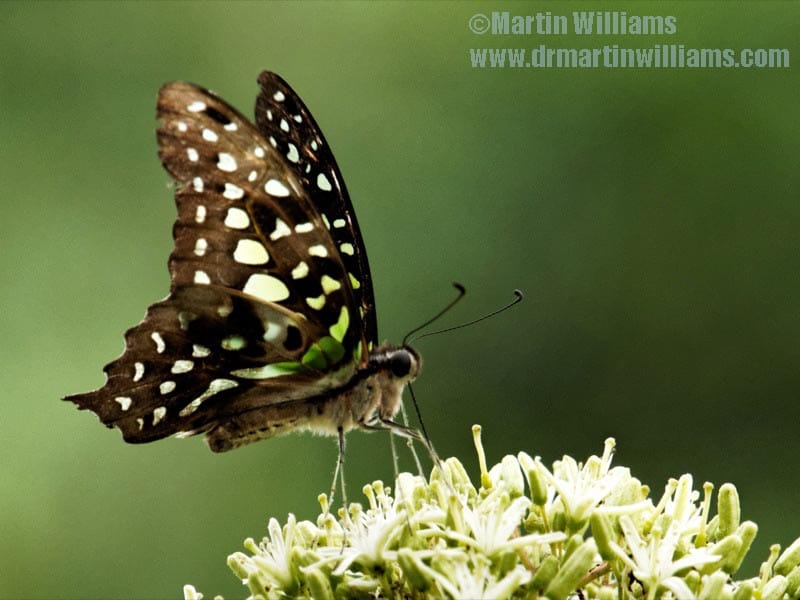
- Tailed Jay
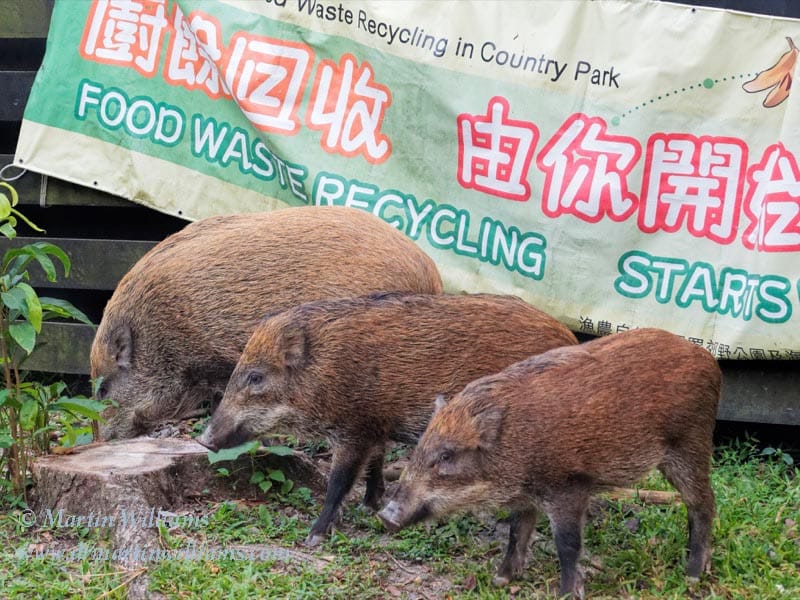
- Wild Boar food waste recycling
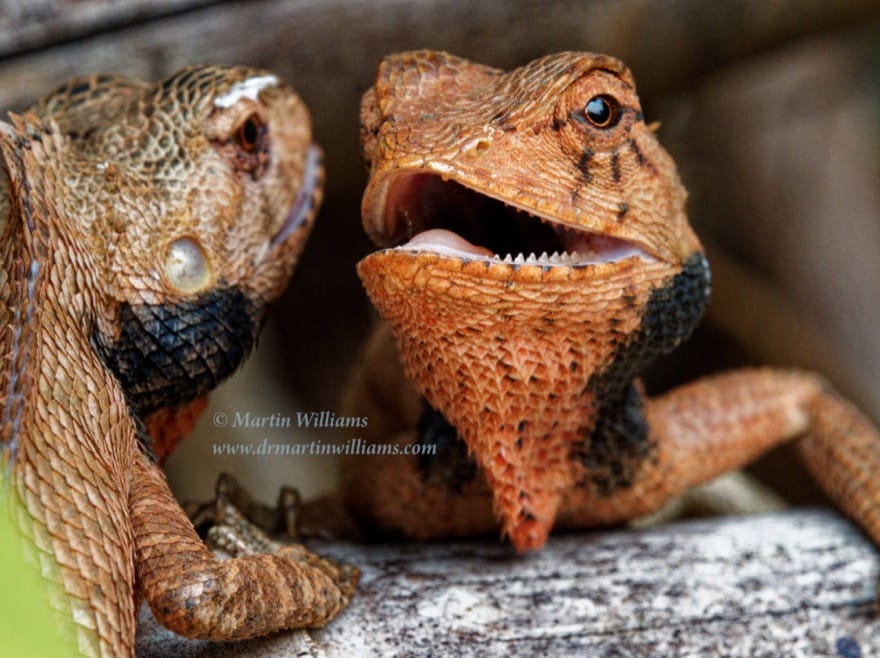
- Duelling Changeable Lizards
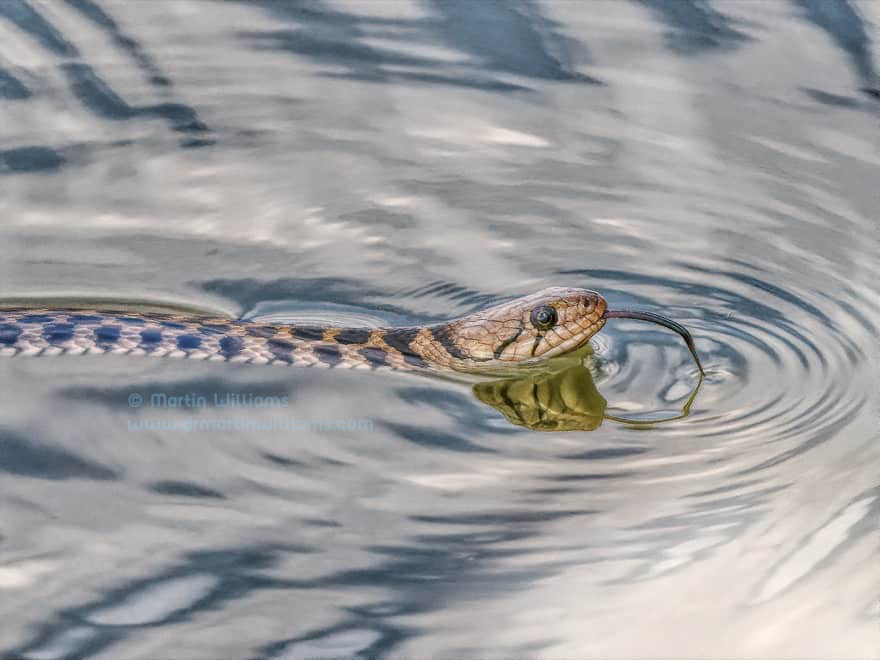
- Chequered Keelback swimming across a Hong Kong fish pond
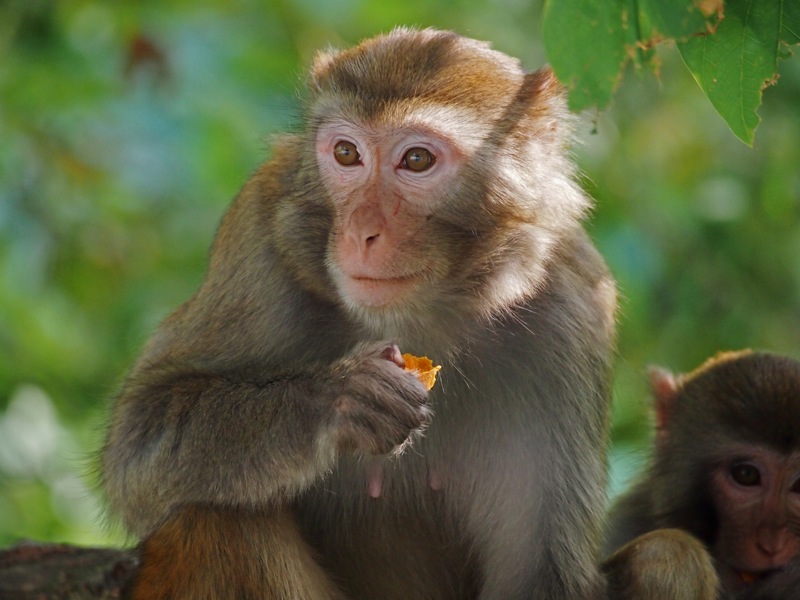
- Rhesus Macaque
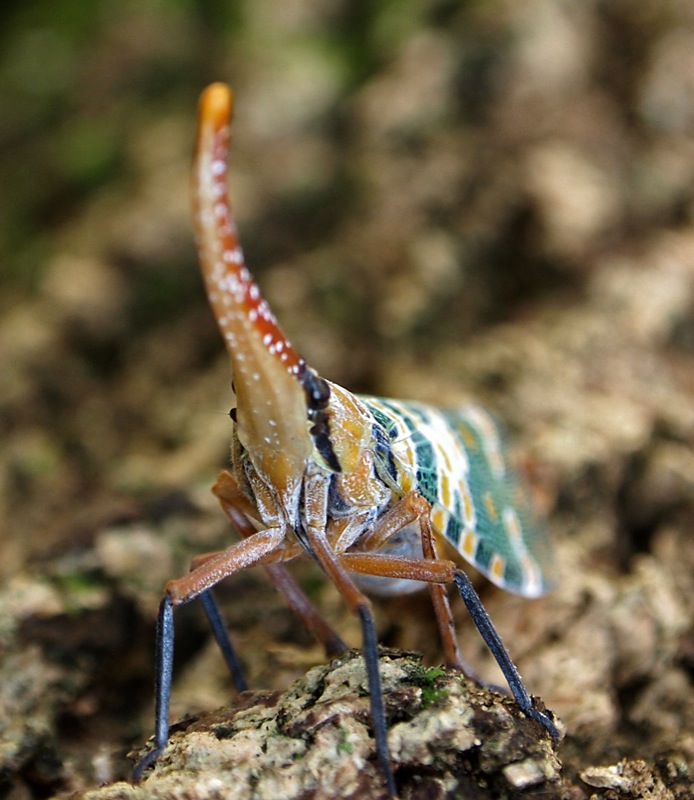
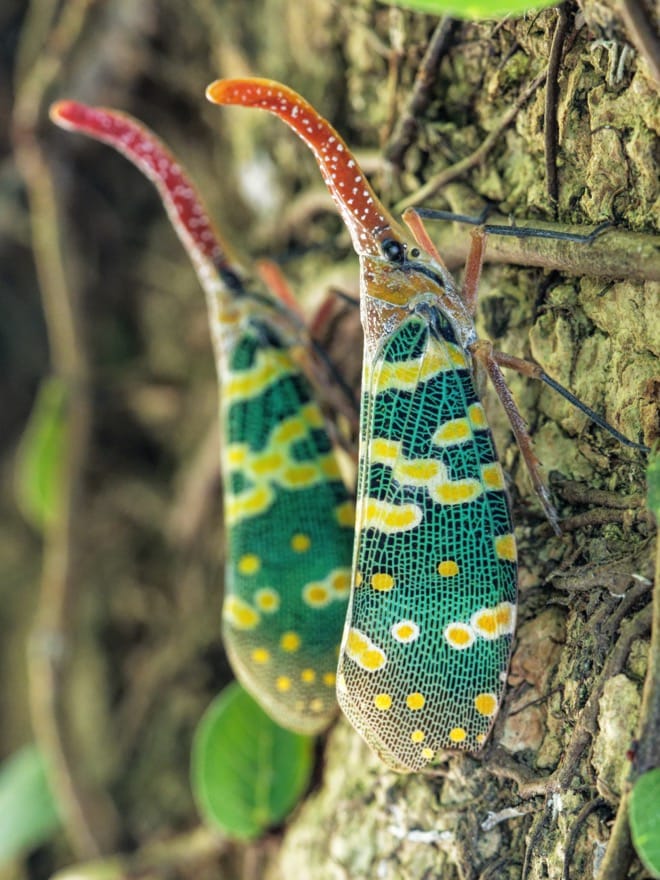
- Lantern Bug
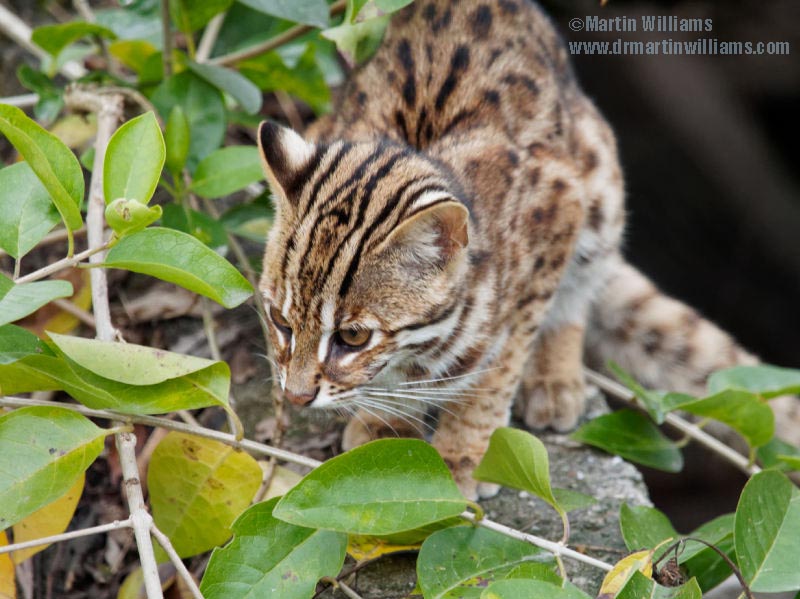
- Leopard Cat, Mai Po
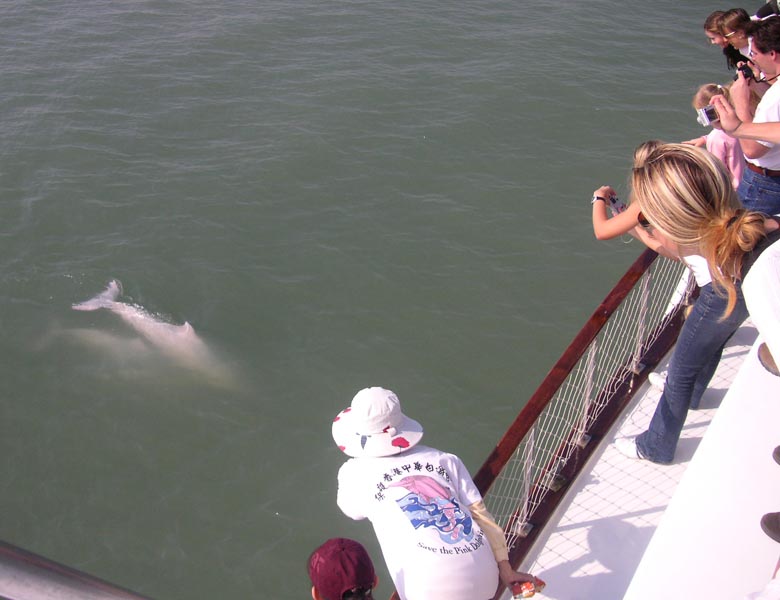
- Chinese White Dolphin from Dolphinwatch boat
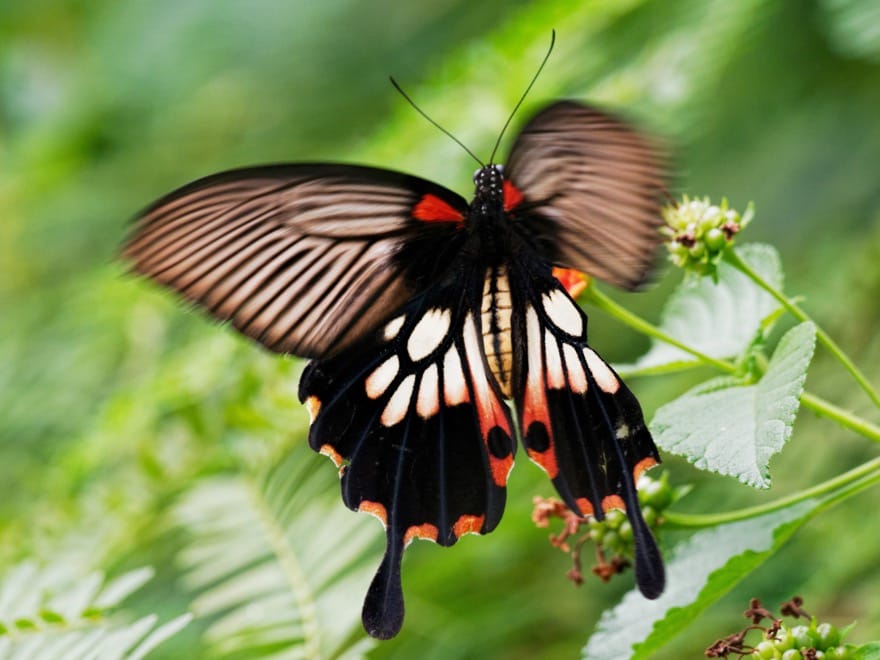
- Great Mormon
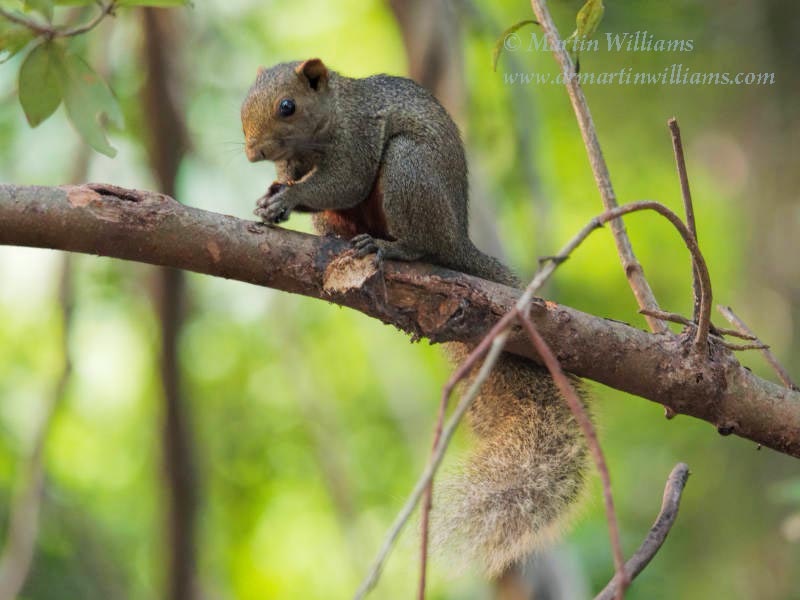
- Pallas' Squirrel
- Chinese White Dolphin
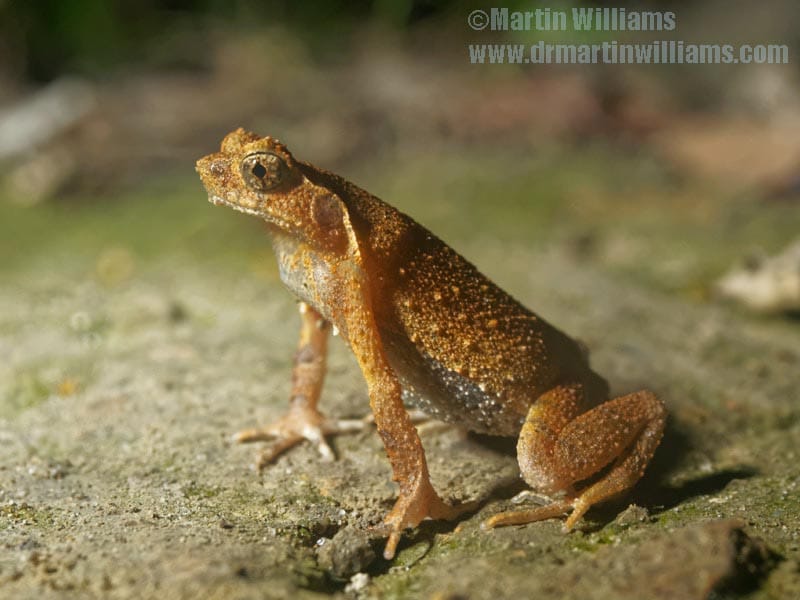
- Short-legged Toad
- Small Asian Mongoose
- Red-base Jezebel
- Lantern Bugs
- Wild Boar and fan
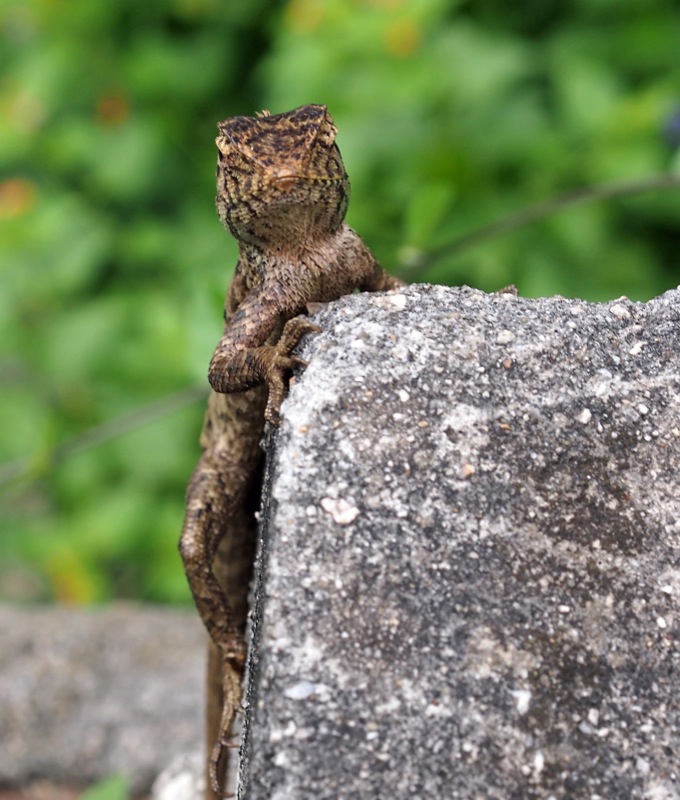
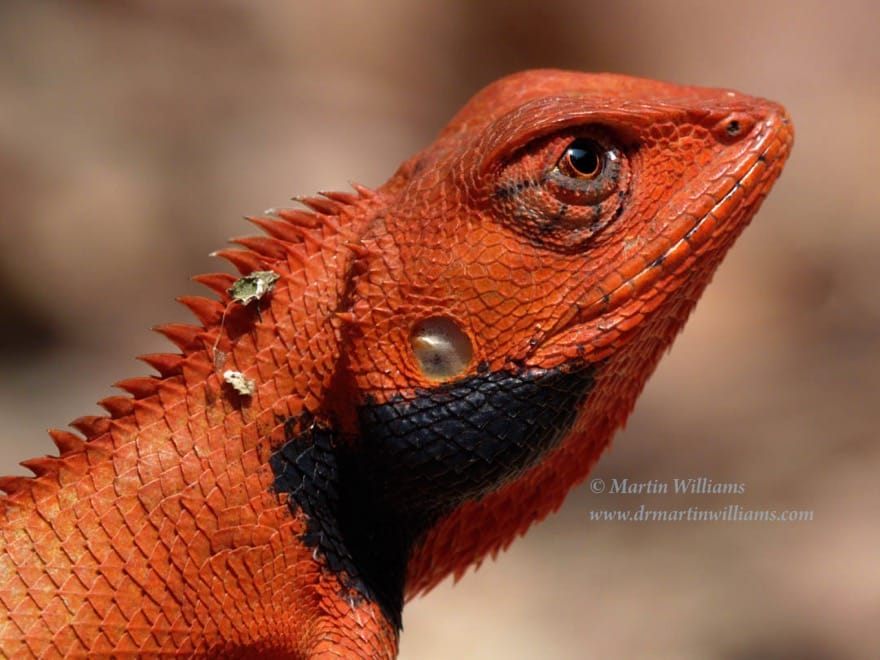
- Changeable Lizard
- Common and Dark-veined tigers
- Changeable Lizard
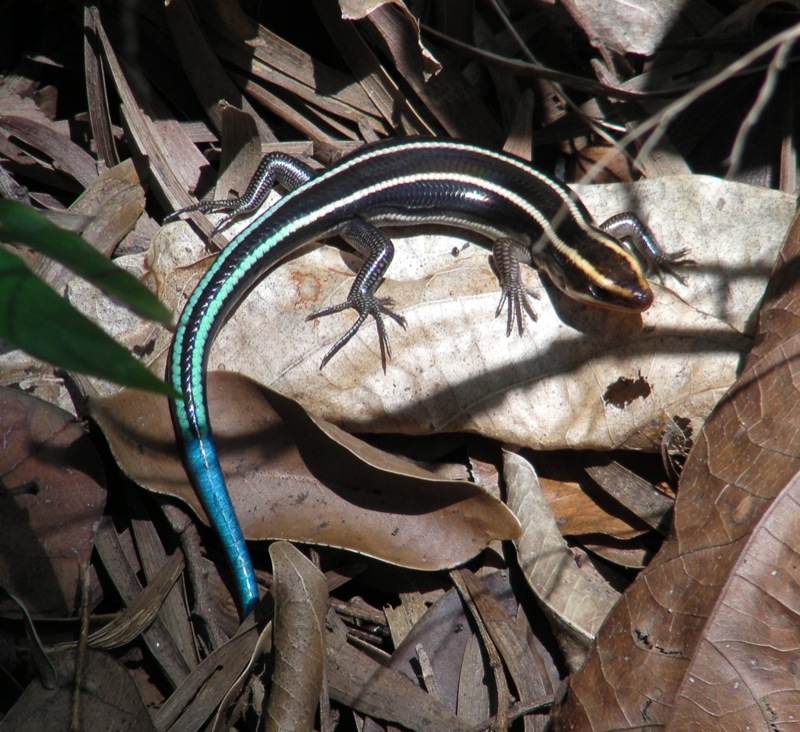
- Blue-tailed Skink
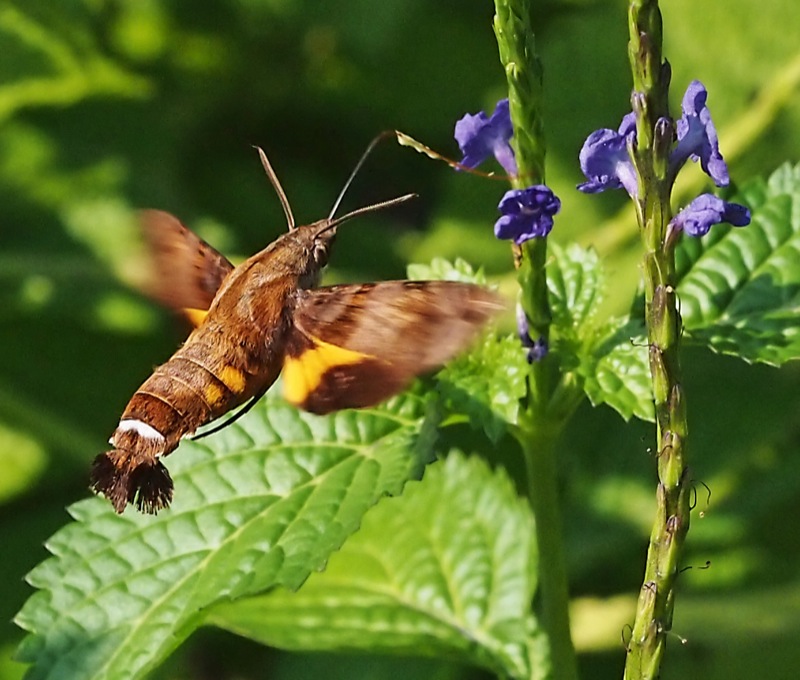
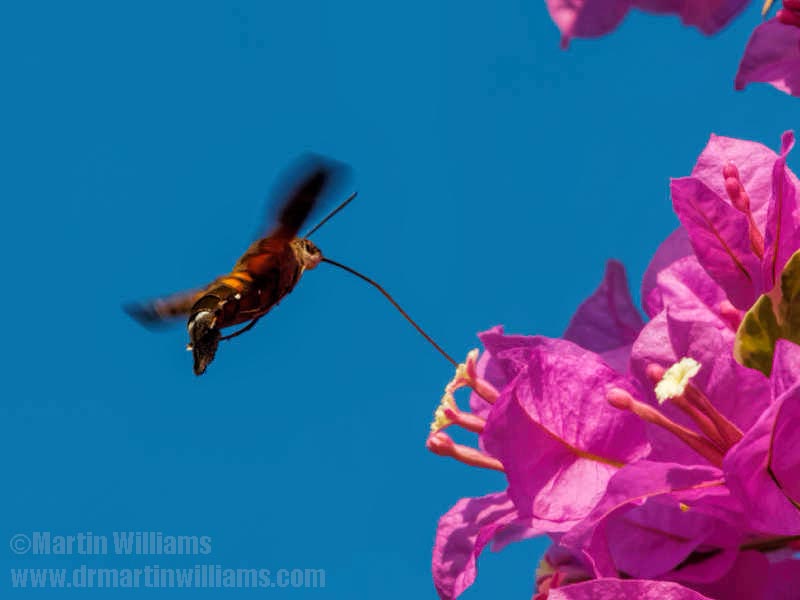
- Hummingbird Hawk Moth
- Hummingbird Hawkmoth
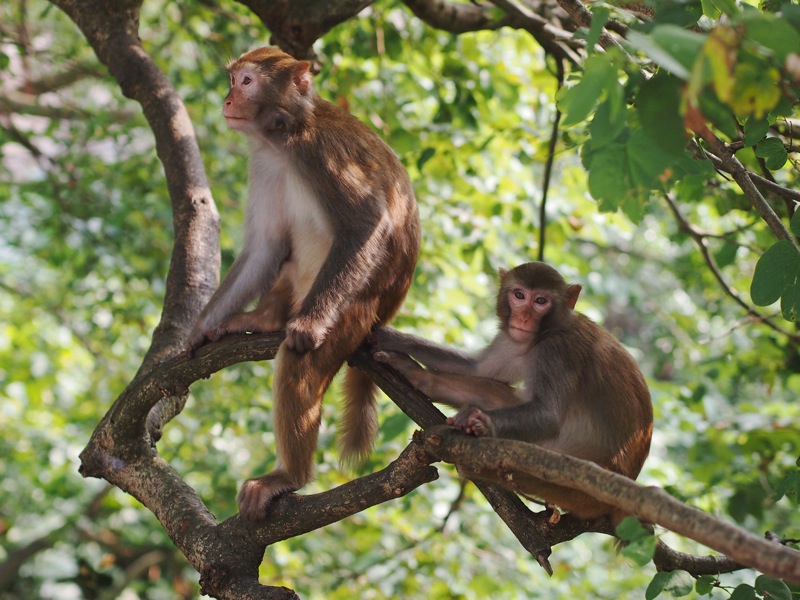
- Rhesus Macaque mum n child
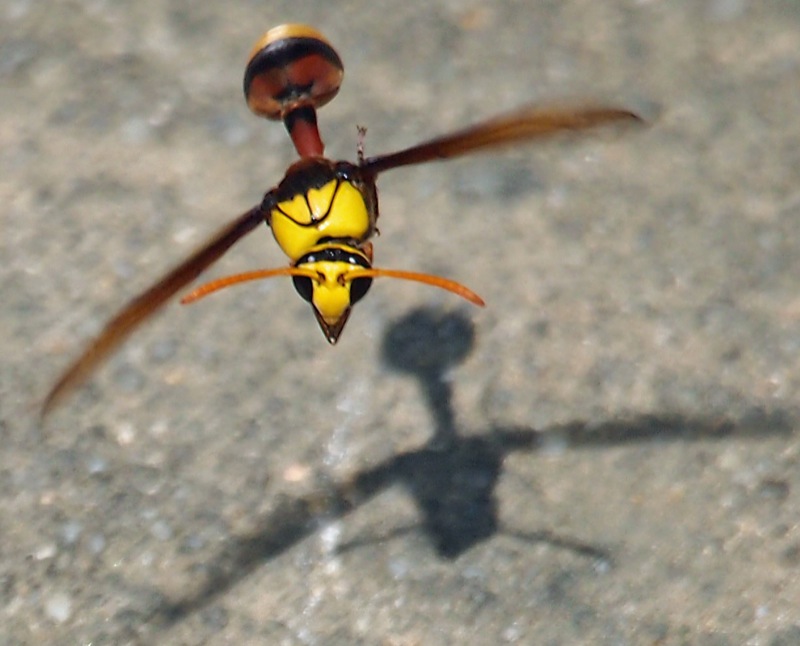
- Potter Wasp
- Changeable Lizard
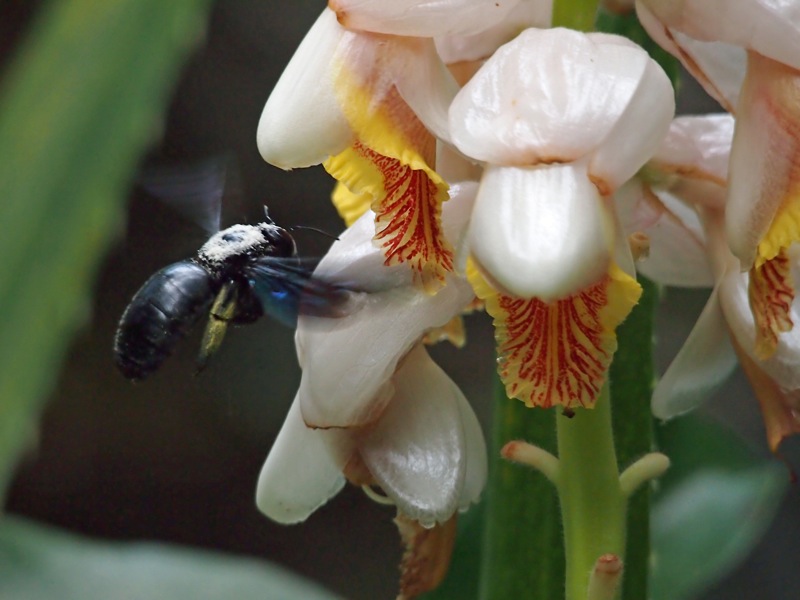
- Bamboo Bee at Ginger Flower
- Paris Peacock
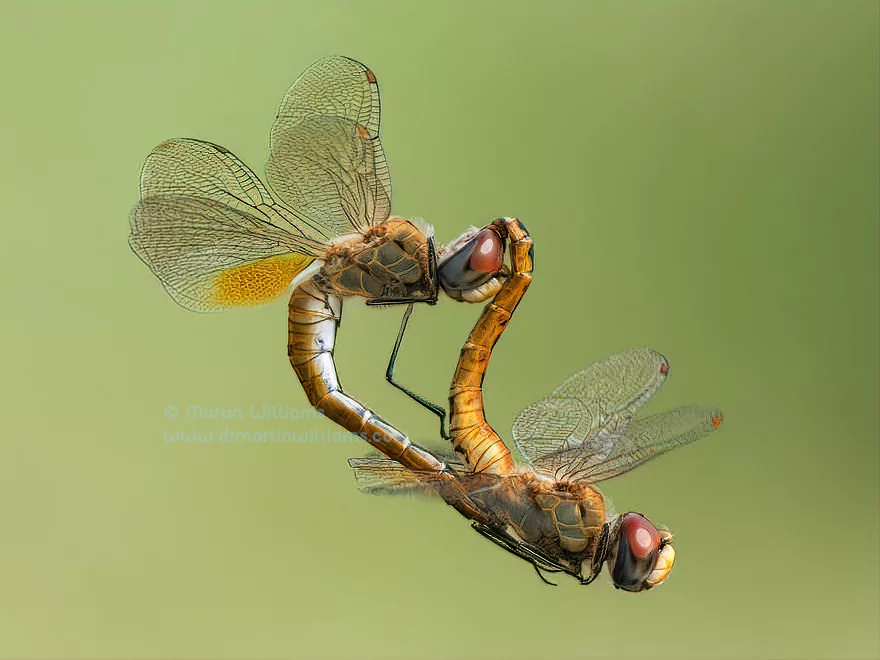
- Globe Skimmers aka Wandering Gliders in mating clasp
- Tailed Jay
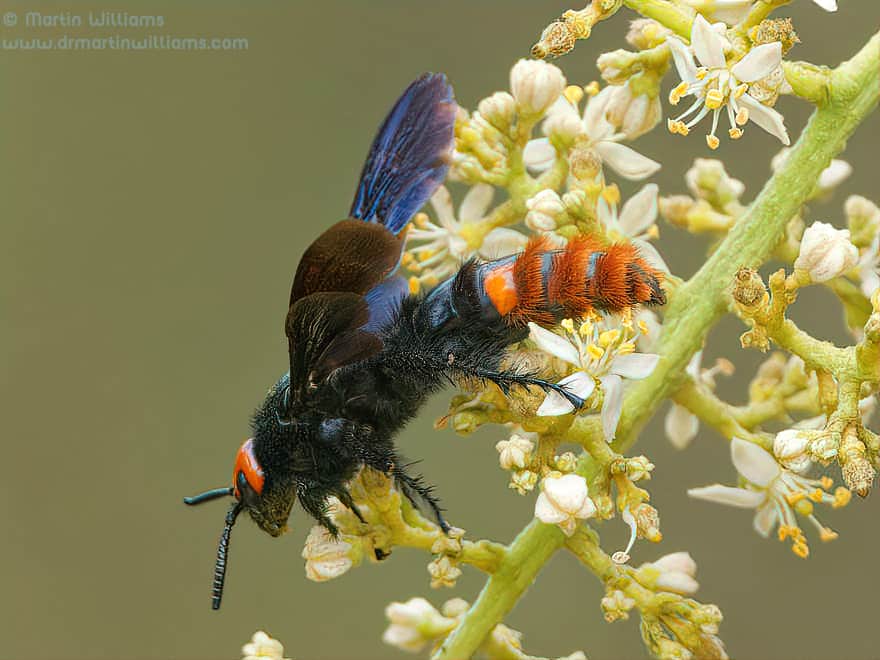
- Megacolia azurea a species of scoliid wasp



- Lai Chi Wo
- San Wai entrance
- Lai Chi Wo
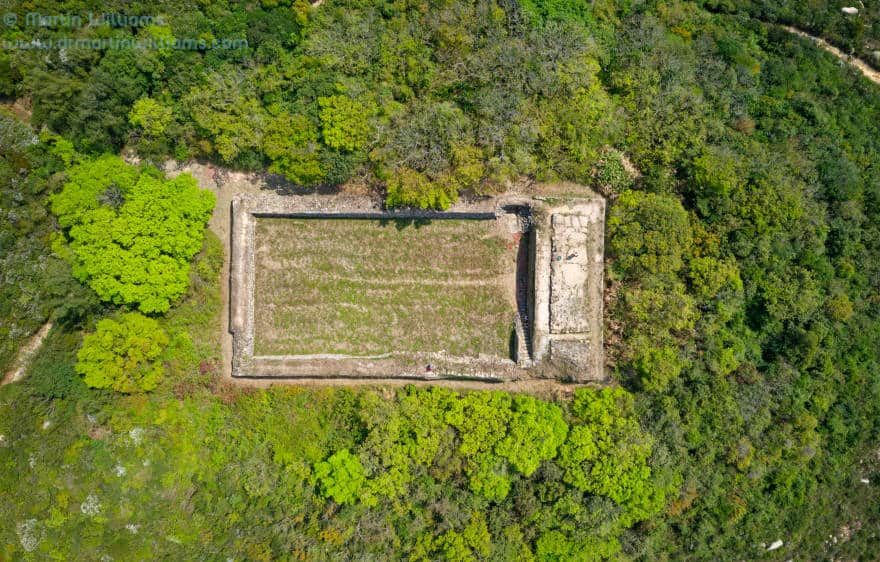
- Shek Kwu Chau Roman Baths
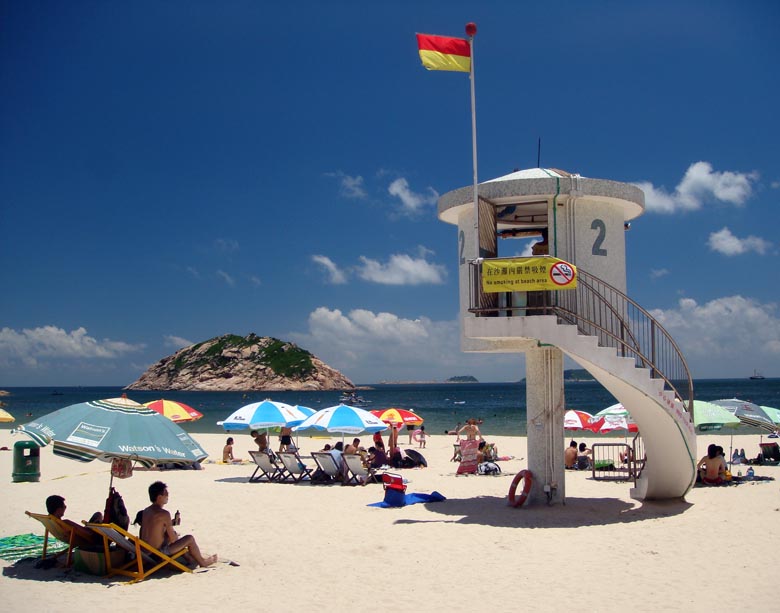
- Shek O Beach
- Pak Sha O
- Sheung Cheung Wai
- Pak Sha O
- Seven Sisters Temple, Peng Chau
- Pak Sha O by drone
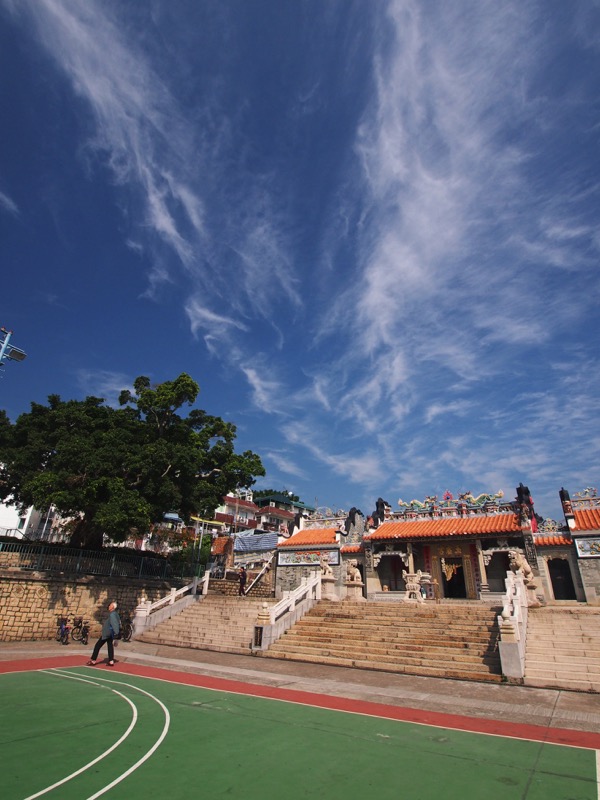
- Pak Tei Temple, Cheung Chau
- Kwun Yam Temple, Lantau
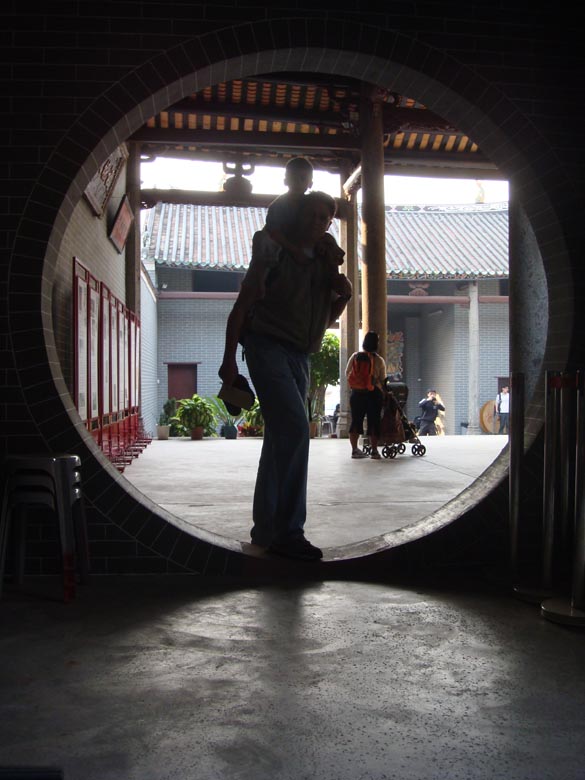
- Ancestor Hall moon gate
- Kun Ting Study Hall
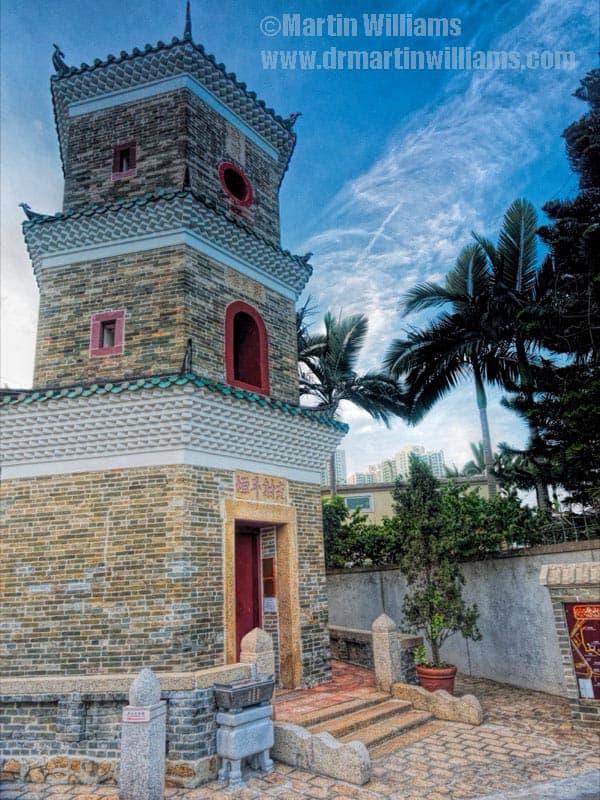
- Ping Shan Pagoda
- ping shan tang and yu kiu ancestral halls
- Sheung Cheung Wai
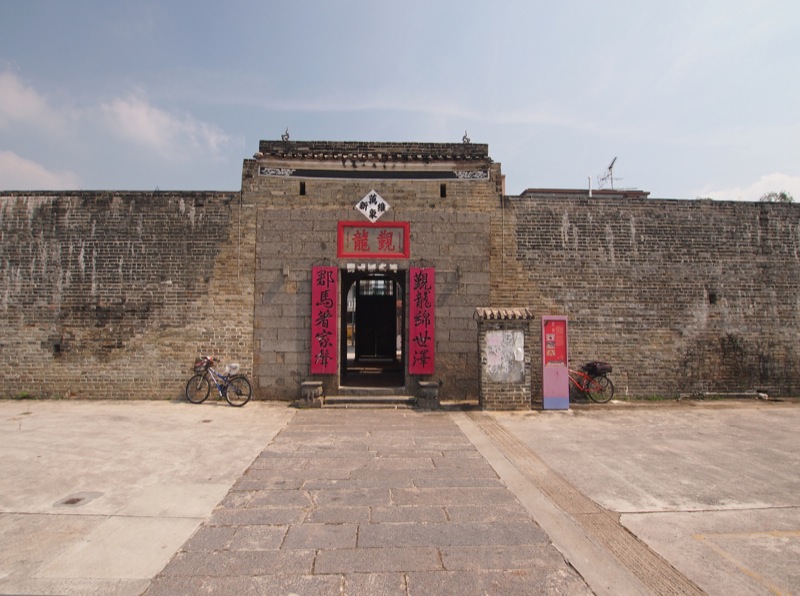
- Lo Wai entrance
- Peng Chau Tin Hau Temple
- Yim Tin Tsai
- Yim Tin Tsai salt sweeping
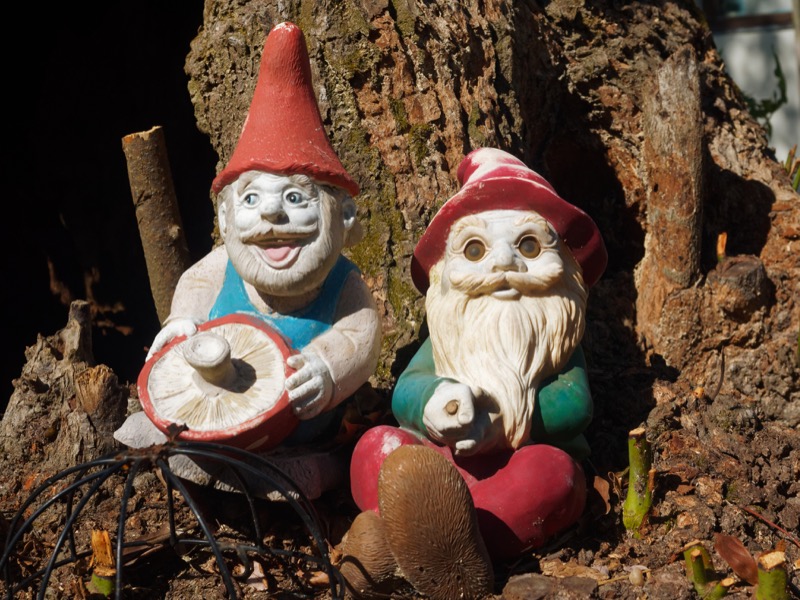
- Gnomes at Yim Tin Tsai


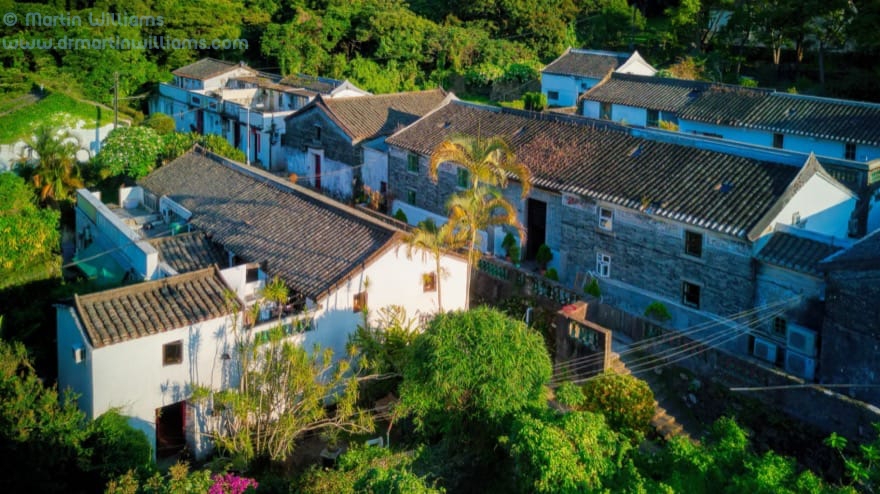


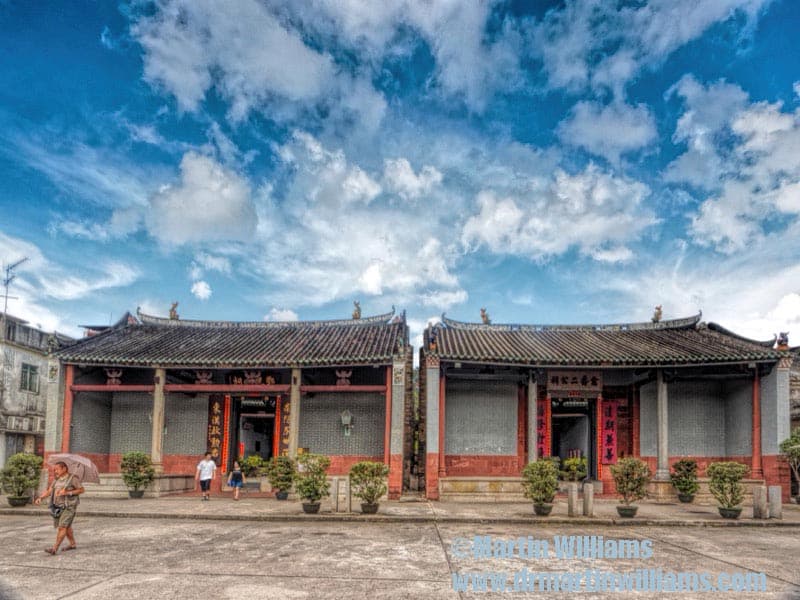

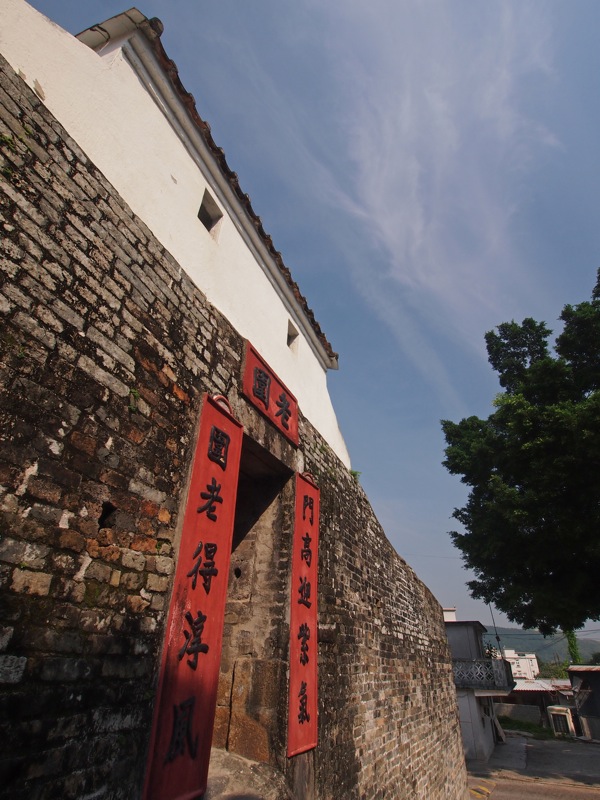

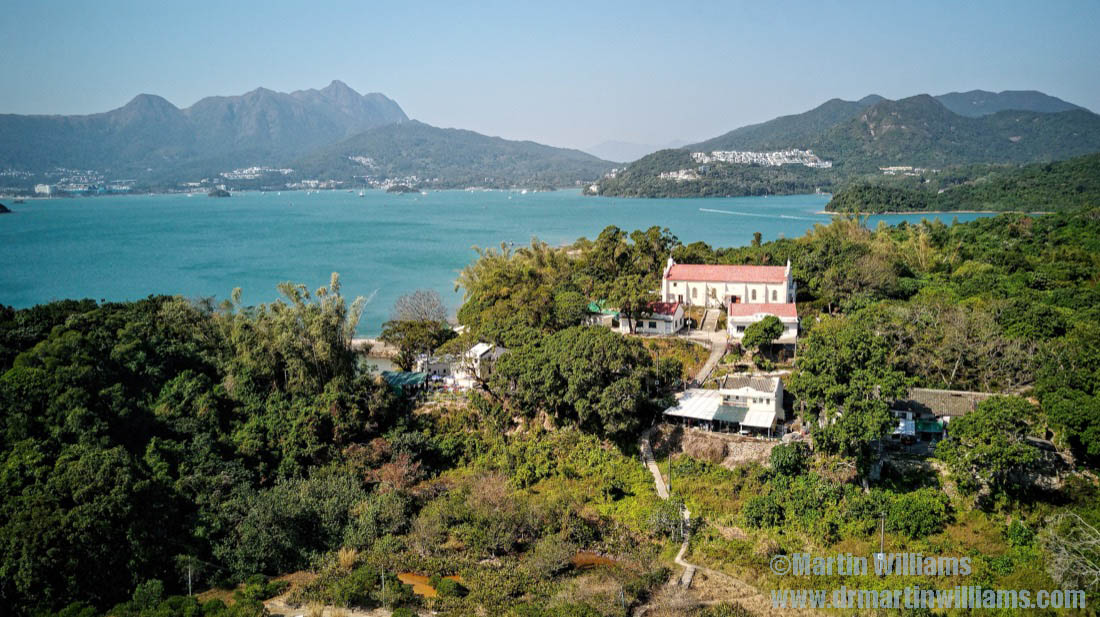
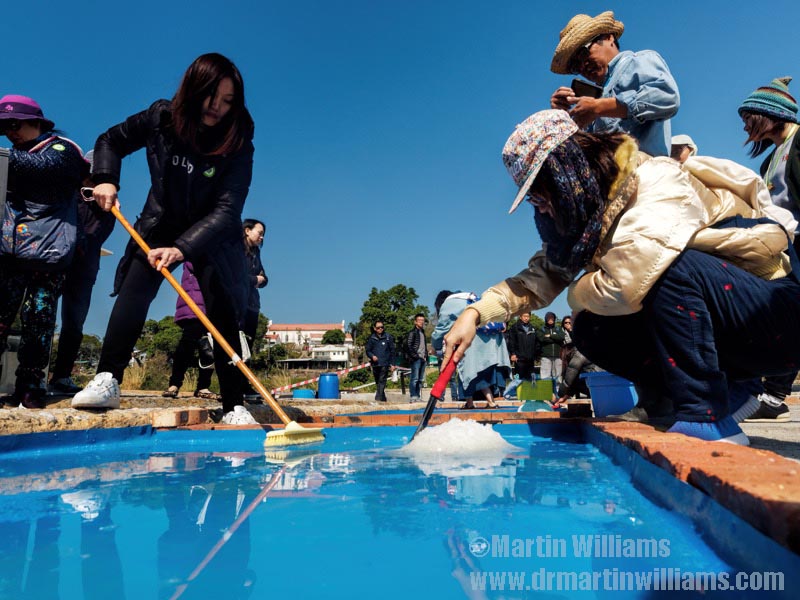
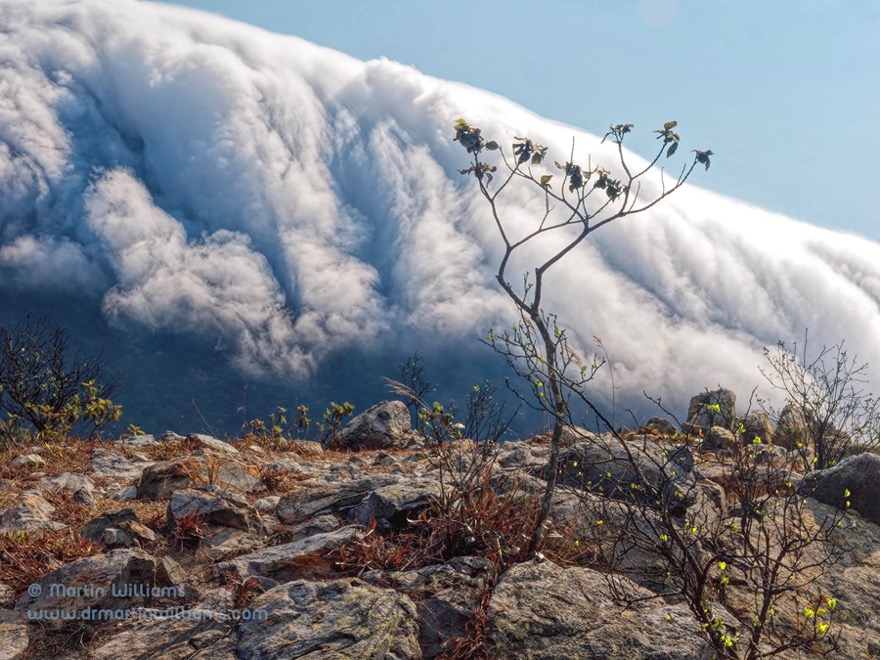
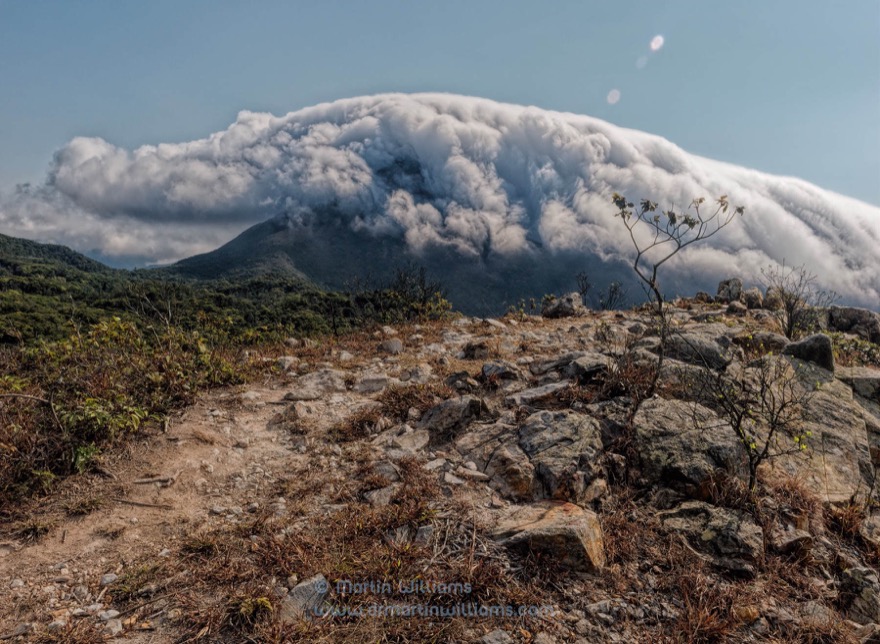
- Sapling against mist over Lantau Peak
- Double Haven
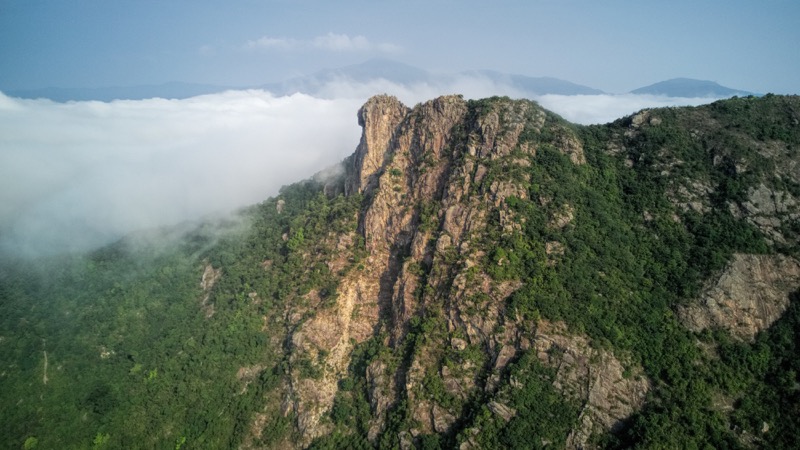
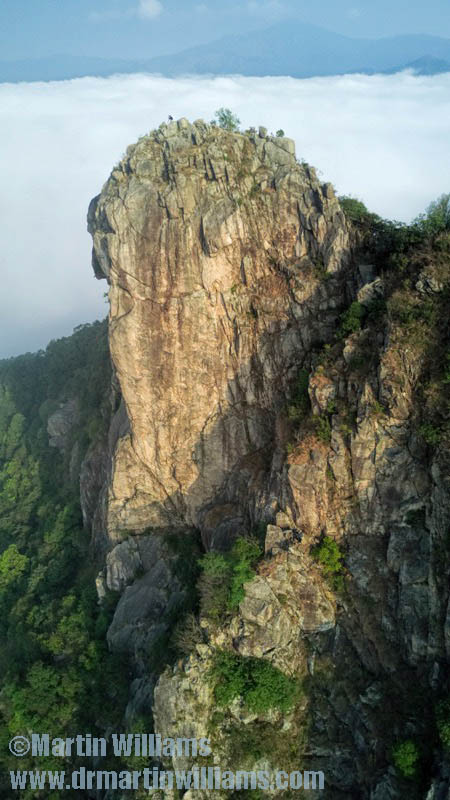
- Lion Rock by drone
- Daybreak at Sai Wan, Tai Long Wan, Sai Kung
- Eastern Fan Lau including fort by drone
- Shek Pik Reservoir reflection, Lantau
- Ngong Ping with mist over Lantau Peak
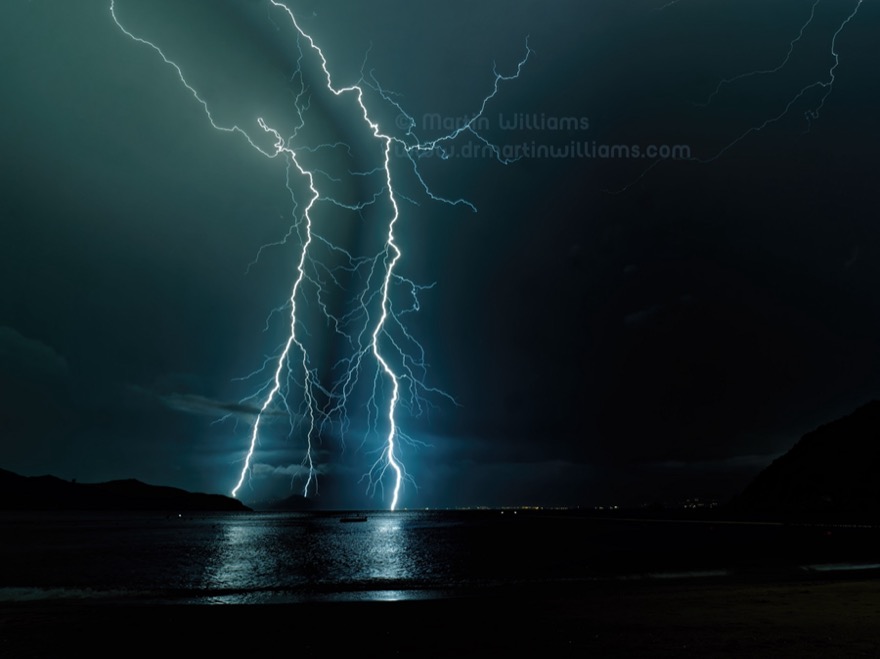
- Lightning from Cheung Chau
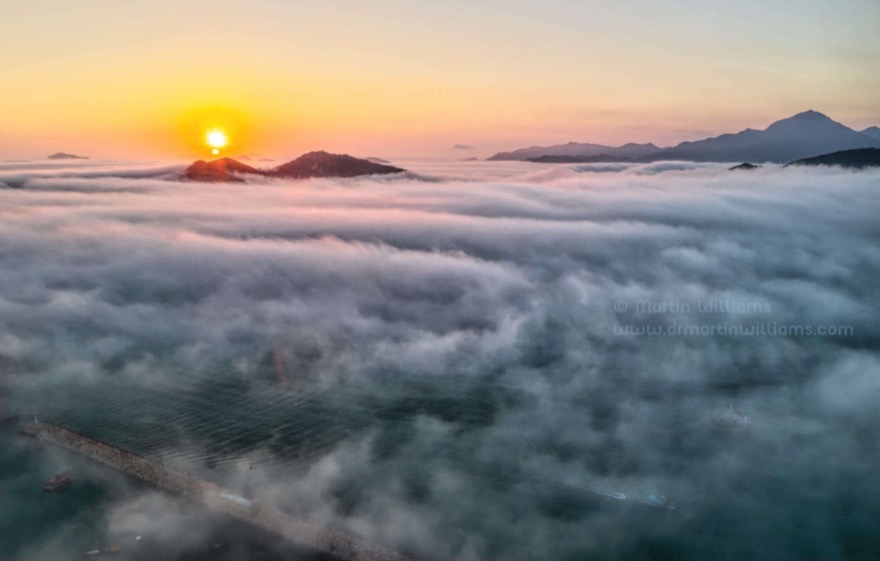
- Sunset over Shek Kwu Chau and Lantau amidst sea fog
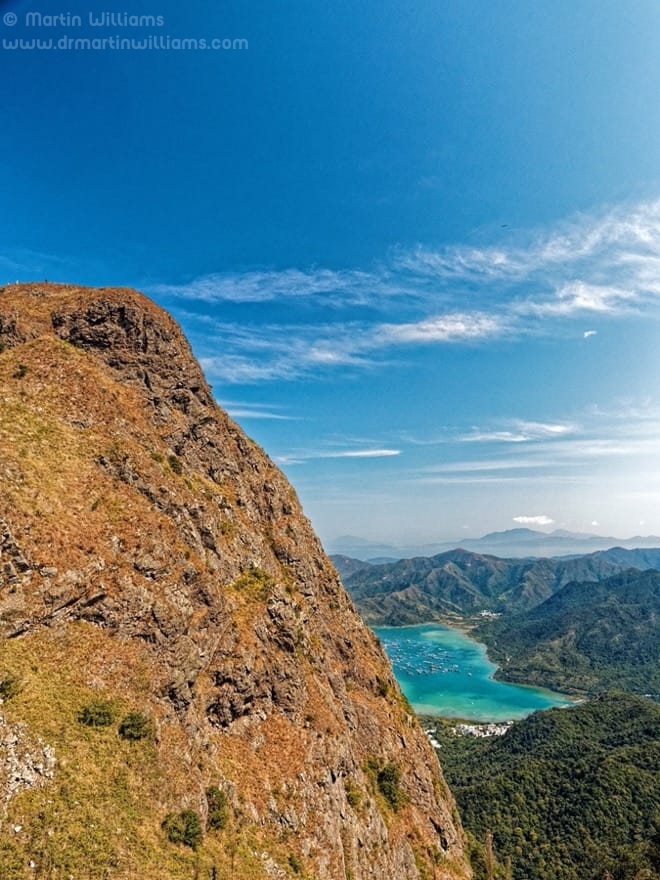
- Ma On Shan summit
- Fan Lau and Lantau hills from southwest by drone
- Eastern approach to Ma On Shan
- Double Haven
- Hikers on Lantau Peak, by drone
- Drone view of Ma On Shan towards north
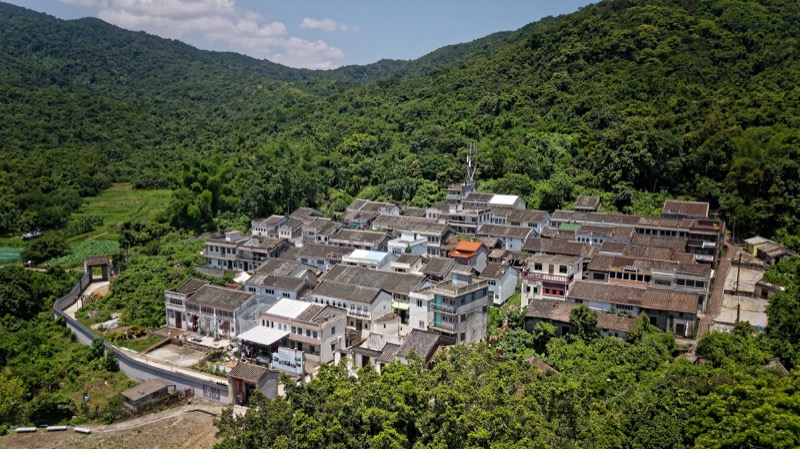
- Lai Chi Wo by drone
- Reclining Rocks, Cheung Chau
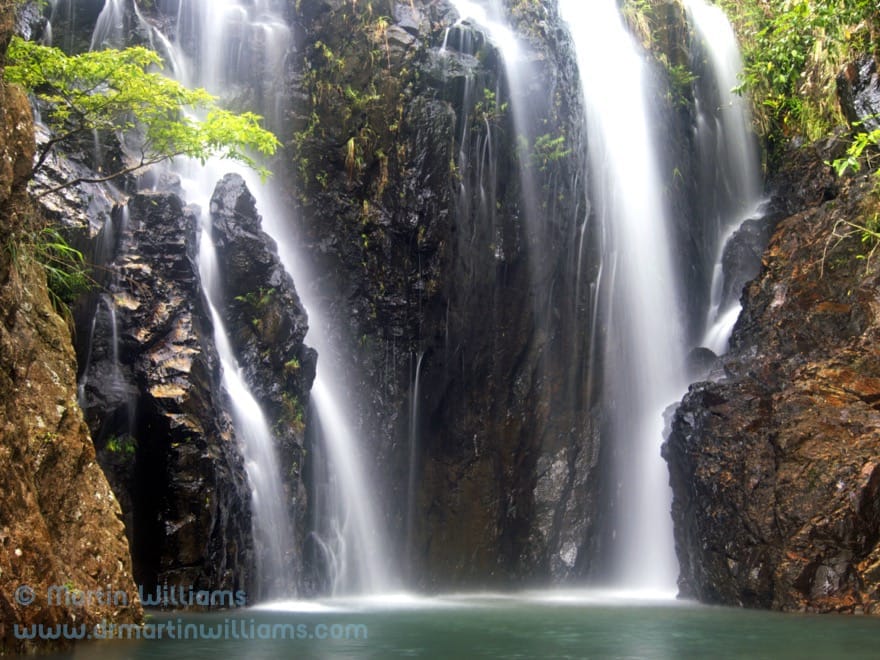
- Main Fall at Ng Tung Chai
- Lion Rock by drone
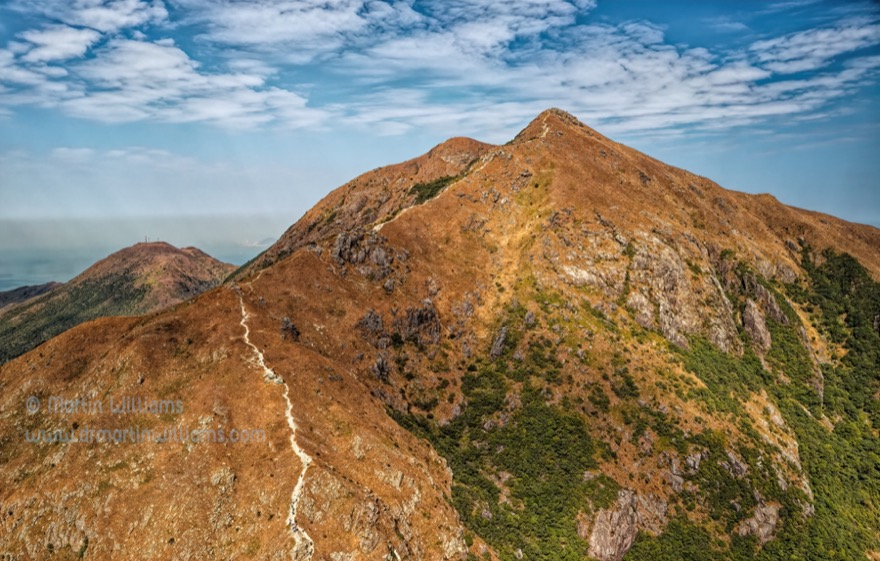
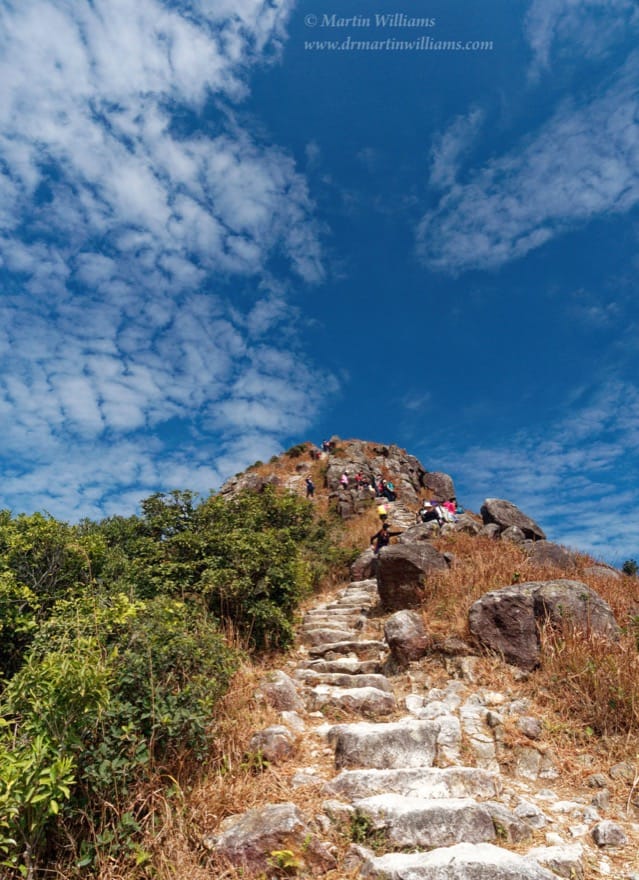
- Trail to summit of Lantau Peak
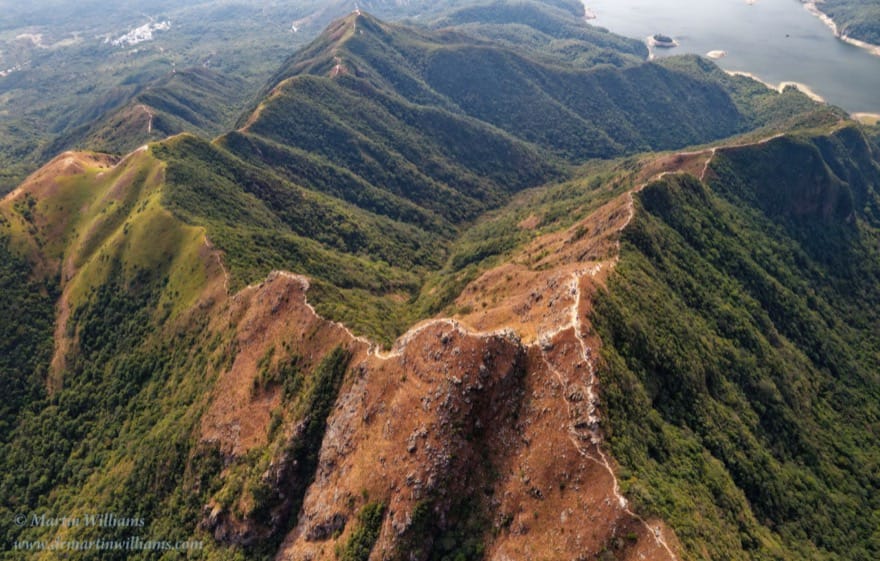
- Dog Tooth Ridge, Lantau, by drone
- Tai Tam Mound Waterfall
- Fan Lau Fort by drone
- Southern Po Toi by drone
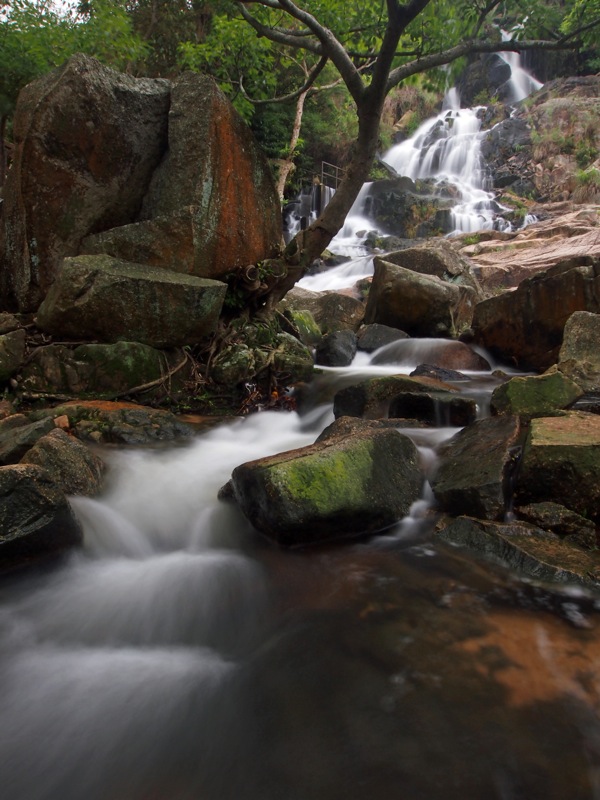
- Silvermine Fall, Lantau
- Lion Head Mountain and mist over Lantau Peak
- Fa Peng Shek, Cheung Chau
- Anticrepuscular rays over Lantau at dawn
- Fan Lau view by drone inc Stalactite